
Scottish Taskforce To Tackle Tourist Influx During Festivals
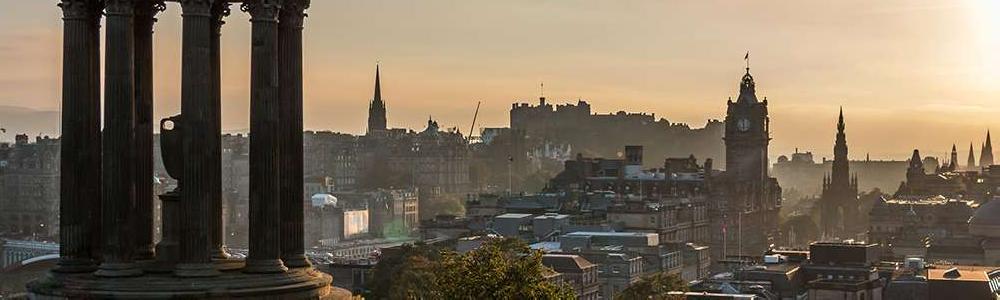
Walkerssk – Edinburgh, Scotland
Edinburgh from Colton Hill
The touristic impact of live events on the cities they take place in is usually brought up as an economically beneficial factor. But what do the residents of Scotland’s capital Edinburgh think?
This was one of the questions tackled in a meeting of City of Edinburgh Council’s Culture and Communities Committee on Tuesday, Jan. 30. The committee debated over two reports, “Managing Our Festival City” and “Tourism in Edinburgh”.
The latter states that “anecdotal evidence and recent media commentary on the negative impact of tourism point to difficulty moving around the city, ‘getting on with normal life,’ noise levels and the impact of night time economy as issues which need to be addressed. Reports and feedback of this nature are most frequently received at peak visitor times.”
The council meeting resulted in the creation of a cross-council working group, made up of members from different parties and departments, who will work towards Edinburgh’s tourism strategy for 2020, which includes managing sustainable festival growth and tourism impacts. The group is going to deploy a reporting system designed “to examine the livability, sustainability and vibrancy of Edinburgh in August,” according to a press release sent out by the committee. It vaguely states, that “the system measures several pressures experienced in Edinburgh during the peak summer season against a 16-point scorecard, to better understand and address specific challenges.”
According to a Scotsman report, likely points to be examined by the group include “late-night noise, waste collection, road closures, and the growing number of properties being let out to festival-goers. The body is also expected to address key ‘bottlenecks’ during the summer and winter festivals, and the impact they have on roads, pavements and public transport.”
The findings of the council’s annual citizen survey, which questions some 5,000 people during face-to-face interviews, state that “the majority (80 percent) believe the festivals make Edinburgh a better place to live, and this figure has been increasing over the past few years (from 72 percent in 2014 and 78 percent in 2015).”
Only 73 percent of respondents aged 65 plus thought festivals made the city a better place, and unemployed people “tended to be more ambivalent, with 66% considering Edinburgh to be a better place and 22% saying the festivals make no difference.”
Donald Wilson, of Edinburgh Council’s culture and communities department, said “With a visitor-to-resident ratio greatly below that of other European cities, it is fair to say that the tourism pressures facing Edinburgh – while important to address – are a long way off from other Capital cities and major tourist destinations. That said, as a city with a growing population, it certainly seems sensible to take steps towards a better understanding of the impact of tourism on our city and most importantly its citizens, which is what these reports seek to address.”
Last summer, the Scottish government and Edinburgh City Council both pledged to provide £5 million ($7.1 million) each to grow festivals in the Scottish capital. The country’s national tourism organization VisitScotland, however, recently told festival promoters to look into alternative means of financing, as public spending on events was likely to decrease. The organization’s director of events, Paul Bush, told the Scotsman, that “organizers would have to be increasingly innovative to remain sustainable as they grapple with dwindling resources, spiralling costs and security concerns.”
Pollstar reached out to Bush, to find out, what kind of events would likely to be worthy of government grants. “I don’t think ‘worthy’ is the right term to use when referring to government grants,” he replied, adding, “like any government agency providing funding, we have strict criteria for an event to meet in order to receive funding, and a stellar event can refer to a well-run national event that meets the criteria just as much as an international one. That’s why a portfolio approach to events and festivals works best in Scotland and our funding, which we invest in events on behalf of the government and in line with the national events strategy, is designed accordingly.”
VisitScotland’s various funds also focus on events outside of Glasgow and Edinburgh, such as Wigtown Book Festival in Dumfries and Galloway, a literary festivals that was recently featured on CBS in America. Sports events and championships, Edinburgh Film Festival, the opening event of Edinburgh International Festival and Edinburgh’s Hogmanay all part of the organization’s funding programs.
In an interview conducted with one of Scotland’s most famous promoters, DF Concert’s Geoff Ellis, Pollstar asked about the iconic T In The Park Festival, which lies dormant since 2017, when planning restrictions made staging the event impractical. On speaking about how the government treats live events, Ellis said, “There needs to be joined-up thinking. As council or government, you can’t just say, ‘We want to get more tourists in and run more events,” without making it easier for private companies to take the risk to do events.”
When confronted with the statement, Bush told Pollstar: “There is joined-up thinking here across the industry as this is the cornerstone of the National Events Strategy: Scotland the Perfect Stage. Covering the ten years from 2015 to 2025, the strategy was produced with more than 100 contributions from the public, private and third sector and covers everyone involved in the planning, securing, supporting and delivering of events in Scotland. This includes major events of international significance down to smaller, community lead events.
“At the very heart of the strategy is equal responsibility between the Scottish Government, the Events and Festival sector and individual event organizers for delivery. And we continue to collaborate, as we know events never stay static as the environment and technology is ever changing. Our recent National Events Conference brought 42 expert speakers and a 300-strong audience together to share best practice and discuss the challenges and opportunities facing Scotland’s events industry so I believe there is joined up thinking happening.”
When asked, whether a government policy of austerity in the field of live entertainment would lead to a less-diverse events landscape, starting a vicious cycle of less event, less tourists, less spending, Bush responded: “I don’t think austerity would lead to a less-diverse events landscape as our national event strategy is designed to ensure we can be agile and respond to the short and medium term conditions we find ourselves operating in. This ensures we continue to have a well organized and joined up events and festivals sector ready to respond to the opportunities and challenges as they present themselves and that continues to play a significant role in Scotland’s visitor economy.”
Geoff Ellis politely declined Pollstar’s request for further comment for this piece.
FREE
 Daily Pulse
Subscribe
Daily Pulse
Subscribe
 Daily Pulse
Subscribe
Daily Pulse
Subscribe