
Albert Salméron Talks 20 Years Of Spanish Promoters Association
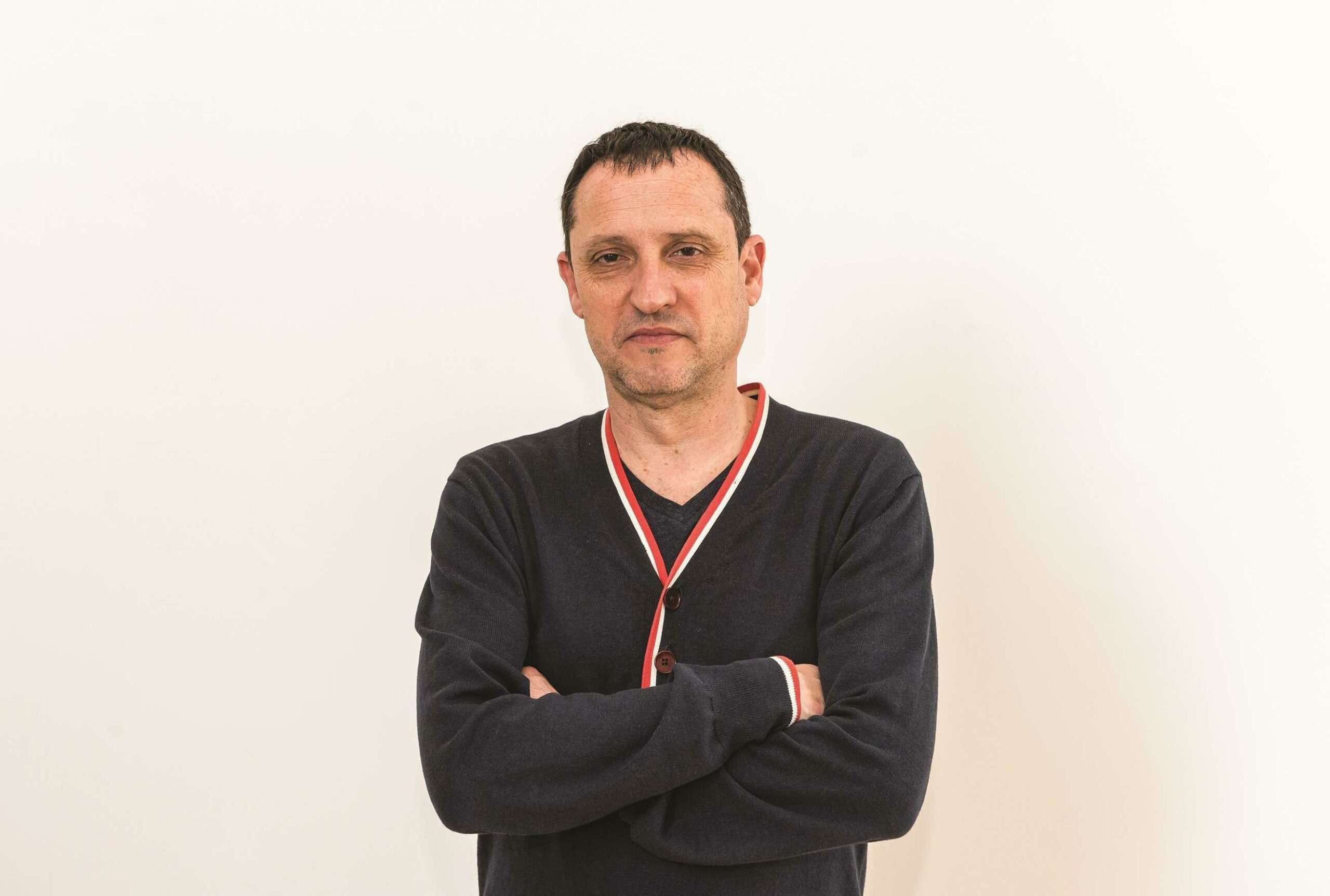
APM – Albert Salméron,
president of the Asociación de Promotores Musicales
Spain’s Asociación de Promotores Musicales turns 20 this year. Pollstar took the opportunity to speak to APM President Albert Salméron, about how the Spanish live business has changed over that time, and how it’s doing at the moment.
In 2020, two decades after a few promoters sat around a table to start an association representing their business, APM is one of the founders of Esmúsica, the new federation representing the collective interests of the music sector.
“This is a federation of several associations of music industry joining to have a unique voice: from independent to major record companies, artists, publishing rights, managers, venues and, of course, the promoters and APM,” Salméron explained. The official Esmúsica presentation took place Jan. 30 at Madrid’s WiZink Center.
Salméron started promoting shows and events himself in 1992, specializing in new genres like electronic music at first, and promoting the Spanish tours of acts like Daft Punk, Air, and St Germain. He booked the dance music and electronic tents of Spain’s first proper music festival, Doctor Music Festival, and continued to work as artistic director on several festivals after – from BAM in Barcelona to SOS in Murcia.
Salméron became one of the founders of APM in 2000. He was elected to the board in 2013, and became president in 2017. Since its foundation with 13 companies, APM has grown to 80 members and become a real voice of the Spanish live music business.
Some milestones over the past 20 years include the legal action APM took against the country’s performing rights collecting society SGAE over its high concert tariff in 2005. It took until 2014 for the Spanish competition watchdog CNMC to declare the practices of SGAE anti-competitive, and until 2018 for the Spanish High Court (Audiencia Nacional) to confirm this in a ruling. Meanwhile, even the Supreme Court has confirmed SGAE’s anti-competitiveness, and the collecting society was forced to reduce its concert tariff from 10% to 8.5% of a show’s box office. It’s still too high in APM’s view, which is why 2020 will be all about getting SGAE to agree to a better rate.
One of the industry’s biggest obstacles to success was overcome in 2017, when the cultural VAT was reduced to 10%. It used to be 8%, but almost tripled to 21% in 2012. The Spanish concert industry, alongside representatives of various other cultural industries, engaged in a five-year battle to bring the rate back down, and finally prevailed in 2017. As part of the protest against the VAT increase, APM had organized “A Day Without Music” on May 20, 2015, when most of the country’s venues closed their doors and didn’t program any concerts.
In 2010 APM started to publish its annual live music yearbook, which tracks business performance has become an essential and key publication in the Spanish music industry.
Concert data from 2019 hadn’t been sufficiently analyzed at press time, but expectations are high, seeing that the Spanish concert industry generated a record of euro 333.9 million in 2018. “What I can say is that it’s likely that 2019 was a good year too,” said Salméron.
According to APM data, the demand for concert tickets has been growing for years. “Every summer, media talk about a possible saturation of the festival market as we have a growing festival scene in Spain, but I think that we have still a place for some niche
proposals, and of course, not all but most of the genres are growing,” Salméron explained.
Spain has a strong domestic market representing many genres. National acts sell more tickets than international acts. “There’s a strong scene of national artists and they play lots of shows in every city and village around the country. International acts mainly play festivals and the main cities,” he said.
Like everywhere else, esports is a big topic in Spain. “In 2020 it will keep developing and increasing. It’s a young market with strong growth potential,” according to Salméron.
Promoting shows nowadays involves a great deal of risk taken on by the promoter – from guaranteeing the ever-increasing artist fees, to paying for ever-increasing production and security costs, to unforeseen developments that lead to the cancellation of events. Neo Sala, the promoter of Spain’s first proper festival, Doctor Music Festival, recently sold his business to CTS Eventim.
“It’s not easy, when was it ever easy? Of course, with a major partner, things are easier,” said Salméron, emphasizing there was still “a window for independent entrepreneurs to promote tours or launch new festivals, probably mostly boutique shows. Opportunities will present themselves, and when they do, you have to take them.”
FREE
 Daily Pulse
Subscribe
Daily Pulse
Subscribe
 Daily Pulse
Subscribe
Daily Pulse
Subscribe