
CAA’s Brian Loucks On Celebrating 40 Years At The Agency, Working With David Lynch & How He Created ‘A New Model For Being An Agent’
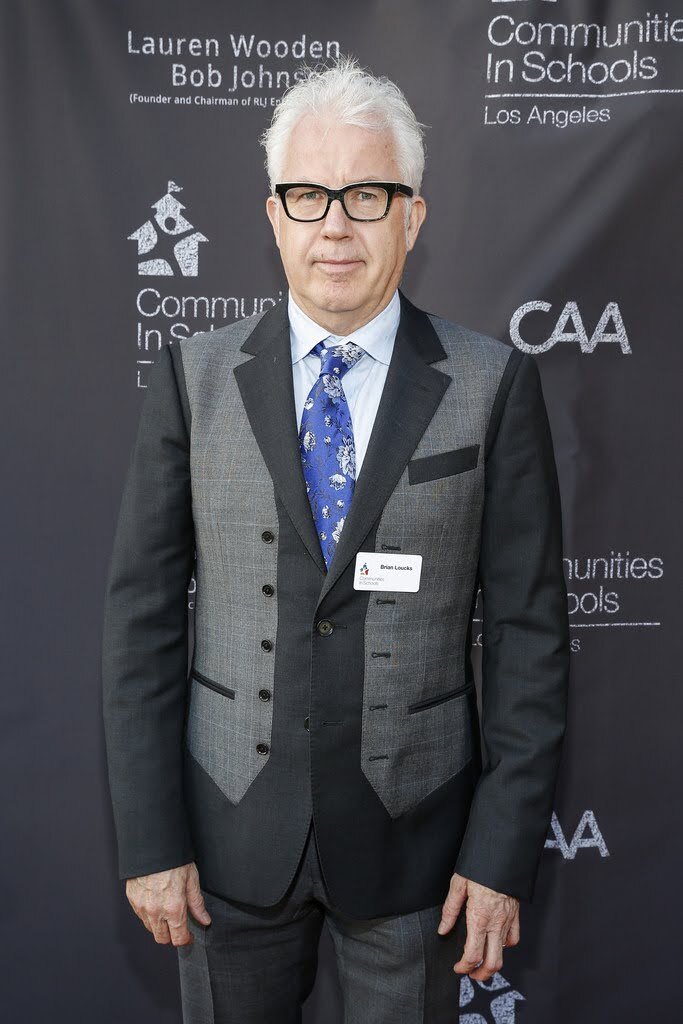
With Creative Artists Agency’s Brian Loucks recently celebrating 40 years at CAA, we thought the milestone was the perfect opportunity for an in-depth chat with the Music Crossover Agent about his incredible career, from teaming up with famed director David Lynch to projects he’s secured for clients such as Tim McGraw, Faith Hill and H.E.R.
Over the years he’s also represented artists including Daft Punk, Gorillaz, Lana Del Rey, Lykke Li, Maggie Rogers, Leon Bridges and Carrie Underwood among others.
Milestones during Loucks’ career include working with Lynch on the soundtrack to the cult-classic TV series “Twin Peaks” and hosting live-music performances in his living room in Studio City, California, prior to the pandemic known as the Living Room Sessions with acts such as John Legend and The Roots, My Morning Jacket, Yeah Yeah Yeahs and Maggie Rogers.
Loucks spoke with Pollstar in January, just a week before Lynch died.
“Brian’s impact over the years is nothing short of extraordinary. He has successfully defined the crossover space, setting the bar for service across the industry,” Rick Roskin, CAA’s Co-Head of Global Touring, told Pollstar. “He is a driving force behind our department’s success, embodying the perfect mix of creativity, passion, and a deep understanding of artists’ dreams & how to help make them reality.”
Pollstar: What does the milestone of being at CAA for 40 years mean to you personally?
Brian Loucks: When I first started, I never thought I would be an agent for 40 years and it feels like it flew by so quickly. So, it’s almost like I’ve had a really exciting career, but I don’t feel that old, right? You know what I mean? So it’s wonderful and I feel great and so blessed that I’ve had so long at CAA because I really grew with the company. When I started it was a tiny company.
Anything you wanted to share about what CAA was like when you first joined and your biggest takeaways about how the company’s grown over the past four decades?
When I was hired, I had to go to Mike Ovitz’s house and be interviewed by Mike Ovitz and Ron Meyer, who were the founders of the company. And Mike Ovitz was a very intimidating man and he tried to intimidate me but (laughs) you know, when I stood up to him, then he really wanted to hire me. And then I started the next day. .. So I used to get to go to the film meetings, which would be run by Ovitz and Ron Meyer. And then that is a fraction of the music department right now. So our whole movie department was so small compared to the whole company now [with over 3,000 agents]. I remember at that time there might have only been 36 agents.
You attended the University of California, Santa Barbara, majoring in history while making surf movies on the side. Can you share a little bit about how you made your way to ICM and got your start in the business?
I’m going to back up a little bit and I’m going to tell you a little bit more about my life because I think it helps define me. So, when I was in the second and third and fourth grade, I got sick a lot and so I missed a lot of school – and I read comic books, I watched movies and I listened to pop music and that was a richer life for me than my real life. And then in the fifth grade, I was in Mrs. Anderson’s class and she said we were going to write a play and perform it for the whole school and I wrote the whole play and I starred in the play and then I had nightmares – because I wore glasses even back then – that in the middle of the performance my glasses would fall out and there would be the biggest laughter ever at my elementary school and then I got so neurotic about and I go. “I don’t see how people could act, right,” It’s just too painful.
But Anderson told me that I had talent. And then in the sixth grade, I made “Lawrence Arabia” on Super 8. And then that was a hit in my neighborhood. And in the seventh grade, I made “Secret Agent Man.” So that’s kind of where I started getting used to making films. Then I became a surfer and then I only wanted to go to UCSB or UC Santa Cruz because I could keep making my surf movies.
My father was actually a rocket scientist and a physicist. So he was very academic and he was very proud that I got into UCSB because he thought, “Oh my god (laughs) he’s now gonna get a great education and have a meaningful life.”
And you know what? I started making surf movies. And I would show them to rooms of surfers and they’d be edited to rock music and I’d play them very loud and they would all be screaming their heads off and I said I have to go into the movie business.
So I think it was a fusion of all of those [elements of my life] and that crystallized what I want to do with my life. And then I came to LA and I went to every studio and I couldn’t really get a job. I saw on Variety that [studios] hired accountants and lawyers. So I thought it would be easier to be an accountant because all my roommates in college were going to go to law school and I go, “That takes forever” and I was in a hurry.
So I got a job at Bank of America and within three months I became a supervisor in charge of 56 people and – because I was just really trying to apply myself and get great business experience and then after several years they pulled me aside and they go “We have fantastic news for you” And I go “What’s that?” And they go, “We’re going to fast track you and make you a bank president.” (laughs) And I go, “I got this job to get into show business …”
What was your next move?
So I quit the bank and I went to a [temp] place and they said, “Hey, they need an accounting clerk at ICM.” And I said, “What’s ICM?” And they said, “That’s a big talent agency.” And I thought, “Oh my god, these are going to be (laughs) people that wear gold chains and call people baby.” (laughs) You know what I mean?
But I took the job because it was in show business. And the first day I looked in the ICM roster and they represented Francis Ford Coppola and David Bowie and I was like, “What!?” (laughs) And I was the biggest David Bowie fan and I was a huge Francis Ford Coppola fan.
And so, I’m there looking to get ahead and after six months, I got a meeting with the woman that ran [the agent training program] … And she said, “We would never take anyone like you to be an agent training because our agent trainers have gone to Harvard or Oxford.” … So I thought I needed to find a different route … if I could impress the people that run this company that I was smart, they would make me an agent. So I started doing coverage, which agent trainees did, and after I did my 12th one the assistants in the movie department started saying to each other he’s really smart if you get an important offer for a director or important star get him to do the coverage. And so I could just feel my credibility rising with the movie department.
And then after I guess I’ve been doing this for two years and I’m really getting to figure out the company and the head of accounting called me into his office and said, “Look, Jeff Berg has this little side company. He’s invested over $3 million. I don’t know what he’s doing, but I want you to do an economic analysis and if you do a good job, you could get close to him because he had just ascended to become the president of the company.” And he was optioning books to make into movies … He was hiring writers to write scripts to make into movies. … I do this analysis. I remember I went to a stationary store and I bought these really beautiful covers because I wanted to distinguish myself because it was the first time a little accounting clerk was going to send a report to the president.
I send it to him and three hours later his office calls me and goes, “Jeff, want you up here right away” And I’d never met him and I walked in and then he had the report on his desk and he picked it up and he goes, “I love this report. You should be chief financial officer.”
And I said, “Hey, there’s this jazz musician, Art Pepper. I know him and his wife. He’s about to die. I bet we could option his memoir for a hundred bucks. And I think Sean Penn should play Art Pepper.” He was like, “What? Give me the book.” And then I brought him the book. And then he said to me five weeks later, he goes, “You know what? I don’t think I could sell a jazz story, but bring me another idea.”
And so now I’m reading a zillion book reviews all the time. And if you found an idea that you thought could be a movie, you would have to call the agent that represented the motion picture rights and make sure they were available, then you still had to read it. So there were a lot of hurdles and leg work you had to do. So three months later, I brought him the first T.C. Boyle novel, “Water Music.” And he calls me the next day and goes, “I read 100 pages. This is fantastic. How did you find this?” And I go, “Do you think it’s a movie?” He said, “Look, this is set in Africa. It’s in the 18th century. This would be too expensive, but keep bringing me ideas.”
And then it was probably two weeks later and I’m just an accounting clerk. I don’t have an assistant. My phone rings and it’s a producer and he goes, “Hey, I want Jeff to option this book.” And Jeff said to talk to you and of course Jeff hadn’t told me anything. So I said, “Well, let’s have lunch. Walk me through your vision. Tell me how we could package this movie.” And then I could wear a sport coat and a nice shirt and I could look like I was a junior agent (laughs) and not an accounting clerk. And then I would listen to everything they said. I would read the material and then I would write a memo to Jeff.
So I guess in a way I became the head of acquisitions for ICM properties but this allowed me to develop a relationship with Jeff. And of course the whole time when I was UCSB I saw a zillion rock concerts, every band that played there. And when I came to LA I continued to see a ton of bands. And then my neighbor was in a punk band so I saw the Sex Pistols, I saw the Clash four times, the first time Talking Heads played L.A., the first time Television played L.A. I just loved music.
And then in 1977 I saw this movie “Sorcerer” and it had the score by Tangerine Dream and I thought that was so fantastic because it was like a modern electronic score to an action movie. And I [thought] this is the way the film should be. I mean, traditional composing, that’s fine, but, this really spoke to me.
And so now I’m continuing to get closer and closer to Jeff and I asked him for a meeting and I know he’s probably thinking I want to ask if I could be a motion picture agent or an agent trainee. And I said, “I want to be a new kind of an agent.” And he goes, “A new kind of an agent? What are you going to do?”
And I said, “I’m going to get pop stars and rock stars to be in movies, to do the title songs for movies, to score movies. They just started this thing called MTV. I want to get a bunch of young directors and put together low-budget movies that rock.” He was like, “And he goes, you’re gonna start a new business for us. I don’t know what you’re going to do, but you have an expense report and I’m going to put you in the music department because it seems you’re going to be working with music artists.” So, I felt like from the get-go, I was able to be inventive, disruptive and create a new model for being an agent.
And it was a very fertile time because some stuff I did worked and some stuff I did didn’t work. But the first two clients I signed were Tangerine Dream because of course they had scored “Sorcerer” and Thief and Bria Eno. And I still represent Brian Eno to this day.
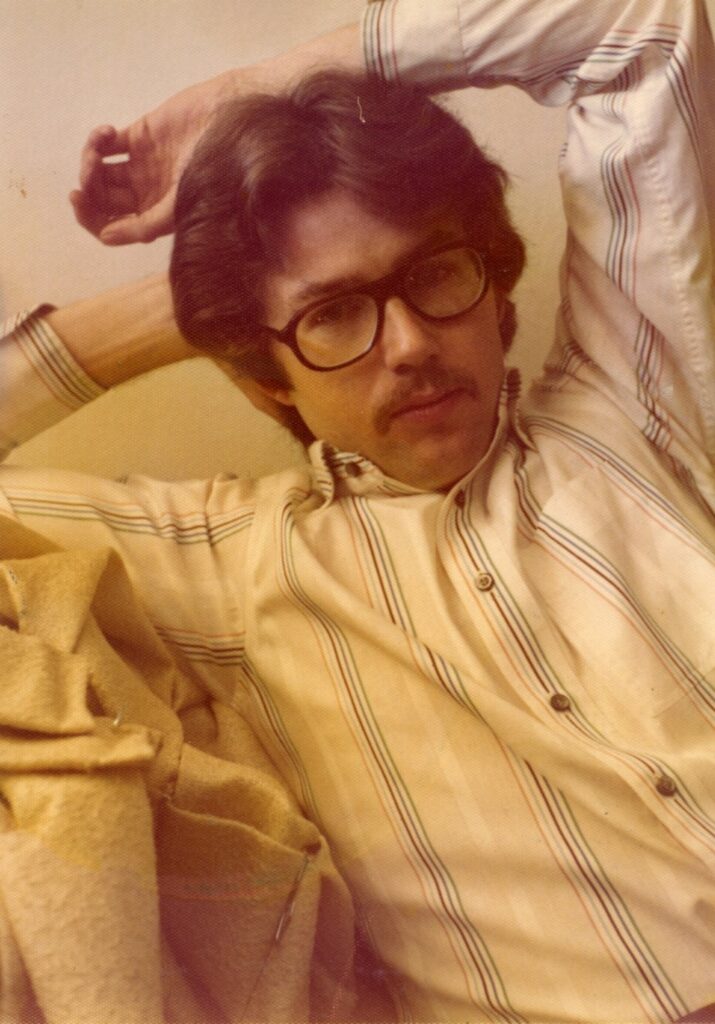
And then I got Wynton Marsalis and I got Ryuichi Sakamoto and I got Herbie Hancock. I developed a high profile really quickly because I was this new agent with these new kinds of ideas. Music videos were becoming important and … soundtracks were exploding. And what I was talking about really appealed to artists, to managers because they were like, “Hey, we would like to use this to help further our career and expand our base.” Within two years I got offers from seven agencies and the one only one I was really interested in was CAA because they were ascending so fast and they were taking ICM apart. And then that’s how I came here.
When you joined CAA, what was your first role?
They just asked me to do exactly what I did [at ICM]. And I’ll just tell you it was pretty soon after I got to CAA a lawyer said, “Hey, I represent this record producer. He’s worked with Giorgio Moroder. He scored “Beverly Hills Cop. He needs an agent. you need to make a deal for him at Paramount.” And I go, “Oh, OK. What’s the name of the movie?” And he goes, “It’s Top Gun.” So, I made the deal for Harold Faltermeyer to score Top Gun. And at the time, CAA represented the band ‘Till Tuesday, which is where Aimee Mann came from. I got ‘Till Tuesday the offer to sing “Take My Breath Away” and then we also represented Corey Hart and I got him the offer to sing “Danger Zone.” So to the music agents that this was amazing (laughs) but both artists turned down the songs because they didn’t write it right. mean and so to call Jerry Bruckheimer and have to say no twice was not good. And then they ended up being mega hits with other artists. But I think then at least I had Harold Faltermeyer and I was in that. And then I think to the music agents then they thought, “Wow, this is a great addition. This is very helpful to have him to help sign artists, to help service artists.”
It’s pretty amazing that you basically invented this new way of being an agent, so many decades ago. And you just had so many different ideas.
So I would also have to say that I think that being a creative person really helped me because a lot of it was being creative and I think looking at movies because I remember when I could go into an editing room and you were look going to talk about songs and I could say to the editor, what, start the song 5 seconds earlier in the scene. They would do that and then the director would go, “God, it works really good.” And that was because I had always edited my movies to rock music. … You get kind of [an] instinct because film has a rhythm and music has a rhythm and you’re just trying to go, how can we sync it up to make it the best.
Can you talk about the Living Room Sessions you’d host at your house? How did that get started?
I was always talking to music people and they wanted to get their music into movies and I was in Nashville and I was talking to Keith Urban and I said, “Hey, I know you’re going to be out in L.A. I think you’re playing the Greek. You have an off night. How about you come and play in my living room and I’ll invite a bunch of music supervisors and music department heads.” And he goes, “Oh my god, I’d love it.”
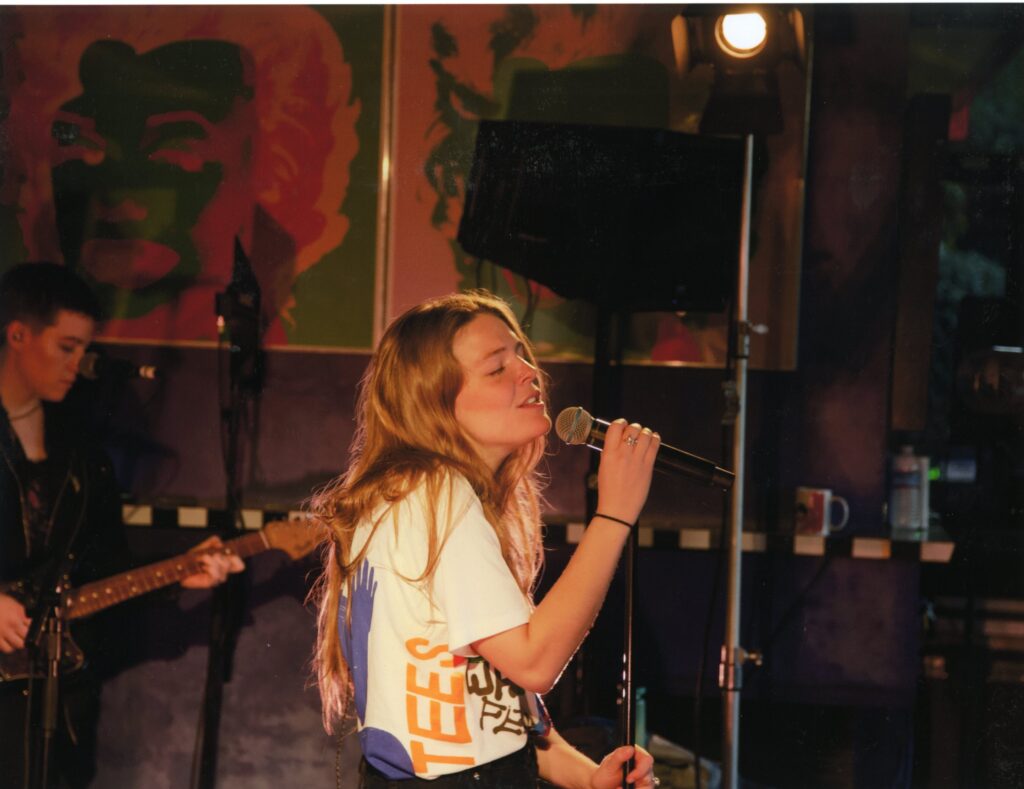
So, he brought his guitar player. So, they both had acoustic guitars. They played in front of the fireplace.And I just bought a few six-packs and a few bottles of wine (laughs) and a few bags of chips. And within 10 minutes, the chips were gone. And I was like, “God, I didn’t buy enough.” And there was only 35 people, but they all sat on the living room floor. It was a wood floor and they watched them [play] and there was something very authentic [about it]. And then everyone that came went, “That was awesome. That’s great.” And I was like, “Really?” And so then I did a few more small ones and then I was involved with signing The Yeah Yeah Yeahs. And then the Yeah Yeah Yeahs did it and then that was a huge one.
Right after the Yeah Yeah Yeahs did it Florence and the Machine did it. It was on her very first tour and she had played Coachella on a Saturday afternoon at 3:00 and it was very windy and she had a terrible performance. Now this is the Tuesday after and she really feels I was a dud in L.A. so I think she thought “I’m going to redeem myself.” (laughs) She sang her heart out that night. I mean, she was incredible.
And then I think it was that I had two very important indie bands that suddenly the music business was like “What is going on there?” I will be honest, I always felt like when I did those shows it’s like a little boy making a Super 8 movie because I do a lot of stuff with the lights, I art directed my garden. And then after that I had so many amazing shows. John Legend with The Roots together. Common, My Morning Jacket, John Mayer, Tim McGrath, Carrie Underwood, Annie Lennox, Sarah Mclaughlin. And I think the thing is all the artists and their managers said, “That was one of our favorite shows of the tour.”
I never had lights in the artist’s faces. And I made the people inside sit on the floor. I have a wall of glass because it’s a mid-century house. So the people that are outside looking in really can see it and hear – and the artists can really feel the audience … that they’re with them. And we bring in a great sound system so it sounds great.
Sounds just like such a special experience. Did any deals happen because of the Living Room Sessions?
Everyone I had already had a record deal and pretty much like a buzz. I remember when the Yeah Yeah Yeahs did it, there was a music supervisor and said, “Hey, I’m working on this movie. I want this song.” And then I [said], “OK, let’s go talk to Karen O right now.” And then we just walked around the room. And then Karen O agreed for it to be licensed.
And when I had a young Maggie Rogers do it, I invited Lauren [Neustadter] who is President [of Film and Television] at Hello Sunshine and her husband was the showrunner and they were getting ready to start casting [the mini series] “Daisy Jones & The Six.” Lauren says to me, “Maggie Rogers is Daisy Jones. What do we do?” And I go, “Let’s talk to Maggie.” And we walked over and we ended up talking to Maggie. And then the next day we sent Maggie the script. Maggie was in the middle of touring but auditioned and it came down to Maggie versus Riley [Keough]. Lauren said, “Look at if I get Maggie I’ll have better song performances. I’m sure with Riley we’ll get better acting performances.” And so they gave the decision to the director, because Maggie had never even done something and this was a lead role. [Although Keough got the role] I think it was a great experience for [Rogers].
Another milestone in your career was your involvement with the soundtracks for David Lynch’s cult-classic TV series “Twin Peaks.”
When [David Lynch’s 1986 film] “Blue Velvet” came out I saw it four times. I love “Blue Velvet” and I started calling David Lynch every week. And after three months David Lynch said to me, “Brian, you’re driving me crazy. We’re gonna have coffee and then you’re going to leave me alone.” So, we had coffee and he goes, “It’s great to know you’re a super fan. I don’t know what movie I’m making, so I don’t have anything to talk to you about. I need to figure it out” And then he called me six weeks later and he said, “Hey, can we have coffee again?” And then I was just like, “God, I knew he would love me. I knew that.” (laughs) And then he goes, “Brian, I have something really important to ask you.” And I go, “What?”
He goes, “I sold my two new scripts to date to Dino De Laurentiis, who produced “Blue Velvet” and I hate his guts and I can’t make the two movies that I want to make. So, I have a really important question to ask you, Brian Loucks.” And I said, “What’s that?” And he goes, “Do you think I could make a record?” And I go, “You’re David Lynch. Of course you could make a record.” And I had never reached out for a record deal, but I went out and I made a record deal for him at Warner Records. And then he made this album with Julee Cruise. And then right after that, he came to CAA. And I was one of the agents that helped sign him. And then we sold “Twin Peaks” and we took the vocals off one of the tracks and that became the theme song for “Twin Peaks.” And then he won a Grammy for best instrumental.
So all of your bugging him was worth it and it all worked out. That’s great.
What’s funny is I’ve maintained being really good friends with him forever and I’ve had Lykke Li work with him. I’ve had Karen O work with him. I’ve had numerous music artists meet him to do collaborations and about five years ago he got an honorary Academy Award. So I get an invite … and they gave [honorary Oscars] to Lina Wertmüller and Geena Davis and everyone that gets [an honorary award] has a table of 20 people and the recipient does the seating chart. So me and my wife go and we’re sitting right with David and his family and at the end of the tables was Naomi Watts, Kyle Mclaughlin, his producer. (laughs) I felt like I was in the inner circle, you know what I mean? I’m part of his family. And I just felt so honored and blessed that he looked at me that way.
You’ve worked with so many artists over the years — any projects that you’re especially proud of?
I would like to talk about my relationship with Tim McGraw and Faith Hill. Because I remember on a Sunday afternoon having lunch with Tim and Faith at their hotel and we had gotten an opportunity for Tim to audition for [the 2004 film] “Friday Night Lights” and I said, “Hey, we need to set up this audition for you on Monday. And Tim goes, “We’re flying back to Nashville tomorrow. I don’t think I can do it.” And then Faith goes, “Tim, you got to get in there early, right?” And I go, “Look. Why don’t you meet him in the morning? It was just a meeting with [film director, producer, and writer] Pete Berg.” And he goes, “If you set up coffee with Pete Berg I’ll do it.”
So, we have a meeting with Pete and it goes well and that leads to him auditioning and he worked like he did multiple sessions with a coach and when Pete saw the audition he goes, “Oh my god, he’s amazing.” And then I remember when there was the very first screening of the movie and it was a rough cut and it was me, Faith, Tim and Billy Bob Thornton. And Faith and I were crying because Tim was so great in that part. And then Tim said to me, “Do you think I can act?” And I go, “You’re a natural. You’re great.” And so I got him numerous acting things.
And then when [actor, screenwriter, director, executive producer] Taylor Sheridan made [the 2017 film] “Wind River,” I said, “Tim, you gotta see ‘Wind River,’ you gotta work with Taylor Sheridan.” And the next thing he made was “Yellowstone.” And every time Tim or Tim and Faith played Salt Lake, I invited Taylor to go see them. Because he used to live in Park City, he would always write me back, “I’m shooting in Wyoming, I’m shooting in Canada.” He never went to any shows.
And then it was probably four years ago, he called me and goes, “Give me Tim McGraw’s cell phone number.” And I called Tim and I go, “He’s going to ask you to be in Yellowstone.” So then he said, “Hey, I want you to be in Yellowstone.” He goes, “And hey, I created a wife for your character. Do you think Faith would want to do it?” And they just worked three days. And then Tim said to me, “God, that was one of the best times I’ve ever had on a show. And I so connected with Taylor.”
And then they were starting Paramount streaming and [Sheridan] said, “Hey, I have this idea –what about this kind of prequel to ‘Yellowstone,’ which would be based on the Tim and Faith characters or the great grandparents.” So then Paramount+ said, “OK, we’re ordering [“1883”] for series.” … Taylor wrote an incredible script and there were great parts for them.
What’s key when finding the right fit for a music artist as far as helping expand their careers with film and TV roles? Does it come down to instinct? Anything you can share about that?
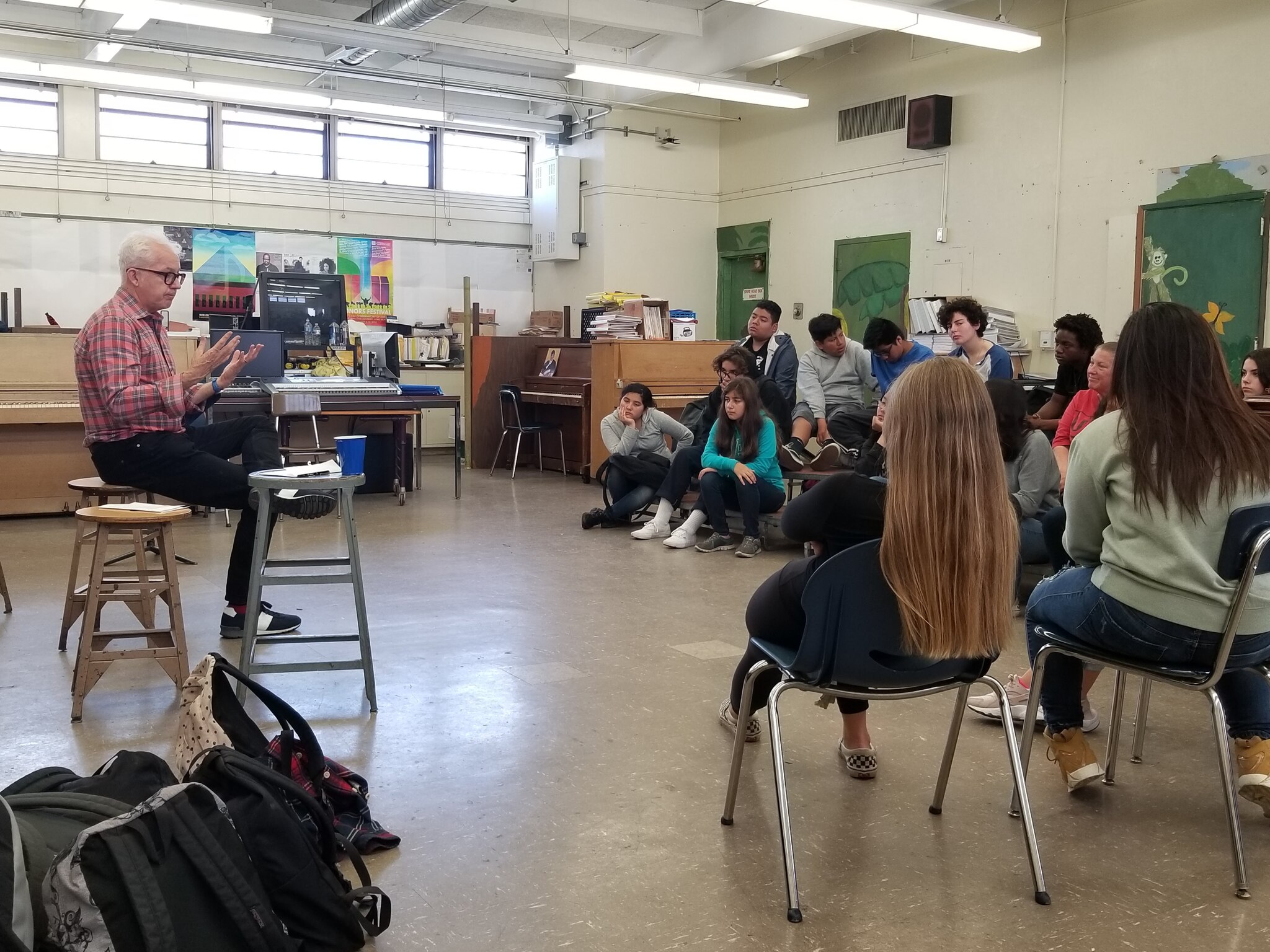
I would say if a music artist gets the right acting role, right, and it’s the role that really suits them and their personality, it doesn’t have to be their persona, but it could just be explosive, you know what I mean, in how it breaks open the artist. It doesn’t necessarily have to be a gigantic movie. It can be an A24 movie, It can even be like a small role in a Showtime series or a Netflix series just where they can score and show who they are. Because it’s not radio, it’s not streaming, it’s a different look and it just brings in a bigger audience.
When I did the deal for LeAnn Rimes to do three songs for [the 2000 film] “Coyote Ugly” she broke in Asia. And country was always like a North American format. And even today she can go tour the Philippines and Thailand from having her songs on that soundtrack.
That’s a great example. Do you think it’s more important now than ever for artists to break into film or have these other aspects to their career? Have you seen that grow even more and more over the years? Right.
Not every artist has the DNA to act. Some feel very uncomfortable doing it, some feel uptight and others are a natural and can just do it. It’s funny, some of the shyest people can be the most incredible actors. It’s like can they let go of themselves and become like this other person? And the only way [to find out] they really got to try it and see if it works. … So, the one thing is if you find an interesting role to have them just rehearse, then they can say, “You know what, I just can’t do this. This isn’t in my DNA.”
I’ve gotten Lana Del Rey a song [in the 2013 film “The Great Gatsby”] which she had a great time doing. And we get many incoming requests for her to act. So many people want her to be in movies and we forward all of them to her and she never responds. And I remember once having lunch with her and she said to me, “You know what? I’m the happiest when I’m in the studio writing and creating.” So, I just think she’s someone with a really strong vision. I think she has an incredible presence; I think she’d be wonderful as an actress, but she’s just not ready to go there yet. Because the thing is, when you’re in a film or TV, you’re a higher gun. You know what I mean? When you’re writing and producing the album, you’re the artist and you’re in control of everything.
That makes sense. It’s a totally different experience. Any other tentpole moments in your career that we haven’t discussed that you wanted to talk about?
I would just say a lot of times, you do stuff and you don’t know how it’s going to turn out. And probably 20 years ago, I made a deal for Brian Eno to score a documentary on the Apollo program. And then it was probably four years ago, I was in England and we were having lunch and then we were at his house and he came out and he had a letter from NASA saying that they had just named a star after him. And I go, “It must be because you scored the Apollo movie.” And he goes, “That’s the only reason they even know who I am. Thank you for getting me a star, Brian Loucks.” You don’t have an artist say that to you every day.
What’s one of the most recent projects you’ve secured for your clients?
One of my friends is producing a documentary on Curtis Mayfield [“The Makings of Curtis Mayfield”] and he said, “Hey, I’m looking for someone to be a host and that could direct it.” And then I go, “What about H.E.R? When she won the Academy Award [for Best Original Song For “Fight For You” From “Judas And The Black Messiah”] she gave a shout out to Curtis.”
So, I made a deal for her to be the director and host of this film. … And it’s going to [premiere at] South by Southwest. She’s very excited. And I said to H.E.R. when I brought the offer, I go, “… You’ve acted, but for you to direct, I mean, that’s just really expanding your creative capacity.” And it’s a film that was about a story that she was incredibly passionate about.
[Last] spring, me and several of my associates signed composer Nicholas Britell who’s been nominated for three Academy Awards and scored “Succession.” Now with Nick, we’re working on him doing a play, possibly doing some concerts. I love to feed my music artists with ideas to help them do new projects.
After 40 years at CAA, what keeps you passionate about working in the music industry?
Hey, I mean I still love music; I still love movies. I watch a lot of TV. I listened to tons of new music over the [holiday] break. So I’m always making little mixes that I listen to myself, when I’m in my car, or when I work out. And so, I made an R&B mix, I made a rock mix, I made a singer-songwriter mix, I made a country mix over the break right just to keep up.
I‘ve heard you have a pretty impressive morning routine. Do you consider your routine key to your success?
What I do is very people-oriented. So I need to be very, very present. When I’ve read [fiction] and when I’ve worked out and I meditated, I felt like I’ve fed my mind and I’ve fed my body and I’ve fed my spirit. And then when I start talking to artists, they’ll go, “How are you, Brian Loucks?” And I go, “I am awesome.” [And they’ll say] “You’re always awesome.” Artists have their radar up high to life and they want their representatives to be strong and help lead them and help guide them.
FREE
 Daily Pulse
Subscribe
Daily Pulse
Subscribe
 Daily Pulse
Subscribe
Daily Pulse
Subscribe