
Earth Day: WNBA, NFL, MLB & Paralympics Athletes Join Team Ocean (Athlete POV)
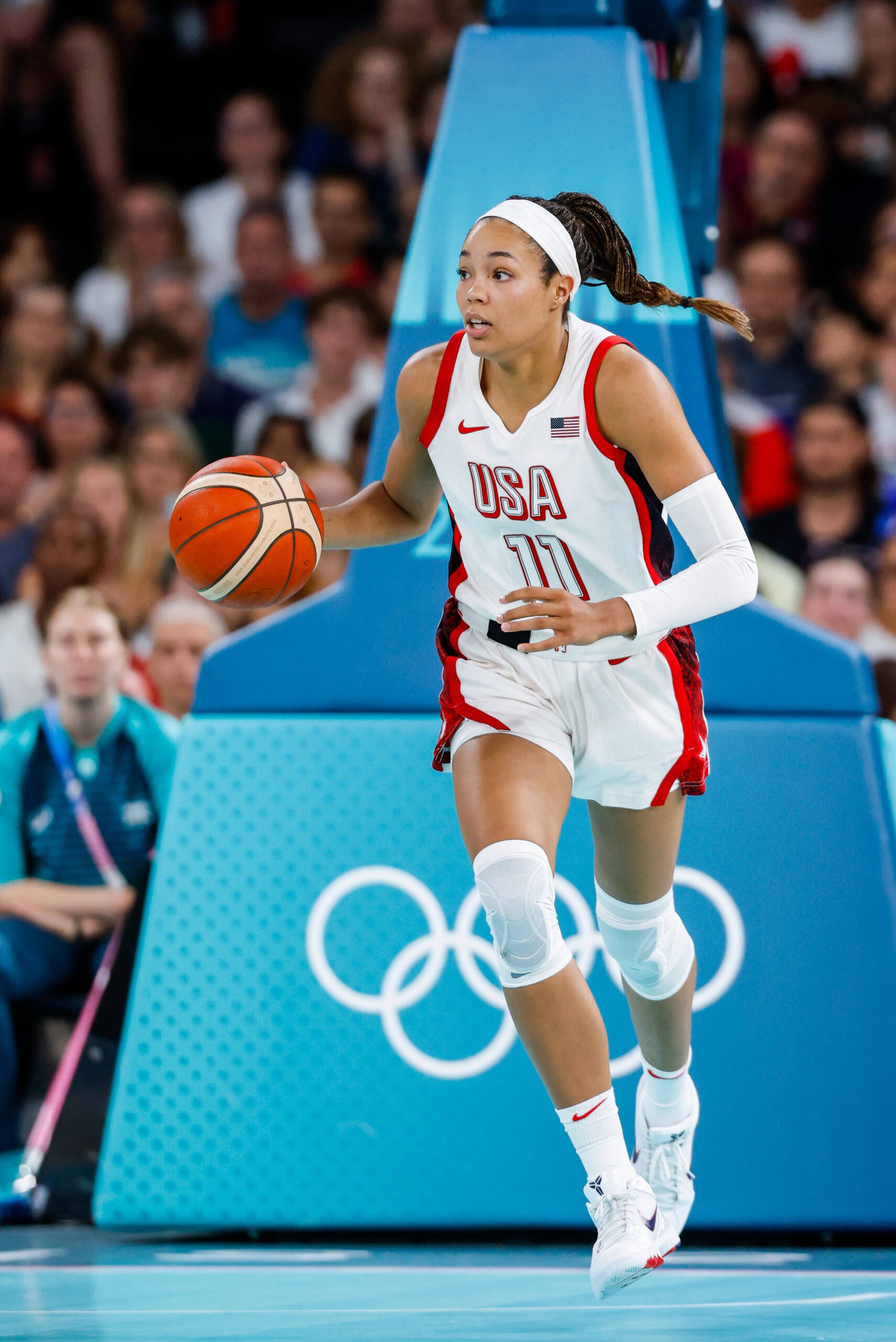
Washington, D.C.-based environmental advocacy nonprofit Ocean Conservancy is recruiting sports and entertainment fans to protect the future of the planet through the nonprofit’s new Protect Where We Play initiative. The program leverages the reach and popularity of professional athletes and artists to mobilize fans to support the ocean.
Captaining Team Ocean are WNBA All-Star and Olympic champion Napheesa Collier, offensive tackle for the NFL’s Arizona Cardinals Kelvin Beachum, MLB Cincinnati Reds’ pitcher Brent Suter and Gold-medal track and field Paralympian Ezra Frech.
“I want my daughter – and everyone’s kids – to be able to enjoy the same sports that have brought me so much joy and success,” said Collier. “And that’s not something we can take for granted – all of us need to work together. It doesn’t have to be scary – sports have incredible power to bring people together, and there is no bigger reason for us to come together than to save the things we love.”
Rising temperatures and extreme weather conditions have had a direct impact on the live industry. Hurricane Milton shredded the roof of Tropicana Field, home to the Tampa Bay Rays, while Hurricane Helene destroyed Salvage Station music hall in Asheville, North Carolina. Wildfires forced the postponement and relocation of multiple sporting events and concerts. The ongoing climate threat to venues – and the teams and headliners who depend on them – makes the issue personal.
According to a 2023 survey conducted by World Athletics, 77 percent of athletes believe climate change had negatively affected athletics, and 83 percent said they were either extremely concerned or very concerned about the climate crisis.
“For me, this really comes down to my kids,” said Suter. “My wife just had our third child, and my eldest is just learning to love the game of baseball. Regardless of whether he follows in my footsteps as a pro, I want all our kids to be able to enjoy the game that has given me so much, and I think that every athlete would want the same thing. We can all see that the impact of extreme weather on sports is getting worse – whether that’s hurricanes, fire or heat.”
“I’ve dedicated my life to making it possible for more people to participate in the sports that they love,” added Frech. “And that means ensuring that we all have safe and healthy places to play. The recent L.A. fires affected me deeply – so many of my friends lost everything. It’s important that we all do everything we can to reduce the impact of extreme weather events – and the ocean is a powerful place to start.”
The Ocean Conservancy, which is led by CEO Janis Searles Jones, is mobilizing concerned sports figures and artists as a way to engage a broader network of fans.
“The data tells us – and this is true in the U.S. and also internationally – the reason people don’t take action for the planet is that it’s politically scary to do it. And that’s more true in the U.S. – and it was really true last year and is even more true now,” said Jenna DiPaolo, Chief Brand and Communications Officer for Ocean Conservancy. “The biggest barrier for Americans is that it is politically daunting.”
According to DiPaolo, the other reason Americans aren’t taking climate action is “that no one that they trust is asking them to do something specific.”
Ocean Conservancy had made inroads in the sports and entertainment industry including being a nonprofit partner at the 2020 Super Bowl, but one-off events weren’t the answer for systemic change.
“We wanted to do something very different for a nonprofit and develop a long-term, sustained engagement campaign that utilized the sports and entertainment industry with the biggest reach you could possibly have,” said DiPaolo. “So, with that experience and these data points, we built Protect Where We Play, which essentially has the easiest ask and the lowest barrier of entry to take an environmental action.”
Once someone joins Team Ocean either online or through social media and supplies an email address they are sent a welcome kit with steps they can take to help eliminate plastics and protect sea life – whales, turtles and birds – from signing a petition to participating in a beach cleanup.
“People don’t want to see a turtle with a straw up its nose,” explained DiPaolo. “No one wants to see plastic on their beaches. So, it is very easy for Americans to take those type of actions that aren’t seen as political.”
The information is actionable, vetted by the Ocean Conservancy’s science team and designed to have the biggest impact – reducing plastic, investing in clean ocean energy and protecting biodiversity including coral reefs.
Through Earth Day on April 22, Protect Where We Play will be the title sponsor of the EcoAthlete Collegiate Cup, uniting hundreds of student-athletes across 28 U.S. college campuses to raise funds for vital coral restoration projects. From June 10-12, as the official ocean health sponsor, Ocean Conservancy’s Protect Where We Play will sponsor the Green Sports Alliance Summit in Miami. The nonprofit organization is also partnered with GOAL, Sports for Nature and 17 Sport.
“The sports and entertainment industry has actually taken a lot of really positive strides in terms of sustainability,” said DiPaolo. “The piece that we hope to add to that – that we hope is complimentary with Protect Where We Play – is that it’s fan facing. It’s meant to be a big tent so that all the work the industry and individual venues are already doing can be told within the Protect Where We Play framework. …That’s a value add for the industry to have that fan-facing piece.”
FREE
 Daily Pulse
Subscribe
Daily Pulse
Subscribe
 Daily Pulse
Subscribe
Daily Pulse
Subscribe