
CAA’s Jared Martin On Rock’s Renaissance & How The Genre Is Bringing Together Generations Of Fans
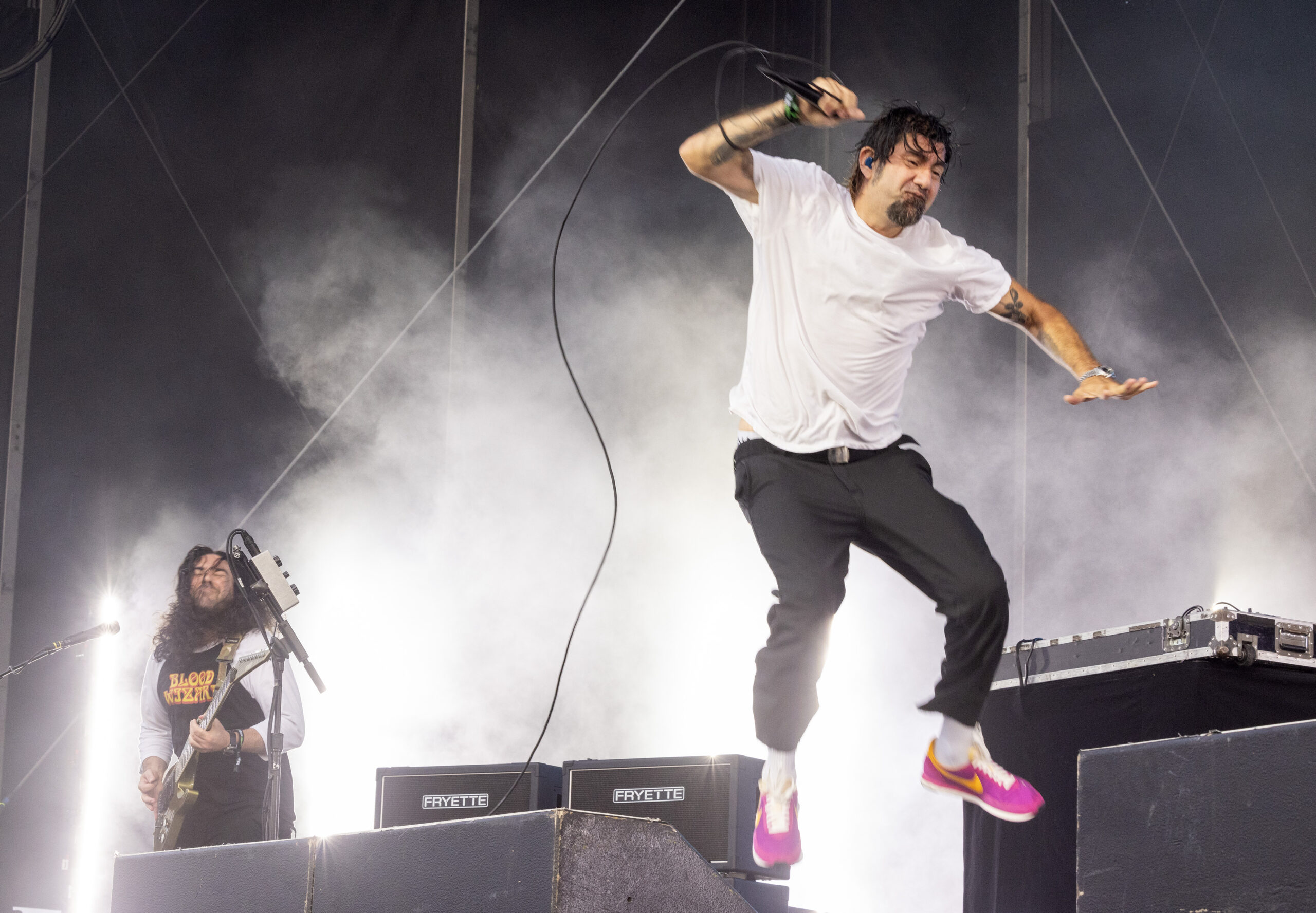
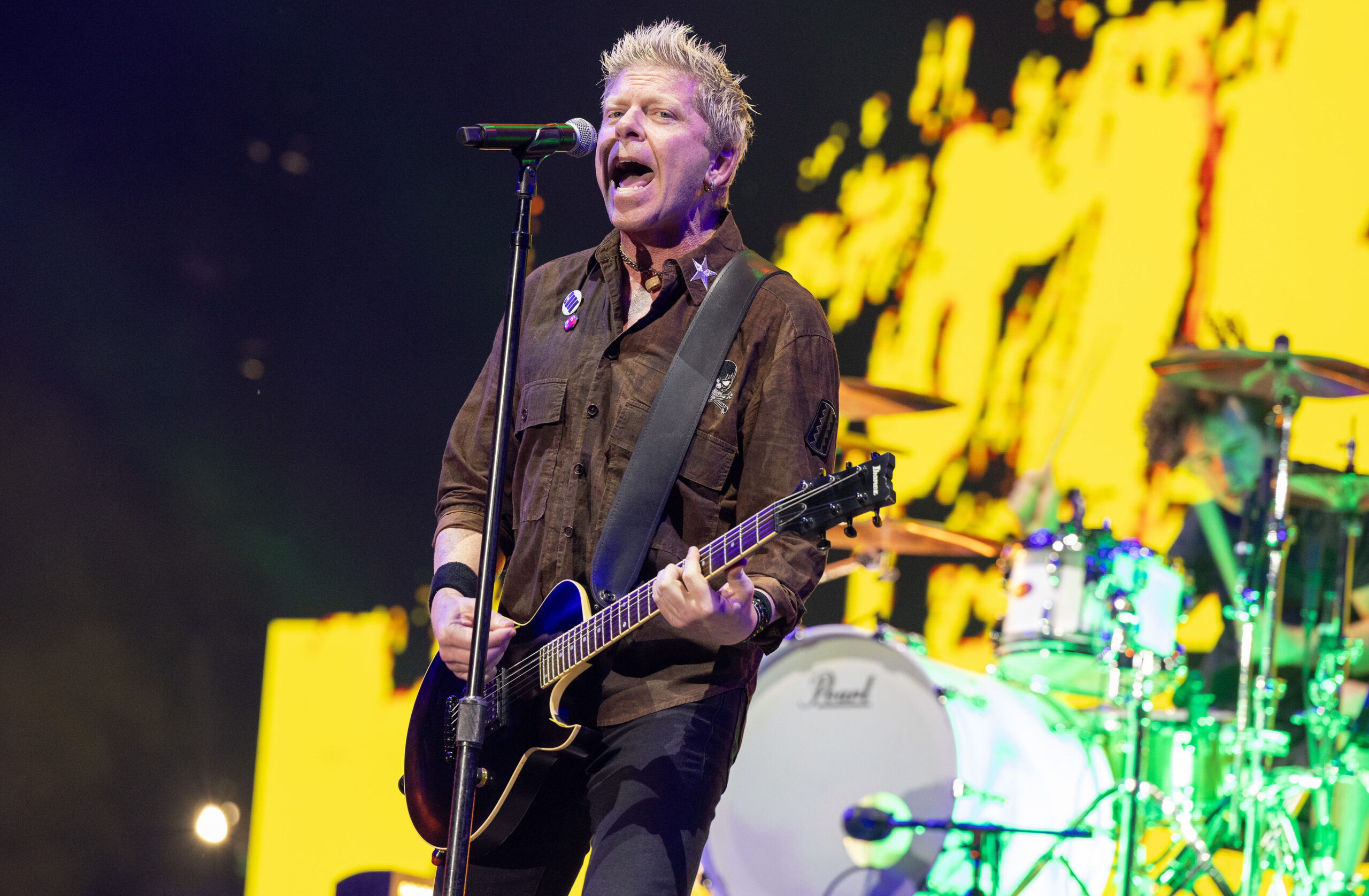
Rock is alive and well, and in many cases, long-established acts are doing better touring business than ever. And that goes for many variations of the genre. Take the roster of Creative Artists Agency Music Agent Jared Martin, for example, which includes alternative metal titans Deftones, who have North American arena dates booked through September, and stalwart punk rockers The Offspring, who are playing amphitheaters and arenas across North America this summer, followed by an arena tour in Europe.
Martin caught up with Pollstar to chat about how nostalgia is helping drive ticket sales, as well as how TikTok is helping attract new fans and the importance of a great package tour.
After joining CAA in 2007, Martin was promoted to agent in 2013. He also represents 311, Against Me!, Alice Cooper, Alice in Chains, Artikal Sound System, Asking Alexandria, Bad Omens, Bad Religion, Blame My Youth, Breaking Benjamin, Brian Fallon, Counting Crows, ††† (CROSSES), Cydeways, Danzig, Dylan Cotrone, Flogging Molly, Good Charlotte, Iration, Iron Maiden, Jerry Cantrell, Kim Dracula, Laura Jane Grace, Mudvayne, Olivia O’Brien, Petey, Rob Zombie, Simple Plan, The Academy Is…, The Black Crowes, The Darkness, The Distillers, The Gaslight Anthem, The Misfits, The Scarlet Opera, The Used, Tom Morello, and Yungblud, among many others.
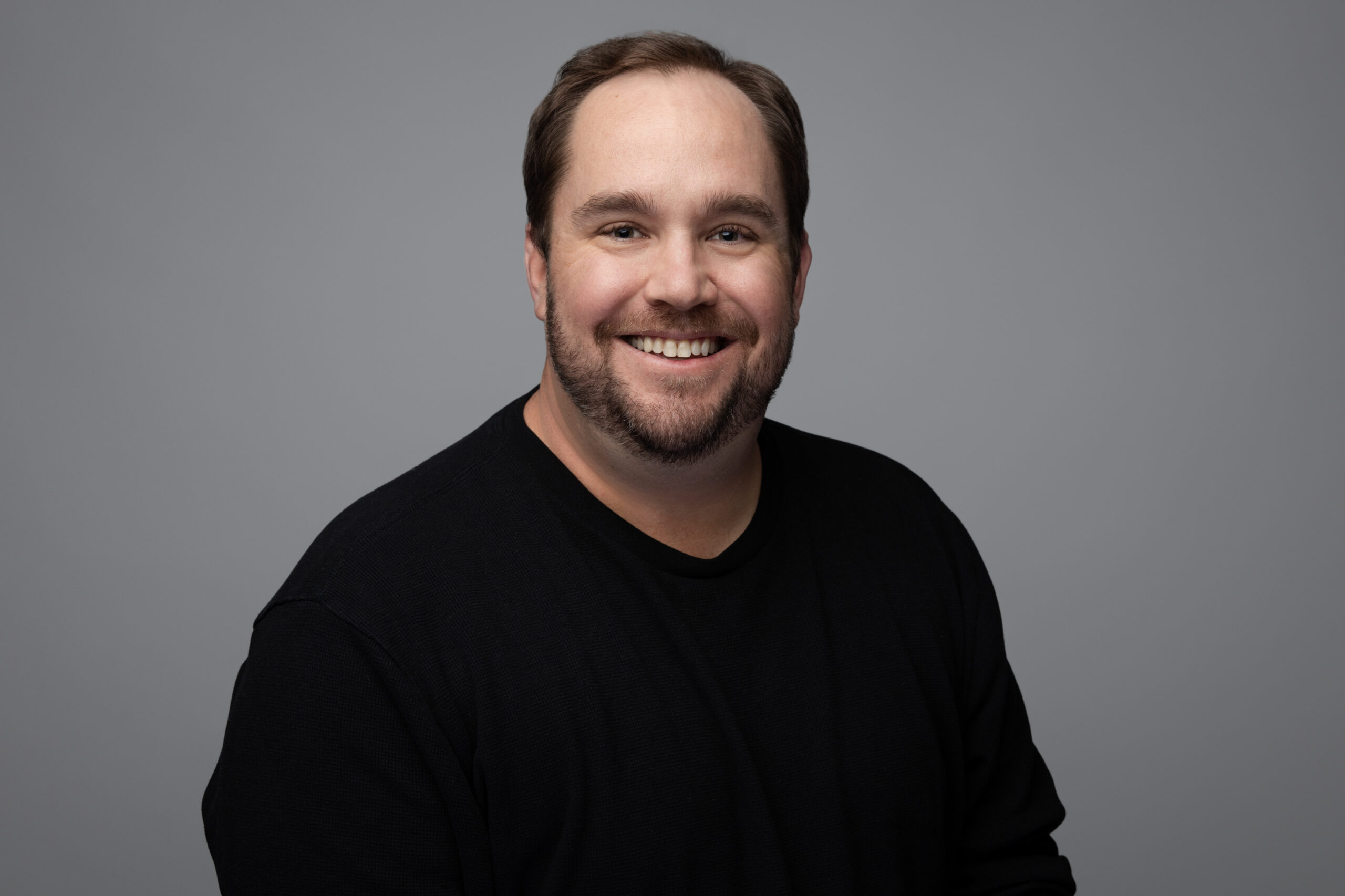
Pollstar: A lot of your clients fall into the rock genre. What sort of music did you grow up listening to? Was it along the same lines as the band you’re working with?
Jared Martin: Yes, I’m a product of the Warped Tour generation. And so I spent my childhood growing up going to Warped Tour every summer, multiple days of the tour. And also, there was a club in Orange County that a lot of these pop punk and hardcore bands kind of grew out of called Chain Reaction, which was somewhere I spent multiple nights a week when I was in high school and college. And the nice part about that is bands like The Used, Simple Plan, Bad Religion, and Deftones, who I work with today, were some of my favorite bands growing up.
That’s so cool that you’ve been able to have this full circle moment to be able to book their tours.
Yeah, absolutely. I was given some advice early on in my career to kind of own a scene, and I happened to choose the stuff I grew up listening to and was already an expert by being a fan of the punk rock, hard rock, and metal genres. And in turning that into my passion in business, it’s become really fruitful in terms of business in that I love these bands; I can bring a fresh perspective of somebody that was a fan of theirs in their initial rise to fame to then help guide them through these years in their career. A lot of these bands that came out in the mid to late 90s to early 2000s, they’re having some of their best touring years of their careers. And to get to work with some of my idols growing up is unlike anything I could have ever dreamed of.
As far as these bands who are having the best touring years of their careers, were there any specific acts from your roster that you wanted to dive into a bit more – and what’s contributing to that success?
I think there are a lot of contributing factors. To start, for the fans like myself – let’s use Deftones and The Offspring as an example. I’m about to turn 40 this year and I’ve been in the business for almost 20 years, and I think my peers who are not in the entertainment business that’s buying tickets to these shows probably spent their late 20s, early 30s getting their lives together, having children, buying their first homes and getting themselves set up in their careers. So, going to shows the way that they did in their teens and early 20s probably wasn’t an option in terms of time and financial resources.
And I think we’re seeing a lot of those fans that maybe went away for a few years are coming back in a big way because they have disposable income, being that they’ve probably solidified themselves in their career. Their kids are old enough to where either they’re coming to the shows with their parents, which we see a lot of, or the parents are able to find childcare to go out for a night with their significant others or groups of friends to relive something they did in high school — which is one thing I think is driving a lot of the success of these bands. And speaking specifically to Deftones, on top of that, they’ve also generated a whole new fanbase because they’ve had a lot of success with their songs being used for the soundtrack of TikTok videos. You go to a Deftones show and the fanbase is a lot of the people like myself and older fans that have been around for 30-plus years but also there’s I would say larger than 50% of the audience is new fans in their late teens to early 20s who’ve never seen the band before and are discovering them for the first time. Offspring is experiencing a similar renaissance in that same way of having the older fans come back out as they’ve got their disposable income.
But also, I’ve had this conversation with plenty of clients about how being a kid listening to your father’s music or your parents music was “uncool,” and I think that stigma around older acts has gone away, and fans are just gravitating toward what are great songs and great music from the past and not seeing it as a band that’s been around for 20 years because to them it’s a brand new band. So, not only are these acts getting their fans from their previous success, but also gaining new ones via the fact that I think music is so much more accessible than it’s ever been and people are discovering them on their own via whether it’s TikTok, Spotify playlist or other social media avenues that’s helping energize these bands’ careers in a way that we’ve never seen before.
My sister, who’s in her late 30s, actually just took my nephew to see the Deftones. So that’s kind of a perfect example, right?
Exactly. And The Offspring, we did a big tour a couple of years ago with Simple Plan and Sum 41. So you had three bands packaged together to make a night full of just great music that had a nostalgic edge to it. But we didn’t necessarily program it that way. We just programmed it as a night of great music, and that’s the way the show was sold.
I remember walking out with my colleague Daryl Eaton to the first show on that tour. We went up to the top of the lawn in the amphitheater, and you saw families and multigenerational groups of people out there to see the show.
Last year, I saw The Offspring headline one night at FEQ in Quebec, and they had such a huge crowd.
That was a highlight of their year last year. There was a lot of work coordinated between the band, management, and the promoter to get them that slo,t and it was a big win for them and something we look back on as a high moment for them.
As far as numbers go, I’ve heard that some acts are grossing more in ticket sales nowadays than they did at what might have been considered their peak. I wasn’t sure if that was in today’s dollars.
If you looked at one of these acts playing a headline show in an arena in the year 2000, your gross was probably $250,000 – our big tours in arenas and amphitheaters now are routinely grossing in the high six figures to low seven figures. So, just inevitably with the higher ticket price you’re able to charge these days not only are the attendance numbers at a level or even bigger in some cases than they’ve ever been because of the ability to charge a higher ticket prices, the grosses can be four, five, sometimes 10 times what they were when these bands had their first rise to fame.
And I’ll add, just in terms of the CAA roster, you have Green Day, blink-182, and Red Hot Chili Peppers, who were acts that all did amphitheaters and arenas in the past, but now are legitimate stadium acts. Green Day, I think, just did one of the biggest tours of their career in football stadiums; blink-182 did the same.
It seems like that old cliche debate about whether or not rock is dead, but there’s your answer right there. These acts are filling stadiums. So that’s pretty exciting.
And I would say it was funny to hear that being told by the business, when it wasn’t at the forefront of new music and what was coming out – but we were all working in this business still. These bands were still making a great living even when people didn’t recognize it at the mainstream level or the level that they’re at now. It’s great to see [these bands] make some of their wildest dreams and goals come true over the last few years, and just this resurgence of rock, or I should say this reminder that rock is not just in the shadows. It’s a big genre and very healthy.
I’d add — and I think especially in the last couple of years – we’re starting to see a lot of the newer acts become headliners as well, which we did not see in the 2010s. I’ve met with new acts recently that are openly saying that the bands we work with are their favorite bands and have been able to sign bands that way. And there’s a few that we’re really excited about.
There’s Amira Elfeky who’s out with Bring Me The Horizon this fall. There’s another band, Superheaven, that’s having a great run. So there are a lot of new acts that we’re seeing start to grow as well.
What about VIP experiences, is that a factor with the acts that you work with? Are you seeing more fans purchase the VIP experiences, or do the bands offer these at all?
I think in speaking to Deftones and The Offspring, they’re both offering VIP experiences that they never offered before. So that is definitely something. And I think another thing that’s helping fans come back out, we’re able to play venues that are a little more comfortable to go to for an older fan and even a younger fan. It’s easier to get people out to the arena because there’s usually restaurants nearby. There’s a night out you can make out of it as opposed to going into that dumpy black box of a club that maybe they’re used to playing.
Anything else you wanted to mention as far as what’s next for some of your acts?
I think the future for these acts is continuing to tour in a way that is compelling to keep the new fans coming and also satisfy a value proposition for older fans. And we do that by packaging. On a little different note, we have a Breaking Benjamin and Staind tour that’s on its second leg right now and doing sellout business. And definitely bigger than those bands have ever been. I think the key to that tour has been that you’ve provided two bands with a plethora of hit songs that provide a valuable night out for their fan base. And I think as we’ve grown the business for these acts, it’s important to sustain that level of business by creating value in your package, your ticket price, and making sure you don’t oversaturate the market. … Some other examples of that is we have Bad Religion and Dropkick Murphys going out together, which is a follow-up to this really successful Bad Religion / Social Distortion Tour. You have Korn going out this fall with Gojira selling out arenas in Canada. Deftones are going back out again, and that’s a great one that we have two newer acts [on] that are really hot right now – IDLES and Phantogram.
Another one that’s been really exciting is The Used are doing their 25th anniversary tour and doing some of their biggest headline numbers which the highlight of that tour is they sold out six nights at the House of Blue Chicago, which I think is the most anyone’s ever done in the history of House of Blue Chicago. So there’s just a lot of success in providing value for these fans and putting on a show.
Any recent signings to your roster that you’re excited about?
We’re really excited about The Paradox. They’re a band that has had some viral moments over the last 18 months. They just released a song, and they’re about to roll out their first album over the next year and have some great touring coming up. They’re an example of a brand new band that is playing music that sounds a lot like what I grew up listening to, and based on the reaction online, it’s resonating with both my generation of fans and younger fans. As we see the success of some of these acts that have been around for a long time, these newer acts can replicate that success because they’ll not only appeal to your average age for a new band, which is people in their teens and early 20s, but also potentially appeal to the older fan as well. Their music can speak to multiple generations, which I don’t think has ever really been the case in the history of the way that radio formats were programmed or the way people had access to music in the past.
FREE
 Daily Pulse
Subscribe
Daily Pulse
Subscribe
 Daily Pulse
Subscribe
Daily Pulse
Subscribe