
Ty Herndon Finds Inner Peace, Passes Torch With Final Concert For Love & Acceptance

Ty Herndon made history and headlines in 2014 as the first major male country artist to come out as gay. The following year, Herndon and GLAAD launched the Concert for Love & Acceptance as a platform for LGBTQ+ artists and their allies in country music to celebrate community and raise visibility for mental health, addiction recovery and inclusion in the genre. Now, Herndon is stepping down as host after the 10th and final concert on June 2.
During his career, Herndon charted 17 singles including three No. 1 hits between 1995 and 2002. His breakthrough, debut “What Mattered Most,” turns 30 this year and Herndon’s appreciation for the song title has deepened over time.
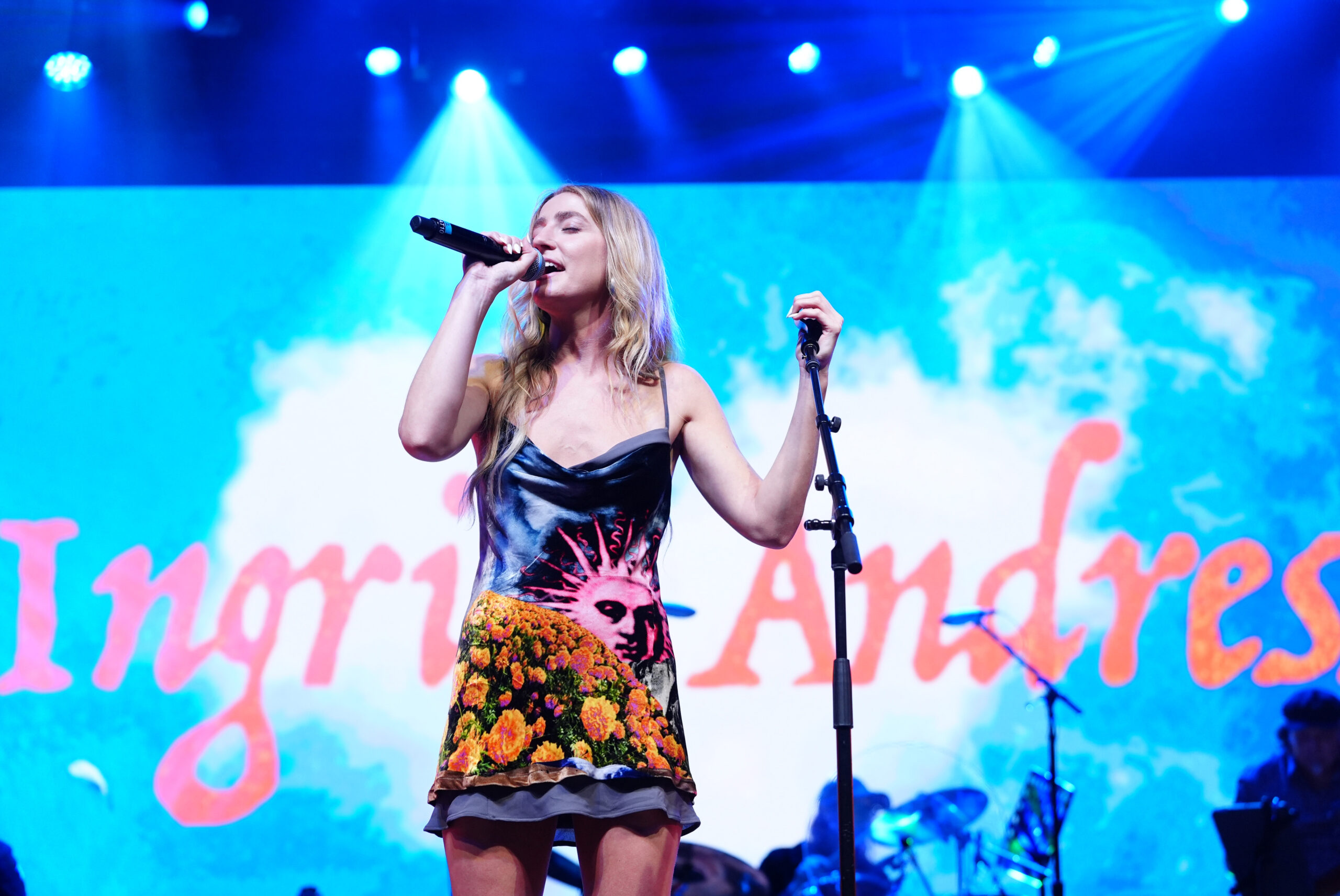
Following the final Concert for Love & Acceptance, which took place June 2 at Category 10 in Nashville also featuring Dash, Ingrid Andress, Lindsay Ell and many others, Herndon discussed coming out, the impact on his career and fans, gaining acceptance and finding inner peace with Pollstar.
Pollstar: What went into the decision to come out?
Ty Herndon: After long talks with my friend Chely Wright and a few more folks from GLAAD, I did my homework, and at the end of the day I was absolutely prepared to go do something else. I wasn’t going to let my life end if I couldn’t do country music anymore. That was the problem, for a long time I thought my life would end if I couldn’t do country music, and that caused me to build a lot of shaky houses that fell down. …For me, making that decision was the healthiest thing I could ever do.
Were you concerned about the stigma of being labeled the “gay country artist”?
I’ve never liked labels. I just wanted to be seen and taken seriously as the man and the artist that I am today: the family man, the artist, the Godly guy, the teacher, preacher, all of the above. That decision was integral for me. I give her a lot of credit but Chely Wright really helped me come to peace with the fact that it’s not a label. It’s not straight / gay: it’s just you and coming to peace with you first.
I teach this today to a lot of young people, that inner peace is going to make you a better artist, it’s going to make you a better minister, it’s going to make you a better songwriter, it’s going to make you a better teacher. It’s just coming home to yourself. So, coming out for me, was coming home to myself.
What was the reaction from your fans?
You know, they see you as a real person. They see you as a human being, beautifully flawed. I’m not talking about the gay thing. I’m just talking about dealing with your shit and being able to have a story to tell. Country music is storytelling, but so is life.
How have you incorporated that story in your music?
It’s been incredible to put my story into my music. If you go back and listen to all my albums, I’ve been telling this story from the beginning. It’s not something new for me.
Getting a Grammy nominated album [Journey On] for when I really started telling the truth about my faith and a song like “Lies I Told Myself,” where I didn’t believe? I’m pretty much screaming it right there. I think I was laying my own foundation: I would not only be able to serve myself and serve my higher power but serve others.
What was the genesis for the Concert for Love & Acceptance?
Once I found all the support I was getting from artists, the fans and the community – I’m sure there was a deep breath and I finally exhaled – but I had a moment to do something that mattered.
In Nashville at that time, a lot of queer voices weren’t being heard. There were incredible artists who were stuck in the corner and not being taken seriously. On the outskirts of the music business, not in the river where they belong. There is a river of creativity that runs through this town, and I tell people – gay, straight, whatever – if you want to be in it, you’ve got to jump in. There is no telling where that current is going to take you, but you’ve got to be your authentic self.
What was the response from the queer community?
I don’t think I knew the seriousness of it until we created this event. Seeing these artists, I say kids (I call everybody kids). To see these kids’ faces walking a red carpet and actually being taken seriously, and then up on that stage being loved to pieces and seeing people coming up to them after the show. It hadn’t happened before and we knew that first year.
Beyond the stage, the concert provides support for LGBTQ+ youth and mental health services through GLAAD, MusiCares and ACM Lifting Lives and in 2022 you created the Foundation for Love & Acceptance. Will the foundation continue?
I wanted to do something that was lasting and left a legacy. When I leave this earth, I’ll leave it to another artist to continue it for whatever the needs are. The foundation is doing well and we are going to continue that and do a lot of great things.
After a decade, how did you arrive at the decision to end the concert?
The reason, I think it’s really time with [LGBTQ+] artists like Brooke Eden and Sam Williams to hand the torch to them and see where they go with it. What I’m trying to say is I need to get out of the way and see some of these guys go further. That’s my heart.
You may be stepping aside, but I know you aren’t calling it quits. You are currently in the studio, so what’s next?
We need to come with more love. We are gonna finish these records and have a few big announcements this next year, and we’re gonna be taking something special on the road. We’re going to be handing out a lot of love and raising a lot of awareness.
So, how was it standing on stage at the last Concert for Love & Understanding?
There was a sadness that turned into such a fulfillment. It’s like a house you built with a damn good foundation. Everything I’ll be standing on in the future, the message started with this. That is the foundation we built. It cannot crumble.
FREE
 Daily Pulse
Subscribe
Daily Pulse
Subscribe
 Daily Pulse
Subscribe
Daily Pulse
Subscribe