
The Who’s Roger Daltrey: ‘I F***ing Hate Set Lists’ (The Pollstar Interview)
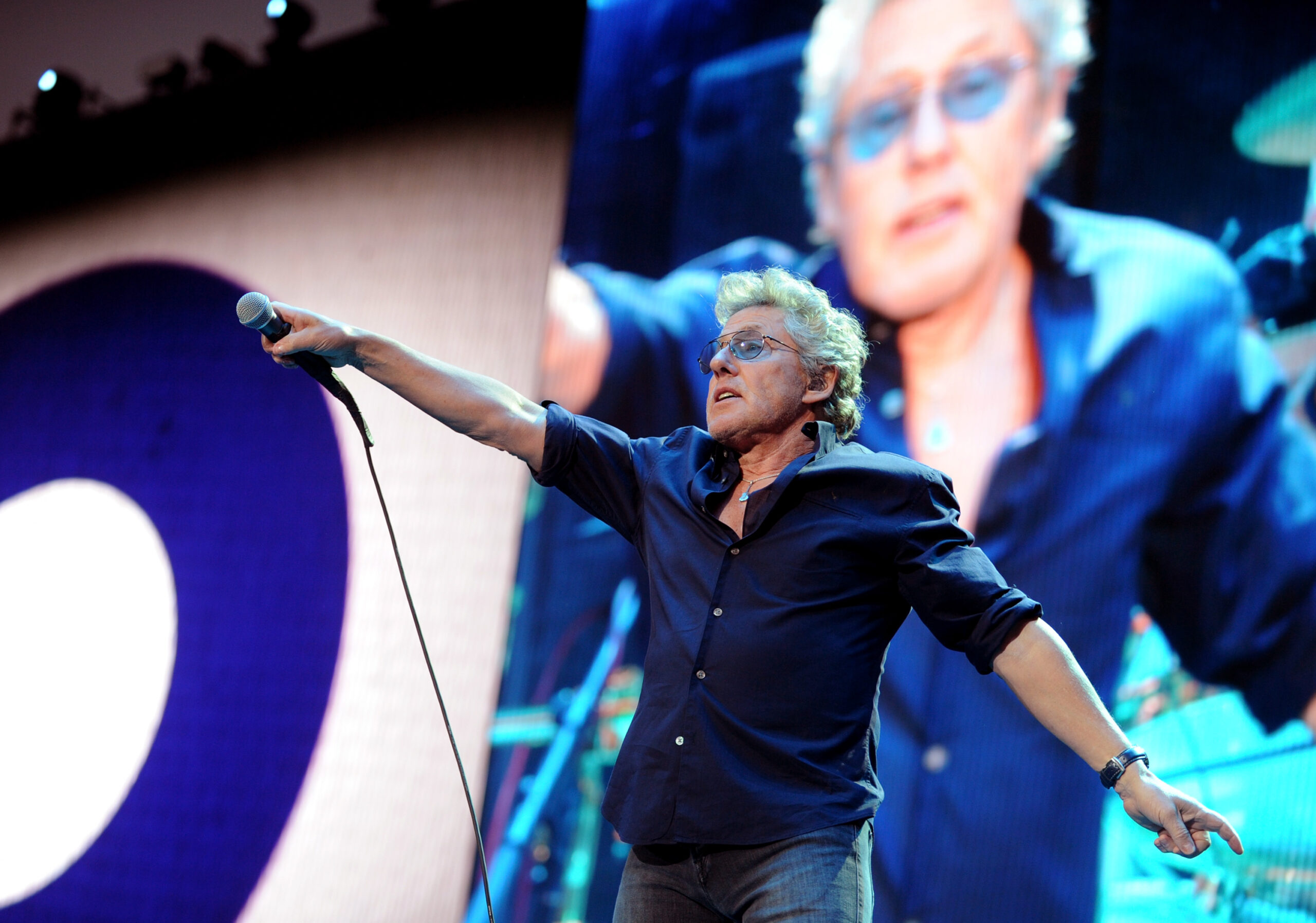
One of the most powerful touring careers in rock history will call it a day with the Who’s North America Farewell Tour, “The Song Is Over.” With it, one of rock’s most iconic frontmen will swing the microphone no more, as Roger Daltrey, who co-founded The Who with iconoclastic Pete Townshend (guitar/principle songwriter), fretboard magician John Entwistle (bass), and whirling dervish Keith Moon (drums) puts a cap on touring. Of the original four, only Daltrey and Townshend survive to embark on the tour, as The Who effectively remain The Two.
For his part, Daltrey’s muscular vocals, dynamic alpha male presence on stage and unparalleled primal scream remains unmatched for sheer power and interpretation of some of rock’s most beloved anthems, both in the studio and particularly live on stage. Be it the aforementioned scream of “Won’t Get Fooled Again,” sympathetic “bad man” of “Behind Blue Eyes,” defensive stutter of “My Generation,” sly sexuality of “Squeeze Box,” or defiant growl of “Who Are You,” Daltrey’s vocals, with Townshend’s compositions, are forever enshrined in the rock canon.
Read More: The Who Wrap Prolific, Six-Decade Live Career With Farewell Tour (Cover Story)
Longtime Who manager Bill Curbishley, who has worked with The Who since the mid-1970s, says if any other two band members besides Daltrey and Townshend were the sole survivors, it’s doubtful The Who would continue. “Only God knows why it’s Pete and Roger left here, and Keith and John passed away,” Curbishley told Pollstar. “Realistically, had it been Pete or Roger that passed away, there wouldn’t be a band, really. There’s no real answer to it. We know that Pete’s the writer and Roger’s the interpreter, and that’s it.”
Perhaps an over-simplification of this dynamic pairing; while Townshend is forever the cerebral rebel, equally gregarious and intellectually curious, Daltrey is a blue-collar, pub brawler of a vocalist, foregoing onstage patter in lieu of swinging for the fences on every song. Together, they have melted faces around the world for more than 50 years, ambitious perfectionists in the studio and explosive and unpredictable on stage.
Daltrey took time to speak with Pollstar as the tour prepares to launch Aug. 16 in Sunrise, Fla., weighing in on his last run through America, memorable shows of the past half-century, his “symbiotic” relationship with Townshend, and who he thinks is “the best rock front man there’s ever been.”
Pollstar: It’s great to speak with you again, Roger.
Roger Daltrey: Yes, it’s been a long time. Oh, how the years fly.
Isn’t that the truth? I guess I’ve seen you guys about 20 times. I was trying to count them up, going back to the ‘70s, and it was awesome every time. Before we jump in, congratulations on the Knighthood.
Oh, thank you. Yeah, a bit of a shock.
I bet you didn’t see that one coming when you first started out.
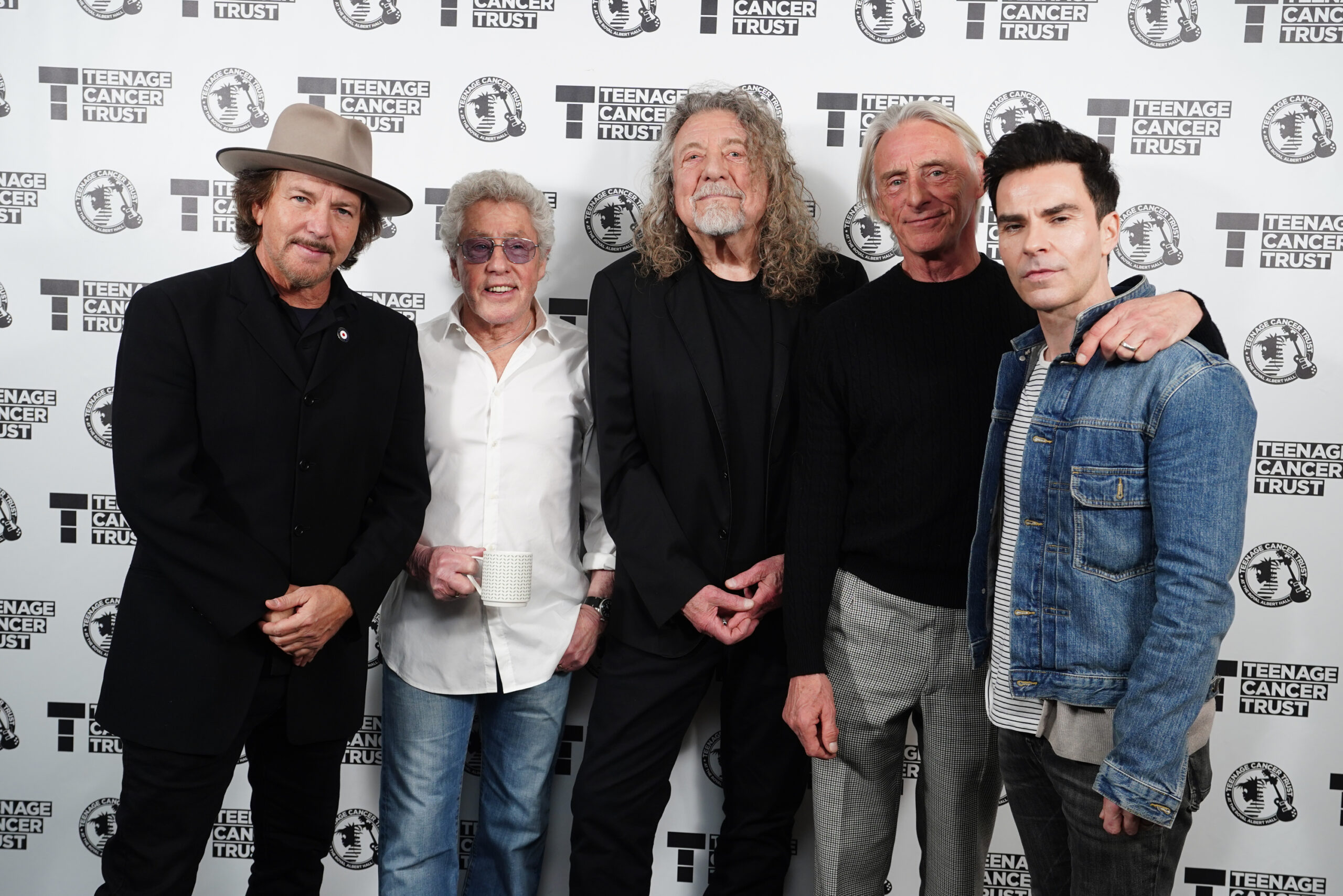
No, of course not. But, for me, I’m accepting it on behalf of the charities that I represent, because it’s really going to help open doors to more fundraising.
You’ve been involved [Teen Cancer Trust] for quite a long while, and I imagine you’ve done a lot of good, so congratulations on that as well.
Well, it’s something that needs to be done, mate, because since the ’50s, in the medical world, no one seems to have paid much attention to this kind of strange middle group of people in between children and older adults. They’re called teenagers and young adults, and the medical profession has not noticed that their psychological and social needs when it comes to receiving care are totally different than either children or geriatrics. It needs to be changed. We’re in the 21st century now, man. This health system we’ve got, pediatric, geriatric, was created in Victorian times.
So, in the touring world, here we go again. One more round, eh?
It’s the last round. It really is the last tour. We are definitely not saying we will never do any more shows, because we will always be available, if asked, to do charity shows, and you never know what comes along. But we will not tour anymore in America. And I’m pretty certain we won’t tour in the UK now, because it’s impossible to get around.
Definitely will be the last tour of the U.S., that’s for sure. We will not be back touring. That’s not to say if we got a call from a charitable evening that someone’s putting together. We can make it possible, we would always look at it, and we would just see what we can do at the time. But it’s definitely the end of touring. Touring is hard, hard, hard graft.
Ten Of The Who’s All-Time Greatest Live Performances
A lot of people don’t understand the distinction between “touring” and “playing live.” There are artists who have stopped touring, like George Strait, for example, but he still plays live a few times every year. Touring is a whole other animal.
Oh, you do it because you love to be there in front of your audience. Music is one of the last two great freedoms we have, and to be able to do that every other night in front of an audience is an absolute privilege. But the bits in between, the hotels and the travel, oh my God, it grinds your bones down. It really does. It becomes gutting.
And the way you guys play! I’ve seen everybody several times, and there’s nothing like a Who show. You put so much energy in it. Even when one of you or the other might be off a bit, or whoever is with the band, it’s still an energetic show, and you invest in every song. So it’s not just live, but doing it right, as I’m sure you want to.
Well, it’s the energy that’s written in those words. You can’t go through the motions with those songs. Those words are so important, and those melodies, and the voicings, the chord voicings, that are behind them. It’s a very specific kind of music that’s specific to The Who. And you can’t cheat it. If you cheat it, it will show, and then you might as well walk off the stage.
You never did, I’ll say that. And no matter what happened, you always found a way to keep going and some bad things have happened, and some good things have happened. But to come out front and say, “This is definitely it,” is quite striking, actually.
Well, it’s just a matter of admitting where we are in our lifespan. I do not want to be on that stage and let an audience down. I just do not want to do it, even if it means standing up there and it possibly killing me. If I get close to that—and I have been close to that, I’ve got to tell you, some nights—I won’t go on, because it won’t be the killing that worries me, or the dying that worries me. It’ll be letting the audience down.
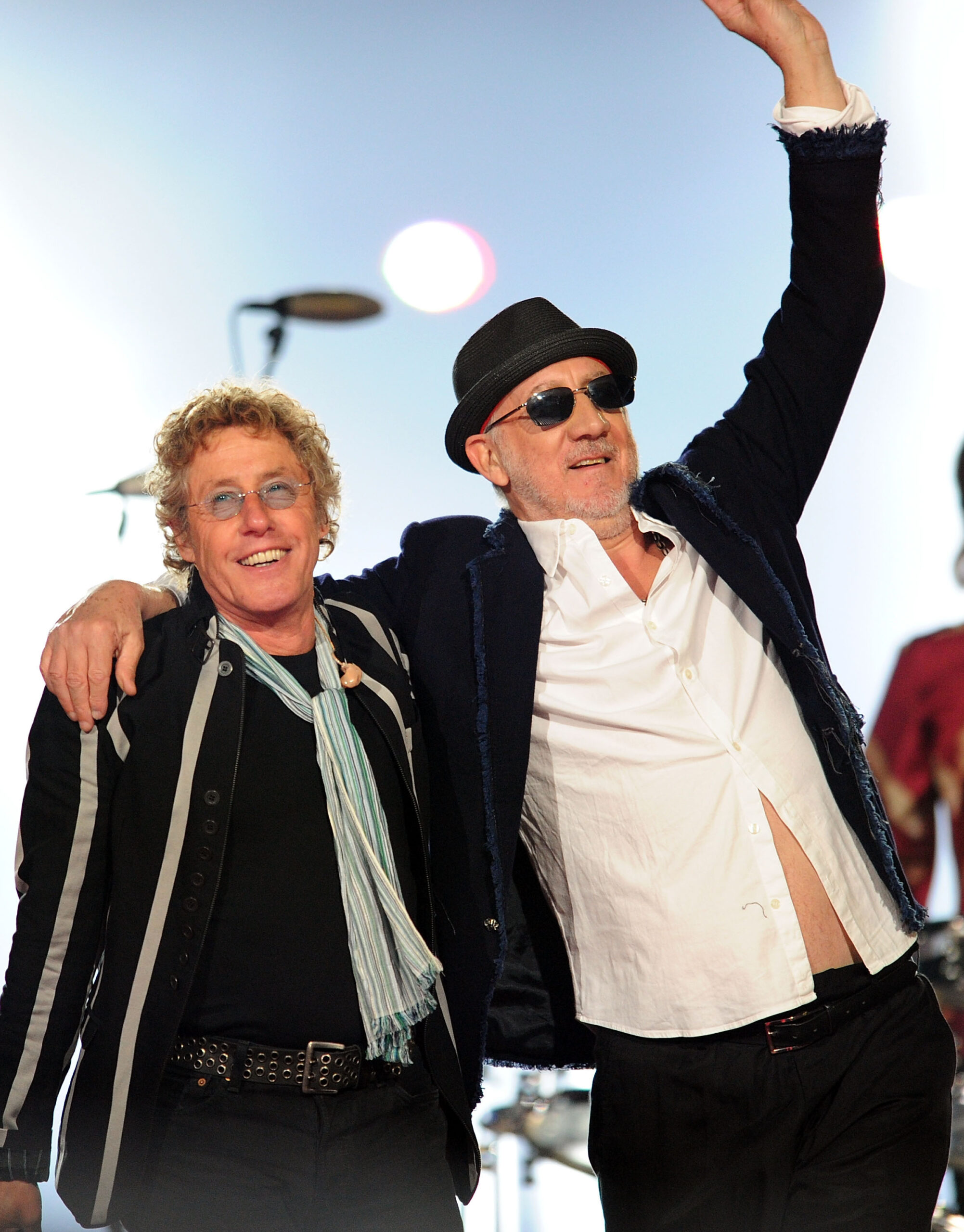
That speaks to what a professional you are, and how much I think I’ve always sensed a love for your fans from a Who show.
Without them, we’re nothing. No one does it alone in this world, let alone this industry, and our fans have been incredibly supportive, and they are really appreciated by me.
Can you tell me a little bit about your band this go-around?
The band is the band. We’re not going out with the orchestra this time, so we’re going kind of back to basics. We are trying to just make it more like what we were in the ’70s, make it raw. Let me explain something: the problem with modern rock concerts is that, in some way or the other, people expect too much in a visual way, which involves screens and lights and all that stuff. And to keep all that stuff on the same page as the music and what the band’s putting out, you have to have a set list.
I fucking hate set lists! I hate them because, to me, the next song should follow the energy of what you’ve created to the previous one. And you don’t know that until you go out there doing it. In the old days, before we had screens, we used to mix the sound from the front of the stage and the lights from the front of the stage, we used to just do it all on the stage. You could make the set list up as you went along, and that was fabulous. It was freedom. But now, of course, it’s impossible, because you’ve got to work with a team. It’s like a military operation.
If the sound man doesn’t know what’s coming next, everything will be at the wrong volume for that song. And the same with the lighting man over the show. This is one of the problems we’ve got these days. It’s OK in theaters, you can get away without screens and then you can make up your set list. And as long as the sound man’s got some idea of what kind of songs you are going to be playing that night, you can get away with it. But with the distances from the sound desk to the stage in an arena, you can’t do that.
I read where Scotty Devours is on the drums.
Yeah, we are trying to change our sound. We don’t know if it’ll work. The Who is basically Pete Townshend and me. That’s it. Then everyone is a session player, but we’re experimenting. We always like to push the boat out and see what else can be explored. So, we are changing to Scott Devours, who drummed with us for half of the “Quadrophenia Tour.” The rest of the band is basically the same. I’ve got a different backing vocalist, a guy called John Hogg who’s in my own solo band as a bass player and singer, but I’m taking him along on this as well, just to beef up the backing vocals. Backing vocals were very important to The Who music, as you know. The harmonies were everything to us, us and the Beach Boys. Our holy grail was the human voice.
You were so good in the studio, and it took a special kind of live band to make that work on stage. You were talking about the visual, the players WERE the visual with The Who, what you did, and what Pete did, was very visual. And who didn’t want to watch (founding drummer) Keith Moon? Who didn’t want to watch The Ox (founding bassist John Entwistle) do his thing?
I’m very sad and will always be sad in my heart that they’re no longer with us. They were extraordinary players, both of them. And when I hear people say that Keith Moon was a sloppy drummer, I want to smack them.
It’s crazy.
He was anything but a sloppy drummer. He was just a one-off.
Yeah, he drove it, powered it. I’m sure that sometimes it was almost like another lead out there.
Yeah, and John’s bass playing, he was extraordinary in his dexterity.
I’ve never seen one like him, but you’re right, they’re gone. And so, the visual’s different now. And also the expectation for the people in the far seats to see you and Pete, I guess the screens are a must.
Well, they’re going to have to be, because I’m no longer leaping about like I was when I was 20, 25.
Well, none of us are.
[Laughing] Wonder why.
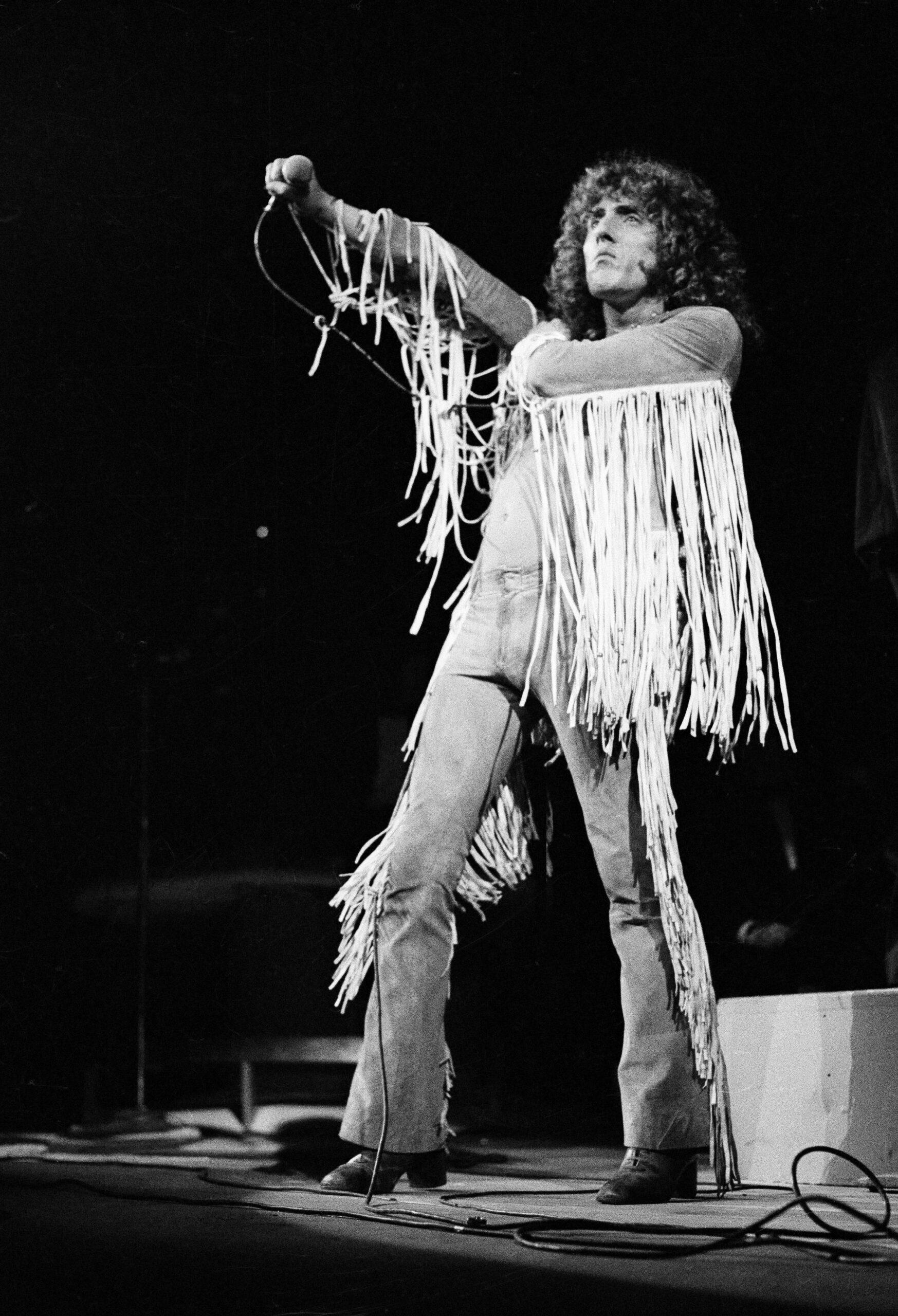
The last couple of times I saw you, which were in Nashville and then at Desert Trip, which was a phenomenal weekend out in the desert, I observed that you and Pete have formed this symbiotic way of playing off of each other and who’s capable of what on a given night, and who’s going to excel at this or that. It’s really extraordinary to watch how you guys work together after all these years.
That’s the thing we’ve always had right from within the first six months of Pete joining my band, there has been this symbiotic relationship that is extraordinary. When we’re playing music together, it’s almost like we read each other’s minds. It’s really strange. I don’t question it. I just accept it for the gift that it is.
You get these songs, and you find a way to get inside of them and make them come alive. That has to be kind of extraordinary both for the songwriter and for the singer, that you’re able to inhabit these songs that he wrote so well.
That’s all I’ve ever tried to do, is to connect them. It’s one thing to write a load of lyrics as a song and even as the guy who sang it, but it’s another thing to put it out there to maybe 100,000 people or even 20,000, 10,000 people, and touch them. It’s one thing to sing it and give them the melody and the words, but it’s another thing to move them.
Yeah, you nailed it. So, you were talking a little bit about the set list. Do you have any idea yet?
Come on, give it a break! There are songs we are going to have to play. “Won’t Get Fooled Again,” “Baba O’Riley.” Will they ever let us not play them? I don’t know. But we’ll try and put in some odds and sods every night just to vary it up a little. And I’ve been out with a solo band of mine where I play a lot of those songs with very different instruments. And that’s an exciting thing to explore that I don’t know whether that will ever happen with The Who, but it works for me with my solo shows.
I’ve seen it work for Pete on his solo shows, as well and some recordings I’ve heard. These songs come alive, and it would be interesting to explore them in different ways, I would think, as an artist.
The only song I’m bored with, though, and I do have to say it, and it’s mainly due to, if people want to hear it as the record, it has to be played with a track, and it’s “Won’t Get Fooled Again.” That’s the only one I could nip out and have a pint and come back for the scream at the end.
Yeah, I couldn’t do that on my best day, I’m here to tell you. So is there a feeling you get when you hear the crowd out there restless and you’re about to walk out there, and has that stayed with you your whole career?
No, it’s different now. I’m much more comfortable with it now. I used to get terrible nerves, but fortunately, as I’ve gotten older and I sang through a whole period of time where I had a kind of early condition kind of throat cancer thing. And my voice was getting worse and worse, and I was hitting it harder and harder to try and do what I was supposed to do. And, of course, I was inflaming the situation rather than making it better.
But then I found a genius of a voice surgeon out in Boston, and he sorted out the problems with my vocal cords. Since then, I don’t worry about it anymore. I’m completely confident that whatever happens out there, I’ll get through it.
As you make your last round through here, you have to be sort of reminiscing a little bit. Are there any particular favorite tours that you guys ever did or any favorite places to go or venues or even shows, individual shows that you were fond of?
No, there’s all different memories from lots of different places. It’s such a long career. Obviously the 9/11 concert in New York, for the rescue workers, that was one of the most emotional ones. I hope I’ll never have to play another one that will create that much emotion in me as that one, because that was such a night. It was so moving to look out at an audience of all those blue uniforms and some with their children wearing their dad’s hat that they’d lost in the explosion. That’s something I’ll never forget.
Desert Trip was a good weekend. They were two good weekends. I enjoyed that. That was really good. But all the rest, perhaps there was a particular one in Oakland with The Grateful Dead, that was a zonked out afternoon, I’ll tell you.
Wow. I imagine. Then you wouldn’t put Woodstock in that group?
Woodstock, it was all right. It obviously has become a legend of an event, but for us it was complete and utter chaos, and we didn’t know. We thought we’d done a terrible show. We came off very unhappy from that show. We waited around for eight hours to go on in the mud, and by the time we got on stage, none of the monitors were working. It was awful sound on stage, and we thought we failed. And, of course, then the film came out and everything else happened and Woodstock was one of the things that gave us the success we’ve had.
You guys were so tight and energetic compared to a lot of the other bands on that show, it was kind of a stark contrast in a way, and it came across really well. I never understood why you didn’t like that set. I thought it was pretty typical of what you guys could do. Same thing with that Rolling Stones’ “Rock and Roll Circus,” when it finally came out, I thought, God, they look like they’ve been playing for six months, which you had. “A Quick One (While He’s Away),” y’all just tore through that.
Yeah, that was a great performance. I don’t usually like watching myself at all, but when I look at that show and how tight it was between the four of us, it is an extraordinary performance. That’s for sure. We’d only just come off tour being out there for three months in America, so we were highly rehearsed. Not that we needed to rehearse, but we were highly used to doing what we were doing.
That night in particular, the band that was the supposed star of the show and their thing were The Rolling Stones, and they’re still out there doing it now. What do you think about that?
I admire it. Mick [Jagger] is extraordinary. His fitness is extraordinary. For me, he’s the best rock frontman there’s ever been. Everyone talks about Freddie Mercury; he was very good at being Freddie Mercury, but I don’t think anyone can beat the frontman that Mick is, and their music kind of lives on. They kept loyal to the blues roots they came from, and good luck to them. They’re making another record at the moment, I think, which is great. So I just take my hat off to them.
Well, I would put you right there with Jagger, to be honest. That’s my opinion.
I’m a shit dancer.
Well, nobody can do what he does. I think he’s missing a few vertebrae or something in there, but it works.
Yeah, it does.
I always wanted to ask you, were the Detours pretty good?
Yes, they were. We had a very good following in the clubs and the pubs around West London. And you always gauge it by who invites you back to play the next week so you can get a payday. We were never out of work, so we must’ve been all right.
You played guitar in that group, right?
Yeah, I played guitars, I played the guitar that I made, and Pete played the guitar that I made the body of. You got to remember, this country had just come out of the war, and we didn’t have much to spend. But what we did have, we spent it all on just creating the music we wanted to play.
Well, it worked out for you. Do you have a sense of the kind of influence that you’ve had on rock and roll, and do you feel pretty good about it?
Well, I’m inside it, so I can’t really tell you. Fans tell me, and obviously it’s had an effect on their lives. But I can’t say I personally, from inside it, feel it. I hope we have. That’s all I can say. It is really weird. I’m very proud that we’ve been around this long. We can still play the music with the heart that we started with. And that’s an important thing. It’s the attitude you play it with, and what you connect with it. And that’s still there. And as long as that is, I’ll keep doing it.
As long as people are listening to music, they’re going to be listening to The Who, I promise.
I hope so. It’s been a wonderful journey, and long may continue, but you’ve got to be realistic that the human voice doesn’t last forever. And the way I sing, and we’re still doing all of the songs in the same key they were written, and there’s not many of my age out there doing that now. There’s something about those keys that are absolutely paramount to getting the song across to an audience. You change the key, and all of a sudden, a song feels totally different. It’s weird.
It’s not supposed to sound like the record, but it’s supposed to make you feel the same way and the key is kind of paramount in that.
That’s right. That’s right. Yep.
Do you feel pretty good?
I’m pretty good, yeah. I haven’t had any new knees; I haven’t had any new hips. I’m still standing, still got a bit of hair.
Well, I’ve been a hardcore fan for 50 years, so thanks.
Okay, Ray, that’s great. It’s been good to talk to you.
I’ll see you on the road somewhere.
FREE
 Daily Pulse
Subscribe
Daily Pulse
Subscribe
 Daily Pulse
Subscribe
Daily Pulse
Subscribe