
The Punk Kids Are Alright: The Offspring’s ‘Supercharged’ Touring (Cover)
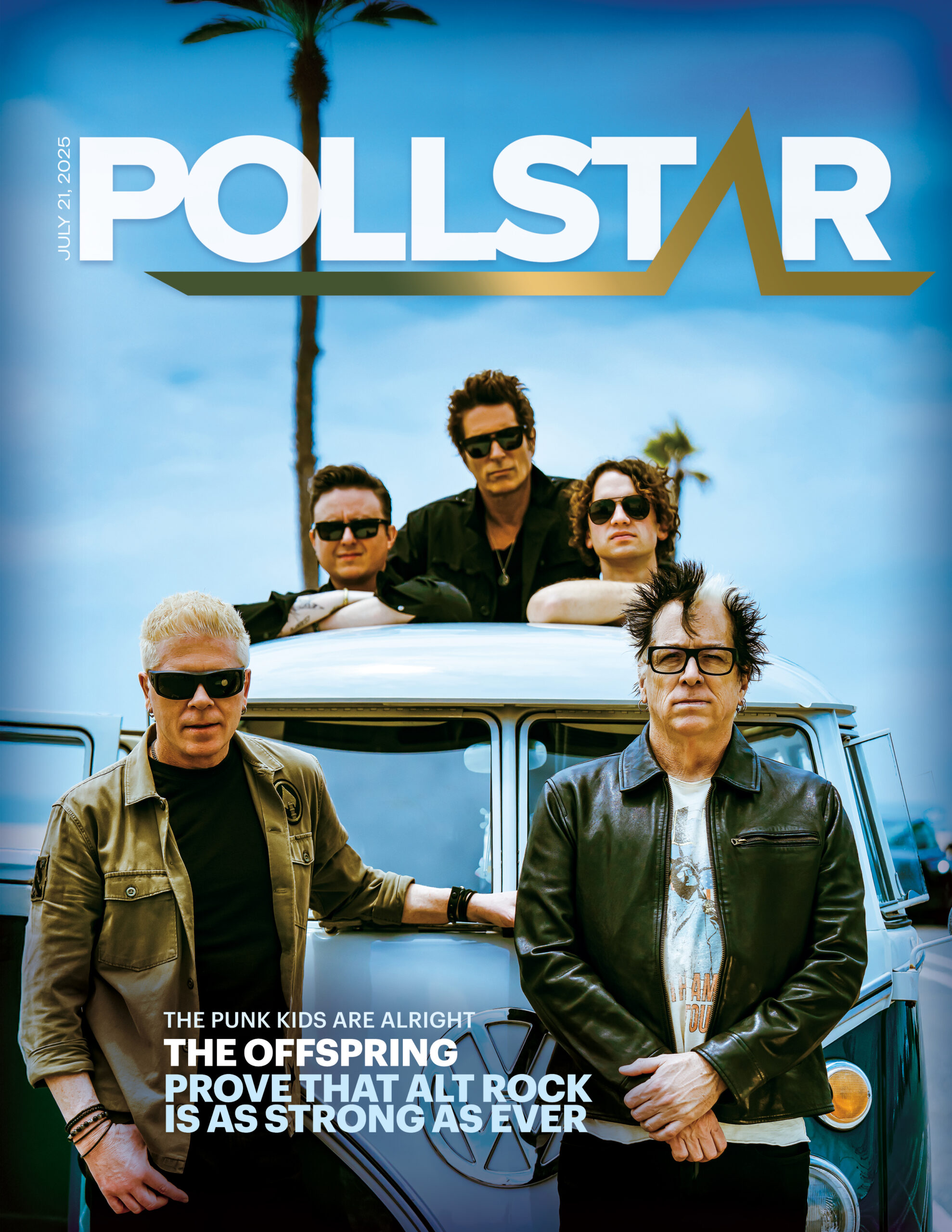
If you’re driving in Los Angeles (and probably stuck in traffic) listening to one of the two popular rock stations, KROQ 106.7 and ALT 98.7, it’s likely you’ll come across a tune from hometown heroes The Offspring that will enter your ear canal and burrow itself in there, shaking your eardrums with its three-chord, melodic, rebellious sound.
Like the radio stations that continue to keep songs like “Self Esteem” and “The Kids Aren’t Alright” in rotation, The Offspring are a Southern California institution whose reverberations have permeated across the globe and helped the punk genre reach new markets and larger venues.
“We have noticed [rock from the ’90s and 2000s] has grown quite a bit. We asked our managers, and they said it was them,” Offspring frontman Dexter Holland tells Pollstar as guitarist Kevin “Noodles” Wasserman laughs in the background. “We’ve seen a lot of bands, as time goes on, whose audience grows up and grows out of the band. And we’ve seen bands whereas time goes on, they seem to become more beloved or popular. You always try to fall into that ladder group. I don’t know exactly what’s going on, but we’re really thrilled and stoked to be here.”
The Offspring, which released its self-titled debut in 1989, is currently on its “Supercharged Tour,” the band’s biggest and most ambitious run to date, and performing in amphitheaters and arenas across the U.S. this summer before going overseas to play in Europe, including a sold-out Nov. 8 show at Paris La Défense Arena in France, an indoor venue that can accommodate up to 40,000 fans for concerts.
It’s a remarkable feat that begs the question: how is a punk band from Orange County whose career spans five decades selling out the same French building that recently hosted Paul McCartney, Dua Lipa, Kendrick Lamar, SZA and ATEEZ?
What’s going on is that while notable trends in the live music industry have stolen plenty of headlines — the explosion of Latin music, the meteoric rise of country and the globalization of K-pop, to name a few — rock doesn’t get the credit it deserves for its continuous growth and role in sustaining the business. It may not dominate the top of the charts (those spots are now usually taken by pop, country and Latin acts), but the genre is the bedrock (pun intended) of the business with rock bands sprinkled throughout Pollstar’s charts.
The Offspring is among such acts that have consistently hit the road and steadily grown their fanbase wherever they went, selling out venues of all sizes, including stadiums, feats a punk band couldn’t have imagined 20 years ago.
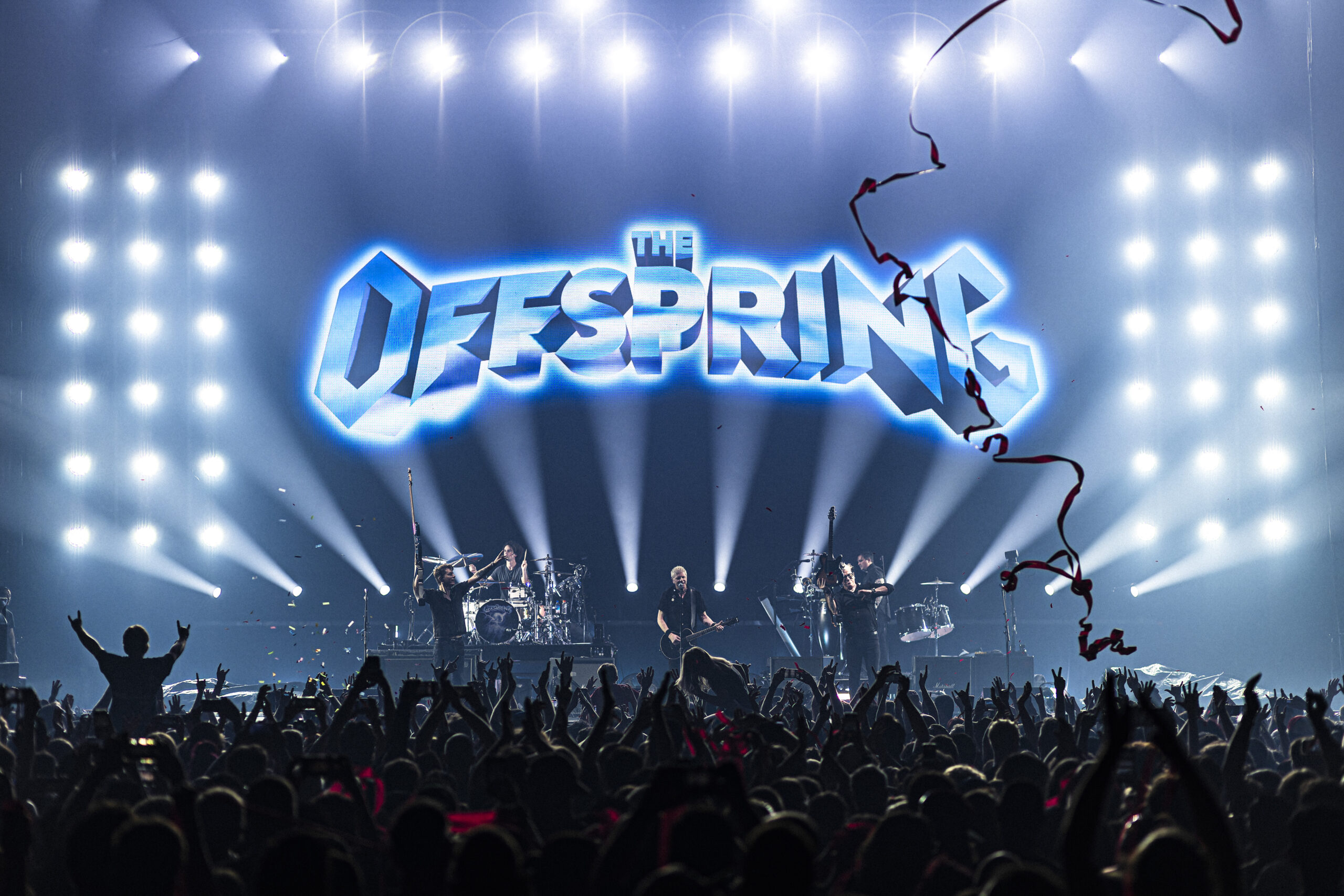
“We’re seeing some of our older fans show up with their kids in tow now,” Noodles tells Pollstar. “Our front row has always been young people. As we’ve slowly gotten older, the front row never changed age, but now you’re seeing parents mixed in with that. It’s just kind of cool.”
Holland sees the evolution of that front row and becoming a generational act as “the greatest compliment.”
“I’m not saying that we’re necessarily there, but some of my favorite bands I’ve seen that happen to, whether it’s AC/DC or Pennywise … I think that’s the coolest thing. I get so proud when I see a band that I love having that happen to them, and that’s what we’re trying to get to.”
Jared Martin, the band’s agent at Creative Artists Agency, would say they’re already there. As a Warped Tour kid, Martin recalls The Offspring’s breakthrough 1994 album, Smash, being among the first CDs he purchased at a local Wherehouse Music store. He was 10 years old when he bought the seminal album that spearheaded a post-grunge revolution alongside bands like Green Day, Weezer, Sublime and blink-182. Martin said his dad took the CD away because of the explicit language, but it was ceremoniously given back to him by his uncle when he was 18.
“The Offspring were one of my favorite bands growing up,” Martin says. “It’s been great to be part of that journey with them and to see them be what they were in 2015 to now in 2025. … I think they’ve hit a stride that they’ve been trying to hit for a minute. They’re as big touring-wise as they’ve ever been.”
That’s especially true in international markets like Latin America, where the band sold out a March 8 festival-like show at Allianz Parque in São Paulo, Brazil, promoted by Brazilian company 30e featuring Sublime, Rise Against, The Damned, The Warning and Amyl And The Sniffers, grossing $2,406,429 off 37,608 tickets sold, according to Pollstar Boxoffice reports.
“Brazil, Argentina, Chile, Peru and Colombia have been some of the best audiences we’ve ever played to, really,” Noodles says. “The fans are so passionate. They kept a lot of rock bands alive. The Ramones were like the Beatles in those countries. They would sell the Palladium in L.A., but they would do stadiums in Rio, you know? They’re passionate rock and roll fans.”
The Offspring also teamed up with Simple Plan for a six-concert run across Australia and moved more than 61,000 tickets, including a $1,571,303 haul at Qudos Bank Arena in Sydney on May 11.
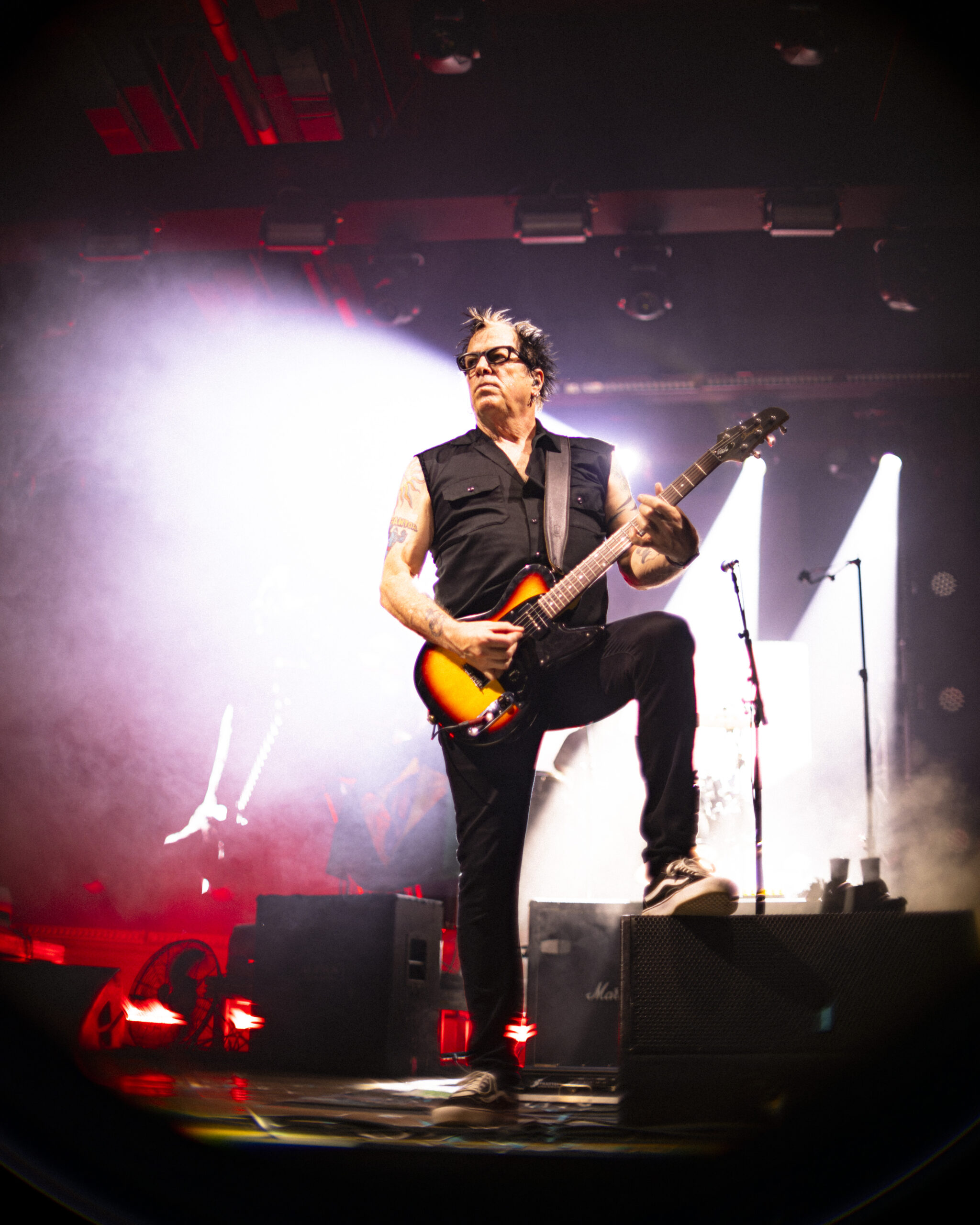
“We’re hoping to hit Antarctica before year’s end,” Noodles joked about The Offspring conquering every continent.
With box office numbers like that, one shouldn’t rule out that possibility amid this renaissance that many alternative rock bands from the ’90s and 2000s are experiencing, especially on the road.
One major (and obvious) reason behind that revival is how media is consumed by people in their 20s and 30s, discovering new music on TikTok and other platforms as the radio fades. And it isn’t just music from one genre but many.
“What I’ve noticed, especially with 20-year-olds I’m around, is they’ll go from listening to hip-hop one day and to The Offspring, System of a Down and Slipknot another day, and then Mumford & Sons,” Martin says. “It is all something that they can choose from because of the accessibility via Spotify and playlists.”
Another major (and unlikely) source may stem from the fact that bands like The Offspring were open to having their music featured in video games. Teens who played games like “Crazy Taxi,” “Tony Hawk’s Pro Skater 4” and “Guitar Hero” were introduced to catchy music from popular and rising alternative rock acts. The Offspring became synonymous with “Crazy Taxi,” an arcade racing game that matched the manic energy of the band’s hit song “All I Want.”
Rock bands of that era had the foresight to have their music reach different audiences, even in a football game. Noodles said the band recently met up with the creators of “Crazy Taxi” and the president of Sony backstage at a show in Japan, and they discussed possible future projects in that medium.
“We’re hoping. Fingers crossed,” he said.
Holland believes rock’s integration into video games was an organic transition from being heavily featured in homemade skateboard videos, especially in a period when skate culture peaked with the X Games competitions and the “Tony Hawk’s Pro Skater” series.
“They were putting those songs in, and we had a whole new audience from those things,” Holland says. “We realized from the very beginning, like wow, this is an important thing, to cross-promote with other projects and other genres. ‘Crazy Taxi’ is a good example, and ‘Guitar Hero’ was another great example. I think it introduced a lot of young people to our stuff.”
Though The Offspring earned cool status after playing their first-ever show in the hallway of their University of Southern California dorm in the mid-1980s and maintained it with plenty of hits, that extra exposure helped their music not only stay relevant but also fresh.
“That’s still happening today,” Martin says. “And what’s benefited bands like The Offspring, who may not be brand new to those of us who grew up with them, is that they’re new to a 20-year-old and sound fresh with great songs. That is the soundtrack to people’s TikTok and Instagram reels, and it’s not being looked down upon. When I was a kid, the way it wasn’t cool to listen to Cheap Trick or Led Zeppelin because my dad listened to it, and [younger generations] don’t get that. That stigma doesn’t really exist anymore.”
With more than 21 million monthly listeners on Spotify, the dad rock label doesn’t apply to The Offspring, and that’s a testament to their willingness to evolve along with their fans. Their 11th album, Supercharged, which dropped last October, was well received by critics, with the songs blending the best elements from previous efforts. The single “Light It Up” sounds like it could have been taken from 1997’s Ixnay on the Hombre, “Make It All Right” has the pop sensibility and cheekiness of 1998’s Americana and “Come To Brazil,” a song dedicated to their rabid South American fans, has the edge of 2008’s Rise and Fall, Rage and Grace.
“The album title says it all,” Holland says of their latest LP. “We wanted to come out fast and hard, no messing around. We’re not getting artsy on this one. … In an era where it seems like a lot of bands, their whole purpose of putting out an album is just to give them an excuse to go on tour. And we just don’t believe in that. We’re still in it to win it. We wanted to make the best album we could possibly make. And we really put our heart and soul into this.”
It was a project born during the COVID-19 pandemic, which was a period of reflection for many in the industry because live shows weren’t permitted. Noodles said it allowed them to just continue working on new material and experiment with their sound.
“Once everything opened up, a lot of bands [were] calling it quits; they’re not even sure if they want to keep going,” he says. “And we’re like, ‘Well, fuck that. We want to come back stronger than ever before.’ So, we did.”
The band was also devising a plan for outside the studio and in venues across the globe. Their management team at Bruce Allen Talent, which includes Bruce Allen, Randy Berswick and Sandee Bathgate, and CAA has helped propel the band to new heights by packaging them with not only contemporaries like Green Day but with bands that emerged after The Offspring, like Jimmy Eat World and New Found Glory, two rock acts who gravitate toward a more pop-friendly, emo sound but still resonate with younger audiences.
In addition to the packaging, The Offspring has pushed the idea of hosting a night of entertainment and giving fans something more than just playing the hits. Martin credits the band members and management for such an intentional and successful strategy, including the inclusion of an intermission between sets and art exhibits.
“That is when the band before them is finished, and about a minute later … there’s a curated playlist going. There is sports-style entertainment,” Martin said. “I was at the show in Atlanta, and it starts with trivia with someone in the audience writing down answers on the screen, like the intermission of a sports game. There’s someone doing a kiss cam. There’s a dancing cam, and at the end, their mascot, which is someone dressed in a gorilla suit, shoots T-shirts from the stage out of an air cannon.”
There’s also timed video content that not only entertains guests but also builds anticipation for the next set. The band’s production is the best they’ve ever had in their careers, and their ingenuity and attention to detail have helped The Offspring succeed in new markets, even within the U.S.
That, coupled with millennials’ nostalgia for music from their youth, is fueling a movement that sheds the labels of classic rock or dad music. Noodles is 62, and Holland turns 60 later this year, and they’ve never experienced such demand in their lengthy, storied careers, and the same goes for many other rock acts of all subgenres (metal, emo, punk, etc.) like Deftones and My Chemical Romance, who are thriving as solo and festival headliners.
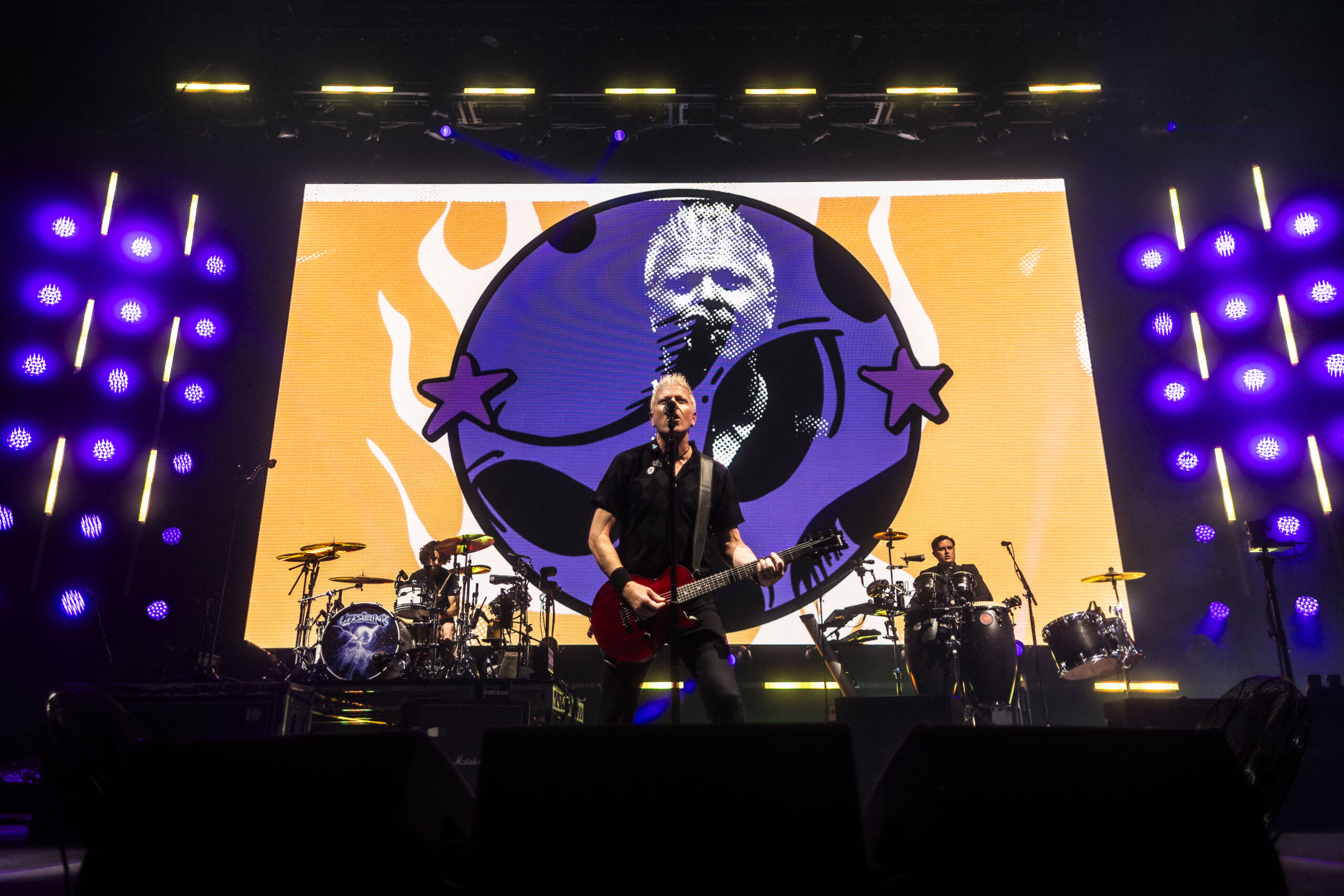
“A lot of these bands that we’re playing with at When We Were Young festival are friends of ours,” Noodles says. “It’s like the line from ‘Anchorman’: We’ve been going to the same party for 25 years, and in no way is that a depressing thought. It’s kind of amazing that we’re still at it, still doing it.”
And Martin believes they can still do it for years to come as long as they don’t saturate their product by touring the same cities every 12 months. He says that staying out of territories for about 24 months is “a sweet spot” and that the international market will be key. The band recently had two shows in South Africa with Green Day and a January gig in Dubai, which grossed $4,145,689, according to Pollstar Boxoffice.
“Touring markets like that will help them stay fresh and relevant in all other markets,” Martin says. “If we do headline shows in the States, it’s going to be markets we have not historically played. We are trying to play secondary markets, and we’re working on a tour now that’s going to play those. … These are places they probably couldn’t go to 10 years ago because there wasn’t enough demand.”
Before all that happens, Holland and Noodles just want people to have a good time this summer at their show, which will have art auctions to benefit local charities.
“I think this is hilarious, but the slogan is just ‘The most fun you’re going to have all summer.’ And I like that,” Holland says.
Noodles immediately interjected and added, “Get there early, grab a beer and check out the art exhibit. It’s going to be quite a scene. … Don’t spend all your time drinking in the parking lot. Come into the venue and drink with us, drink with the opening bands.”
FREE
 Daily Pulse
Subscribe
Daily Pulse
Subscribe
 Daily Pulse
Subscribe
Daily Pulse
Subscribe