
How Live Music Society, Artist Incubators & Indie Venues Are Teaming Up To Showcase Developing Talent Via ‘One Night Live’
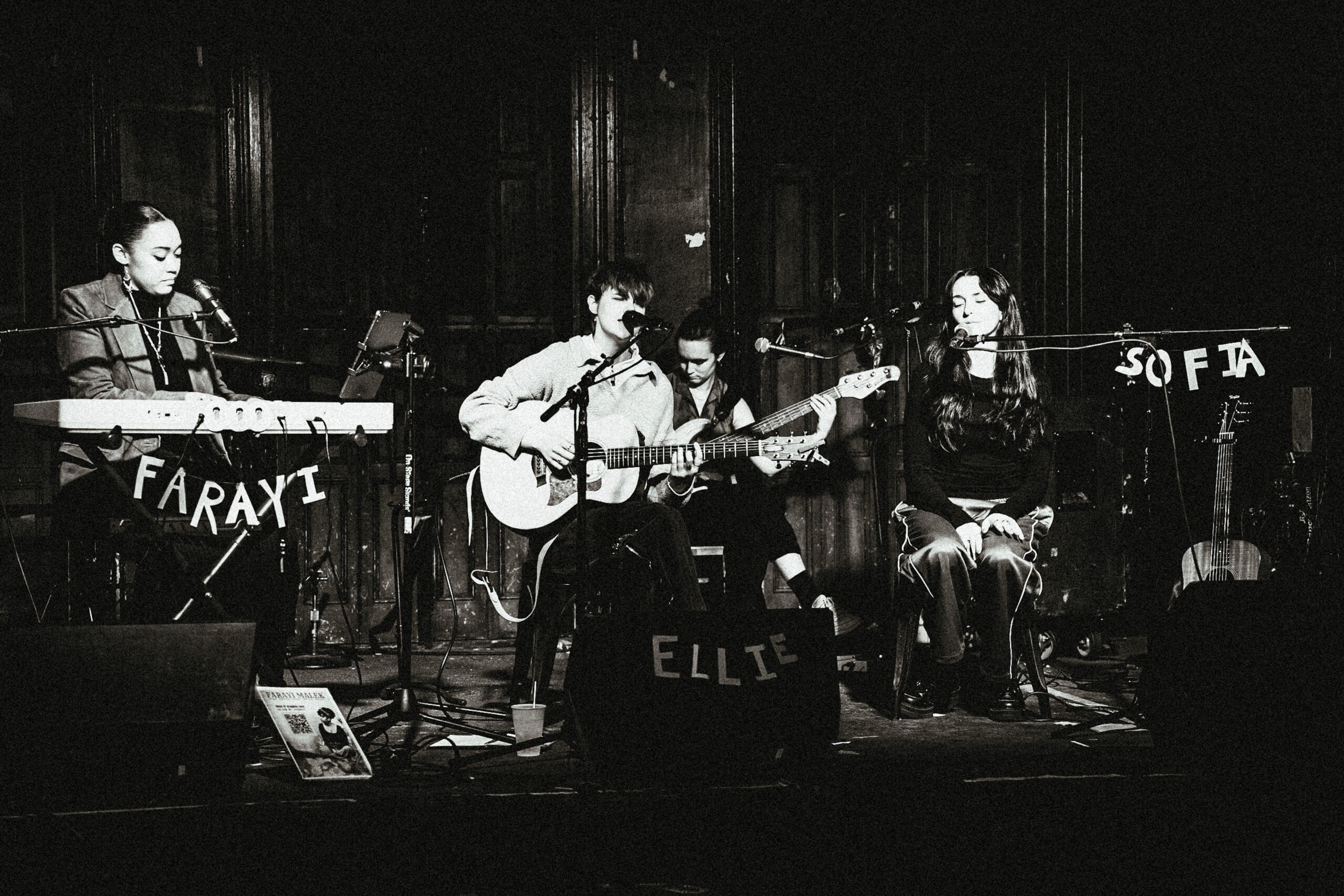
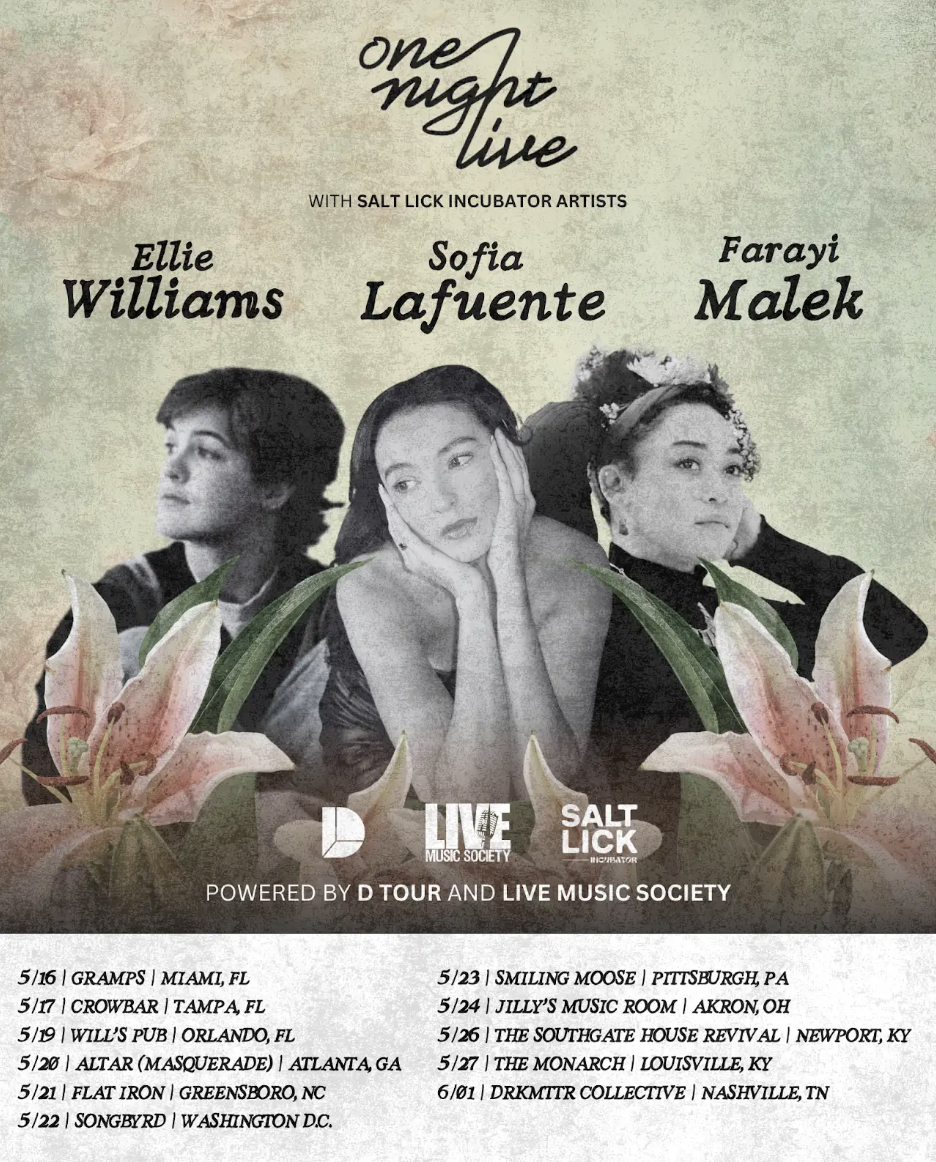
In May, rising artists Sofia Lafuente, Farayi Malek and Ellie Williams hit the road together for the first edition of “One Night Live,” a new collaborative model of touring made possible by nonprofit Live Music Society, independent venue network D-Tour and artist incubators like Salt Lick Incubator. The project aims to improve the music ecosystem by helping emerging artists break into new markets and supporting independent venues that often serve as launchpads for new acts.
As detailed in NIVA’s recently released State of Live study, many independent venues need assistance to keep doing what they do best. The study – which was underwritten by Live Music Society, eventbrite and Tito’s Vodka – found that the majority of these rooms are struggling, with 64% operating without profitability in 2024. And up-and-coming artists could also use a helping hand as they’ve faced less support contrasted with the rising cost of touring.
Since launching in 2020, Live Music Society has distributed $4.8 million in funding to small venues and listening rooms across the U.S., with a mission of recognizing and protecting small venues and keeping live music accessible to all. Live Music Society has committed $100,000 to the One Night Live concept for its first year, between funding the production and providing stipends to a number of the venues on the first tour. Salt Lick Incubator also provided financial support for the initial 14-date run via marketing and tour logistics, on top of incubation work with the three artists. D-Tour got involved by working with affiliate venue members to book and route the tour, as well as identifying local support acts and helping market shows.
Cat Henry, Executive Director of Live Music Society told Pollstar that after meeting Liza Levy, President of Salt Lick Incubator at Americana Fest in 2023, “We started thinking about how Live Music Society could have a more direct impact. The grant program is kind of one step removed. People come to us with really incredible projects. We fund them, and then we see what happens and they report back. But [One Night Live] is a way for us to have a more direct relationship with venues that aren’t necessarily grantees yet. I would say grantees yet. Because we’re funding about 50% of the applications at the moment. We’ve increased the number of applicants that we can fund, as we’ve increased our funding amounts, but you can’t fund 100% of applicants, so One Night Live was a way that we could stay connected and engaged with more than just our grantees.”
Though rewarding, presenting emerging artists can be a risk for venues and Henry notes that “It made perfect sense to work with an artist incubator who is already helping artists be the best that they can be in their careers … so we could go to our venues and say, ‘This artist is ready. They’re already working on their social media. They’ve got their act together …They are a fully developed career-based artist. This is not their hobby. This is their passion. They’ve committed.’ … And then getting to know the D-Tour founders and all of the venues and the skill set that they have, we [thought], ‘They will know how to put this together.’”
The initial One Night Live tour featured three artists that Salt Lick Incubator had supported with writing camps, collaborations, gig opportunities, and branding/marketing support. The nonprofit is committed to helping independent artists build sustainable careers, with artists selected by advisory board members: Jon Batiste, Julia Michaels, Susan Tedeschi, Harvey Mason Jr. Charlie Puth, Patrice Rushen, among others.
Sofia Lafuente, Farayi Malek and Ellie Williams each got to perform their own set each night, while also serving as the backing musicians for one another – helping create a sense of intimacy on stage and also saving funds. The trio was also joined on stage by One Night Live tour manager Wes Chalfant, who is the artist project coordinator at Salt Lick Incubator and electric bassist.
Lafuente is a Spanish-American artist and songwriter who splits her time between Miami and Madrid. Boasting ethereal vocals and evocative storytelling, her sound is rooted in the alternative music scene and draws inspiration from Lana Del Rey, early Shakira, and Lizzie McAlpine.
Malek is a Grammy-nominated vocalist and Salt Lick Incubator award-winner who grew up playing the fiddle. Raised in Southern Idaho by a Zimbabwean immigrant father and a white American mother, she’s now returning to her musical roots by blending gospel with blues and jazz.
Williams is a singer/songwriter based in Los Angeles known for her introspective lyrics, lush atmospheric production, and haunting melodies, with a sound inspired by Fleet Foxes, Maggie Rogers, and Norah Jones.
The tour kicked off on May 16 at Gramps in Miami, Florida, and included stops in Tampa; Orlando; Atlanta; Greensboro, North Carolina, Washington, D.C.; Pittsburgh; Chicago; Akron, Ohio; Newport, Kentucky; Louisville, Kentucky; Jackson, Mississippi; Birmingham, Alabama; and Nashville, Tennessee.
Henry explains that the idea for One Night Live came out of grant requests for help with marketing and the team always thought about it as a marketing stipend, “but it’s just a small amount of money so that the venues feel supported – and honestly, some of them gave the money to the artists. That demonstrates their passion about making sure that an artist gets enough money, like at least a base amount of money and they’re feeding them. You know, they just really care.”
Henry points out that Tom DeGeorge, for example, who is the owner of indie venue The Crowbar in Tampa (which hosted “One Night Live” on May 17) and did the tour’s booking and routing as COO of D-Tour, “looks at the year as a whole and he’ll support artists, even though he’s not having a sellout show and hope to make up the money elsewhere.”
DeGeorge adds, “Everything’s an investment. You know, if you don’t support the base [and] the growth of things, you’re never going to get those profitable shows. I think one of the problems we see in our industry is … [indie venues] still have to take a lot of the risks sometimes, but then when profitability could possibly enter the equation, it gets plucked out from under us. … I think it’s on us to stand up, leverage our relationships, remind ourselves that we are the hubs for these artists and that the real art [is] in the way it’s received, it happens in those live rooms. If it’s going to be done right, it has to happen in those live rooms before they end up playing the 2,500-cap room or the 20,000-cap room. You can’t skip over it and have a lasting effect for that artist too.”
For all of the entities involved, a big motivator behind One Night Live was sharing the learnings and as Salt Lick Incubator President Liza Levy said “the theme of community … and all ships rise.”
Levy added, “One of the amazing things that came out of this ‘One Night Live’ tour was that we were able to form relationships with these venue bookers as well. And we said, ‘Hey, if you’ve got great indie artists that need funding, please send them our way.’ … We don’t spend money on marketing what we do, right? All of our dollars go directly toward the artists. So it’s hard to get the word out sometimes. It’s an incredible place to be able to tap into some of these artists.”
From the perspective of Farayi Malek, she says One Night Live “was life-changing for me as an artist.” She tells Pollstar, “It was wonderful to get to experience life on the road and connect with the fellow artists on the tour. Some nights, the audience was full, and other nights it was not, but we experienced it all together, and that’s what made it special. Regarding a positive boost to my career, I gained some followers on social media throughout the tour. Hopefully, they will continue to follow my career and future projects. I also had the opportunity to meet the bookers and curators for these venues, so hopefully I’ll be able to connect with them again for future projects.”
Malek shouted out a few venues on the tour: Avondale in Chicago and The Monarch in Louisville. She says, “Chris Bauman, the owner of Avondale, was so welcoming to us. He stayed for the whole show, and was genuinely interested in supporting us and following our journeys as artists. The Monarch was equally special; it’s an artist collective space in Louisville which offers a space for artists to create, support each other, and grow together.”
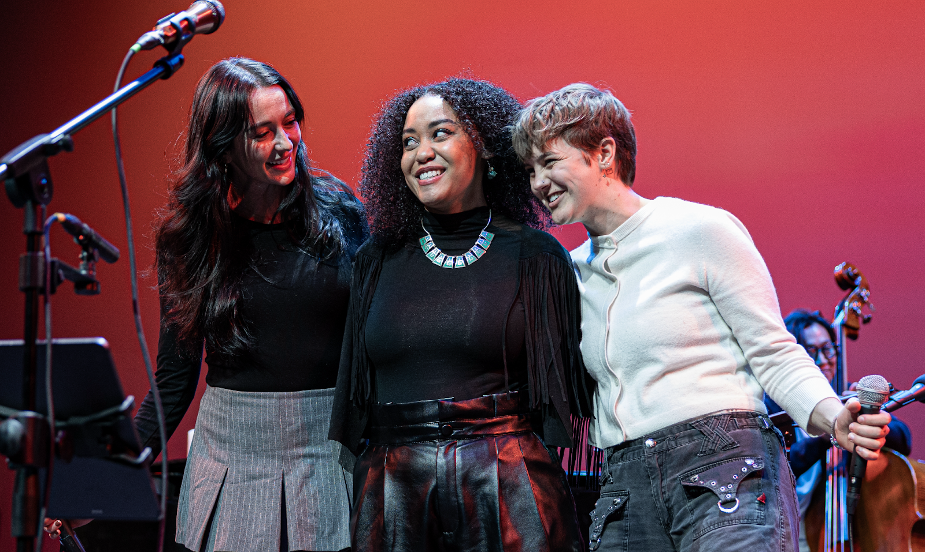
Levy noted that the tour was significant for the artists and tour manager – which included members of the queer, trans, POC and multilingual communities – for giving them the chance to play secondary or tertiary markets where they hadn’t necessarily “seen artists like themselves touring in. … And they had amazing experiences in some of these markets that they never would have thought of before. So I think that was a huge game changer for them as well.”
Live Music Society and D-Tour are analyzing data and feedback surveys from the initial tour to help better inform future editions. Looking ahead, One Night Live plans to continue working with Salt Lick, as well as other incubators to help developing artists in additional markets. Plans are in the works for a fall tour with Cleveland Rocks and an early 2026 tour with Salt Lick.
“We’ll build the brand so that for patrons, if they see One Night Live is [going to be] at your local venue, they know that the artist, whatever they’re going to go see, is going to be amazing,” Henry says.
DeGeorge adds, “[We’ll] give them one night where they’re going to see something really, really special. In that indie room with that artist before the next phase of their career, which hopefully by us all working together, we’re launching that artist to that next phase.”
FREE
 Daily Pulse
Subscribe
Daily Pulse
Subscribe
 Daily Pulse
Subscribe
Daily Pulse
Subscribe