
‘There’s Demonstrated Need For Straightforward Practices To Stop A Show’: Q’s With Crowd Management & Security Expert Mark Hamilton
Over the years, the live events business has become a highly organized, and in many ways standardized, industry, especially in all matters pertaining to the audience’s safety and security at an event.
The one aspect that’s been lacking a standardized procedure so far is the moment a show needs to be halted. So far, this aspect has been handled differently by different events, with varying degrees of success. In the worst case, event visitors have lost their lives in a crowd surge.
Which is why some of this industry’s most experienced safety and security experts have created Showstop, a procedure that establishes clear roles and responsibilities around the decision to stop a performance on stage, a sports event, or a public gathering of any kind.
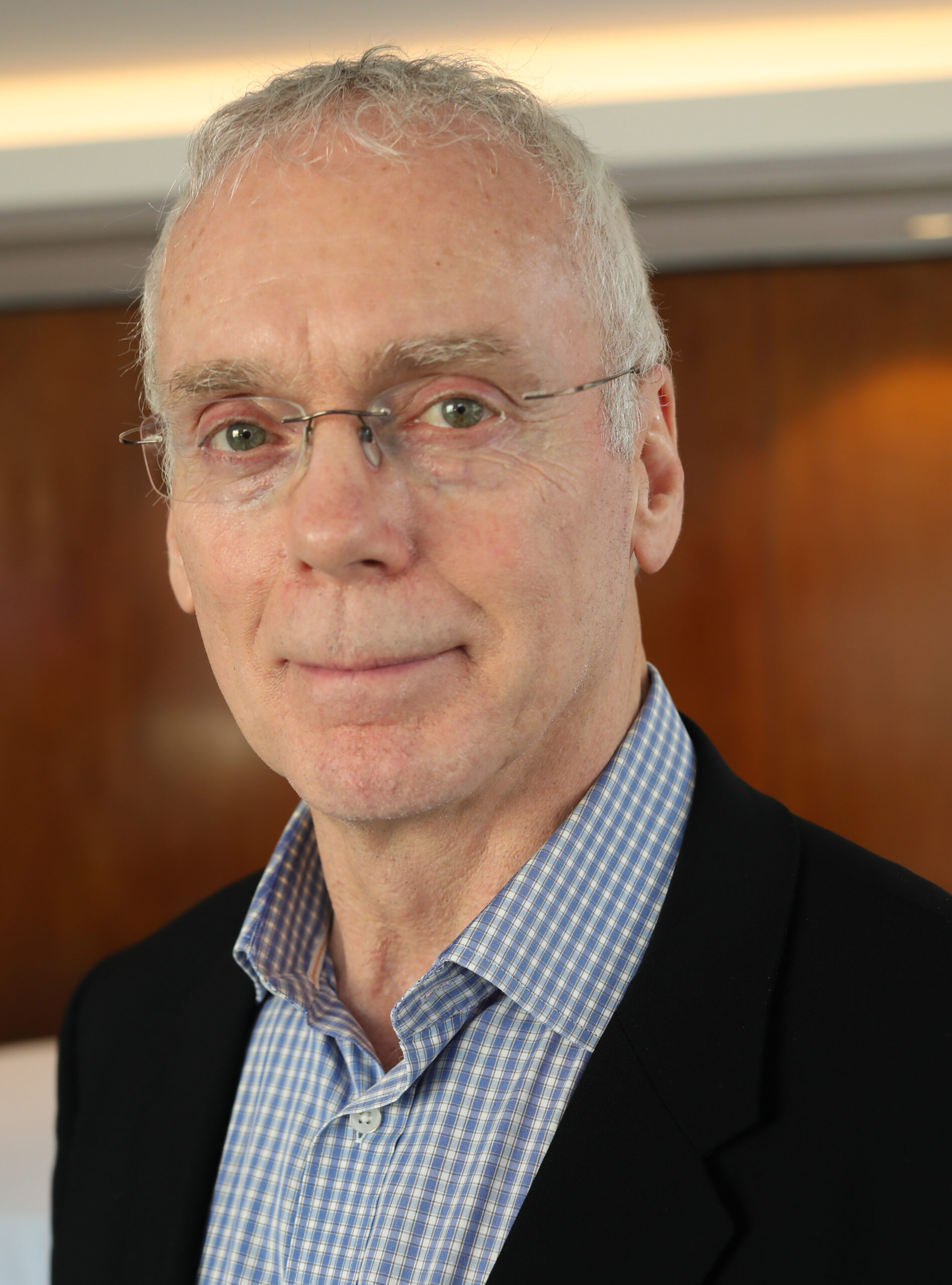
Spreading the word about Showstop Procedure are Steve Allen, who’s looking back on more than 30 years of managing safety and security at major events across the world, and who’s had to stop a performance mid-show over 30 times in his career; as well as Mark Hamilton, best-known for his work as security advisor to Paul McCartney, with whom he’s about to tour the U.S. starting in September. Hamilton has more than 50 years of experience in security and crowd management, and has lost count of how many times he’s had to stop a show during his career.
One thing both men remember well is the fact that, in all of those show stops not one individual lost their life. Which is why they’ve developed a standard to stop a show that’s been recognized by every international crowd management and safety institution worldwide.
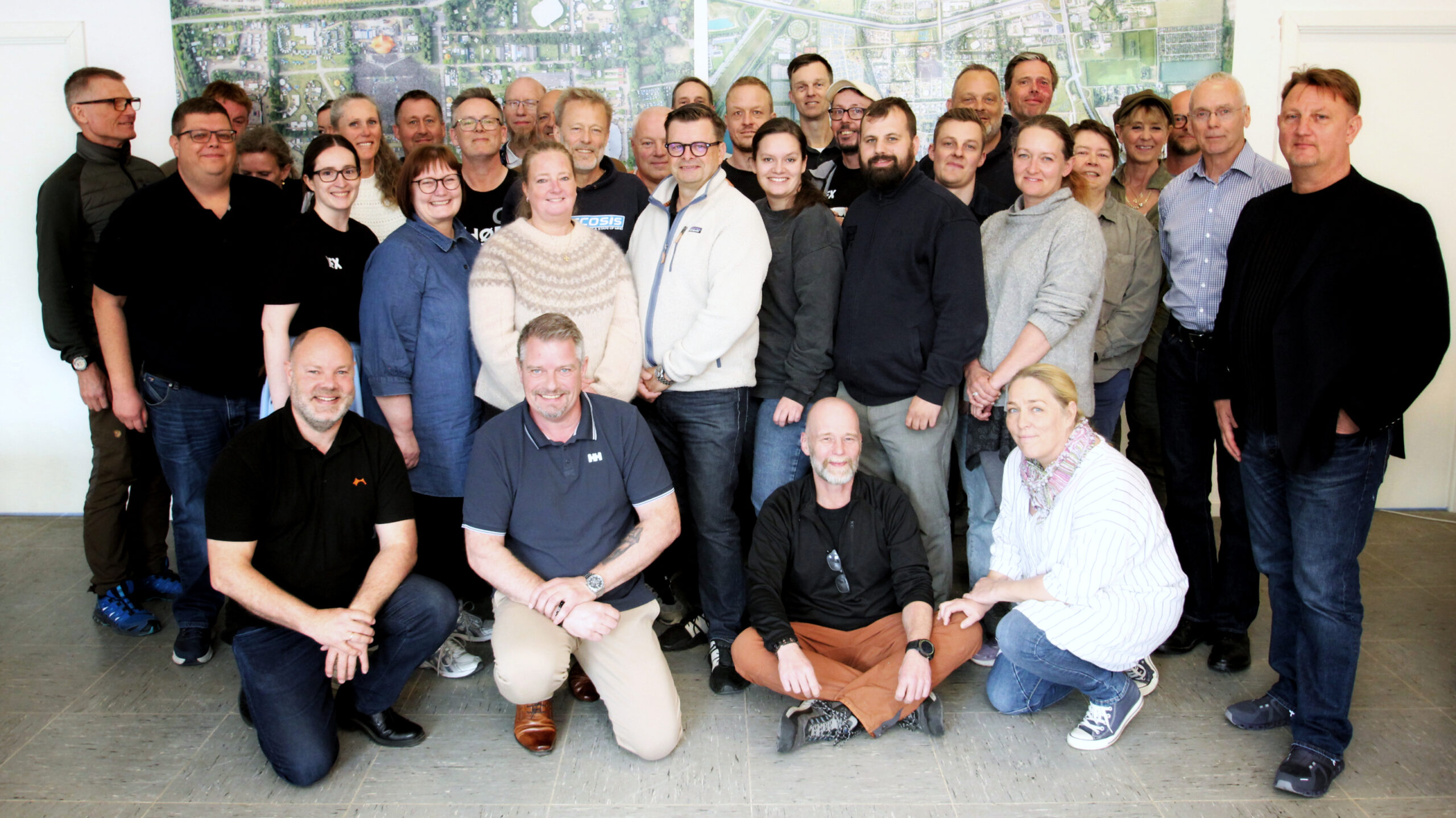
Showstop Procedure courses launched in the UK last year. At the recent edition of Roskilde Festival in Denmark, 60 people, including some from other European festivals, attended a two-day course.
In the U.S. the Showstop Procedure launched in collaboration with the Pink Bows Foundation, which just announced a string of training courses across the country, teaching event professionals a tried-and-tested standard for stopping a show.
Courses are also scheduled in Sydney, Australia, as well as Riyadh, Saudi Arabia, proof of how word about this new procedure has spread.
Pollstar reached out to Mark Hamilton, who’s going to speak at the upcoming VenuesNow Conference in Las Vegas, to talk about Showstop, why it’s necessary, and why it’s not about telling live professionals, who know their craft, what to do, but rather about creating a worldwide standard for one of the most crucial decisions one may be forced to make during a live event.
Pollstar: How has Showstop been taken up since we last spoke in April last year?
Mark Hamilton: The demand has been exceptional, and across the board, as well. So, not just with event safety and security practitioners, but other agencies as well, venue operators, event managers, police representatives, local authority representatives. We hoped and intended that it would broaden out beyond the live industry.
It’s been really encouraging that the people with the responsibility of delivering safety, the frontline staff at festivals, music events, sporting events, are the ones that are embracing it. And many of them are saying the same thing, which is that the courses highlight what’s thus far been a bit of a gap in the skill set of people who are responsible for safety at events.
How many people have taken the course so far?
We’ve now trained over 260 people. Roskilde Festival, who’ve got a fantastic safety culture for that festival, had a two-day course with us, and had over 60 people attend. We also ran a course in London recently attended by the main event planners for the Metropolitan Police.
It’s not some ethereal idea, but actually a key, critical crisis management component that you need if you need to stop a show in an emergency in a managed process. So, overall, I’m really pleased with where we are right now.
60 people! Is that because it’s helpful for the whole team to understand what Showstop is?
Correct. There’s always that moment during an event, when somebody has to be redeployed to another task, and somebody competent, who’s in the loop and who’s been briefed needs to take over. It also alludes to the decision making architecture aspect of this: when a Showstop is called, it has a broader implications for other parts of that venue, whatever that venue is.
Anybody in a decision making position, with a responsibility for directing or instructing, they also need to understand what Showstop is, because if it gets announced, if it’s implemented, it has consequences on their part in the operation. That’s why it’s a good thing for everybody to know about, so their own thought processes are triggered the moment a Showstop is called.
It’s worth pointing out that the Showstop courses at Roskilde also included people from a couple of other European festivals.
So, it’s already rolled out on other festivals across Europe…
I’ve got a good anecdote of how it’s started to already permeate. My oldest daughter runs a small record label, she co-manages some of the bands they deal with. Recently, one of her bands appeared at TRNSMT Festival in Glasgow. My daughter used to work for me, so she’s very well versed in all things concerning event safety and security, including the Showstop procedure. So, my daughter goes along with her band to perform at TRNSMT, they get to the stage, and the promoter rep for that stage came up and she said, ‘excuse me, are you the artist rep for Showstop?’ When my daughter answered, ‘yeah’, the promoter rep said, ‘Well, I’d like to talk you through the procedure’. It was a really good indication that what we’ve been talking about on the course is reaching the right spot, the operations at events.
It must give promoters, no matter how experienced their are, peace of mind to have an exact protocol in place for what used to be purely a gut decision. Still, I imagine lots of event pros are sceptical about it all, fearing it may overcomplicate things or is nothing but a job creation program, or similar.
You’re right. But a Showstop is not meant to be a complex procedure. One of the things we do right at the beginning of the course is debunk any thoughts anybody might have that somehow we’re engineering something. The course is to simply to make sure everyone understands it. Showstop is a very simple process. It’s not about over-engineering, or about inventing new terminology. It’s so simple, yet, so vital. As the historical context shows, there’s clearly demonstrated need for straightforward practices to stop a show; for having everybody on the same page as far as key principles are concerned, so absolutely everybody knows their role and responsibility. The clarity around roles and responsibilities is absolutely critical to the success of Showstop. The intention is to create a global standard, a framework, where everybody’s on the same page.
Our new training courses in the U.S. and Canada are realized with the Events Safety Alliances of both countries. In the UK, we’re working with the UK’s Crowd Management Association.. We’re working with [the European festival association] Yourope, and have been approved by all relevant international risk management institutions. What you’ve got is the establishing of a global standard, that’s been approved by event professionals at the highest level, who understand safety and security. Our call to action, I suppose, is that if you’re running an event, a stadium, an arena, a festival, a tour, then let’s create an internationally recognized standard, a qualification whereby this proven, tried and tested, and now accredited process is internationally available.
It’s not about telling people what to do. We are creating a framework, so people with a great understanding of how to run events, can implement a proven procedure.
You’re about to tour the U.S. again with Paul McCartney. What difference will it make to you when walking into venues across the world, to have someone on site familiar with a standardizes Showstop procedure?
It makes a huge difference, because it removes any dubiety around roles and responsibilities, and it’s not a matter of discussion in the final security meeting – which is what generally happens right now. And that’s not just my experience. A good friend of mine is looking after the overall venue security for Oasis at the moment. He’s been in this industry many years, a very experienced guy. I was chatting to him about it, and he said, he’s still coming across the same situation, where operating teams have never even spared a thought on who’s going to be the person to stop the show if need be. And that’s in 2025. So, when I’m on tour with Paul, I’ll obviously continue to emphasize the Showstop element, which is what I’ve always done, but now I’ll also be encouraging people to look at the course.
You’re speaking at VenuesNow Conference in Vegas on the “Security Impact on Budget” panel. What are you going focus on during that talk?
It’s a panel discussion, so it will have different elements, but I want to dispel any myths that this was some sort of job creation program. It’s not. I’ve been involved in enough events in my life to recognize an over-engineered event when I see one. I’m about keeping it simple and straightforward, as I keep saying. When somebody asks me, what I’m looking for when going into a venue on tour, I always say, ‘I look for the basics being done very well’. The point is, that if you get the basics done very well, when you’re faced with an emergency, you’re in a good position to manage it. Showstop is exactly that, it’s the basics done very well.
Can you take us through the practical execution of a Showstop, in case you had to stop a show on your upcoming tour with Paul McCartney. Would it be you that goes on stage announcing the show has stopped, or would it be the artist announcing it to the audience after you’ve told him?
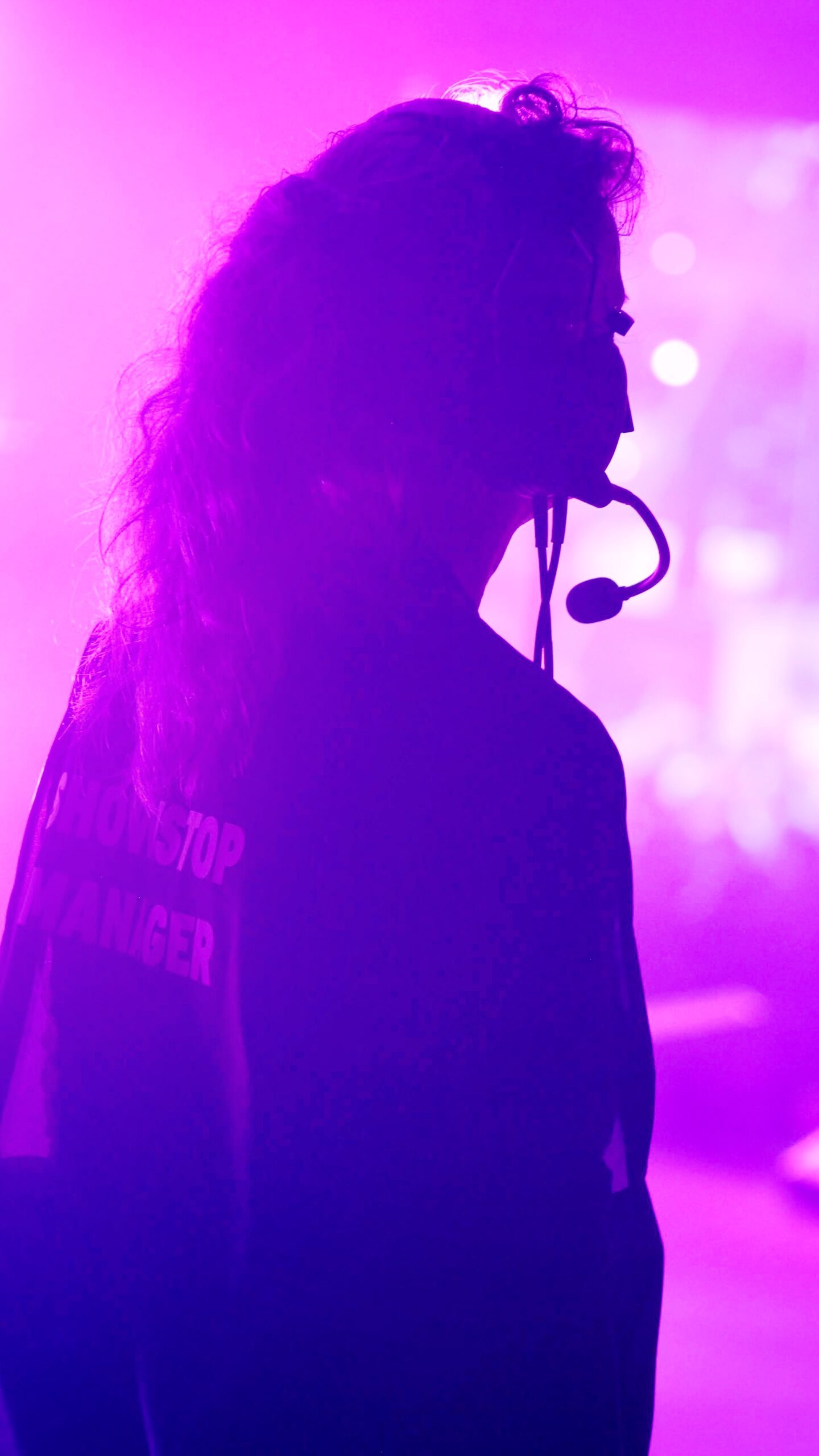
This is part of what we talk about in the course: there is an artist rep, and there’s a Showstop manager. The Showstop manager is venue-based, and more often than not, they would be the one asking for the show to stop. They would go to the artist rep, and the artist rep, being somebody who is recognized and trusted by the artist, would then walk on stage, and explain to the artist why the show needs to stop. They would stop as soon as they see you walking on stage, but you’d still explain to them, why it had to stop, and if they’re required to say anything to the audience. Everybody’s there to see the artist, they don’t want to look at Mark Hamilton making an announcement. For all intents and purposes, you want the artist to be the communicator, even if it’s just a simple, straightforward message.
I suppose another way of putting it is, by the time you get to the show’s beginning, the Showstop manager, and the artist rep are not strangers anymore. They know each other well, they’ve had conversations, they’ve shared documentation. They know the plan. And the artist’s rep and the artists are obviously not strangers. They know and trust each other, and they know their plan. That’s when it becomes seamless.
Anybody U.S. based interested in finding out about upcoming Showstop Procedure courses can find out more on the Pink Bows Foundation website.
FREE
 Daily Pulse
Subscribe
Daily Pulse
Subscribe
 Daily Pulse
Subscribe
Daily Pulse
Subscribe