
Jazzing Up LA: Blue Note Club To Reinvigorate Hollywood Scene
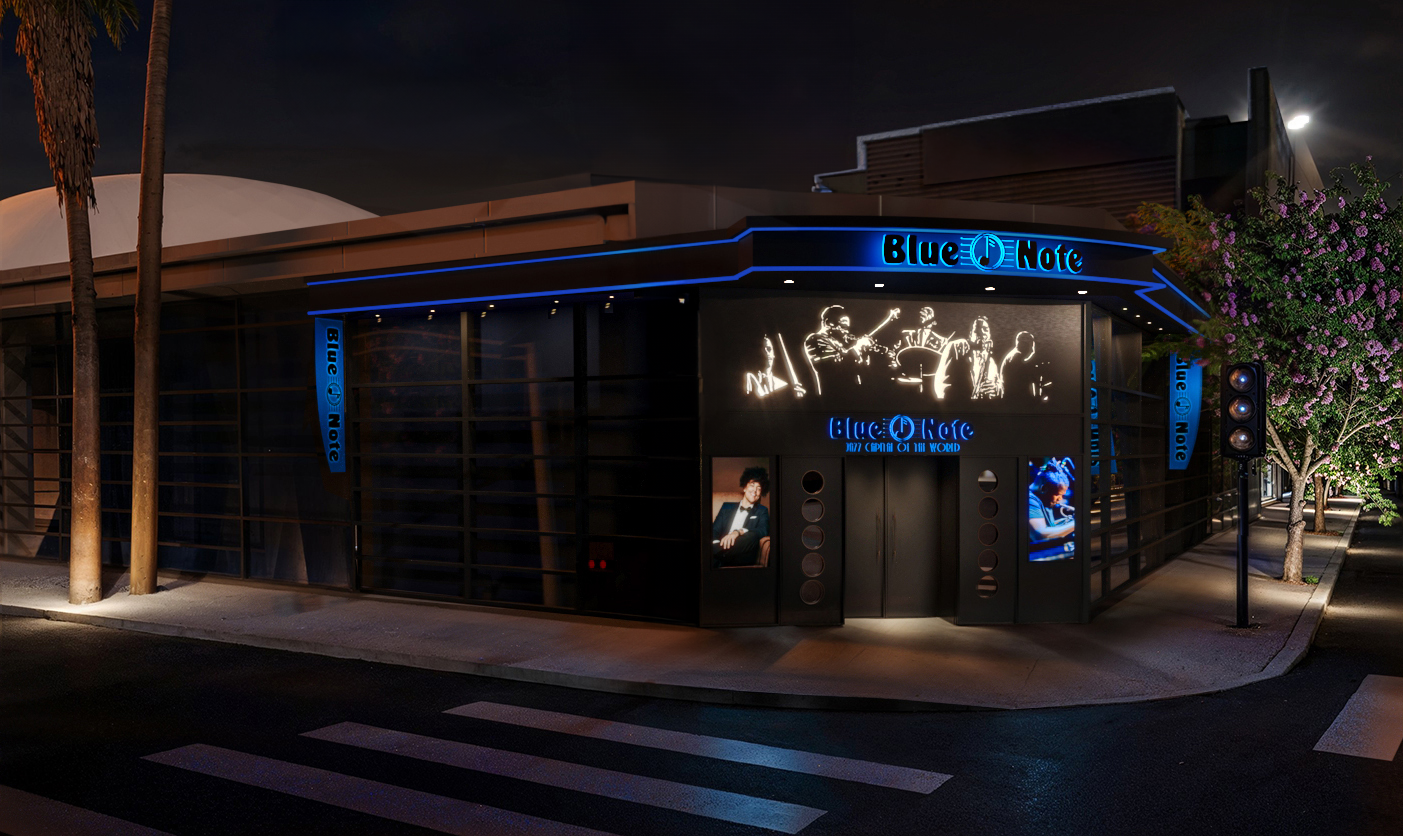
Los Angeles, the live entertainment mecca known for iconic venues like the Kia Forum, Hollywood Bowl and Troubadour, is looking to add another legendary institution to complement the vibrant SoCal music scene.
Blue Note Entertainment Group, owners of the renowned jazz club in New York and similar venues in Napa, Tokyo, Rio and Honolulu, is finally ready to open its doors in Hollywood with a stacked opening season that includes Alex Isley, Charlie Puth, Ravi Coltrane, Mayer Hawthorne, Esperanza Spalding, Killer Mike, Kamasi Washington and many more. Five-time Grammy winner Robert Glasper, who works with Blue Note on various projects and often has a residency at the New York location, will open the Hollywood club with a two-night, four-show stand Aug. 14-15.
Steven Bensusan, president of Blue Note, can’t help but feel relieved about the new club opening after the fires in January delaying the project.
“We’re still putting the finishing touches on the venue, but it feels great,” says Bensusan, whose father, Danny, opened the New York club in 1981. “We announced all the shows we had booked now until the end of the year and seeing tickets selling and the reception from local fans is amazing, that’s when I felt relief. … We’re looking forward to showing people what the club’s going to look like.”
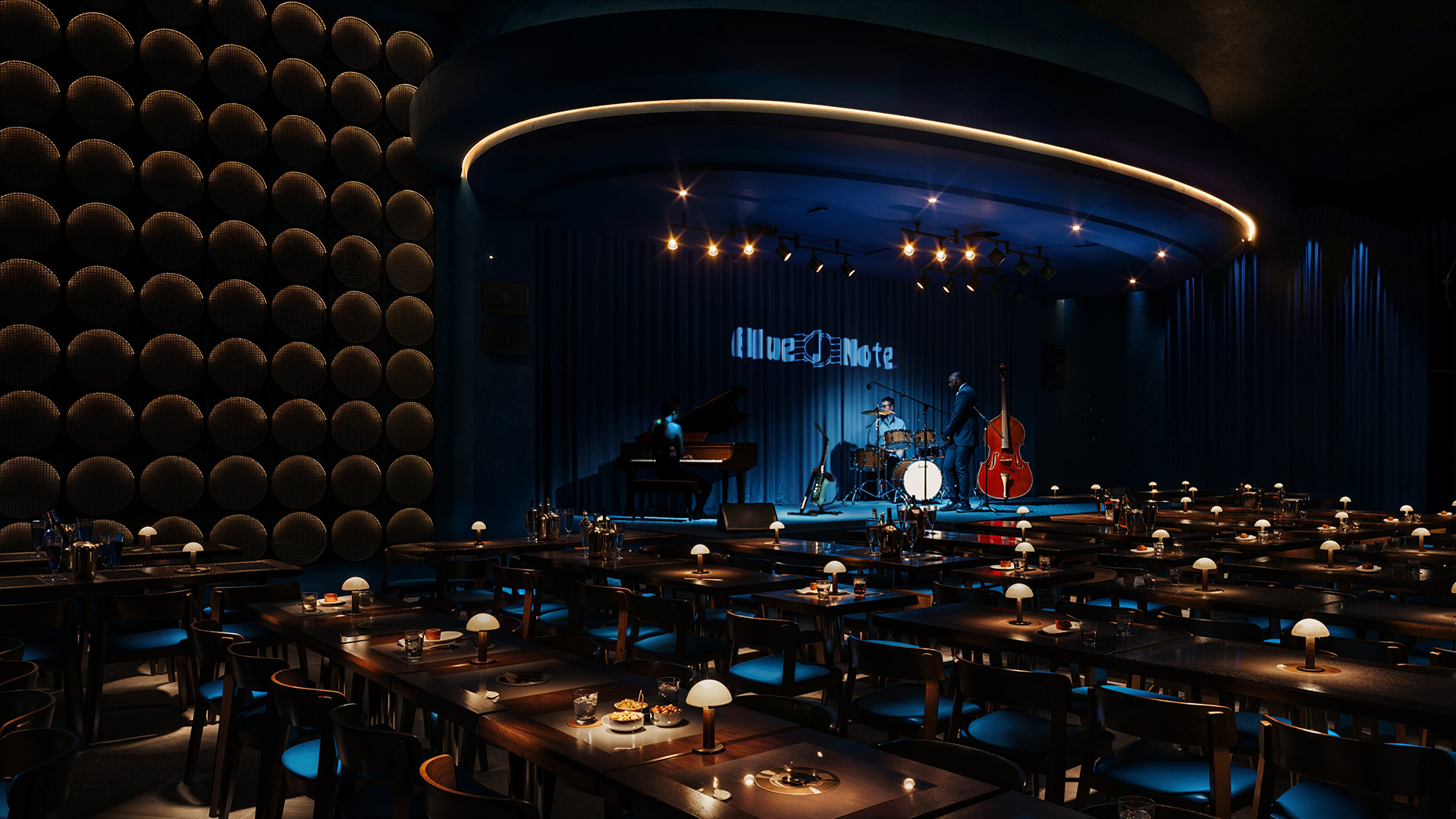
The new 200-capacity club was designed to look similar to the one in Greenwich Village but with its own nuances that reflect the culture of Los Angeles. It also features what Blue Note calls a B-side room that accommodates 100 guests and can present local, developing talent as well as host afterparties for headliners.
The club takes over what used to be two restaurants located at the corner of Sunset Boulevard and Ivar Avenue, an intersection with a lot of foot traffic that thrived before COVID with eateries and the beloved ArcLight movie theater, which includes the iconic Cinerama Dome, on the same property.
Those businesses shuttered, but the area remains busy, especially with the development of hotels nearby, and the opening of Blue Note could serve as a catalyst for others to invest in the Hollywood scene.
Alex Kurland, Blue Note’s director of programming, believes jazz music may just be what the area needs.
“Honestly, operating and just presenting artistically rich programming, music is powerful, and it has a healing power,” says Kurland. “Bringing in interesting artists, programming unique bookings and having the daily traffic, all is hopefully going to encourage positive impact in the area. I think the work we’re going to do is going to be a driver rather than us taking an initial approach to reviving or revitalizing that area.”
Blue Note’s venture could similarly impact the jazz scene in the greater Los Angeles area, which has gone through difficult times in the past decade. The genre’s aficionados have seen beloved clubs like Blue Whale in Little Tokyo, ETA in Highland Park, Charlie O’s in Van Nuys and The Varnish in downtown shutter, but Angelenos now will have an established institution like Blue Note swooping in to not only to draw jazz enthusiasts but general audiences as well with its diverse programming and star power in an intimate setting.
“Truly, the music leads, so I think it’s actually about doing less and getting out of the way of it all and it being a music-led, artist-led experience at the end of the day … and really just enabling it to be a free creative space and expression within, enabling the opportunities that the artists feel are meaningful,” Kurland says.
The Blue Note brand is known for its spontaneity among its artists, who often bring friends and contemporaries to join them on stage, whether it’s at a club or at the festival in Napa. For years, the company wanted to bring its intimate, vibrant scene to L.A., and the stars began aligning sometime in 2020.
Chief Operating Officer Tsion Bensusan said notable figures in the music industry, including artists, often spoke about the need for a Blue Note club in Los Angeles, but the entertainment company wouldn’t do it unless many boxes were checked.
“There were a lot of aspects that we were looking for, which were accessibility from different areas of Los Angeles, parking, finding space with minimal columns and a place that just felt right for the venue,” Tsion Bensusan says. “We feel confident that it’s the right time now, with so many emerging jazz artists. And we’re at the forefront of presenting a lot of those musicians and collaborations with different musicians as well as giving our audience different experiences that they can’t really get at a larger theater. … It’s been our model, and it’s been working.”
It wasn’t an easy search, mainly because, like many other major metropolitan areas, parking can be a challenge in L.A., especially Hollywood. Steven Bensusan said they looked at buildings in many neighborhoods throughout Southern California, including West Hollywood, Beverly Hills, downtown and Santa Monica.
“I wanted something that was central, something where the physical space made sense,” he said.
Aside from the rectangular structure that was ideal for the club, what really drew Blue Note to the building was the fact that it had an accessible multilevel parking garage dedicated to the local businesses within the property.
It’s also a well-known corner among Angelenos who used to frequent the ArcLight movie theaters and Cinerama Dome, which opened in 1963 and is considered to be hallowed ground by local cinephiles. It went out of business amid COVID shutdowns, but Tsion Bensusan said they were told by the landlord that there are plans to restart the theater, which would make Sunset and Ivar a bustling cultural hub powered by music and film.
“I’m using the Cinerama Dome as a reference point when explaining to artists and people in the industry where we’re opening, and the consistent response across the board is, ‘Oh my gosh, amazing location,’” Kurland says. “And then they talk about that time in 1984 or another time in the late ’90s, how they went there. I love that part of the process, of the storytelling and history that informs the new development.”
That recognition and visibility was a major selling point along with parking, and though the landlords were easy to work with, there was a lot of work to be done to realize Blue Note’s vision. The entertainment company hoped to utilize much of the infrastructure from the former tenants, a sushi and an Italian restaurant, but they ended up having to “gut everything,” Tsion Bensusan says.
“We did a complete gut job; rebuilt everything,” he added. “All new electrical and plumbing. It was a lot of work, and the process isn’t that easy or smooth. And we weren’t familiar with the process, being from New York, so it took some time to learn it and get it done.”
The venue boasts a state-of-the-art d&b Audiotechnik sound system within a space that has 15-foot-high ceilings. The L.A. stage is slightly larger than the one in New York and will have more luxurious seating for band guests and VIPs.
Blue Note in L.A. will also have a full dinner and beverage menu crafted by Asaf Maoz, whose trendy restaurant Carmel is one of L.A.’s most highly rated. The club will offer weekend brunches and dinner throughout the week, encouraging people to arrive early and enjoy the venue, and there will be a retail area with Blue Note and artist merchandise.
The company has already established itself in the L.A. area by taking over the iconic Hollywood Bowl for two nights. It partnered with the Los Angeles Philharmonic for the Blue Note Jazz Festival in June, which featured The Isley Brothers, De La Soul, Derrick Hodge and D Smoke on the first night, and Grace Jones, WILLOW, Stanley Clark and The Soul Rebels for the second show.
As Blue Note gears up for the highly anticipated opening of the L.A. location, it’s also working toward opening a new club in London sometime next year, not only showing the company’s growth in the venue and festival space but also the increasing demand for intimate, jazz-inspired entertainment.
“We’ve grown slowly, and we didn’t have a major growth spurt until recently,” Steven Bensusan says. “I think the pandemic opened our eyes to doing outdoor events. … In general, over the last couple of years, we sat back and said, ‘OK, where can we replicate what we do in New York?’”
Being able to replicate that in L.A. wouldn’t have been possible without Blue Note’s reputation and relationships forged in clubs and festivals. After the devastating fires in January delayed the opening, agents and managers were understanding and continued to work with Kurland on the club’s opening season.
“We’re just so grateful that everyone involved was motivated to work with us on a new venue, a new opening and a new market for us,” Kurland says.
FREE
 Daily Pulse
Subscribe
Daily Pulse
Subscribe
 Daily Pulse
Subscribe
Daily Pulse
Subscribe