
Grand Ole Opry Celebrates The Incredible Life Of Jeannie Seely With Love & 5,398th Show
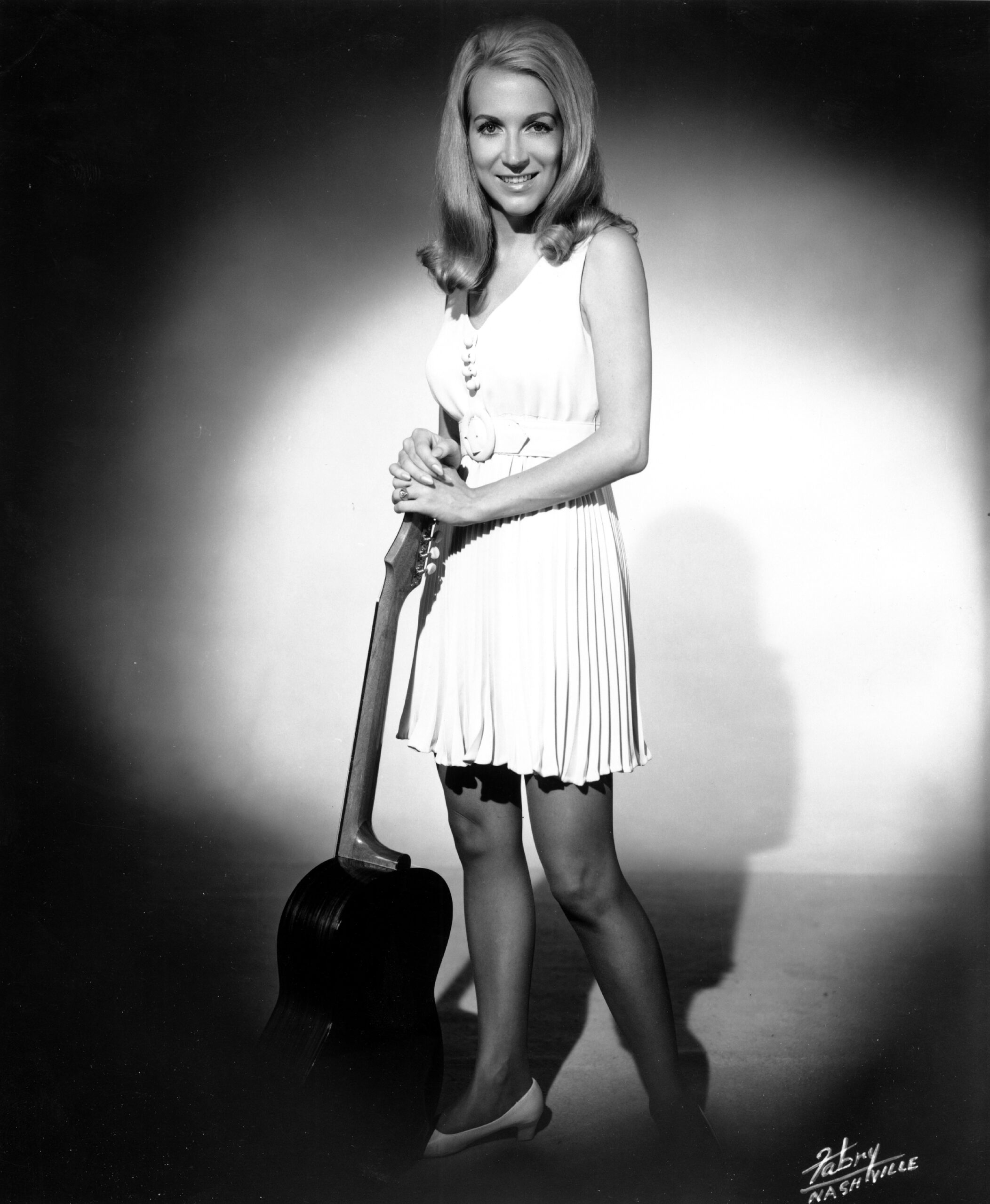
When special guest President Richard Nixon appeared at the opening of the $15 million Grand Ole Opryhouse on March 16, 1974, Roy Acuff tried to teach him to yo-yo. Nixon played upright piano and sang “Happy Birthday” for his wife Pat, as well as “When Irish Eyes Are Smiling” and “God Bless America.” But what landed the President on the front page of America’s newspapers was telling the audience: “Some girls have looks but can’t sing. Others can sing but don’t have looks. Jeannie Seely’s got them both.”
She sure did. Long before Madonna or Shania Twain, the blond Grammy-winning songwriter and vocalist wore black body skimming flares pants and a black buttondown shirt tied up to reveal her midriff. Having long bucked the Opry gingham’n’crinoline tradition since arriving from California, the Pennsylvania-born vocalist performed one song and made quite the impression on the President.
Seeley, who died August 1 at 85 years of age, understood being true to yourself – and making an impact. With Opry membership that spanned seven decades, she performed more Opry shows than anybody. Whether singing sexually frank songs at the iconic institution known for its conservative values or challenging management that she’d quit wearing mini skirts onstage when they stopped admitting patrons wearing them, she was an artist who stood her ground.
For all of those reasons, on Thursday, August 14 at 11 a.m. Eastern/10 a.m. Central/8:00 a.m. Pacific, Seely’s Memorial will be simulcast on WSM-AM as well as streamlined HERE.
Billed as “Jeannie Seely’s 5,398th Opry Show,” the celebration of life will be an exuberant affair – crowning Seely’s unprecedented 5,397 appearances. The event marks a life spent giving back, breaking ground and standing as a bellwether for generations of female artists from good friends Dolly Parton and Lorrie Morgan to Carly Pearce and Mandy Barnett.
Called “Miss Soul Country” for the emotion that permeated her vocals, Seely was born in Titusville, PA. in 1940 and grew up listening to the Opry. Music called the slight blond, who’d sung on local radio stations. Working as a local bank teller, she moved California where she worked in a Beverly Hills bank, until landing a job at Liberty Records.
The young woman was writing songs that other women found their own truth in. New Orleans’ Irma Thomas recorded “Anyone Who Knows What Love Is (Will Understand),” which Seely co-wrote with Randy Newman. Connie Smith recorded “Senses,” written with Glen Campbell, and Dottie West recorded “It Just Takes Practice,” with Gail Talley.
She also signed to Gene Autrey’s Challenge Records, which got her in the game.
If her first deal only delivered regional success, Seely did the work and made friends. As America was experiencing a profound societal shift, the lithe woman who’d been an honors student wanted to record songs that reflected how women actually felt.
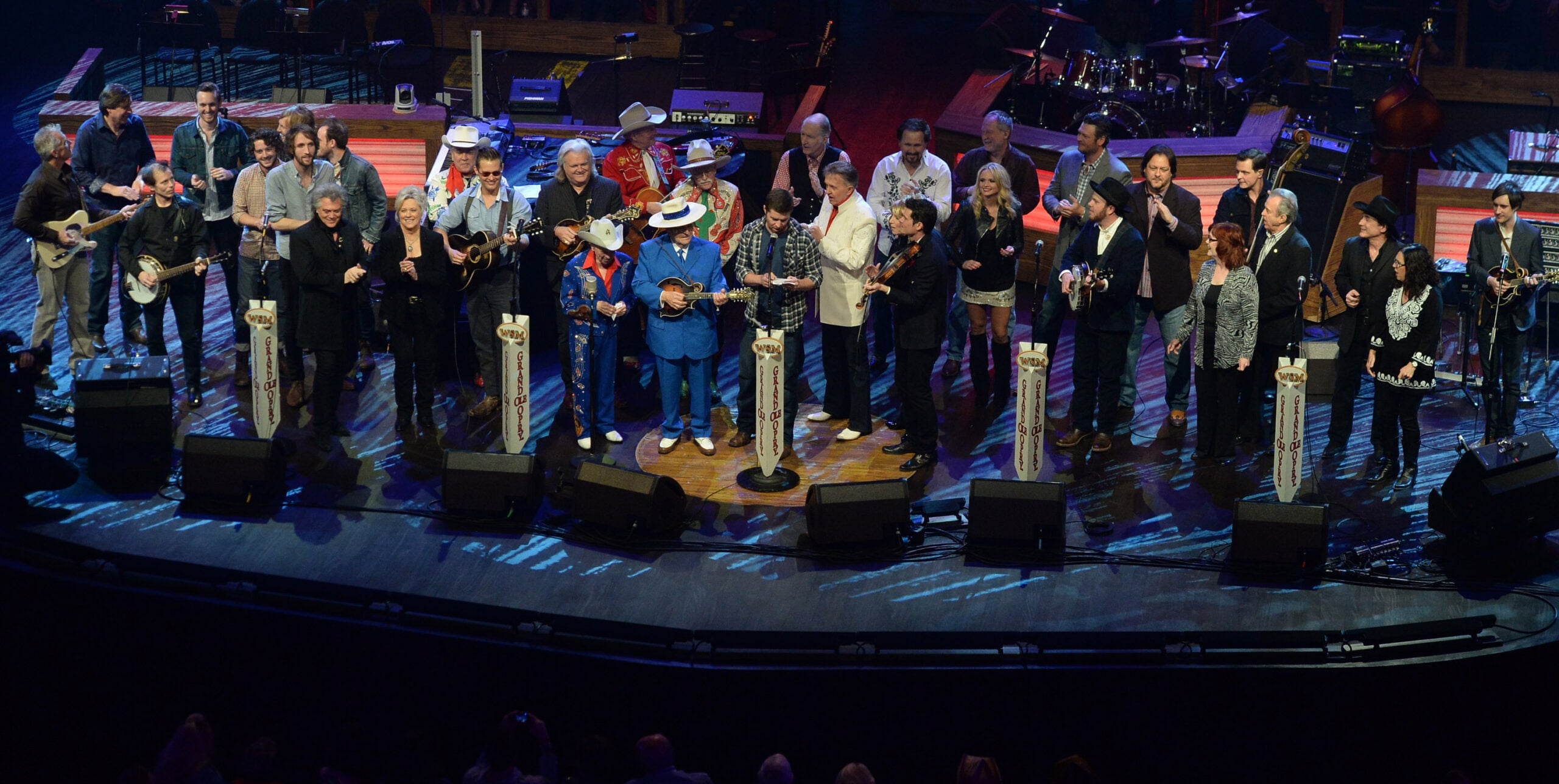
Meeting future Country Music Hall of Fame songwriter Hank Cochran and Dottie West during her time on Challenge, they both encouraged her to move to Nashville. In 1965, she did. Following Norma Jean as the “girl singer” on Porter Wagoner’s TV show, she knew she wanted more; Dolly Parton succeeded her.
Running into Cochran, who’d written Patsy Cline’s “I Fall To Pieces,” at Nashville’s DJ Convention was fortuitous: she found a writer who understood her perspective. The pair wrote “Then Go Home To Her,” a picture perfect truth about the other woman’s life, which Norma Jean had a hit with. Cochran, believing Seely had a gift, took her tape to every label in town.
Monument Records’ Fred Foster finally agreed, provided they had a hit. Cochran delivered “Don’t Touch Me,” another frank, but vulnerable song about wanting emotional connection as the sexual revolution was taking off. As the Village Voice’s Robert Christgau raved Seely “took country women’s sexuality from the honky-tonk into the bedroom even though it didn’t end up there, and the on-again off-again ache in her voice retained its savor afterwards.”
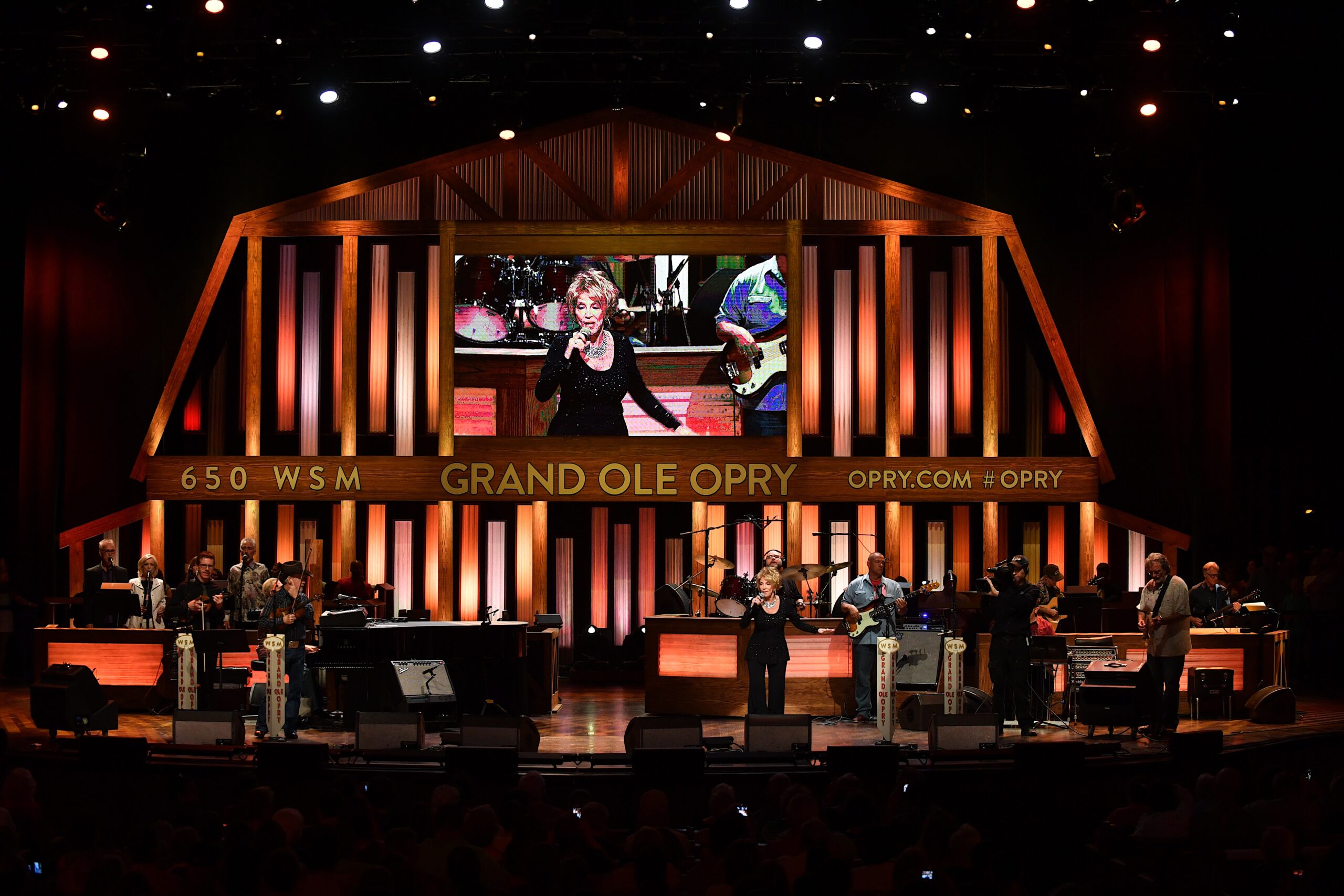
Her performance of “Don’t Touch Me” won the 1967 Grammy for Best Female Country Vocal Performance. It went on to be covered by Tammy Wynette, Ella Fitzgerald, Etta James and Bettye Swan, who made it an R&B hit
Seely and Cochran would marry for ten years. She would record an album of his songs, called Thanks Hank. She continued to voice women’s concerns throughout the late ‘60s and ‘70s, “Alright, I’ll Sign The Papers,” “Welcome Home To Nothing,” “It’s Only Love” and “I’ll Love You More (Than You Need).”
Even more compelling, Seely challenged the norms. With her mini skirts, intellect and willingness to speak up, she wasn’t just a sex symbol, but a force. After decades of women not being allowed to host the Opry shows, her constant questioning of the practice saw Seely, an Opry member since 1968, “kick in the door” to become the first lady to host a segment in 1985.
What people now take as a given is because Seely refused to accept “the tradition,” which she always said “smells like discrimination to me.”
She continued to write. Legends like Merle Haggard, Willie Nelson, Faron Young and Ernest Tubb all recorded her songs, proving her emotional blade cut for both genders. She had a cameo in Nelson’s “Honeysuckle Rose” and starred with Faye Dunaway in “Changing Hearts,” as well as appearing in a Nashville staging of “The Vagina Monologues” alongside Morgan and Pam Tillis. Beyond all those Opry appearances, she could be found doing her “Sundays with Seely” from noon to 4 pm on SiriusXM’s Willie’s Roadhouse station.
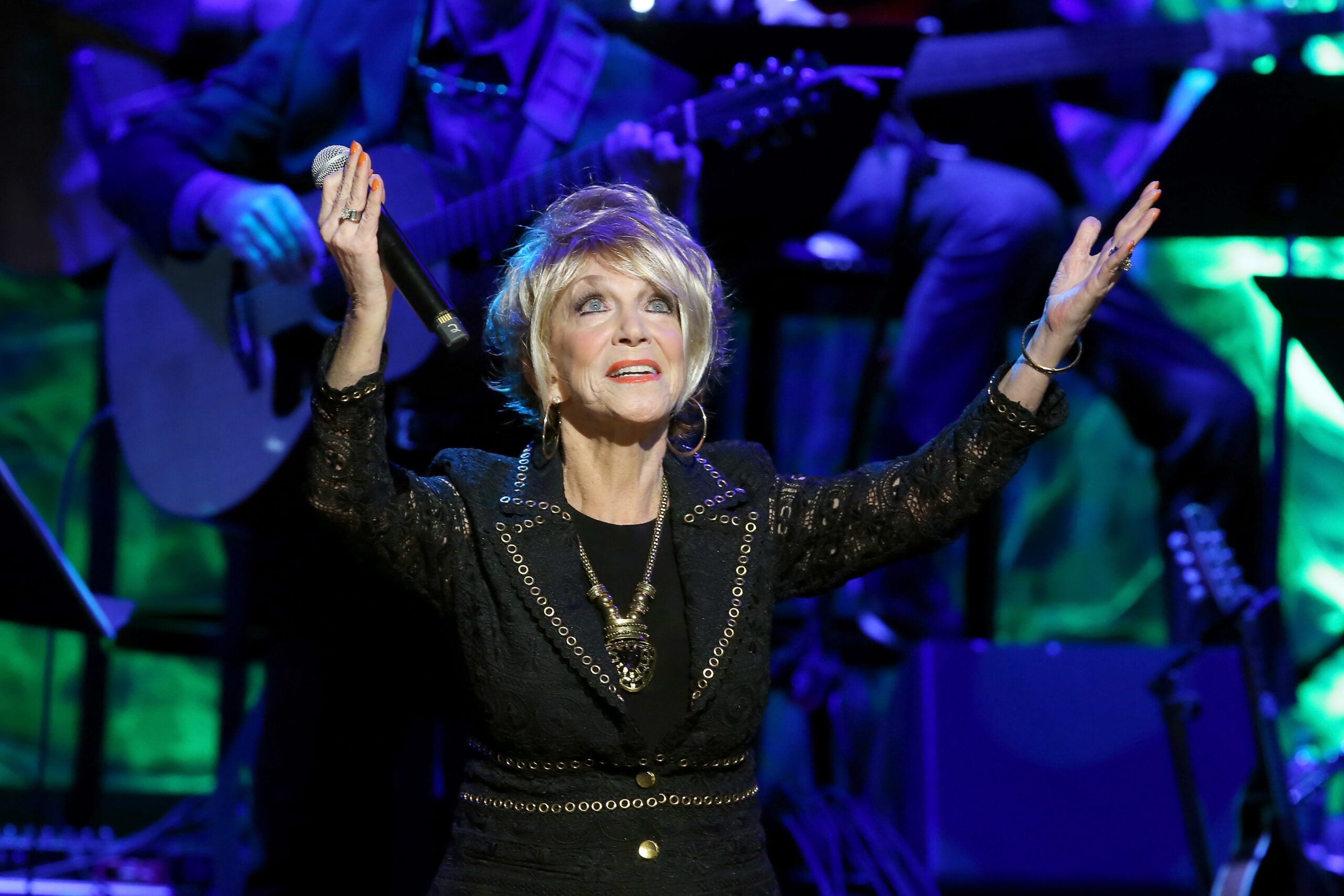
She never stopped creating, loving life or welcoming people into the Opry family. Beyond her years of co-hosting the SOURCE Hall of Fame Awards with Brenda Lee, to recognize the unseen women who make the music happen, she released An American Classic in 2020, produced by noted historian, songwriter and academic Don Cusic that featured originals, classics, Willie Nelson, Waylon Payne, Vince Gill, Steve Wariner and bluegrass sensation Rhonda Vincent.
Plagued by health issues her last few years, Seely was always quick with a hug, a smile, a laugh and a genuine “how are you?” She reminded everyone to stand up for yourself without being a bully, work as a team, but always keep striving and know the power of a song to light people up.
For anyone who wishes to honor her legacy, in lieu of flowers, donations to the Opry Trust Fund, which helps Opry members in hard times would be lovingly accepted. opry.com/about/opry-trust-fund
FREE
 Daily Pulse
Subscribe
Daily Pulse
Subscribe
 Daily Pulse
Subscribe
Daily Pulse
Subscribe