
David Roach: A Rock ‘n’ Roll Requiem For Junkyard’s Beloved, Complex ‘Simple Man’
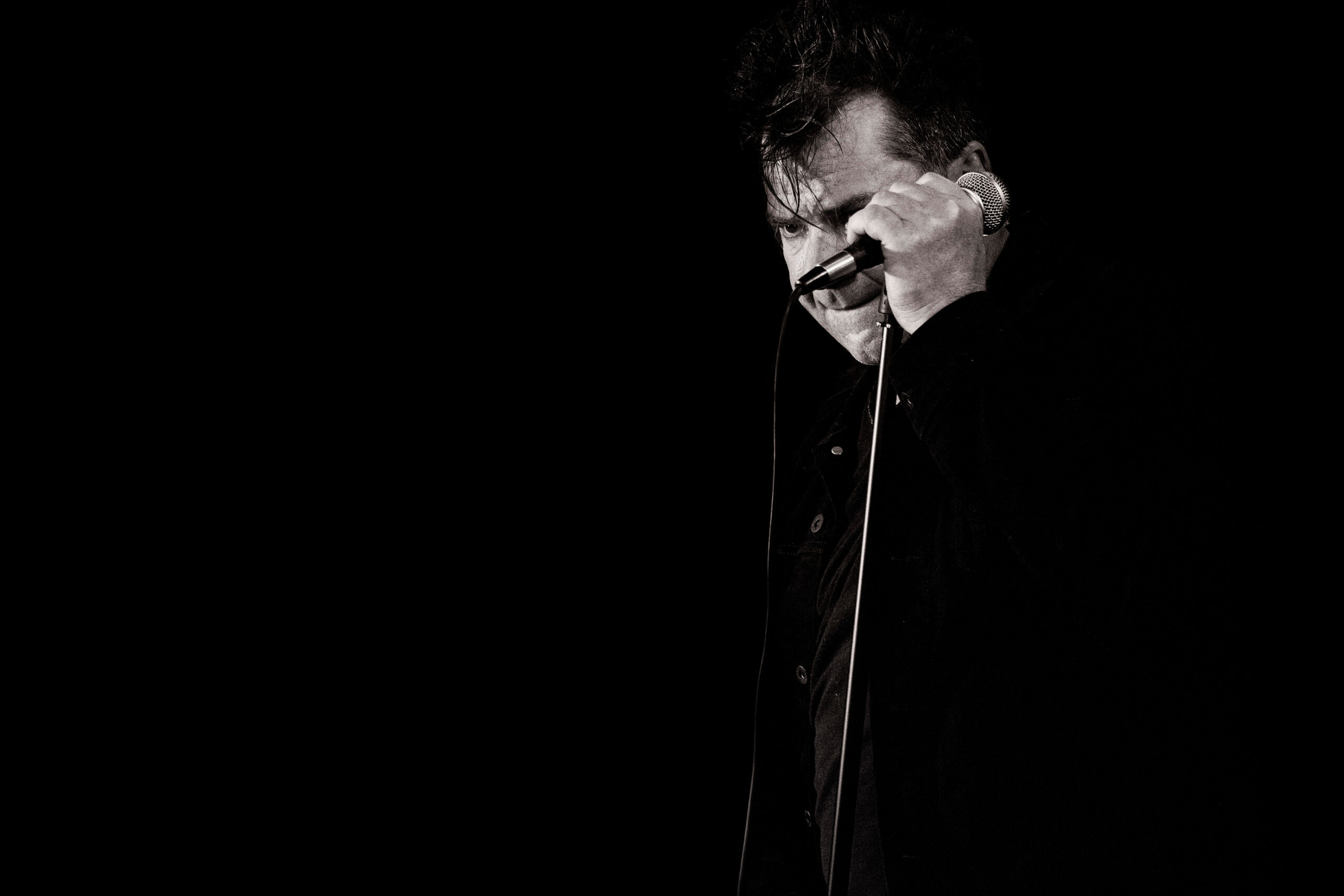
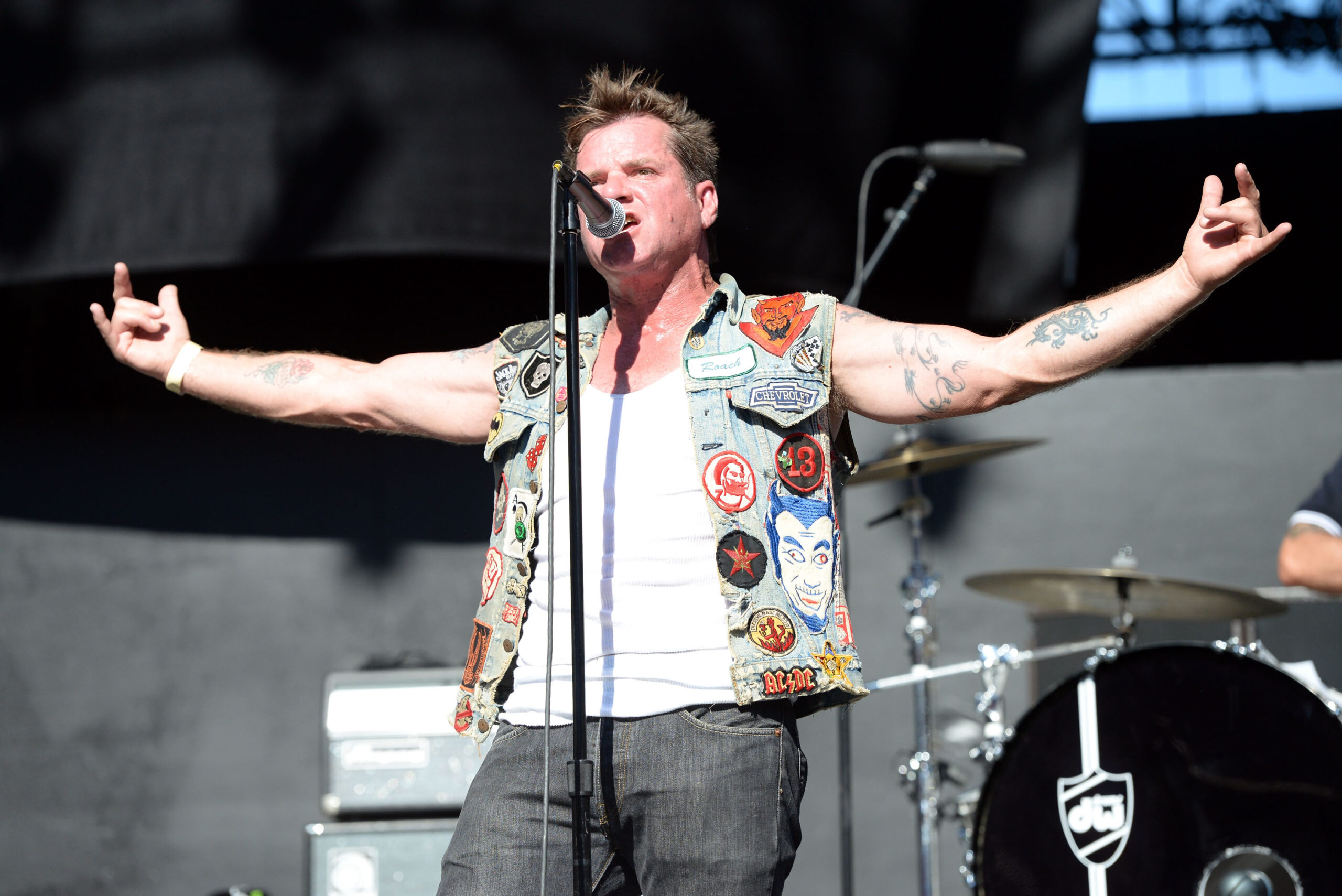
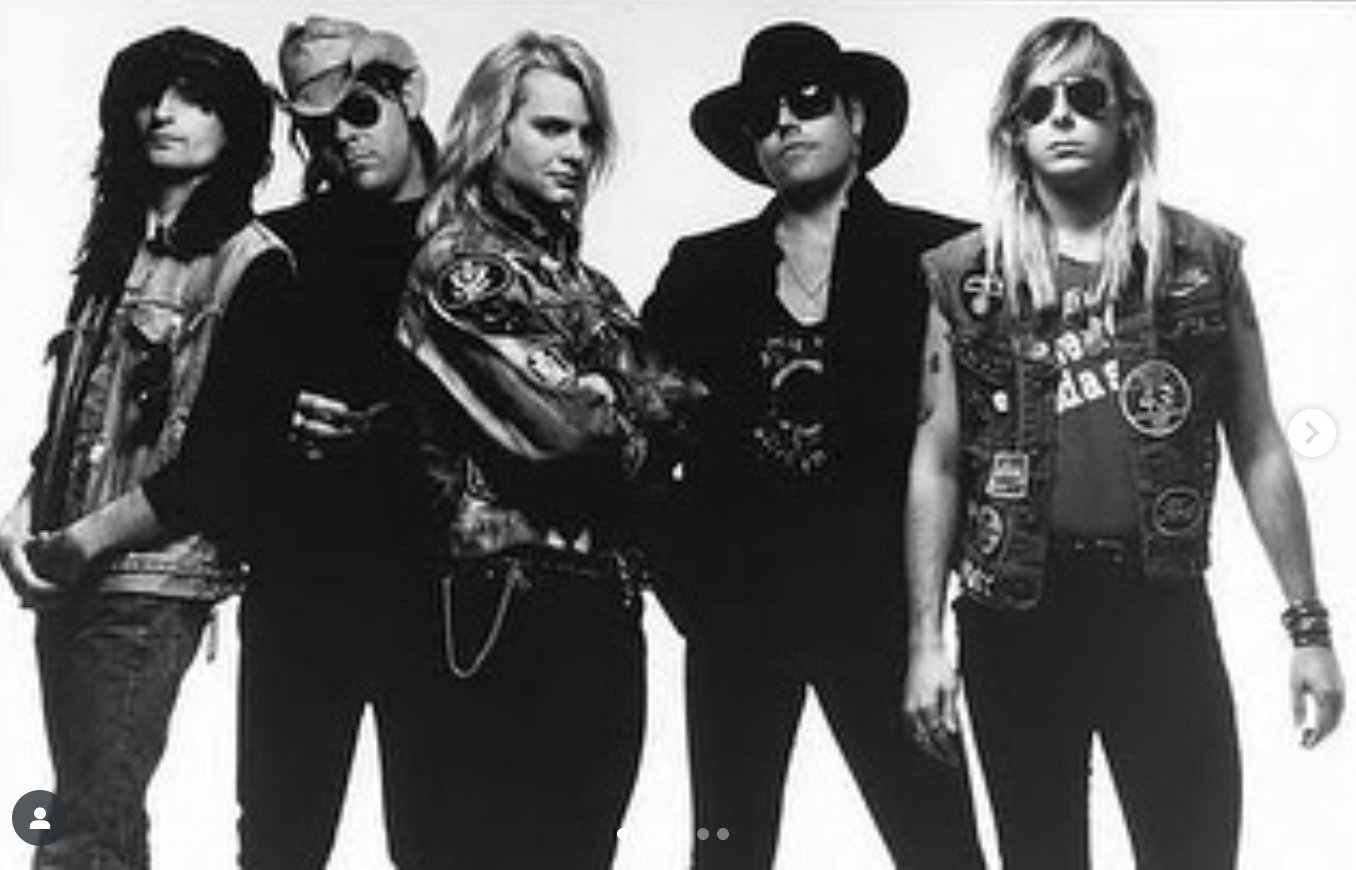
“I live like I want to / not like I should, yeah,” sings David Roach in “Hollywood,” a raucous bit of rock ‘n’ roll truth telling from Junkyard’s potent and timeless 1989 Geffen Records debut. The lyric serves as a de facto motto for the hard-living, much-beloved frontman, who died of cancer on August 2, 2025, at the age of 59.
Junkyard may not have been the most famous band to emerge from LA, but they were one of the most genuine and long-lived, their catchy punk-blues-metallic-Southern-fried musicality matched by Roach’s brutally honest, gutter-poet songs. Self-reflection–as he agonizes with pain self-blame in the wrenching “Hands Off”–is delivered with a perfect combo of bluster and busted as he laments, “Now what the hell am I gonna do / When I don’t even know what I did?”
Roach, a Texas native who formed the band in Los Angeles in 1987, was a quietly humorous, humble straight-shooter who became an instant fixture on the L.A. semi-underground rock scene. He used his hard-knock life and heart-on-his sleeve demeanor as inspiration for tunes like Junkyard’s most-streamed song, “Simple Man.” In the video, Roach is long-haired and baby-faced, guitarist Chris Gates’ slide guitar and the band’s soulful back-up harmonies creating an instant dive bar favorite.
Tributes in Rolling Stone, the New York Times and People magazine are a testament to Roach’s every-man appeal, a lovable likability not unlike another fallen hero, Ozzy, the two men tattooed, wise-cracking talents who became heroes across generations.
Tim Mosher, a DC transplant who met Roach after the two found themselves in the aspiring rock star fray in mid-‘80s LA, joined Junkyard in 1999. He describes the lineup and its frontman’s singular appeal. “I think [Junkyard] is a pretty pure distillation of all the elements that were happening in the East Hollywood scene of the late ‘80s: too ugly to be on the Strip—and not interested,” says the guitarist/producer. “Punk ‘n’ roll, sleaze rock, whatever they were calling it. It’s a combination of punk and country and AC/DC–that stew, which a lot of guys were messing with at the time–but the band had better songs than most. [Guitarist] Chris Gates and David wrote some great songs in that first couple albums. And Brian [Baker, now in Bad Religion] too.”
Airtime on MTV’s Headbangers Ball, and over the years, popularity and tours in Europe and the UK, on the Monsters of Rock Cruises and, in the second half of the band’s career, gigs with other LA bands of their time and ilk like Rhino Bucket and Little Caesar, brought out the faithful and earned Junkyard new and rabid fans of all ages and stripes.
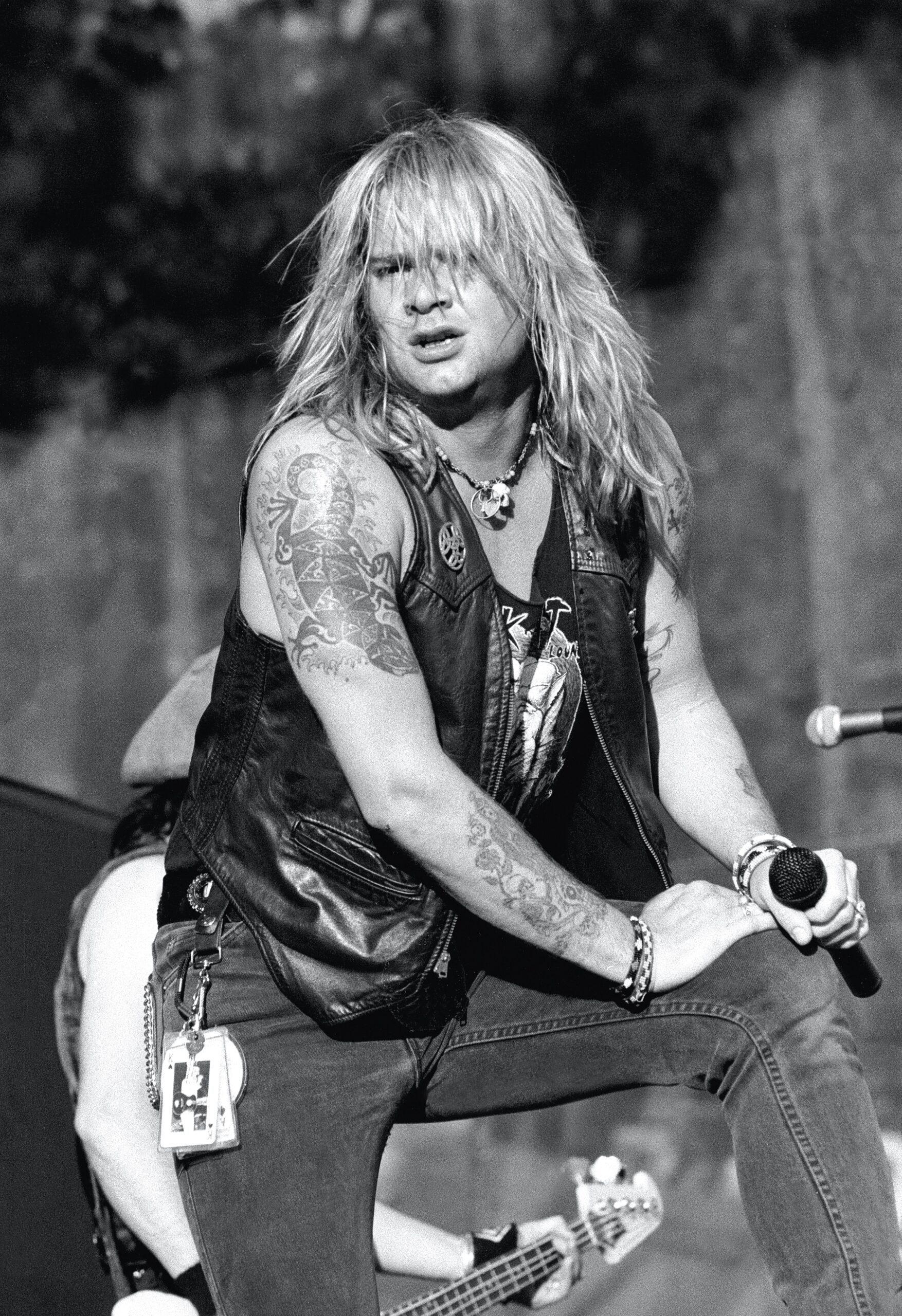
Dangerous Toys singer Jason McMaster was a high school pal of Roach’s; the two bands scored record deals early and first toured together in 1989. McMaster notes of his favorite Junkyard songs, including “Texas” and “Simple Man,” that, “The stories they tell were like watching a movie. David was so great at that. He was brutally honest, but delivered it with style, even when he was talking smack. So much so, you would not know he was talking about you. Smart, somewhat self-deprecating and maybe could seem unhinged when the song would start and then float back down to the stage when the song ended. he would settle, and then start it up again, about 20 times, Incredible to watch and witness; he was like that when we were teens as well.”
Mcmaster, described the singer as “a storm waiting to happen. Creative but combustible. I think he had lived nine lives already. He might not have thought he would live this long, he was a big tree in the middle of a huge hurricane, living to tell us all about it through his voice, stories and creative sense.”
Of the myriad social media posts honoring Roach, so many included photos of the singer’s arm slung around a grinning fan, with written tributes directed to the frontman including, “As a member of Junkyard you brought loads of us together. As a person you treated us all like long lost friends.”
The sentiments from peers, fans and press are as genuine and heartfelt as Roach was, and as he remained, through his personal ups and downs, reflected in lyrics like “Now I ain’t talkin’ about no light-weight, penny ante weekend warrior / I’m talkin’ bout drinkin’ / Talkin’ when got two bucks left, you don’t want nothin’ to eat /You just gotta keep drinkin’ (“Blooze”).
Roach’s issues were his own, but universal and far from unusual, making his poetic plainspokenness appreciated by so many who related. “I am so glad the world has responded like this,” McMaster says of the huge outpouring of love and moving fan anecdotes about encounters with the singer.
“I don’t know if David ever realized his reach, his full potential as a loving, solid and humble man, to realize how his songs touched real folks and created a sort of culture,” McMaster says. “I think he would be even more humbled, and realize his vulnerability is being celebrated and making people realize how much they actually loved and respected him. This is the world taking notice of the importance of his care to the art of being this underground kinda rocker who can start rock n roll fires.”
One longtime friend and fan, journalist David Glessner, concurs: “Junkyard was always under the radar, never a household name, so the outpouring of love has been absolutely heartwarming. I think the widespread coverage speaks to the band’s underdog appeal and, specifically, to Roach’s everyman persona. I didn’t think those things mattered to the mainstream media, but I’m more than happy to be proven wrong. I think Roach would secretly appreciate it, but he’d also be quick to respond with some self-deprecating, aw-shucks wisecrack.”
Indeed, when this reporter went to a 2023 Viper Room gig, perched on a stool in the club’s hallway entrance was Roach, checking patron IDs for a laugh, and cracking wise. At that same gig, two fans were excited to see the band: The friends had flown in from Texas, gone to the San Diego show, then driven up to L.A. for the Viper Room. Travelling the country to catch numerous shows was not atypical for a Junkyard fan.
“He was one of us. No ego, no pedestal, no sense of self-importance,” Glessner furthers. “He was definitely the perfect messenger for Junkyard’s streetwise songs, but I always thought of him as a drinking buddy more than a traditional frontman. He’s the guy you were just having a beer with until the band called him up to the mic.”
If a self-destructive bent dogged the singer, he was brutally honest about his highs and lows, as a 2023 Facebook post made clear. “I know this is lame and no one cares but I still have to say, Jennifer saved my life and I love her so much,” Roach posted. “I’m going to jail tonight and she spent hours on the phone this morning talking to the jail nurse to make sure they knew I’m detoxing and would need attention. What else could you ask from a woman?”
He and Jennifer Michael married on July 19, 2025 in a wedding at the Fred & Pamela Buffett Cancer Center in Omaha, Nebraska, the ceremony officiated by his sister, Courtenay Roach-Jones, with all his Junkyard bandmates flying in from LA to attend.
You might not think a bad-ass, boozin’ tattooed Texan would be an outspoken advocate for trans rights, but you’d be wrong. He was unafraid to speak his humanistic beliefs. And his left-leaning political ones, a social media photo of him holding a blue dot captioned: “Representing in deep red Nebraska. To my Trumper friends…cmon, yall know I’m old school punk and hated Trump in the 80’s before it was cool. Let’s laugh about it someday.” His diplomacy and kindness was as genuine as his songs.
Junkyard’s final show may not have been a career high, nor was it intended to be the band’s last. Gates was back for a run of dates and Junkyard was booked with longtime buddies Jetboy for a show on February 10, 2024 at San Jose, California’s Mama Kin club.
“Was it the worst Junkyard set? Absolutely not,” Mosher states. “Was it the best? Far from it, but it was fine. Because of Chris being back, it was supposed to be a first album thing. Like, this is the two guys who started it. And so it ends with the two guys who started it on stage together. You know, there’s some symmetry there,” says Mosher. “It was kind of ignominious, but in a sense, it was actually kind of good; we went out pretty well.”
And that was that.
“I don’t think Chris felt that he was in the position to tell David what to do, but I felt I was. I went up to David’s hotel room and said, ‘Okay, it’s over, we’re canceling everything, and you’re on a plane tomorrow morning.’”
No one thought the band would be over forever; they wanted Roach to quit drinking and get healthy. But cancer had arrived before that might happen and it spread quickly. Before Junkyard left Nebraska post-wedding to return to LA, the whole band got together to talk. “He spoke of the future,” Mosher recalls somberly. “That’s what we talked about. I think the conversation could have really been a whole lot worse than it was. But we felt if that’s the goodbye, that’s pretty good. Because when we walked out of hospital, I think we all knew, yes, the reality of ever seeing him again in that state and that form was slim to none.”
Roach left the hospital the next day; he died two weeks later at home with Jennifer. Many tears were and still are being shed by band members, fans, friends, and journalists. Junkyard and Roach’s tough-guy persona made them seem invincible. The band’s ubiquitous presence and power in the L.A. scene of the late ’80s and early-mid-‘90s marking a special time for a tight-knit lovable dirtbag scene centered around Scream, Raji’s, Club Lingerie, the Anti-Club, The Gaslight, the Palace, Coconut Teaszer and various and sundry East Hollywood dive bars and rehearsal spaces, along with band party pads like Disgraceland and Junkyard’s Texas West, which they shared with the band Little Kings.
It was far from a neon-splashy Strip scene, and as such was a strong underground cadre possessed of a wild, sort of down ‘n’ out cool with so many of the bands and biz people of the era remaining friends and bandmates nearly 40 years later. With Roach’s passing, it feels like a chapter has closed, a gut punch felt by everyone who knew and loved him and Junkyard.
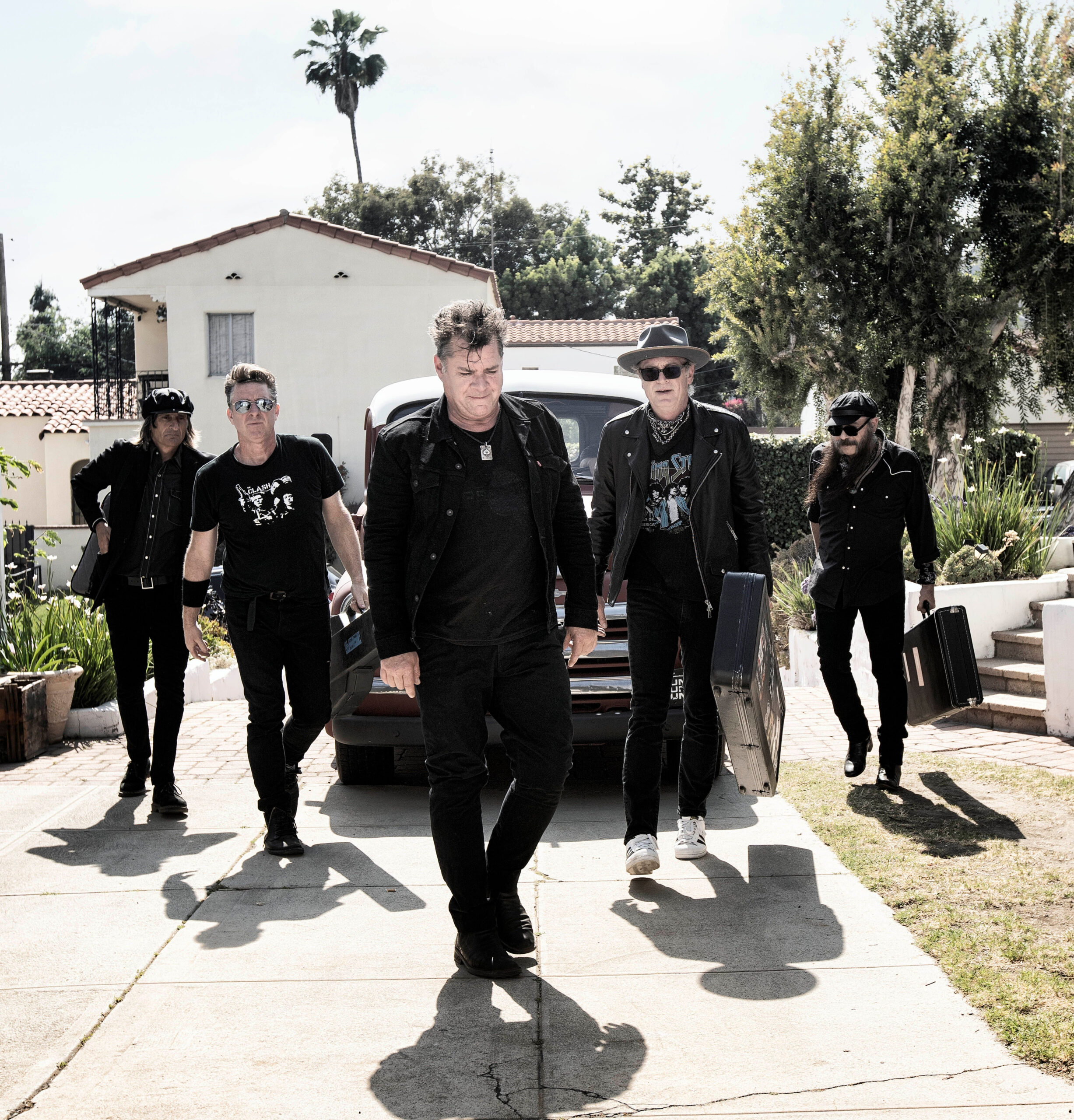
As for the ones who charted untold hours on stage and in vans crisscrossing the country? “If you want to know how the fellas are doing, we’re checking in on each other,” says Mosher of the longtime current lineup rounded out by guitarist Jimmy James, drummer Patrick Muzingo and bassist Todd Muscat. “I think the shock setting in is kind of over. You think ‘Oh, you’re prepared for it.’ I mean, we knew it was inevitable, but when it’s happening…and then the outpouring of love kind of put us all back on our heels.
“David lived his life and I accepted him wholly. I never was angry at David. I accepted David for what he was,” furthers Mosher. “I didn’t expect him to change, I just wanted him to be healthier, yes, but I’m not his father. We were colleagues and friends. So it’s a different role. Bands are weird. We spent a lot of time together. A lot, a lot of time together. But he never personally talked to us about his diagnosis, the info all came through his wife. She would send us these updates that would put the fear of God in anybody.”
A celebration of Roach’s life will be held September 13, 2025 at the swimming hole at Bouldin Creek, South Austin, TX, at 11:00 a.m., a locale where the young David spent many happy days.
Finality has knocked at the door. “I’m thinking, ‘Wow, it really is over. We are never going to do that again.’ That part of your life is over. It was a big part,” Mosher says. “It takes me all the way back to the very earliest days of what became, and is still, in essence, my career; it was around those people, and I’m still close with all those people. I came up with all of them.”
For those who fail to understand that band mentality and lifestyle, Mosher offers an analogy: “People think it’s insane. I’m like, ‘we didn’t have college, we had bands.’ When frat guys get together for their yearly college reunion, they play golf. We went and rehearsed songs and went on tour in Spain. That was our reunion. But we’re never doing that again. That hits hard.”
FREE
 Daily Pulse
Subscribe
Daily Pulse
Subscribe
 Daily Pulse
Subscribe
Daily Pulse
Subscribe