
Up & Down Under: The State Of Australian Venues And ‘A Tale Of Two Extremes’ (Australia/New Zealand Special 2025)
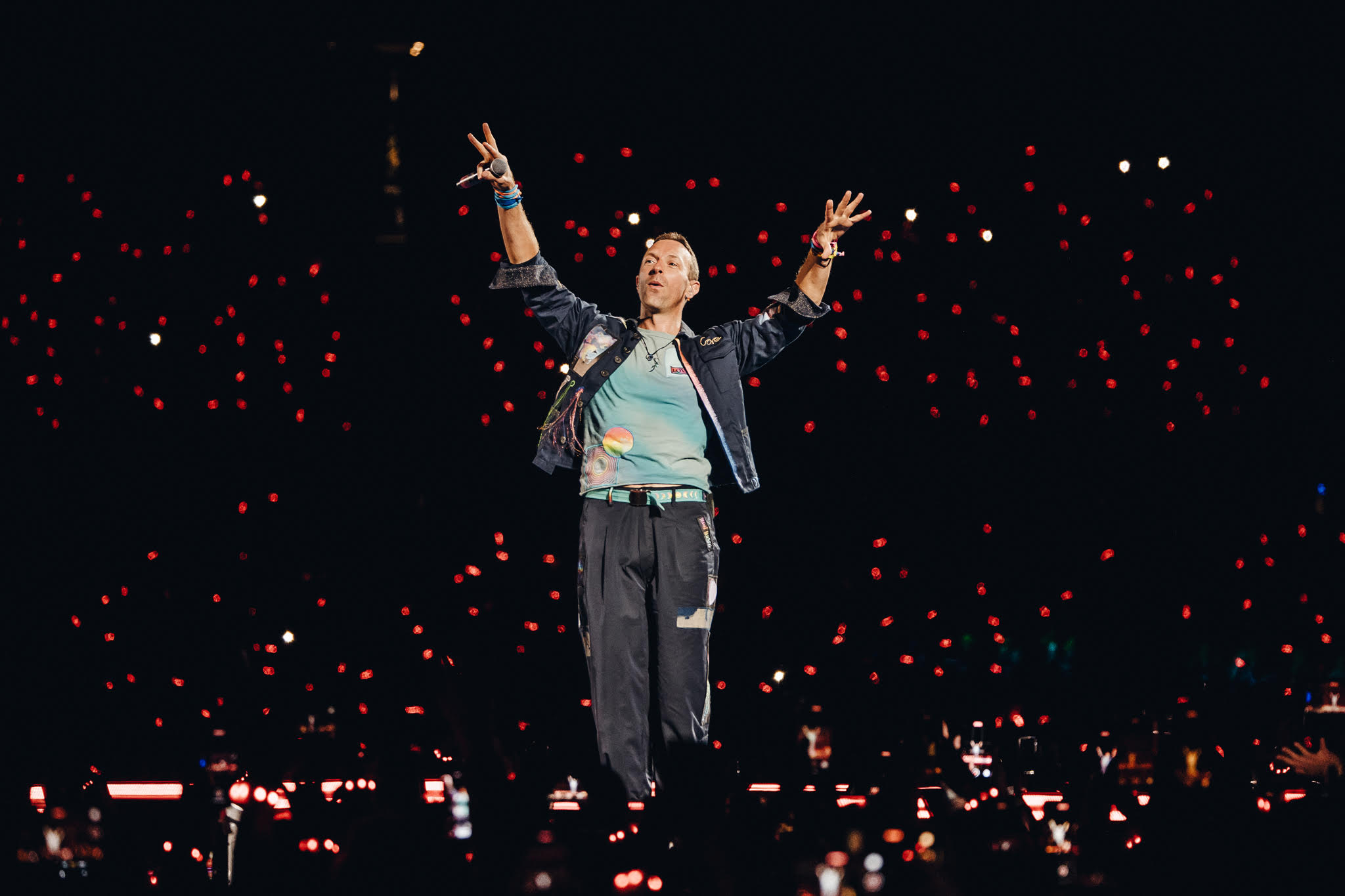
A weak Australian dollar and a sharply accelerating cost of living crisis in the country might paint a bleak picture, but live music is proving highly resilient against macro financial challenges.
“International acts are finding their way down here in record numbers,” says Scott Fitzgerald, general manager of Marvel Stadium in Melbourne. “People will go without things [in order] to spend on entertainment.” His venue is also benefitting from a recent A$225 million ($146 million) redevelopment with support from the state government, citing major concerts by Coldplay (four shows), The Weeknd (two shows), and Stray Kids – as well as three Oasis shows and an AC/DC show at the end of the year – as standout bookings.
Melbourne’s location works to its advantage as audiences will travel from across Australia and from New Zealand, with Fitzgerald saying that 30-35% of music attendees come from outside the state of Victoria. He adds that the cosmopolitan nature of the city and its rich cultural diversity means Southeast Asia acts can also play to substantial diaspora audiences there. “That’s only going to continue to rise,” he says. “Australia is a country of migrants, ultimately.”
Meagan Walker, ASM Global group director of arena operations, says all their venues in Australia have broken attendance records for their last financial year. “We’ve had two fantastic years,” she says of recent market performance. “The domestic market and the grassroots markets are still very strong.” She puts this down in part to the fact that multiple genres perform well there, pointing to K-pop, J-pop, rap, country, rock and pop acts all doing strong business there.
One challenge she notes facing national touring is the marked increase in the number of megastar residencies. “I get it,” she says. “We are obviously a global company and we do want people to go from west to east and up [the country], because it’s important. Drake did shows all around Australia – two in Perth, two in Brisbane and four in Sydney.”
Michael Scott, general manager of the RAC Arena in Perth, makes the case for including Australia’s fourth-biggest, but most remote, city on national tours. “The live entertainment market in Western Australia remains strong,” he says. “Due to Perth’s geographic isolation, not all tours include it on their schedules, making local audiences eager to seize opportunities when they arise. Interestingly, the appeal extends beyond our state borders. Research shows that even for nationally touring events, we see significant attendance from interstate visitors, averaging around 1,000 people per show.”
Thanks to less competition between events in Perth, Scott notes this often results in higher demand per show. He adds, “Perth audiences generally recognize that ticket prices may be higher, reflecting the additional costs involved in bringing tours to the region.”
While the biggest acts might prioritize Australia’s two biggest cities, Scott feels there is a massive opportunity in Perth for acts in the next tier down. “There is a sweet spot for mid-sized international artists who may not be arena-level in Sydney and Melbourne but can draw solid crowds in Perth.”
A spokesperson for Melbourne Park (which includes Rod Laver Arena, John Cain Arena, Margaret Court Arena, AAMI Park, Kia Arena and Centrepiece), says “the state of live experiences in Melbourne continues to go from strength to strength”, with 3.83 million guests attending over 500 events during the 2024-25 financial year. Taylor Swift, Billie Eilish, Ed Sheeran, Elton John, Hilltop Hoods, SZA, Billie Eilish, Drake, Dua Lipa, Kylie Minogue and Gracie Abrams were among the year’s standout shows across multiple venues.
Pop is the genre most unlocking its potential there. “Across Melbourne Park’s jam-packed content calendar, pop has increased from 38% of music shows in 2023, to 40% in 2024, and now 58% in 2025,” the spokesperson says, pointing also to strong demand for hip-hop, Latin, K-pop, J-pop, Canto-pop and Indian pop.
Kerrie Mather, chief executive officer at Venues NSW, believes that the next live boom will come from two specific genres. “The growth of country acts and EDM are where we see the opportunity along with potential Sydney exclusive residencies,” she says, with Dom Dolla and Luke Combs as standouts. “If the act is big enough, the genre doesn’t matter.”
Trish McNamara, general manager of the Brisbane Entertainment Centre, says her venue “is poised to deliver another record-setting year.” She says this is partly down to its location. “Southeast Queensland is one of the fastest-growing regions in Australia,” she explains. “Audiences across the region are highly engaged and willing to travel significant distances to attend major events.”
Shifting demographic patterns are also helping fuel growth here. “One of the most significant trends shaping the live entertainment market is the growing influence of the 15–30-year-old demographic,” says McNamara. “This audience segment is highly engaged, digitally connected, and often maintains a direct relationship with artists through social media platforms.”
Live has become truly “Instagram-worthy.” McNamara points out that social media influencers can really impact ticket purchasing. “Their ability to drive interest and ticket sales, particularly within younger audiences, has become a key consideration in marketing strategies,” she says.
Shannon Green, senior manager, business development at ENGIE Stadium and Sydney Showgrounds, says the market rebound in recent years is partly down to strong booking choices, but macro factors also have to be foregrounded. “Key drivers include a renewed appetite for live experiences, legislative changes that have removed barriers to staging events, and continued investment in venues like ours, particularly in technology, sustainability, and capacity, helping position Sydney as a global touring destination,” she says.
That said, Green explains there are still some rolling changes for the live business in Australia: “Lead times have increased, and with Australia’s geographically dispersed cities, routing remains complex. We recommend that promoters start discussions early to ensure optimal scheduling and we are supportive of stage and infrastructure sharing.”
She adds that consumers are not always buying tickets early and this is a major issue that the live business needs to work around. “We’re seeing shorter sales windows, with many waiting until closer to the event to buy tickets, requiring sustained and flexible marketing,” she says.
While huge domestic and international acts might be enjoying record-breaking attendances at shows, and mid-sized acts can see booming potential in markets like Perth, smaller acts are not necessarily benefitting from this live gold rush.
Tom Johannesen, managing partner at Encore Venues in Melbourne, says, “The live music market is currently a tale of two extremes. While the top end is booming, with major international acts selling out stadiums, the grassroots are struggling. Smaller venues are facing soaring operational and insurance costs. This pressure is compounded by the cost-of-living crisis impacting audiences.”
As such, smaller venues are having to diversify beyond music to stay in business. “We are focused on creating a calendar of unique experiences such as bingo and trivia nights, daytime events, and themed parties to draw in crowds on what would be typically off-nights,” says Johannesen. “There is a wealth of world-class talent here. There is an urgent need to strengthen the ecosystem that develops local artists.” Within this, he says, international acts should tour the regions and smaller cities more. “There are passionate music fans all over the country who are often underserved,” he argues. “While the logistics can be challenging, the rewards, in terms of building a loyal fanbase and tapping into a new market, can be huge.”
Venues adapting to changing audience needs is also an important factor in the rolling success of live music in Australia. “The Quiet Room, created with the help of [autism service provider] Aspect (Autism Spectrum Australia) is a serene space for anyone who needs to take a break from the sensory or social environment,” says Andrew Stephenson of Suncorp Stadium in Brisbane. “The Quiet Room is open from gates until 30 minutes after the conclusion of the event.”
He adds, “The Stadiums Hidden Disabilities Sunflower Program is a globally recognized symbol for non-visible disabilities, also known as hidden disabilities. Patrons may choose to wear a green lanyard throughout an event to discreetly identify to venue staff that they may need extra help, time or guidance.”
All in all, it is currently a mixed bag for Australia’s live business. Big acts and big venues are protected as their own centres of gravity, but supporting the whole business across the entire country has never been more paramount.
FREE
 Daily Pulse
Subscribe
Daily Pulse
Subscribe
 Daily Pulse
Subscribe
Daily Pulse
Subscribe