
Culture Is Currency: Unlocking Revenue Through Representation (VNC Panel Recap)
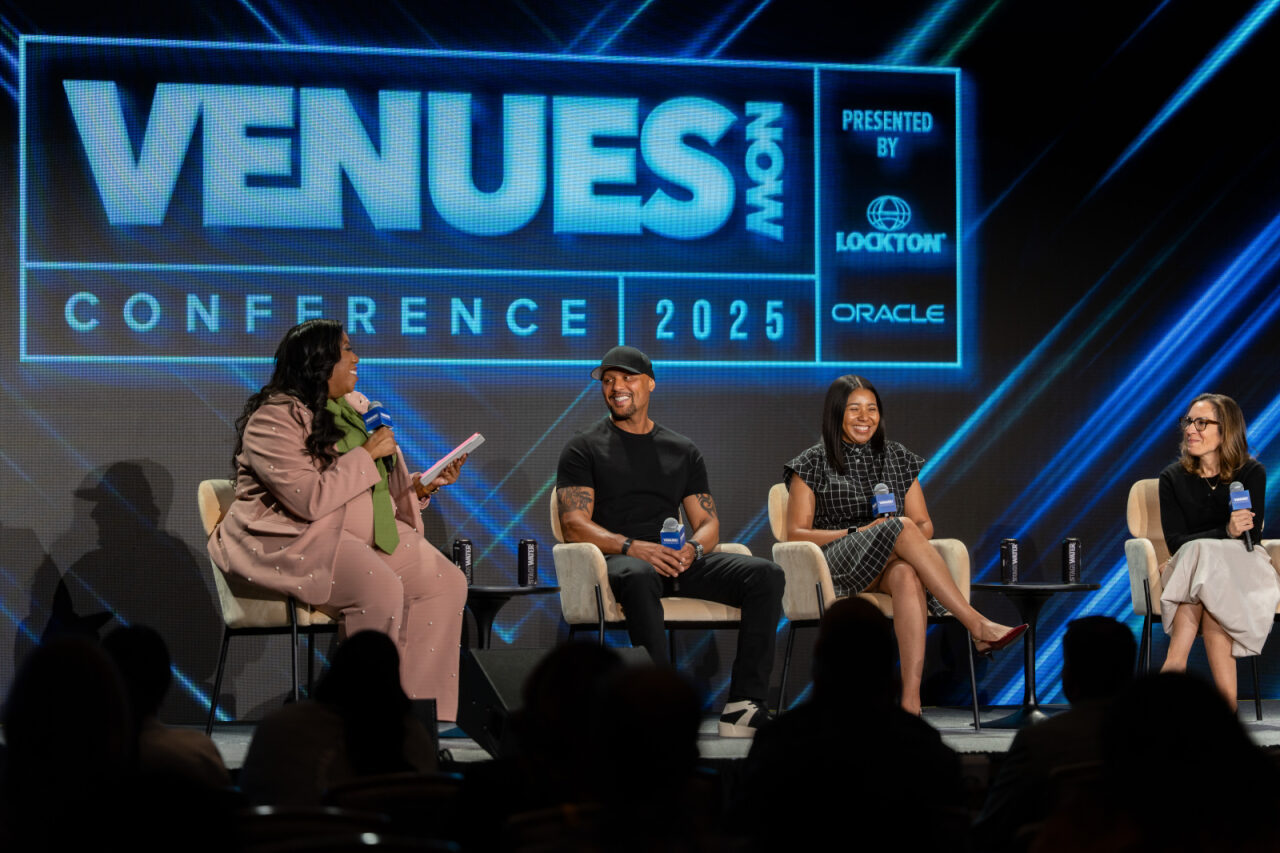
Culture Is Currency: Unlocking Revenue Through Representation Sponsored by Oracle
MODERATOR
Dr. Debonair Oates-Primus, VP, Diversity, Equity, and Inclusion, Oak View Group
SPEAKERS
Gary Guidry, CEO, Black Promoters Collective
Starr Jemison, SVP, Content Development & Private Events, Oak View Group
Emily Rudin, VP, Loyalty Products, Oracle
Dr. Debonair Oates-Primus, who serves as the VP, Diversity, Equity, and Inclusion at Oak View Group, has the heart of an educator forged during her time serving as a professor and in various leadership roles in higher education. And so appropriately enough, Dr. Deb started the “Culture Is Currency” panel providing some context about how Gen Z is the most diverse generation in our nation’s history and how traditional fanbase engagement just isn’t cutting it anymore. She noted that over the last few years we’ve seen a clear shift focusing on diverse communities – and that focusing specifically on these communities and culture can increase food and beverage sales, as well as ticket sales.
Reflecting on how R&B and hip-hop have had a major influence on everything from fashion to orchestras partnering with hip-hop artists to do shows, to cross-genre collaborations, Black Promoters Collective CEO Gary Guidry says, “R&B and hip-hop … permeates country, rock … you can’t get away from it. I think if one is looking to embrace the bottom line, you should embrace a trend that the world has pretty much recognized as the coolest thing on the planet.”
The panel turned to misconceptions, with Emily Rudin VP of Loyalty Products at Oracle noting that you can’t just put people into buckets and assume their music tastes: “Just because I’m a female who lives in the Northeast who’s in her late 40s, what does that look like? Am I like every other person of that demographic? … When we break the myths, that’s when we stop saying that every person who looks like this likes this – that’s when we allow people to raise their hands and real fandom starts.”
Guidry brought up the misconception that fans of so-called urban music all live in urban areas.
“It’s suburban, it’s urban, it’s Black, it’s Hispanic, it’s Asian, it’s Indian,” Guidry said. “If you pull up Spotify analytics and all the analytics from all the streaming platforms, you’ll find these communities are as diverse as they come. We’re starting to really use that data to market and make it more inclusive for our audiences. We love to say, it’s not just Urban; it’s for everyone. You’ll see a lot of that next year.”
Starr Jemison SVP, Content Development & Private Events at Oak View Group, noted that there’s culture in every event and awards shows coming to Prudential Center and UBS Arena for the first time can be seen as cultural plays in that they’re exposure for venues.
“You can take certain events … utilize those as a catalyst to open up the door to other events and other communities coming in,” Jemison said. “Like a lot of Indian cultural events around the country, those have been the first time [some] people have come into those venues for the first time. Now that we’ve opened it up, it’s like, ‘Oh I had a great memorable experience here so I’m going to come back for other shows that I wouldn’t normally have come tt.”
Jemison emphasized that it’s important to look at the events you’re bringing in and you’re programming to make sure it touches multiple communities so you are opening up the doors for them to continue to experience your venues.
One take-away from the panel was Guidry’s suggestion to consider alliance with other organizations in order to produce quality urban content, such as how the Black Promoters Collective is working with The Pabst Group and Omaha Performing Arts Center. He noted that promoters and venues should be prepared to make the investment and that a sense of continual consistency is needed – that it may take getting brand partnerships to wait out the months it may take to turn a profit with something like a soul series.
Dr. Deb added that if a diverse show doesn’t sell well, you can’t just think “one and done” and give up on the concept.
“I see this in the work I do. That’s what I mean by tokenism,” Dr. Deb says. “If I launch a new initiative and it didn’t go perfectly … that doesn’t mean you’re not going to commit to it for the long haul … You have to give the diverse culturally relevant content the same amount of attention and patience that you do anything else. … [rather than] holding a higher standard for diverse content.”
A concept that came up throughout the panel was authenticity, with Dr. Deb explaining, “The data shows that authentically connecting with community in ways that are meaningful is where the real revenue streams are.”
She added, “I know I keep bringing up Gen z, but they’re the next generation we should be focused on. … In my research of fanbases, the Gen Z culture don’t value alcoholic beverages over the experience, they want instagramable moments … being able to take pictures and engage. So it’s important we understand that. What the data shows, with Gen Z, whether they’re from a diverse group or not, they’re raised with diversity as an expectation, not a hope. I’m a geriatric millennial, we hope for diversity – Gen Z expects it to be diverse. They’re a value system generation.”
Guidry noted that if you want something to be real, it has to start in the board room and budget meeting.
“If you’re not committed in there, how can you expect it to trickle out? … DEI has all its political ups and downs in this climate but at the end of the day, board rooms that have voices of different mindsets by taking collaborative thought, that’s one of the most amazing outcomes because you have the perspective of what your entire buying population values.”
FREE
 Daily Pulse
Subscribe
Daily Pulse
Subscribe
 Daily Pulse
Subscribe
Daily Pulse
Subscribe