
FTC Sues Live Nation, Ticketmaster For ‘Illegal Ticket Resale’ Tactics, BOTS Act Violations
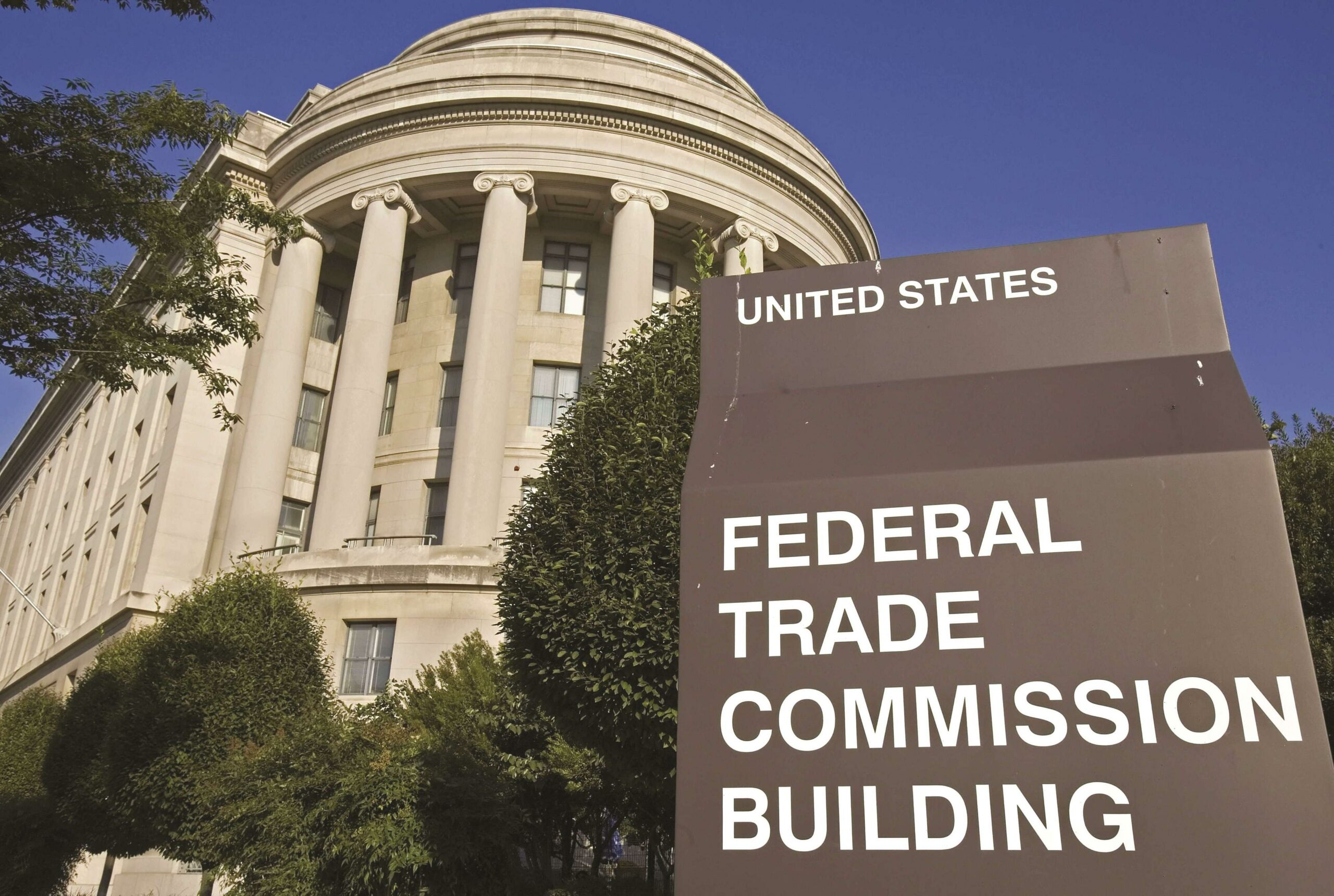
The Federal Trade Commission and seven states have filed a lawsuit against Ticketmaster and Live Nation in federal court in California, alleging the live giant and ticketing leader used “illegal resale” tactics and violated the infrequently enforced BOTS Act.
The suit — joined by the attorneys-general of Virginia, Utah, Florida, Tennessee, Nebraska, Illinois and Colorado — claims that Ticketmaster and Live Nation “tacitly worked” with secondary sellers, allowing them to buy tickets in the thousands and then list them for resale at marked-up prices, often on Ticketmaster’s own platform, thus giving Ticketmaster multiple bites at the revenue apple: from the initial purchase, the listing by the secondary seller and the consumer who ultimately buys the resold ticket.
The FTC says an unnamed senior Ticketmaster executive wrote in an internal email that the companies “turn a blind eye as a matter of policy” to brokers’ violations of posted ticket limits and that five brokers controlled 6,345 Ticketmaster accounts and possessed 246,407 concert tickets to 2,594 events.
The suit says that Ticketmaster’s TradeDesk software gives the company the ability to determine which brokers are violating purchase limits, but armed with that information, does nothing to stop it.
“The companies also have consistently declined to deploy additional technology that would more effectively prevent brokers from evading ticket limits because such tactics would decrease their revenue, according to internal company documents,” the FTC said in a statement. “For example, the company in 2021 opted against using third-party identity verification because it was ‘too effective.'”
The suit says Ticketmaster and Live Nation’s “illegal conduct frustrates artists’ desire to maintain affordable ticket prices that fit the needs of ordinary American families, costing ordinary fans millions of dollars every year.”
The lawsuit further alleges bait and switch by Ticketmaster by advertising list prices that didn’t include mandatory fees. Ticketmaster voluntarily switched to all-in upfront pricing in June 2023 for tickets at Live Nation venues ahead of an FTC rule change made in the waning days of the Biden Administration that mandated all-in pricing across the ticketing industry.
The suit also alleges BOTS Act violations, saying that Ticketmaster is complicit in the use of automated bots and deceptive practices by secondary sellers on its site. That echoes a defense by Key Investment Group — a conglomerate that controls numerous resale sites that is also being sued for BOTS Act violation — who said, in short, that it cannot violate the BOTS Act because Ticketmaster is aware of the “common” tactics used by secondary sellers.
“American live entertainment is the best in the world and should be accessible to all of us,” FTC Chairman Andrew Ferguson said in a statement. “It should not cost an arm and a leg to take the family to a baseball game or attend your favorite musician’s show.”
The suit asks a judge to permanenly enjoin Ticketmaster and Live Nation from violations of the FTC Act, the BOTS Act and the consumer protection laws of the plaintiff states, as well as undetermined monetary relief and fines for BOTS Act violations.
Live Nation and Ticketmaster have not immediately commented on the suit, but in a statement to Reuters following a report that an FTC investigation was underway, a spokesperson said “We haven’t violated the BOTS Act and will vigorously defend any such claims. However, we would prefer to work with the FTC to implement policies to improve the ticketing industry. … We believe the FTC has a fundamental misunderstanding of Ticketmaster’s policies and is taking an excessively expansionist view of the BOTS Act.”
In a statement, National Independent Venue Association executive director Stephen Parker said:
“Today’s lawsuit has given credibility to what fans, artists, and independent stages have believed for years: Live Nation and Ticketmaster exploit their dominance not just in concert promotion and primary ticketing, but in the resale market as well. The FTC and seven states now allege that the same company that controls nearly 80% of major concert ticketing has been enabling scalpers to game Ticketmaster’s system, reselling tickets back to fans at massive markups.This is not just bad business; it is deception and abuse of monopoly power. By turning a blind eye to scalpers, even giving them the tools to bypass limits and harvest tickets, Live Nation has acted as the promoter, the primary ticket seller, the artists’ manager, and the scalper.
Independent venues and promoters are on the frontlines of this broken system, and it is fans and artists who ultimately pay the price. We applaud the FTC for bringing this case. It further bolsters the U.S. Department of Justice and 40 state attorneys general antitrust case against Live Nation.
We now urge Congress, the Administration, and state legislatures to stand with consumers by banning speculative tickets (tickets the scalper does not have), prohibiting deceptive resale sites, and capping resale prices and fees. Predatory resellers – including Live Nation itself – should no longer be allowed to gouge and deceive fans under the guise of access to live music.”
Separately, the National Independent Talent Organization said “Without commenting on the specific charges, NITO applauds the Federal Trade Commission’s efforts to reform an unfair ticketing ecosystem that too often does not serve consumers or artists. Changes are needed that address excessive fees, availability of tickets for fans at fair prices and keeping the process aligned with artists interests that benefit their fans.”
FREE
 Daily Pulse
Subscribe
Daily Pulse
Subscribe
 Daily Pulse
Subscribe
Daily Pulse
Subscribe