
Could It Happen Again? Lilith Fair’s Legacy And a Continued Call To Arms For Diversity
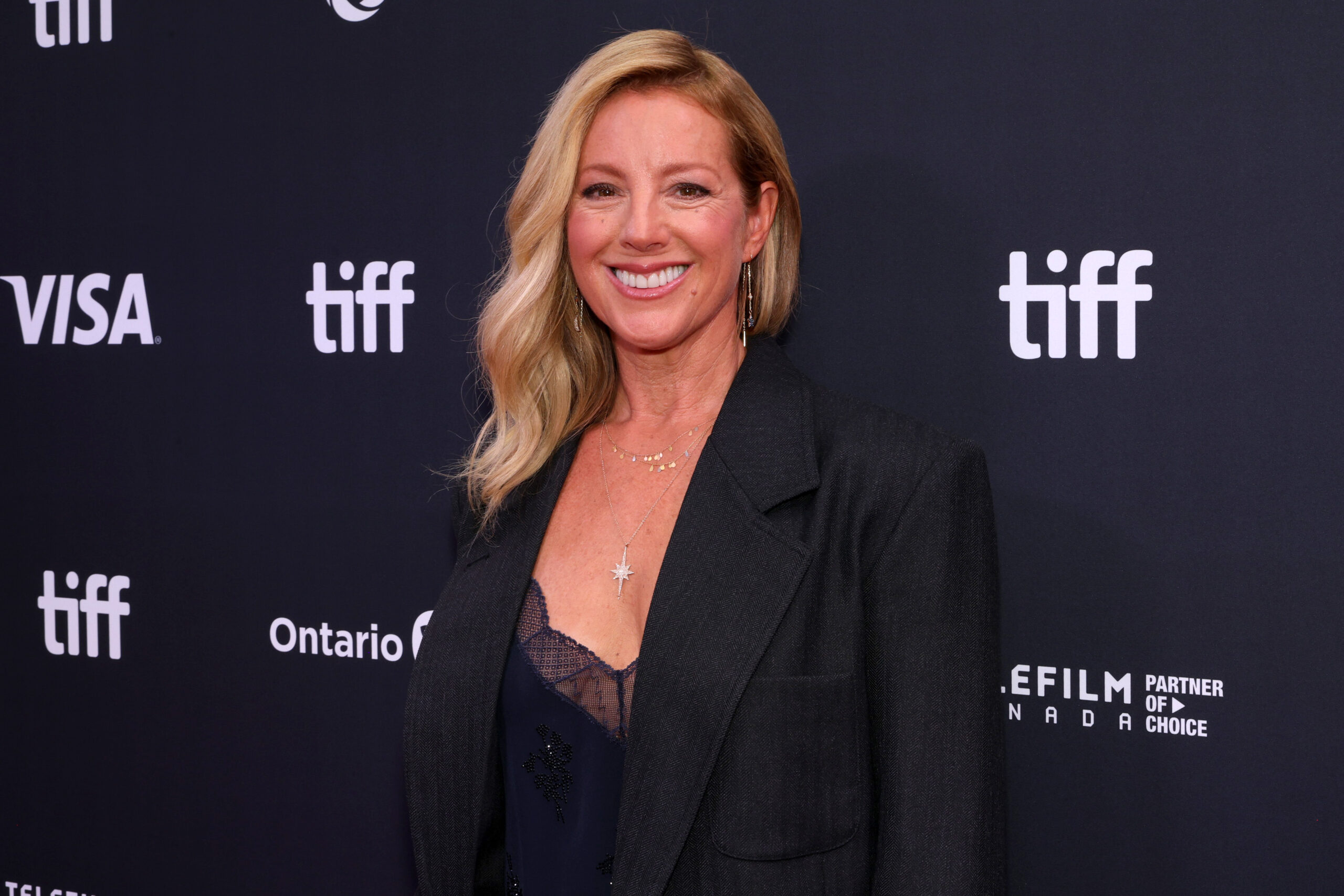
Grammy winner and Canadian Music Hall of Famer Sarah McLachlan says she gets asked “almost every day” if she can bring back Lilith Fair, the gutsy and pioneering female-fronted music festival she launched in the late 1990s with her then-management team, Terry McBride and Dan Fraser of Nettwerk, and booking agent at the time, Marty Diamond.
She says “it needs a reinvention of sorts” and to “be championed by a young artist, someone of today, like an Olivia Rodrigo.”
Pollstar put the question to Diamond, now EVP and managing executive of Wasserman Music, and Sam Feldman, of Macklam Feldman Management, who has been repping McLachlan for over 10 years (with Jane Muckle) and was her Canadian booking agent until he sold The Feldman Agency in 2019. They essentially agree with McLachlan.
“I look at everything like silly putty,” says Diamond. “How can you stretch it? What can you do? Is it gender diversity? Is it racial diversity? Is it collaboration? Is it locations? There’s so much room to do a fair bit of reimagining.
“Now, mind you, we’re in a political climate right now that events like Lilith could serve to be tremendous unifiers, and there are certainly artists that are incredibly vocal politically and socially, and I applaud them all. I would gladly take up the challenge to help people to create difference and create change in a time where there is a tremendous amount of urgency for that.”
Even with the multiplatinum success of her 1993 album Fumbling Towards Ecstasy, McLachlan’s idea to have an all-female lineup was met with resistance — both ridicule and misogyny — as chronicled in the new documentary Lilith Fair: Building A Mystery, directed by Ally Pankiw. But, it was an incalculable success its first year, 1997, grossing over $16 million in 38 shows, according to Pollstar, and a total of $50 million over three years.
McLachlan has been asked about the then-and-now many times on the press circuit for her long-awaited 10th studio album, Better Broken, her first in a decade which neatly coincides with the release of the film, which can be seen on Hulu and Disney+ in the U.S. (CBC and CBC Gem in Canada, and internationally on Disney+).
“This documentary’s been over five years in the making; we have an album over three years in the making, and the challenge and the goal was to get these things released in the same time period,” Feldman tells Pollstar. “I believe with all the noise out there with 100,000 new songs every day, it has to be an event. We got quite fortunate that we got both these things released in the same week and the media attention and the press has been explosively incredible.”
In addition to all the coverage of her new album and the release of the documentary, McLachlan was in the news for standing up for the First Amendment by canceling a surprise performance with Jewel at the Los Angeles premiere of the film on Sept. 21.
“It’s a gift for all of us to see [this film], but also I’ve grappled with being here tonight and around what to say about the present situation that we are all faced with, the stark contraction to the many advances we’ve made watching the insidious erosion of women’s rights, of trans and queer rights, the muzzling of free speech,” she said. “…we have collectively decided not to perform but instead to stand in solidarity in support of free speech.”
Two days later, she performed her new single and title track, “Better Broken,” on Jimmy Kimmel’s first show back after a brief suspension spurred by comments the late-night TV host made during his monologue regarding conservative pundit Charlie Kirk, who was assassinated publicly during a speaking event in Utah. Disney owns Hulu and ABC.
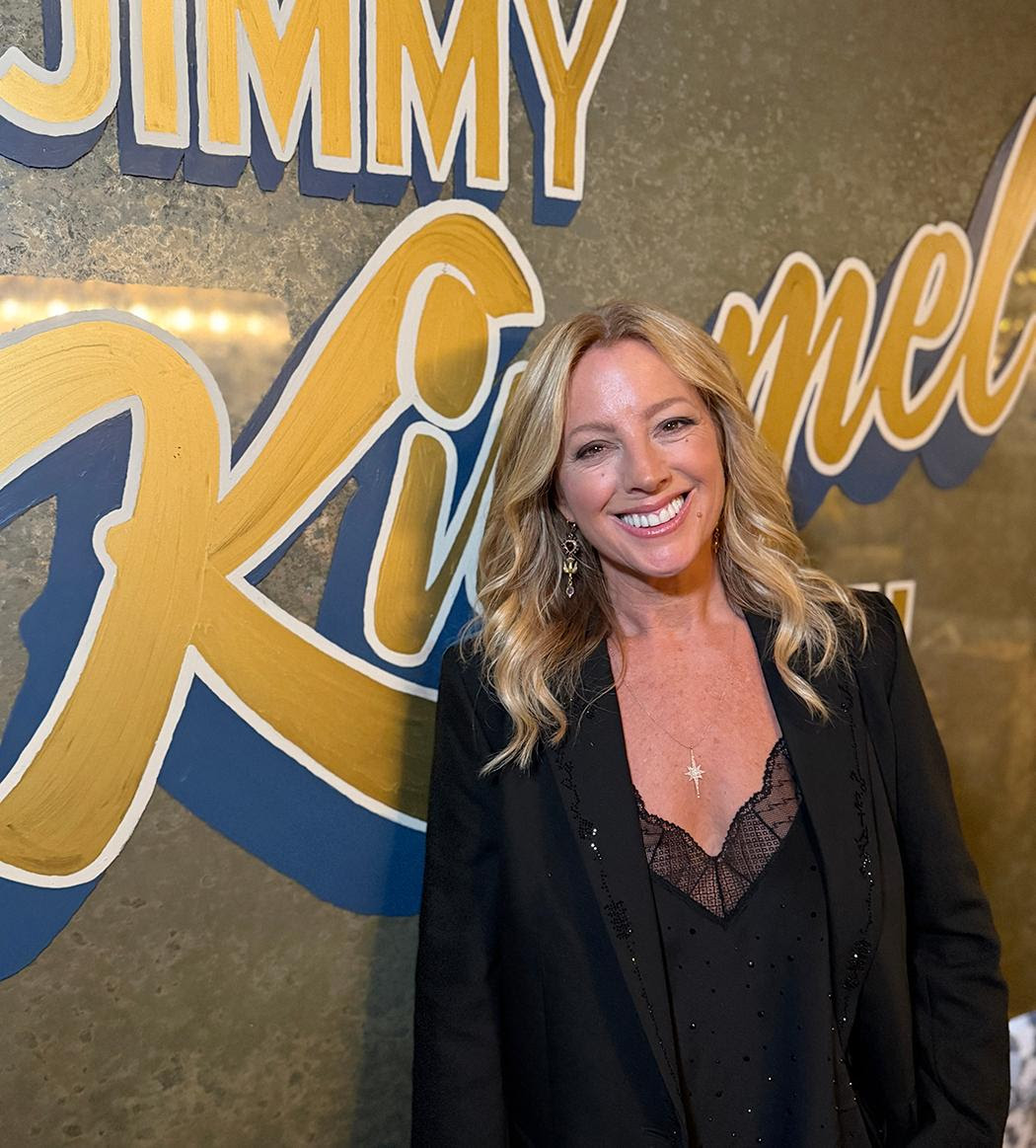
McLachlan will be setting out shortly on a 17-date Canadian tour Oct. 15-Nov. 9, then another nine dates in the U.S. Nov. 16-29. Her responsible agent in Canada is Vesna Pejkovic at Paquin Artists Agency, and worldwide (excluding Canada) it’s Brian Greenbaum of Creative Artists Agency.
As the documentary shows, McLachlan inspired so many female artists, not just to get out there, stand up for themselves but to support each other. The media had long created a false narrative by pitting women artists against each other, as competitors, rather than allies. As inspiring and beautiful as Lilith Fair was, the doc does address how they fell short of having enough racial and musical diversity on the bill.
“The necessity is more about wider diversity than Lilith initially started,” says Diamond.
“I don’t think the need is the same as it was when we created Lilith, to be very frank, because when Lilith started the airwaves were not dominated by women and we’re in a place right now that there are so many great young powerful massive female artists that didn’t exist at that time and place and, if it did, they were very few and far between.
“But in this day and age of the success of Billie Eilish, of Tate McRae, of Beyoncé, and of Taylor Swift, the need is different. Do I think there is always the call to arms to promote diversity? Absolutely. Look, we tried to relaunch Lilith 10 years later [2010], and the urgency wasn’t there.”
The film opens with a few young women on Tik Tok marveling that such a music festival even existed.
Then, 22-year-old Olivia Rodrigo weighs in: “I remember someone bringing it up a few years ago and doing research on it and finding out that all of my favorite artists had played at this event,” she says, listing off McLachlan, Sheryl Crow, Pat Benatar, Fiona Apple, Jewel. “I was in disbelief I’d never heard of it before — and, also, then thinking that the name sounded really cool, Lilith Fair.”
As a young McLachlan explains at the start of doc, “In religious mythology, Lilith was Adam’s first wife, before Eve. She was created out of the same stuff he was, yet he refused to treat her as an equal. So, she said, ‘I’m outta here.’ Lilith left the Garden of Eden and built her own garden, dancing and singing among women, who, like her, refused to surrender their strength.”
The name summed up the camaraderie and sisterhood built by the dozens of artists who performed.
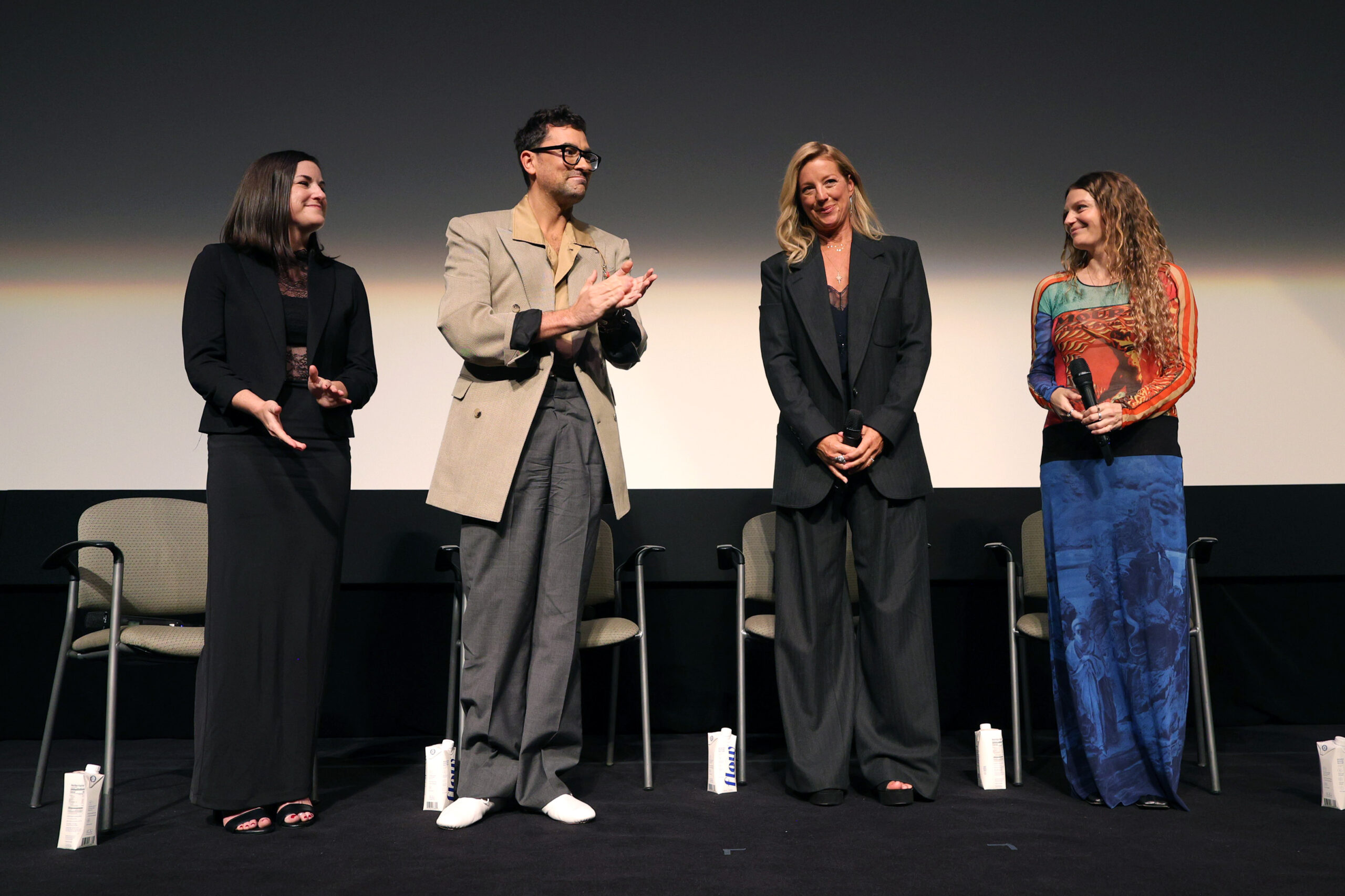
“When I sat there and watched this film on the big screen, I want to bring it back,” McLachlan said at a post-screening Q&A for the world premiere of Lilith Fair: Building A Mystery at the Toronto International Film Festival (TIFF) in September. “That being said, artists are doing their own versions of Lilith. Taylor Swift has women open up for her consistently. Brandi Carlile is a massive champion of women. This is happening. The reverberations are continuing on. Do we need more of this? Do we need more women supporting women? Do we need the general idea of ‘we all need each other, and we should be lifting each other up instead of tearing each other down?’ Yeah, we need more of that.
“I’m 57. I’m tired,” she added, laughing. “And I don’t know if I’d have the bandwidth to do something like that again. It was all-encompassing. It was three years of Lilith, and I was young, and I was so exhausted at the end of it. It took over every piece of my life, and I’m so glad it did, but I’m not sure I could do that again. I’d love to be part of it. Someone else wants to take it forward.”
Feldman also notes the “inordinate weight towards women” in the charts now, so a women’s festival or strong roster of women playing a concert isn’t the issue. “If you want to layer on a meaning to it, and some purpose, along with a Lilith Fair, then it’s probably a massive value add. Would it work commercially? Absolutely.” Lilith Fair raised over $10 million for various female-focused charities.
Can it return and is it needed? Feldman says the answer is two-fold.
“If you saw the documentary, it’s pretty easy to see just how consuming it was for three years, and Sarah doesn’t do anything unless she takes it to the level she needs it to be at. I think that would be the concern, just making sure that it’s as relevant and as good and as meaningful as it always was. That’s one. Two, if someone came with what was a bona fide good idea that would make the world a better place, I think, she’d consider it. I don’t think it’s a dead stop hard no, but I don’t think that it would emanate from her at this juncture.”
Still, despite the chart-topping success and concert draws of female artists, come summer festival time there are always people who remove the names of the male acts from the posters to glaringly reveal how few women are in the lineups.
“It varies festival to festival; it varies market to market,” says Diamond. “Everyone has great intention when they’re programming festivals now, not only in terms of gender diversity, but diversity among a variety of things. We can always sit there and count the poster and say, ‘Well there is 60% male versus 40% female,’ but I think everyone’s trying to look at things with wider optics now, which maybe Lilith created a bit of that awareness.”
So you’re saying there’s a chance?
“Could it happen again? Yeah, but it would have to be reinvented and reimagined,” Diamond says. “The thing that was magical for me about Lilith, which in fairness and respect I think the Indigo Girls deserve the credit, and I think Sarah would give them the credit, was they were the inspiration to getting people to get out on stage and collaborate. When you go to Coachella you see people collaborating and that’s across the festival landscape. I don’t think Lilith takes credit for that, but, certainly, that was part of the magic of Lilith. It seemed like a great equalizer.”
FREE
 Daily Pulse
Subscribe
Daily Pulse
Subscribe
 Daily Pulse
Subscribe
Daily Pulse
Subscribe