
Agency Intel: Analog’s John Barry On Leading Agency’s North American Division & Booking Carl Cox
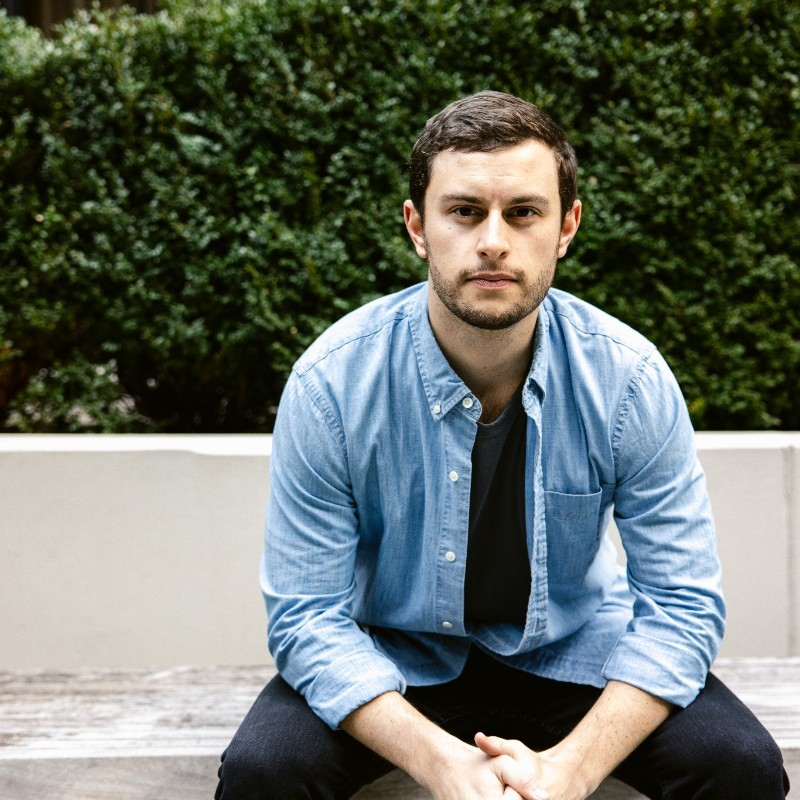
At only 26 years old, Analog’s John Barry was an office partner overseeing the North American division at Analog, a house and techno focused talent agency founded by Ian Hindmarsh with offices globally. It’s a role he says he was meant for, with Barry knowing he wanted to work in the music industry since he was a college student at Wake Forest in North Carolina.
Now 34, Barry oversees a team of young agents and his own roster includes Carl Cox (credited as one of the founders of the British rave scene) and powerhouse Nico Moreno. With the North American department expanding post-COVID, Barry opted to take a hybrid approach to the workplace. While he is based in the Baltimore/DMV area, he oversees a team hub located in New York City.
“Being intentional about how you communicate is really important when you’re running a company,” Barry says. He emphasizes the need to over-communicate with his team. As a global agency, Analog has larger teams in Spain and South America, where agents are on the move frequently. Honoring his own start at Analog at a relatively young age, he aims to be a good mentor for the other agents on his team and helps them learn how to best navigate the industry.
Pollstar: What was your first introduction to music as a whole?
John Barry: I entered into music on the creative side. I was classically trained on the piano, played the bass guitar and also played drums growing up. I had a music teacher who put us into bands and we’d play Red Hot Chili Peppers and Kiss covers. For a short time, I also got into producing music in FL Studio and Logic Pro and enjoyed doing that.
I was born in 1991, so I always say it was an incredible time to grow up with music. I gravitated towards so many areas of that. I love that era of hip-hop, A Tribe Called Quest, Gang Starr, early days of Outkast and Biggie. But I was also a hard rock and metal guy, like System of a Down, Korn, Limp Bizkit, and Linkin Park. A bit later, I got into jam bands such as Phish and Allman Brothers. I think the culmination of being so open to the exploratory aspect of music made it natural for me to get sucked into electronic music. I wasn’t part of the old school community that knew about Chicago and Detroit house and techno really at all. I came in when Pretty Lights was blowing up, for example. It’s so easy to get sucked into the dance music world because it’s so community-driven.
How did you make the transition from a fan to a professional?
I went to Wake Forest University, and I was on the finance track. In the process of being in the undergraduate business school, I remember the dean of students telling us, “You can build your own business major if you want.” There’s a sort of liberal arts approach to the business school at Wake. It opened my eyes and I was like, “Well, I really like music. How can I monetize and make a long term career out of this?”
In my junior year, we had a required for-credit summer internship program. So I was looking for any opportunity, and I landed in Nashville. I interned for a publisher start-up. I worked for a guy who was a 40-year-old veteran in the country music industry, and he was an incredible mentor. He was very intentional about introducing me to influential industry people every week throughout the internship. He knew everyone. I met people who worked at labels, publishers, agencies, in management, songwriting camps, everything. And what was cool, is I’d come out of these meetings saying, “No, Yes, No, Yes. That doesn’t sound as interesting, that does sound interesting.” I was able to really chisel down what I felt would be the right fit for me.
So, out of that internship, I knew I needed to build my own major – and built classes to shape an “entertainment business degree” — taking a negotiation seminar, some entrepreneurship classes, and some finance classes. Just a mixed bag of different things to build a career out of. I knew coming out of the internship that I didn’t want to be on the label side. I felt like the live touring side of the business was the most stable at that time. I narrowed down my options to agency, management, or promotion. But I was most enthralled by being an agent. I knew that was going to be aligned with my business background, running with numbers and fast-paced environment. I felt like it could work well for me.
My first agency role was interning at a small boutique, jam band agency in Athens, Georgia, right out of college. From there, I landed at The Bullitt Agency in Washington, D.C. for a three-year span, growing from intern to agent. Personal decisions led me to branch out at just the age of 26 to start my own shop which then turned into a conversation that led me to opening the North American office of and joining with Analog Agency.
How did you scale up Analog’s North American division?
My first office staff hire was in early 2019 and we were starting to scale up clients. Suddenly, about a year later, I will never forget the day the world and industry all came crashing down. It’s interesting because COVID was a real pivot point for me and then agency here. I was very fortunate to be in the position I was in, because I wasn’t overleveraged at that point in time. I had been very smart and calculated about scaling, so I was able to hunker down and push through. A lot of movement was happening across the agency world – agents flipping agencies, new agencies being launched – Analog as a whole though was rock solid and able to stay the course. When we came out, everything really started to grow.
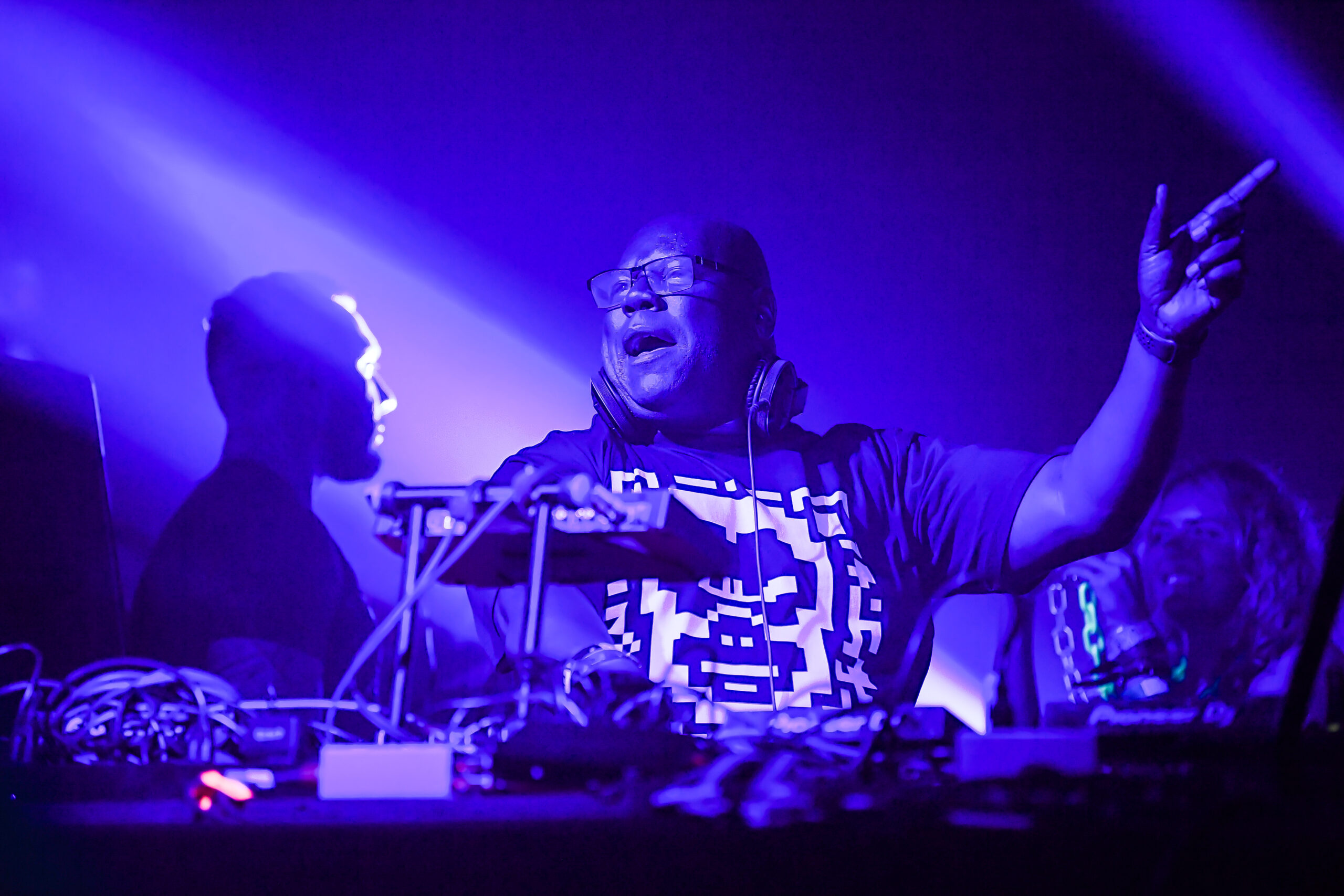
Today, we’ve grown our boutique office to 50+ clients in North America and 100+ worldwide across Analog. At the top of the helm on the roster here, of course, is Carl Cox. It’s an honor to be working with him and on his team. He’s a pioneer and always adapting his craft. He is that guide, that impact and that resounding voice for all house & techno music of all generations. Working with Carl is awesome; there’s a lot to learn from him. It’s also been very exciting these past 24 months working with another client, Nico Moreno, who is now one of the top-tier faces of this new age of techno movement. It’s amazing to see how he’s scaled and grown. We just sold out two nights at the Hollywood Palladium in November (7,200 total tickets) and we’ve got big plans touring and music-wise for him next year and beyond.
I love how our agency has a balance of the old school and the new school of house and techno. The scene’s constantly adapting, so it’s exciting to see how the new school is interacting and pushing the envelope of the status quo, but also how the old school is making a comebacks, influencing current trends and revitalizing their careers as well.
FREE
 Daily Pulse
Subscribe
Daily Pulse
Subscribe
 Daily Pulse
Subscribe
Daily Pulse
Subscribe