
Shock Rock Titans GWAR Celebrate 40 Years of Blood And Guts (And The Return Of Gor-Gor)
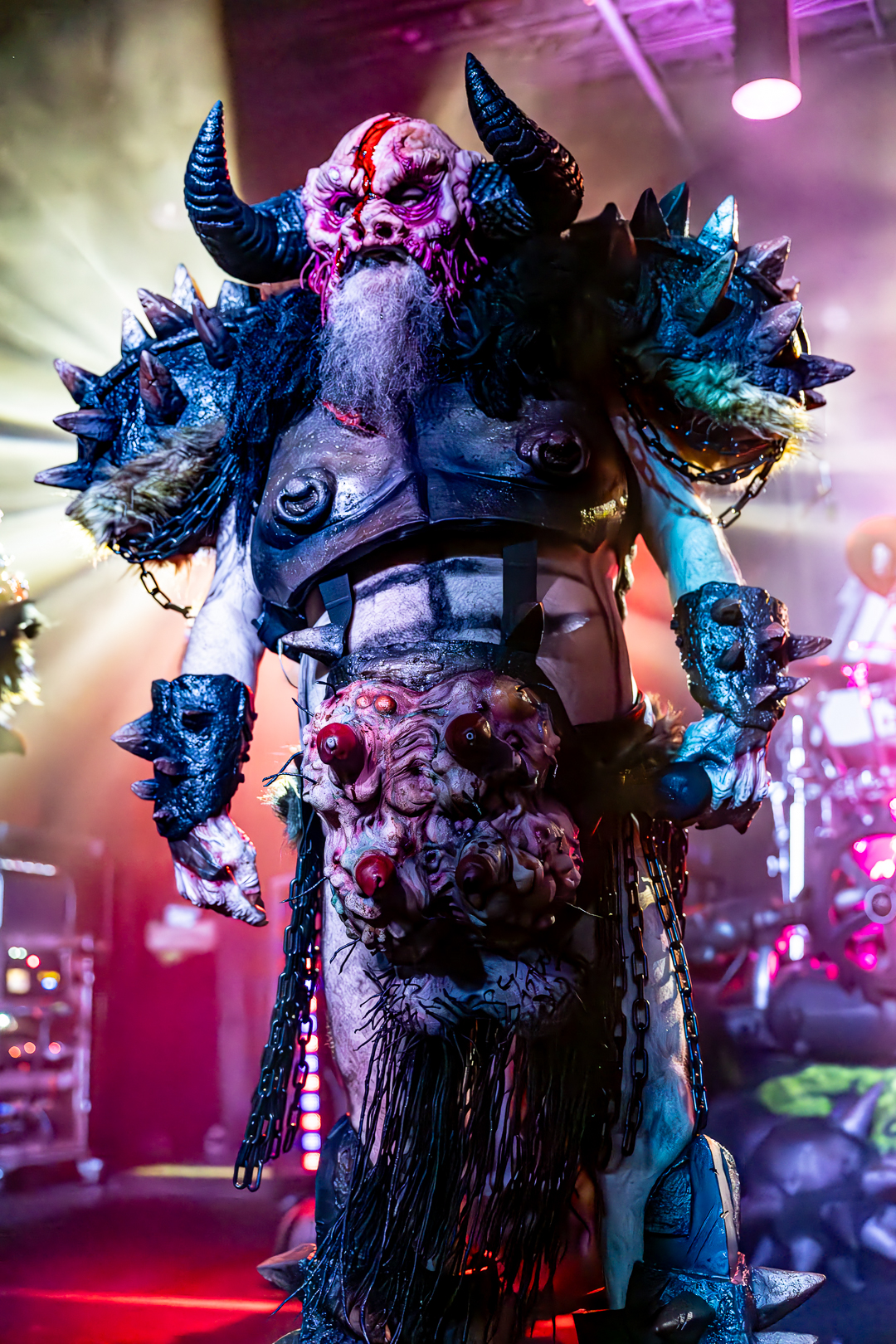
The spectacle known as GWAR continues to endure, overcoming countless member changes and the tragic loss of previous frontman Oderous Urungus in 2014, still making headlines and surprising audiences 40 years since its formation, most recently with a Riot Fest performance that got more than a few politicians riled up.
Perhaps a surprise to some, GWAR remains as active as ever four decades later as a musical and visual force, with regular concert tours, musical projects, branded high-quality whiskeys and even a dedicated art exhibit in Los Angeles running through November.
Michael Bishop, GWAR frontman since 2014 as Blothar The Berserker, and who holds a doctorate in music from the University of Virginia in the band’s hometown of Richmond, does his best to explain the GWAR ethos, the balance between shock value and free speech, the current touring lifestyle and the band’s place in rock ‘n’ roll.
GWAR is represented by Tim Borror at Sound Talent Group.
Pollstar: You’re back home for tour rehearsal after bringing some color to Aftershock festival in California.
Blothar The Berserker: They always take good care of us. I thought it was great playing (the same day as) Marilyn Manson and Rob Zombie. GWAR is a theatrical shock rock band. That’s definitely where we fit in, and that’s why I’m stoked to be playing with Zombie and Manson, because by and large GWAR doesn’t get those gigs, and that’s stupid. It’s a shame. I’m also a music academic and a music historian. If I was going to sit down and write the story of Shock Rock and I didn’t include GWAR, I think that would be a notable omission.
By now, I hope anyone booking GWAR knows what to expect.
Yeah, in the U.S. Sometimes we still surprise people in Europe, like the last time we played in a particular Slavic country, I remember there were, uh, some issues with a brand-new oak dance floor (laughs). That didn’t go well. But people understand what they’re getting into and we’re pros, man. We roll in, put the carpet down, do it, roll it up, and we’re out of the way.
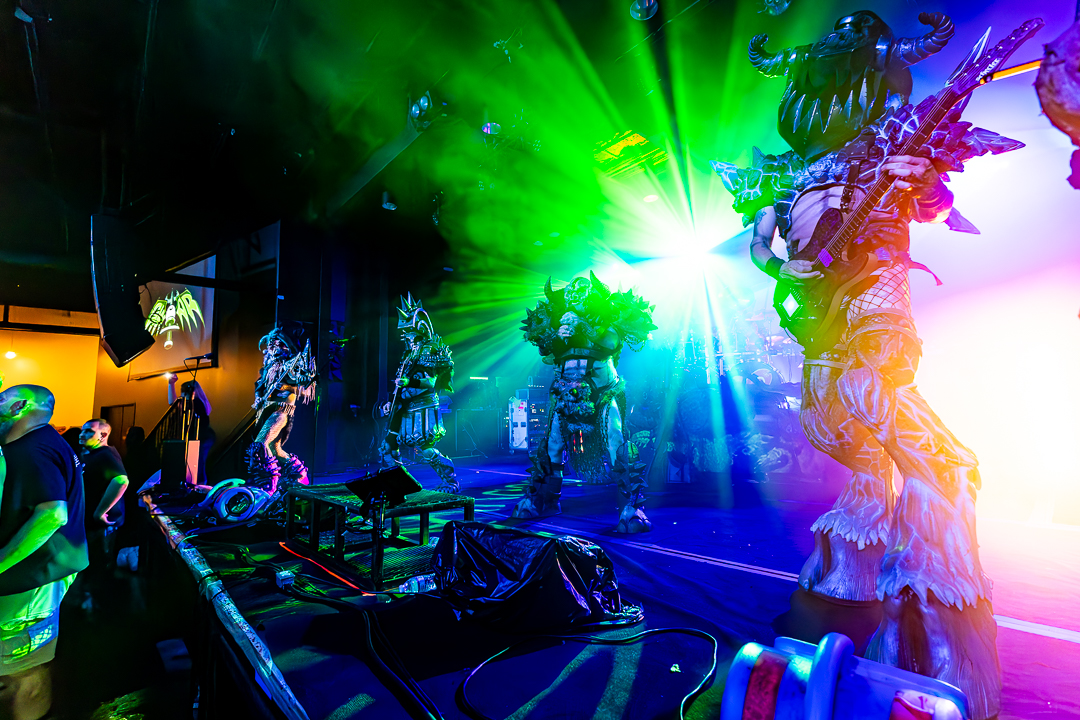
The props and costumes and all that are obviously a big part of the show.
We’ve sort of gotten better at making the stuff, but not too good. We’re not going to look as good as Lordi on stage because that’s not GWAR. We don’t care if people see the hoses, we don’t care if it doesn’t look real. That’s part of what we do. It’s a cartoon. That’s why it shocked me when people got so upset at us when we cut the head off of Elon Musk and disemboweled Donald Trump. We’ve been doing that for 40 years across all types of administrations, just speaking absurdity to power. It’s not realistic looking, and we’re not trying to get people to go out and kill somebody. It’s a group of artists having fun.
Can shows be canceled from this sort of response? How do you cancel GWAR?
It already happened to us in the late ’80s in England, the very first tour we did. The American press back then wasn’t as irresponsible or sensational as it is now. No offense to you and your profession, but it was different, but the British press was always very yellow. They had printed that we were killing people on stage and it’s like they believed that we were actually doing something violent. A Tory MP pressured club owners that he was going to pull their alcohol licenses, so most of the tour got canceled.
It’s kind of funny that the term used by one particular critic was that you were “normalizing” violence while portraying a group of aliens who resemble something from “Warcraft” or “Dungeons and Dragons.”
Our violence is abnormal (laughs). We used to challenge each other to be as gross as possible, and then just do it. But we’re not trying to hurt people with it, and if things change and people start getting hurt, well then we need to adapt. It’s not a matter of trying to spare anybody’s feelings. It’s a matter of being clear, right? Knowing what it is that you’re trying to say and making sure that that’s what you’re saying now. You can’t do anything about it once it’s out there in the world, because people make meaning on their own, but we can be at least responsible on our end for making sure that we’re saying what we want to say.
The band is made up of people that have a lot of different viewpoints and we always try to sort of check each other. I don’t think that anybody actually sees GWAR and gets upset. I think they can read about it and hear about it and get upset.
GWAR is also an art collective. The visual artists that make the show are in the band. We’re not hiring people to build the image. Those people are in the band and we treat them as band members and we share our publishing with them. We look up to KISS, because KISS had ridiculous songs like “Christine 16” and “Ladies Room” that were dumb but hilarious, but on the creative end we were more inspired by bands like Devo, that had a concept from beginning to end and had a lot of art involved.
What can can you say about the upcoming shows, which includes big venues like House of Blues in Anaheim, right next door to Disneyland?
It’s a 40th anniversary, and we’re bringing out Gor-Gor and doing all that stuff. Gor-Gor was in the very first band photo that GWAR took, so it’s fitting that we would bring him back. He’s a big lizard, and the original one is actually up in the corner of the exhibit in L.A. He’s just like a big paper mache thing. The paper mache stuff that we made so long ago, it really lasted well, better than the latex stuff that we made later, because latex tends to rot. Paper mache just kind of tears, you know?
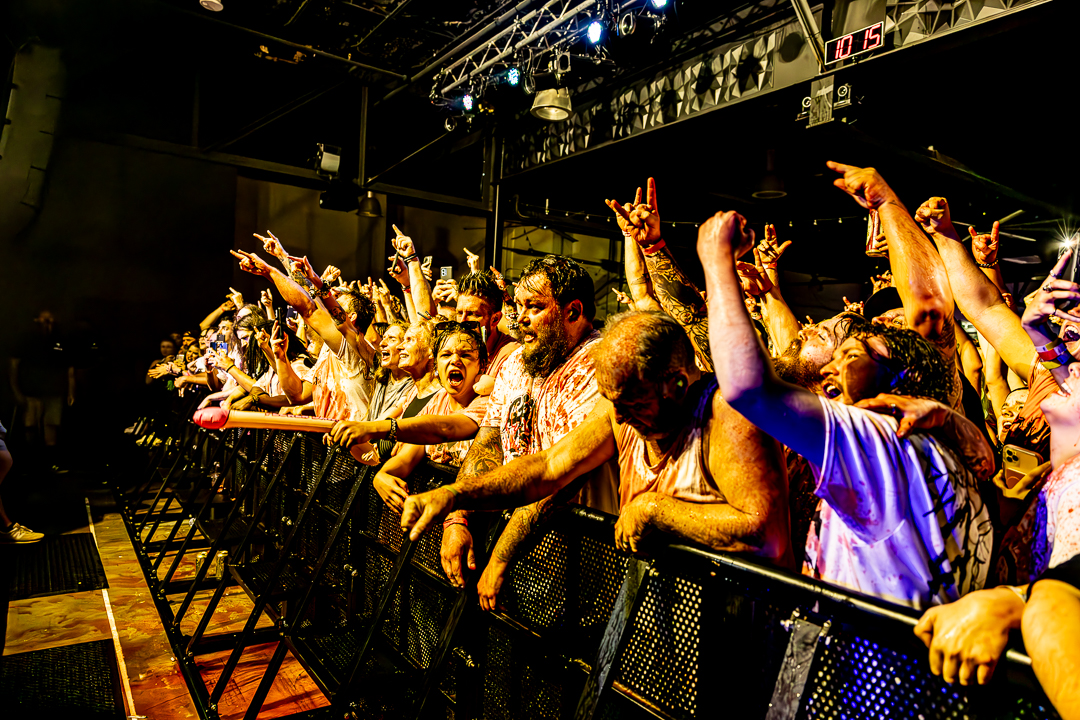
How’s the touring grind now compared to in the late ’80s when you first joined GWAR?
When we started, we were a punk rock band, like DIY shock rock coming out of punk. All those tours that we did early on were in a school bus and we were touring the circuit that had been carved out by the American hardcore scene. I mean, that was the best time to be in GWAR, the best memories I have playing in front of people that literally didn’t know what to expect. We’d roll into every taco shop or whatever and do the whole set with all the props and everything. Now, it’s definitely pro. We’ve got everything worked out and everybody’s riding around in buses, and it seems like there’s a new kind of a new economy around touring that actually works. It’s mostly AEG and Live Nation, but it’s working and there’s some independent promoters in there too. It’s definitely a lot easier now than it was, but in some ways a lot less fun. I think that’s what I’m trying to say.
When you look back, what are some defining moments for GWAR and its legacy atop the world of shock rock?
Being on “Beavis and Butthead” was huge for us. I mean, that helped us more than almost anything. GWAR is a band that got zero radio play, like absolutely none. So that was a great blessing for us. Being nominated for two Grammys. That first Grammy nomination, that took a lot of guts and a lot of vision. I do think that that was meaningful, that people in charge or people who had a voice in the industry were saying that what these guys are doing is worthwhile.
Now, over after so many years, GWAR is moving into the art world – (director and artist) Matthew Barney is a huge GWAR fan. When we started, comic book art and horror movies were sort of trash culture, but things have really changed. In some ways, the world has caught up with GWAR and with what we do.
FREE
 Daily Pulse
Subscribe
Daily Pulse
Subscribe
 Daily Pulse
Subscribe
Daily Pulse
Subscribe