
We Got The Power: How Venues Are Cutting Emissions Through Operational Improvements
October marking National Energy Awareness Month, as first proclaimed by President George H.W. Bush in 1991, is an opportunity for everyone – including venue operators – to look at practical ways to implement energy-efficient measures year-round.
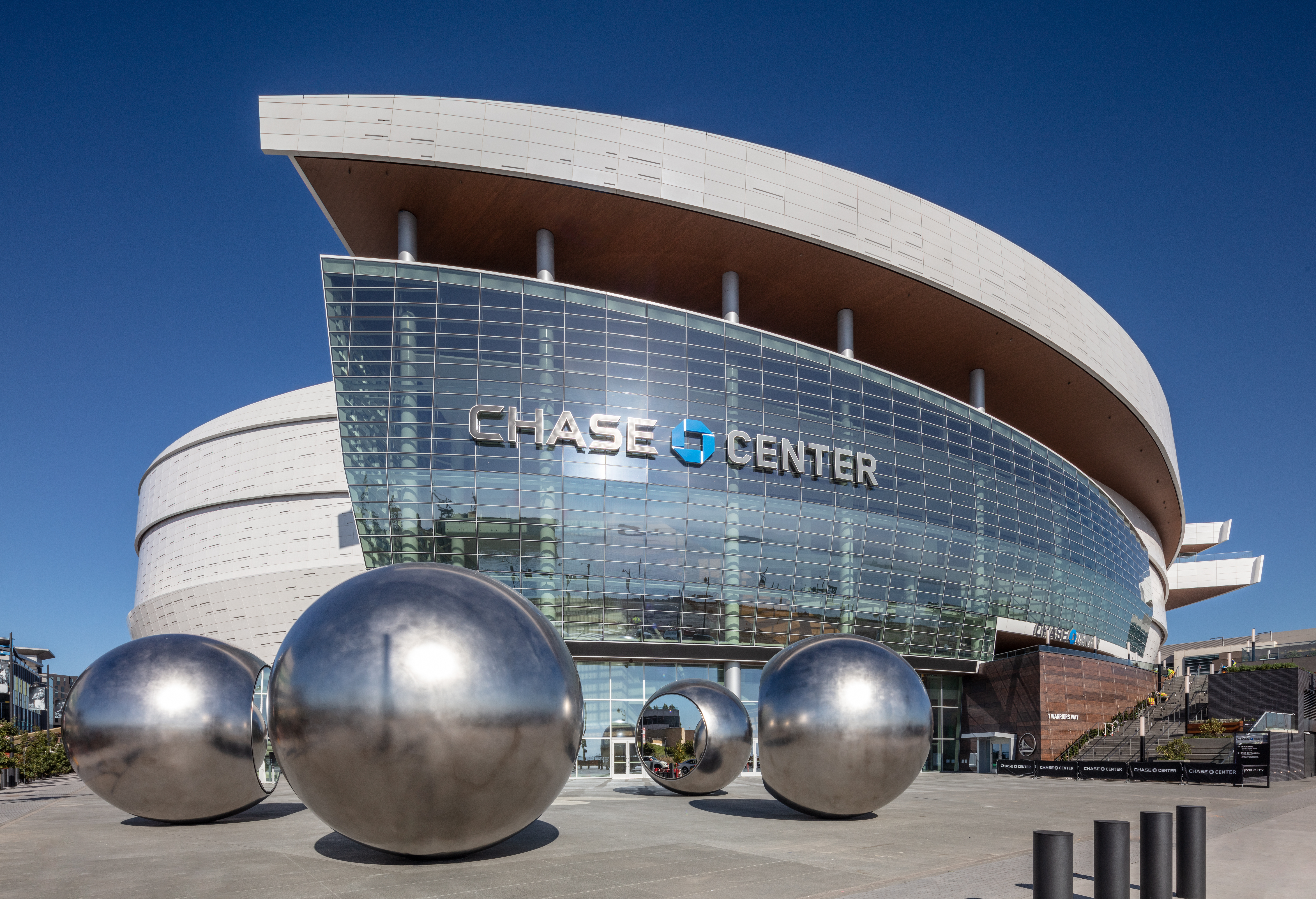
Some may take inspiration from venues like San Francisco’s Chase Center, which was built with sustainability in mind. The venue opened in 2019 and received a LEED Gold certification for its design and construction.
One example of the venue’s sustainable design is the high solar reflectance index (SRI) on its light-colored roof, which General Manager Donna Daniels notes “helps to reduce urban heat impact by reflecting sunlight and preventing heat absorption.” Energy efficiency measures include occupancy-based lighting controls, energy-efficient LED lighting and a HVAC system called Indirect-Direct Evaporative Cooling (IDEC) that uses less energy than traditional air conditioning.
Daniels shouted out the importance of partnering with local organizations or getting involved in community initiatives as a great first, on-the-ground step to reducing emissions from the outside in. “At Chase Center, we’ve created a unique partnership with the San Francisco Municipal Transportation Agency (SFTMA) to make event tickets double as free Muni tickets for attendees, promoting public transportation,” she says, adding that 100% of Chase Center’s energy use is offset through Renewable Energy Credits.
Jamy Bacchus, who serves as the associate principal, building performance, at ME Engineers – and who’s worked with clients including Climate Pledge Arena in Seattle and UBS Arena in Elmont, New York – noted that it can be challenging to recommend a one-size-fits-all strategy for reducing emissions. Each region of Northern America’s electrical power grid has its own decarbonization pathways, and there are multiple metrics to consider when examining energy-saving projects, such as the actual energy cost and greenhouse gases.
Simple steps to cut emissions include swapping out fluorescent lights or metal halides for LEDs and making sure the venue’s equipment is serviced regularly.
“If you’re running your air unit with a clogged filter, it’s not going to be as efficient as it would be with a clean one,” Bacchus says. “You’re just wasting energy. Cleaning the coils on your units, changing the filters and belts, doing all that to keep them at least as good as they were when they were factory new is something that everyone should be doing.”
Bacchus also suggested that venues get a subsidized or free energy audit if they haven’t done so in the past five to 10 years. He explained, “This is a great way to get insight into what’s right or wrong with a venue’s present equipment.”
Paul Clary, the co-founder of MD Energy Advisors, is working with CFG Bank Arena in Baltimore with a focus on overall energy management at the arena, including both energy efficiency and energy procurement.
“When it comes to reducing emissions, efficiency is just one side of the coin,” Clary says. “The other side is where your energy comes from. One of the most impactful things a venue can do is look into renewable power purchase agreements (PPAs).” He describes PPAs as a way to essentially buy clean energy directly from a solar project or a wind project, even if the project isn’t located at the venue. “The benefit here is that you’re not just reducing your emissions but you’re also helping to drive demand for more renewable generation overall,” he says. “It’s a win-win in terms of sustainability and long-term cost predictability, which is music to most CFOs’ ears.”
Another option is to install on-site renewable energy, such as solar parking canopies.
“It’s also important to know that you don’t have to do it all at once,” Clary adds. “As we say here at MDEA, ‘Crawl, Walk, Run.’ You can start small, measure your wins, and build from there.”
FREE
 Daily Pulse
Subscribe
Daily Pulse
Subscribe
 Daily Pulse
Subscribe
Daily Pulse
Subscribe