
UK’s Ban On For-Profit Ticket Resale Official, Reactions
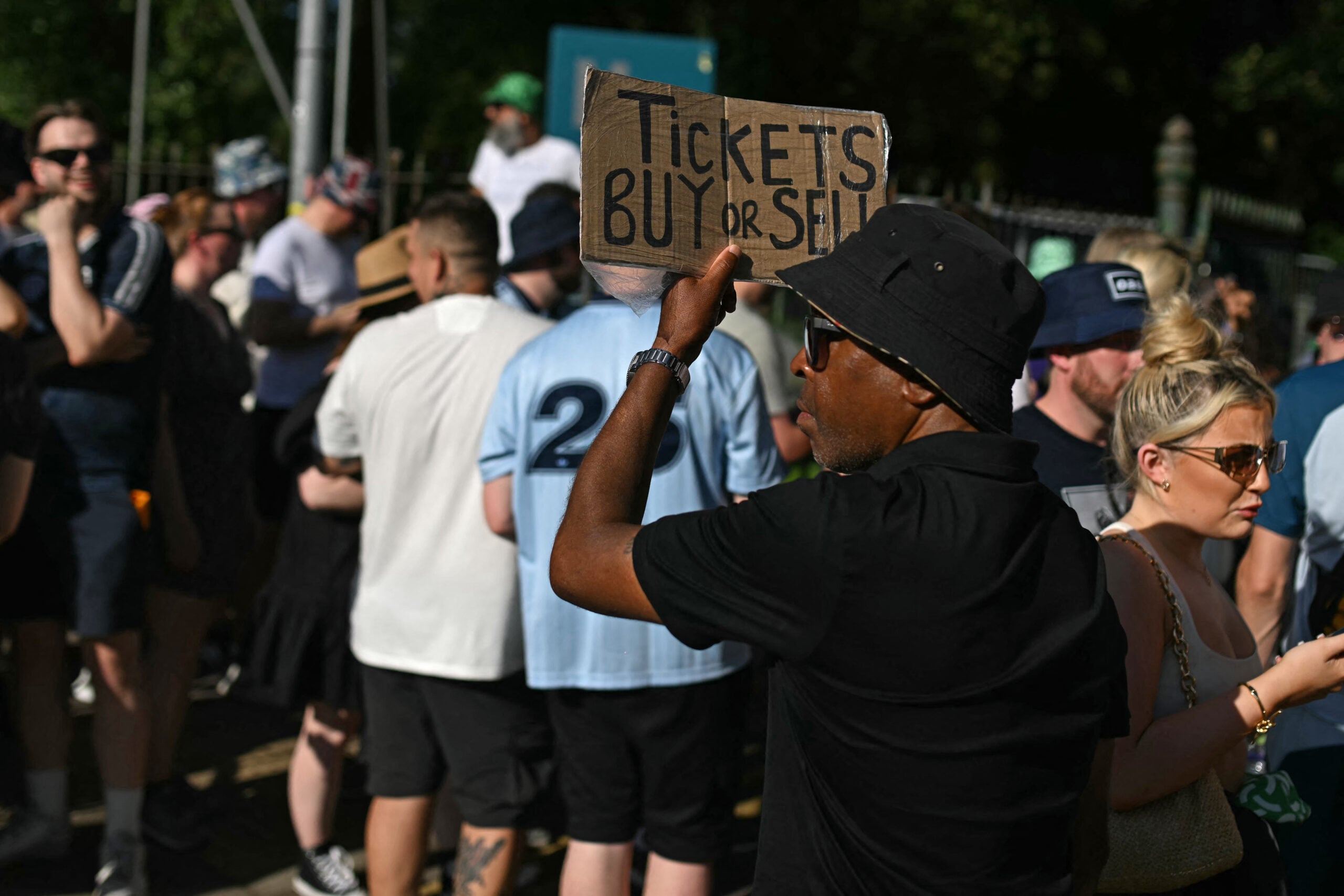
The UK government made its plans to ban ticket resale above face value official today, Nov. 19 with the aims to “protect fans from rip-off prices” and put an end to the “business model of industrial-scale ticket touting”, according to a press release from the departments for Culture, Media and Sport as well as Business and Trade.
Report: UK Government To Ban Ticket Resale Above Face Value
The ban allows ticket resale at the original ticket price plus what the UK government has dubbed “unavoidable fees”, which includes service charges. The service fee resale platforms can charge will be capped as well to prevent the price limit being undermined.
What is more, “resale platforms will have a legal duty to monitor and enforce compliance with the price cap”, and “individuals will be banned from reselling more tickets than they were entitled to buy in the initial ticket sale.”
The new rules follow extensive consultation with ticketing platforms, the live events sector and fans. They will be introduced into concrete legislation “when parliamentary time allows,” according to the press announcement.
It also states, “the new rules will apply to any platform reselling tickets to UK fans, including secondary ticketing platforms and social media websites. Businesses who break the regulations could be subject to financial penalties of up to 10% of global turnover from the Competition and Markets Authority (CMA), under new powers introduced the Digital Markets, Competition and Consumers (DMCC) Act 2024.”
The UK government cites analysis by the CMA, according to which “typical mark-ups on secondary market tickets exceed 50%, whilst investigations by Trading Standards has uncovered evidence of tickets being resold for up to six times their original cost.”
There’s no mention of the amount or percentage of tickets being sold below face value on the secondary market.
Other open questions pertain to the scope of the new rules, whether the term ‘social media’, for example, will also include forums like Reddit, chats like Meta’s various messenger apps, etc.
One issue that seemed unresolved at the time of this writing was the sale of debenture seats – debenture ticket holders selling their seats on to the public – which is one of the ways through which the world’s most famous Tennis tournament Wimbledon, for instance, finances its event.
Just ahead of publishing, though, the Guardian published an article, according to which Wimbledon would get an “exemption from ticket resale crackdown.”
It’s a crackdown the UK government believes “could save fans around £112 million [$147 million] annually, with 900,000 more tickets bought directly from primary sellers each year. Inclusive of all fees paid, the average ticket price paid by fans on the resale market could be reduced by £37 [$49].”
The announcement has sparked a whole slew of reactions from artists, managers, industry organizations, and consumer groups, with many in favor of the announced plans and others doubting the effectiveness of price caps. The point about the ban driving black market ticket resale is a particularly contentious one many of the commentators have aimed to address.
See: Coldplay, Dua Lipa, Radiohead Among Artists Calling For UK Ticket Price Cap
Pro price cap:
Coldplay manager Phil Harvey: “As long as this legislation is brought in quickly, it should be a game-changer that will transform fans’ experience of buying concert tickets.”
Indie-rock band Alt-J: “Last week, our band joined dozens of artists and music organisations urging the Prime Minister to clamp down on ticket touting through the introduction of a cap on ticket resale prices. Although we’re pleased the Government has listened to this collective call, it is now imperative that they put these measures into place as quickly as possible.”
Ben Lovett, Marcus Mumford, Ted Dwane (Mumford & Sons): “For years, many of us as artists have been pleading for changes to be made around secondary ticketing. We still feel so passionately about it. Touts and scalpers have run amok and taken advantage of the good will and passion of music fans for many years. This hurts both the fan and the artist, whatever the scale of the shows. This regulation will curb the predatory behavior of these bad actors, often through pseudo-legitimate secondary ticketing systems, whilst preserving the ability for fans to resell if plans change. It’s going to have a major positive impact, especially on the affordability of getting to see your favourite gigs.”
Stuart Camp, Ed Sheeran’s manager and founder of Grumpy Old Management: “For anyone who cares about music fans and ticket prices, today’s announcement is long overdue. We’ve seen first-hand the positive impact of price caps elsewhere in the world, and these proposals have the potential to transform the UK’s live music sector and protect audiences from exploitation. I trust they will be implemented without delay.”
Ian McAndrew, CEO, Wildlife Entertainment, which represents Arctic Monkeys and Fontaines D.C: “Following years of campaigning, on behalf of artists and fans, for the reform of the broken secondary ticketing market, we are delighted and encouraged to learn that the government have listened and will now outlaw the resale of tickets for profit. The practice of illegally harvesting tickets to resell for hugely inflated prices and to speculatively sell tickets the seller does not own, has blighted live music for nearly 20 years. These reforms will save concert goers millions of pounds each year and will ensure a better experience for all music fans.”
Tom Kiehl, Chief Executive, UK Music: “We are delighted to see the Government take action to clamp down on unscrupulous touts and introduce caps in the secondary ticketing market. For too long, touts have been ripping off music fans with extortionate prices that hit both music lovers and our world-leading sector.”
Annabella Coldrick, Chief Executive, Music Managers Forum: “Alongside a number of prominent manager members we established the FanFair Alliance campaign against industrial-scale ticket touting in 2016 providing extensive evidence to Parliament and Government of the damage to artists and fans from industrial-scale ticket touting.
“Change has been a long time coming, but it is hugely satisfying to see artists, music companies, consumer groups, regulators and policy makers come together in agreement on the urgent need for a price cap. This should be a game changing moment. We now look forward to the swift introduction of legislation and real improvements for UK music lovers.”
David Martin, CEO, Featured Artists Coalition: “Online ticket touting needlessly costs UK music fans hundreds of millions of pounds each year. For far too long, this money has literally been extracted from the UK’s live music sector, and deposited into the pockets of law-breaking touts and the offshore resale platforms they operate from.
“It’s why today’s announcement is so significant, and why it is so strongly supported by the Featured Artists Coalition. We believe that a price cap is the only way to curb the excesses and exploitation of the secondary ticketing market. It must be introduced without delay.”
Adam Webb, Campaign Manager, FanFair Alliance: “This is fantastic news for music fans. It’s taken years of FanFair campaigning to get to this point, but having listened to the concerns of artists, campaigners and the wider music sector, the Government now has a clear and pragmatic plan in place to tackle the scourge of exploitative online ticket touting.
“However, there is an urgency to deliver. Every day that passes before new legislation comes into effect, will see more fans ripped off by touts. For that reason alone, it is vital a cap on ticket resale prices is introduced and enforced at the earliest possible opportunity.”
Gareth Griffiths, Director, Partnerships and Sponsorship, Virgin Media O2: “Today’s news is a victory for live music fans everywhere, and O2 is celebrating alongside them. After eight years campaigning for a fairer ticketing market alongside FanFair Alliance, we know this bold action promised by government will finally give concertgoers – and artists – the protection they deserve from exploitative ticket touts. We now urge the government to make no delay and act quickly on its word – it’s time to restore fairness for all in live music.”
Claire Walker, Co-CEO of SOLT & UK Theatre: “Today’s announcement is good news for audiences. Theatres across the UK strive to offer fair and accessible pricing, and industrial-scale touting has long undermined that effort.
“Setting the cap at the original price paid, together with limits on additional fees, will help restore trust in the market and ensure fans are not paying inflated prices to third-party resellers.
“We will continue to support Government in delivering a system that puts audiences first, with clear rules, strong enforcement, and safe, transparent ways to buy and resell tickets.”
Matt Kaplan, Director of UK/EU, Tixel: “The UK’s move to outlaw touting is a huge win for fans, artists and the wider industry, and we fully support this long-overdue reform. Tixel was built to tackle these exact problems, and after nearly a decade fighting for fair, transparent resale in multiple markets around the world, we’re proud to see a framework emerge that protects fans, restores trust and shuts out the bad actors. It’s a move that seeks to decommoditize tickets, making them an unappealing asset for predatory resellers that treat live events as something they can flip for profit at the expense of fans.
“The fear mongering around fair resale policies fueling fraud is just that — fear mongering. Price caps do not create fraud. Poor enforcement and unregulated marketplaces do. By combining strong resale legislation with modern verification tools and education for fans, we can achieve both fair prices and safe transactions. In markets like Australia, where Tixel has operated since 2018, a price capped approach has proven effective, consumer-friendly, and economically sustainable.
“U.K. fans are fortunate to have several options when it comes to fair, regulated ticket resale, of which Tixel is one, which means the assumption that all buyers and sellers would be forced onto unregulated black-market platforms simply doesn’t hold.”
Live Nation Entertainment: “Live Nation fully supports the UK government’s plan to ban ticket resale above face value. Ticketmaster already limits all resale in the UK to face value prices, and this is another major step forward for fans — cracking down on exploitative touting to help keep live events accessible. We encourage others around the world to adopt similar fan-first policies.”
UK Ticket Resale: A Look At Price Caps Vs Open Ticketing
Con price cap:
Professor Rob Wilson, Dean, Education, Faculty & Resources, University Campus of Football Business: “Price caps on ticket resale is a policy misstep that will ultimately hurt the very fans it seeks to protect and endanger the future of UK sport. Price caps don’t solve the core issue of demand; they simply drive it underground, creating a vacuum that fraudsters are quick to exploit. Following the on-sale for the recent Ireland NFL game where caps are in place, Revolut reported an 80% surge in ticket scam victims. This stark real-world evidence shows that capping prices pushes fans from safe, regulated platforms into the hands of criminals.
“The risks are financially staggering. Research by Bradshaw Advisory confirms that ticket fraud in jurisdictions with resale price caps, such as Victoria, Australia and Ireland, is nearly four times higher than in the UK. If UK fraud rates rose to these levels, the annual cost to consumers could hit £1.2 billion.
“Furthermore, institutions like Wimbledon rely on the revenue from flexible ticketing models, such as debenture sales, to fund critical venue upgrades and infrastructure. Implementing a price cap risks undermining this vital funding source, putting the future of one of the world’s most prestigious tournaments at risk.
“Instead of creating restrictions that fuel black-market activity, policymakers must focus on fixing the root causes: enforcing existing laws against bots, improving transparency in primary ticket allocation, and fostering greater competition in the ticketing market.”
Matthew Sinclair, Senior Director and head of the London office of the Computer & Communications Industry Association (CCIA): “Heavy-handed regulation of secondary marketplaces such as price caps for tickets will mean fans resort to informal markets without the same protections in place and with no recourse in the event of fraud. Fewer resale options will also mean even less competition for the primary platforms where tickets are originally sold, letting them impose unfair terms on customers who cannot make it to an event. If the Government is really interested in making the UK events market safer for consumers, it needs to ensure every part of the market does its bit, and primary and secondary marketplaces share information so that tickets can be verified, bots detected and fraud prevented.”
Tony Neate, CEO, Get Safe Online: “Capping resale prices would strip away vital protections and push fans toward scammers. Evidence from We Fight Fraud, Bradshaw Advisory and UK banks shows that when regulated routes shrink, fraud spikes reaching nearly four times UK levels in places like Ireland and Australia. Social media is already rife with ticket scams, a recent investigation found that up to 75% of tickets bought there are fake. Forcing fans onto these channels could cost consumers £280 million a year.
“Regulated resale platforms offer transparency, guarantees and secure transactions – none of which exist on social media or encrypted apps. Limiting legitimate resale won’t stop criminals; it will fuel them. Protecting fans means supporting open, competitive resale – not policies that drive consumers into high-risk, unregulated spaces.”
Viagogo: “We acknowledge the government’s announcement today which is part of a long, multi-year process, not a final outcome. Evidence shows price caps have repeatedly failed fans, in countries like Ireland and Australia fraud rates are nearly four times higher than in the UK as price caps push consumers towards unregulated sites.
“The solution is open distribution: connecting primary and resale platforms to verify tickets. This allows the sharing of critical information to identify illegal bot activity and eliminate fraud. It’s the same type of technology that allows people to book flights through airlines or travel sites. Opening the market to greater competition also helps drive prices down, benefiting fans.
“The ticketing industry requires reforms guided by evidence – not opinions – to ensure they truly protect fans. Open ticketing would challenge the primary monopoly of Live Nation and Ticketmaster as they control 80% of the ‘primary’ ticketing market and are under investigation by the Department of Justice in the U.S. Without competition there is no incentive to improve the ticket-buying experience. Live Nation [and astroturf groups posing as being ‘fan first’] are lobbying for a policy that sounds appealing but resale price caps just strengthens Ticketmaster’s monopoly.
“Most sellers use viagogo to resell a few spare tickets – 73% sold fewer than five in 2023. This year, Beyoncé’s London tickets were listed for under £75, below primary prices. As of September 2025, nearly 30% of UK events had an average ticket price under £50 on viagogo, and 84% under £100.”
Dr. Nicola Harding, Criminologist; Founder & Director, Just For Good: “Price caps on tickets may look good for consumers but in practice, they backfire. Where caps exist, fraud soars: Ireland’s ticket fraud rate is 13.6% and Victoria, Australia’s 13.7% – almost four times higher than the UK’s rate of 3.8%. Caps push sales onto unregulated social platforms, fuelling scams and leaving fans unprotected.
“We have seen no evidence that caps work in practice, and the supporting position appears to be fueled by industry lobbying rather than by genuine consumer protection. The primary ticketing monopoly admits to turning a ‘blind eye’ to bots and allowing bad actors to manipulate their sites at the detriment to fans. These policies don’t just hurt fans, they cost financial institutions millions. Warnings that price caps risk escalating financial losses have come from UK Finance, as well as major banks and financial institutes via a letter shared with Fraud Minister, Lord Hanson.
“Instead of caps, the Government should focus on fair access, robust anti-fraud measures, and smarter regulation. Solutions like open ticketing and enhanced digital verification can curb issues in the industry without driving crime and keep competition alive. Price caps, by contrast, tighten the grip of Live Nation and Ticketmaster, giving them even greater control over the resale market – the last area where real competition still exists.”
FREE
 Daily Pulse
Subscribe
Daily Pulse
Subscribe
 Daily Pulse
Subscribe
Daily Pulse
Subscribe