
Rock & Roll Heaven: Why Mexico City’s Corona Capital Festival Is One Of The World’s Best Rock Fests
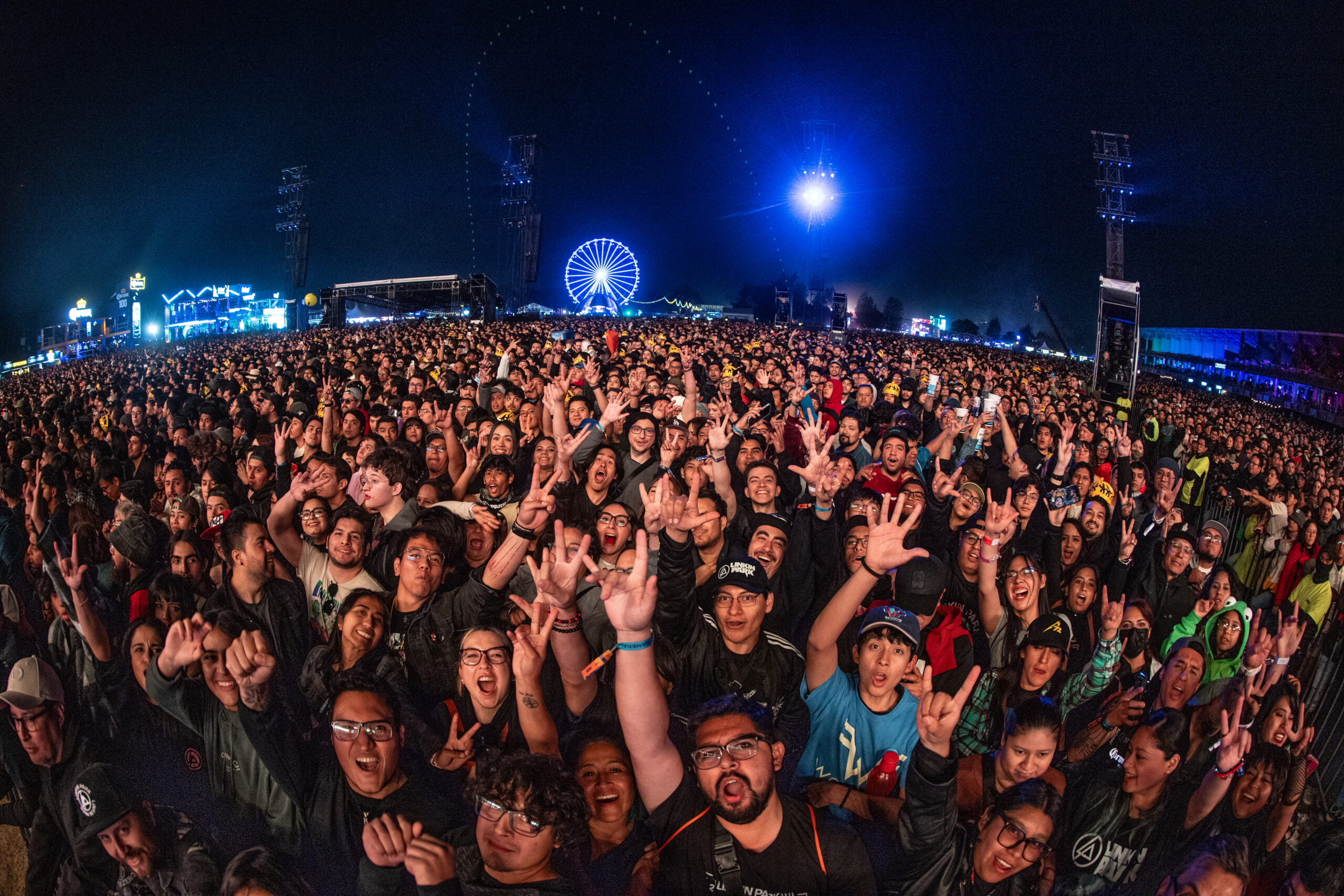
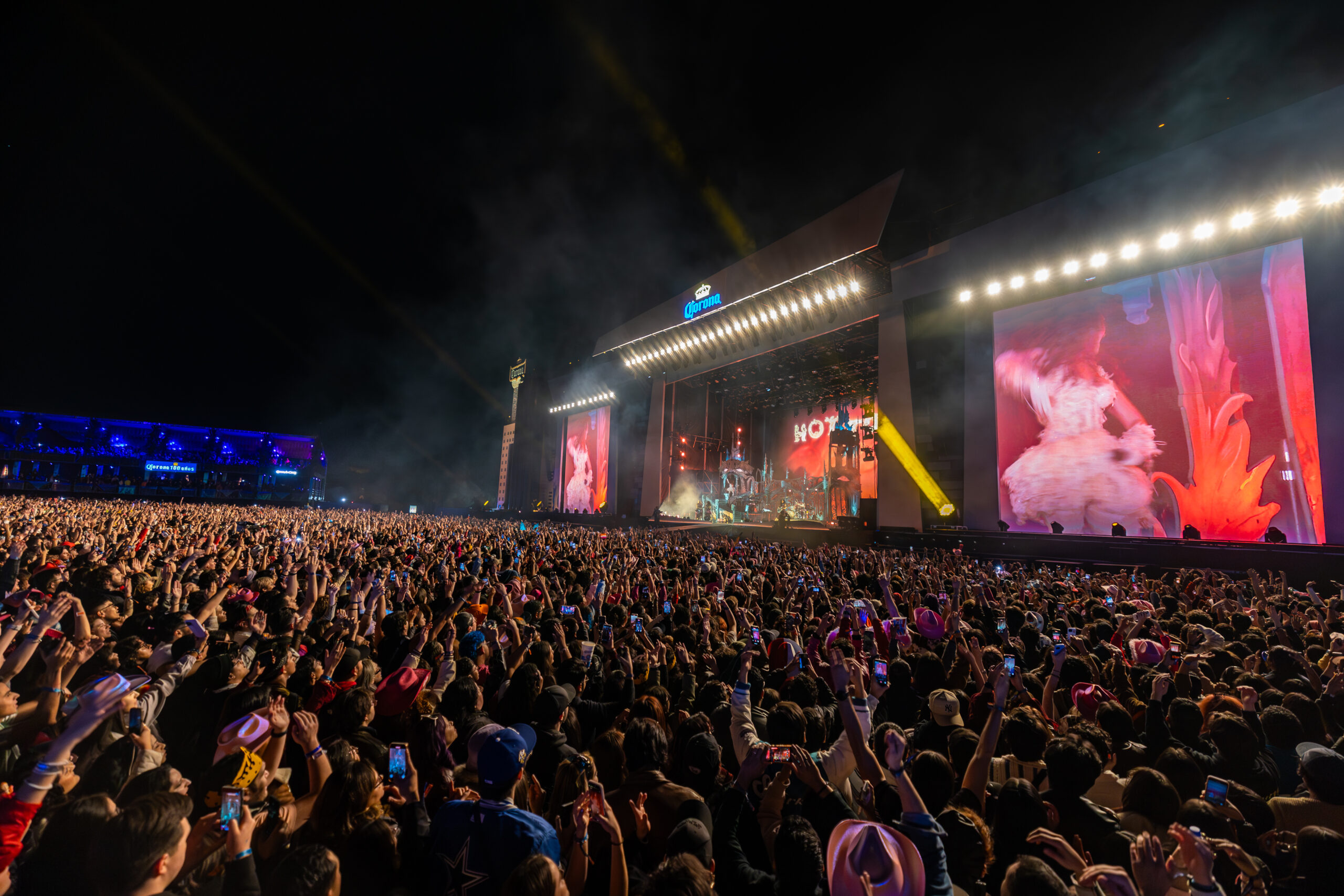
Judging by the sheer joy and passion of the some 240,000 fans who gathered for last weekend’s 15th annual Corona Capital Festival in Mexico City, rock music in all its glorious permutations is alive, well and thriving south of the border.
Corona Capital’s lineup is intentionally curated to showcase what in Mexico is called “Anglo music,” that is acts who sing in English and are most often accompanied by bands that kick out the jams with distorted guitars, pounding drums and iron-lunged singers who can belt it out. It’s all rock and roll varietals—be it hard, indie, alternative, punk, arty, contemporary, classic, metal, psych, pop, emo, folk, etc.—that for three straight days (Nov. 14-16) consistently brings the Mexican crowd to states of ecstatic bliss.
It’s clear from the stage banter, too, that most artists feel similarly amped to be at curve 4 of Autódromo Hermanos Rodríguez racetrack. This year’s lineup included major headliners Foo Fighters, Linkin Park and Chappel Roan, as well as an impressive rock-centric underbill with acts like Queens Of The Stone Age, Deftones, Alabama Shakes, Franz Ferdinand, Garbage, TV on the Radio, Jehnny Beth, Weezer, Jet, 4 Non Blondes, Kaiser Chiefs, Grizzly Bear, Marina, The Struts, Nilufer Yanya, Cults, James, Real Estate, Peach Pit, AFI, Canons and Of Monsters Of Men, among others.
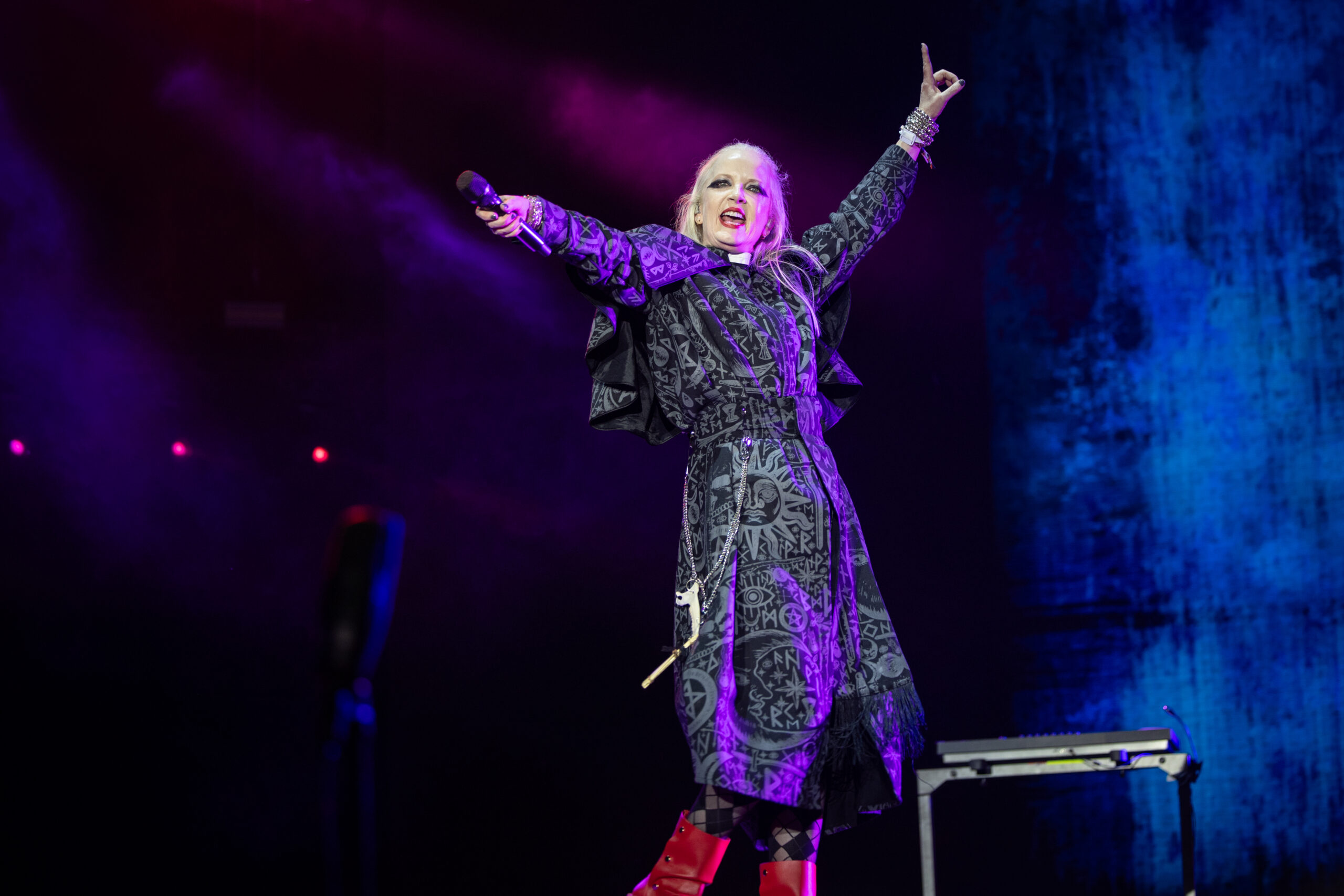
“Fucking psyched to be here tonight in this amazing city of yours,” enthused Shirley Manson of Garbage, who have played in the market for the last 30 years. “Mexico’s a very special place for us in Garbage, and it feels very exciting for us to be back here with all of you tonight. These are funny days, couldn’t think of a better place to be.”
Newer artists also echoed similar sentiments. “I was quite nervous for Mexico City because I wasn’t sure if the crowd would vibe with me because it’s such a rock leaning festival and I was like will ppl still like me if I’m pop?,” Chappel Roan wrote in a social media post after her stellar debut performance in Mexico (which included a searing cover of Heart’s “Barracuda” in which Roan’a power vocals slayed). “But omg the crowd was so wonderful and I felt so loved and supported! So so sick I got to do this, thank you for having me.”
What Corona Capital has, that many of America’s most prominent mega festivals—including Coachella, Bonnaroo, Lollapalooza, ACL and Outside Lands don’t, is a focus on rock The latter now feature an eclectic stew of acts drawing from an array of genres and appealing to various fandoms. The question here, though, is why OCESA, the promoters behind Corona Capital, has stayed consistently faithful to the mission of “Anglo music.”
“We have five radio stations in Mexico City with just Anglo music in English,” says Armando Calvillo, director of festival marketing for OCESA and Corona Capital co-founder. “There’s a lot of interest in music from the States and from the UK, principally. This interest is very, very deep on a kind of tribal level. This audience likes to discover music to be more informed about the music outside of Mexico, which can be very mainstream.”
“Living here in Mexico, we know everything—AC/DC, Led Zeppelin, the Beatles—it came to us at the same time as you heard it, but there was also a very, very active scene for underground music,” he says of the generational shift from classic rock to alternative that was something of a sea change in music culture. “We had a lot of impact from MTV, from magazines we could find to learn about music and record stores, where they brought in a lot of titles.”
Calvillo himself worked at a record store and DJ’d clubs while still in high school before discovering alternative rock and falling in love with grunge (behind him on our Zoom call was a picture of Pearl Jam’s Eddie Vedder in his office). He says the U.S. has always been a “mirror” with its music heavily influencing Mexico, and as a result, the music culture there underwent that same generational transition from classic rock to alternative.
In 2007 and 2008, Calvillo said that he and one of his partners, Guillermo Parra, at OCESA were inspired by the festivals happening north of the border. “We were very interested in international festivals as promoters for international acts,“ he says. “We were very interested in Coachella, Lollapalooza, all these festivals that were growing and doing very well at the time, and this genre of alternative indie hipster festivals. So, we wanted to have some of that here.”
This led to two earlier in carnations of what would become the Corona Capital festivals: The Motorokr Fest sponsored by Motorola and held at the Foro Sol stadium in 2007-08, featuring rock acts like Nine Inch Nails, Stone Temple Pilots, MGMT, The Killers. The fest, however, was ill-timed with both an economic recession and the H1N1 bird flu pandemic. The team also worked on 2008’s Coca-Cola Zero One fest with The Smashing Pumpkins, My Chemical Romance and Mars Volta, as well as more pop-leaning acts like Ely Guerra, Popnova and Miranda! The genre mashup, Calvillo says, didn’t quite fit together and only lasted a year. Zero One, however, provided proof of concept for Corona Capital’s festival site at the Autódromo Hermanos Rodríguez racetrack.
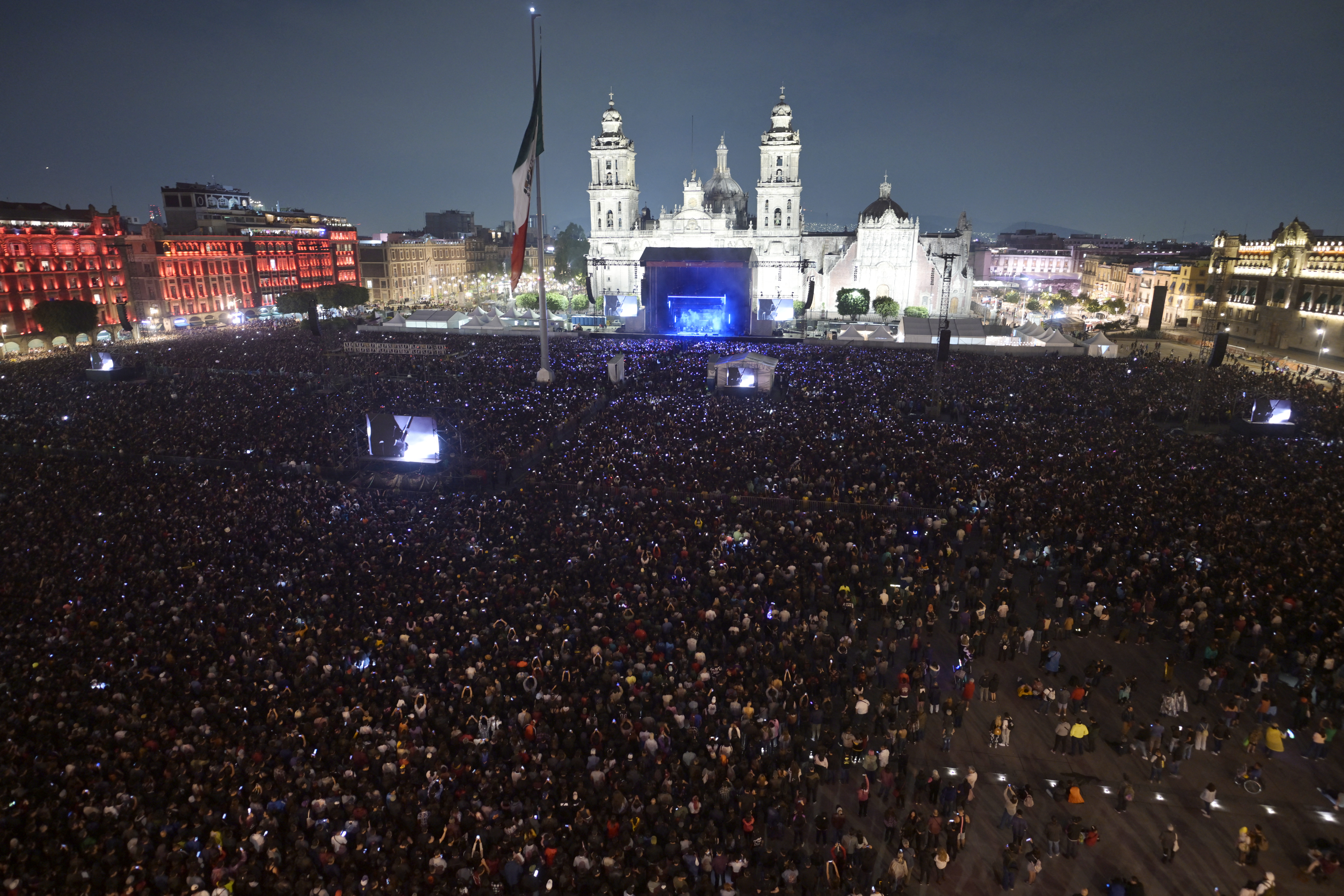
It’s worth noting the huge market traction rock acts have in Mexico sometimes don’t reflect their market shares in their home territory. Two years ago in April of 2024, for example, Interpol played a massive show at Mexico City’s Zócalo Square in the heart of the Mexico City that drew an approximate 160,000 people.
“I have some stories like that,” Calvillo says. “Placebo (a UK act) is also a band that is very important here and plays arenas. And in the States, I think they play clubs or amphitheaters. They are huge here. There are other stories like that.”
Calvillo also cites the year of 2010 as a pivotal cultural moment for Mexico, which not coincidentally is the year OCESA launched Corona Capital.
“2010 is when the hipsters came to Mexico City,” Calvillo says. “We had this hipster situation adding to the culture in Mexico and evolution of that tribe. Now they are in La Condesa and in La Roma with great restaurants, sophisticated interior design and the menus and everything. And you have record stores and places with this kind of music, and speakeasys, and a hipster movement in Mexico, which was exactly like in the States.”
It was as if Brooklyn came to Mexico City.
“That’s when we said, ‘Hey, we need to do this festival,’” Calvillo says. “At the end of the day, it is very successful because it’s an aspiration. The people say, ‘Hey, that’s good music for the people who know the culture and the art and are at another level. So much of the other music is like pop music, mainstream. So at the end of the day, this has made Corona Capital at the top of the festivals.”
(Photo: Courtesy Capital Corona Festival)
It should be noted that OCESA, according to Cavallo, also has “around 17 festivals in the year in different cities” that are not exclusively devoted to “Anglo music.”
“This weekend we have a festival in Puebla (Tecate Comuna) with Zoé, Panteón Rococó and Foster The People,” the promoter says. “We will have 70,000 per day and that’s more rock-oriented, but it’s more eclectic.”
There’s also OCESA’s Vive Latino festival, which was founded in 1998 and features a much broader palate of sounds in addition to rock, including pop, reggaeton, electronic, hip-hop and regional Mexican music.
While Corona Capital will never stray far from its rock leanings, there are more pop acts like Chappell Roan or Billie Eilish, Cavallo does say they may soon bring in hip-hop as more fans there embrace the genre. He also notes the massive rise of K-pop in Mexico, which he says is “exploding” and may also add another genre festival to the region.
No matter the sounds, Mexico’s music fandom may be unparalleled anywhere else in the world, with the U.S. industry taking note. After acquiring a majority stake in OCESA four years ago, Live Nation this past July upped its stake in the Mexican promoter to 75%. When the deal was announced, Live Nation chairman and CEO Michael Rapino said that “Together we have more than tripled the number of fans attending our concerts in Mexico since 2019, making Mexico now the third largest music market in the world…”
With the 10th largest global population at more than 130 million people, Mexico is clearly punching way above its live music weight. Part of the reason for that is the market’s history of global music fandom which, in the wake of streaming’s rise, has given access to more music listening than ever. As well the market’s proximity to the U.S. and its familial and social ties, which also add to the market’s penchant for U.S. artists (and vice-versa).
“In Mexico, they are always trying to discover new music,” Calvillo says. “And now with more platforms, and Spotify and everything else, I think there’s an explosion with more people in Mexico looking for new music from all over the world and they are fans of artists from everywhere.”
FREE
 Daily Pulse
Subscribe
Daily Pulse
Subscribe
 Daily Pulse
Subscribe
Daily Pulse
Subscribe