
Executive Profile: Kevin Shivers Reflects On Sobriety, First Year At Wasserman Music & What It Means To Be A Leader
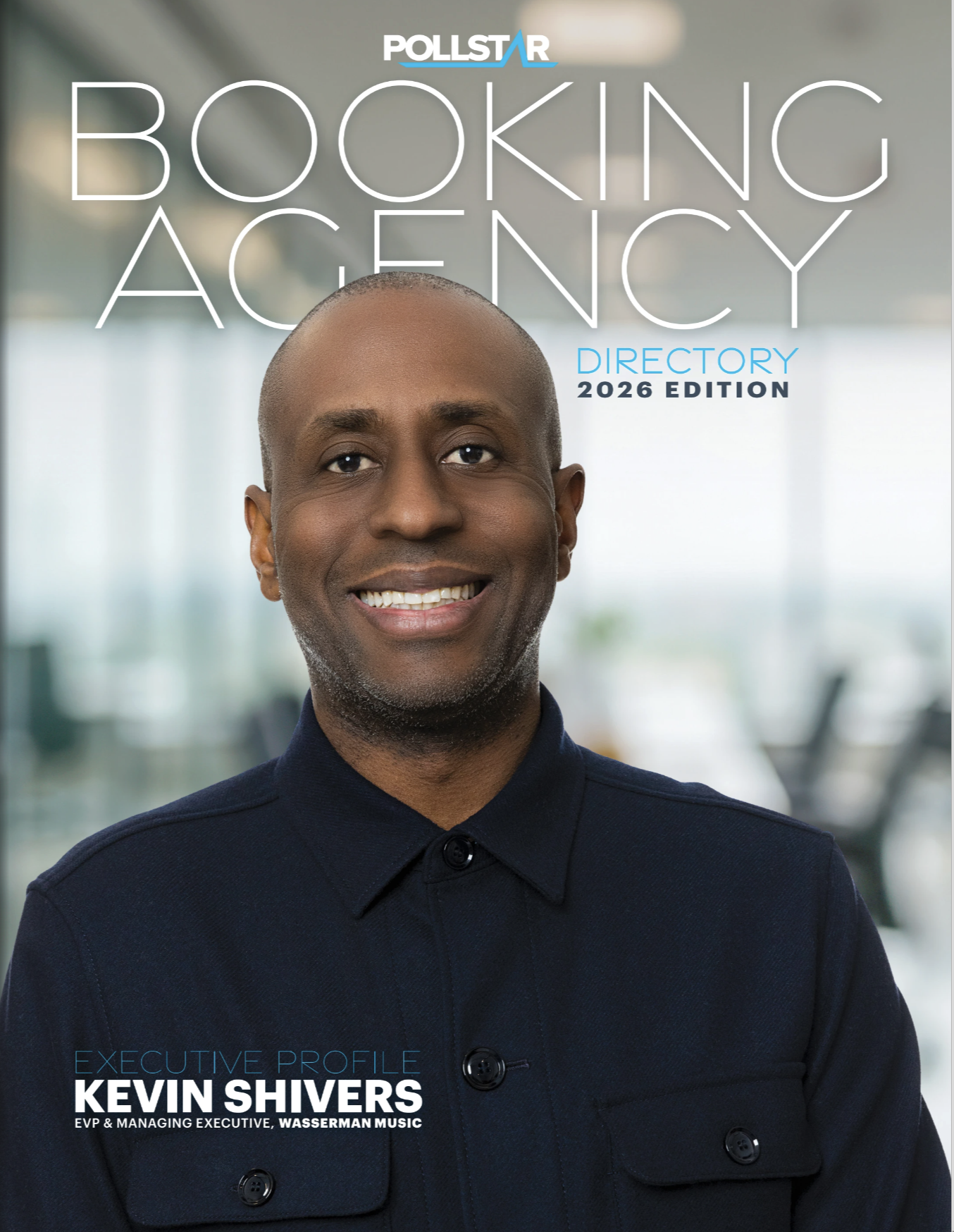
Around 4:30 each morning, Kevin Shivers wakes up and starts his day. He typically rides his bike for exercise, enjoying some peace and quiet before heading off to Wasserman Music’s Westwood office in L.A. At some point, invariably, he hops on the phone with his mother, whom he speaks with every single day without fail.
This ritual has been part of Shivers’ days for years, long before he made headlines in January for his switch to Wasserman Music, where he joined the company’s executive leadership team after having spent just over 16 years at WME. With him, he brought his longtime clients including Tyler, The Creator; Kali Uchis; Vince Staples; Leon Thomas and Kid Cudi.
Wasserman Music is pleased to have him. When the company reopened its offices in early January following its annual holiday break, Wasserman Music President Lee Anderson reportedly walked around with more pep in his step.
“Over the last year, there has not been one day where I have not felt deep gratitude that Kevin Shivers is in my life,” Anderson says. “Beyond our friendship, I know just how lucky I am to call him my peer professionally. As an agent he’s a force, as a leader he’s a brilliant visionary, and as a friend he’s a rock. He’s the perfect balance of patience and tenacity. Not only has he made Wasserman a better company, but his time and influence have made me a significantly better version of myself.”
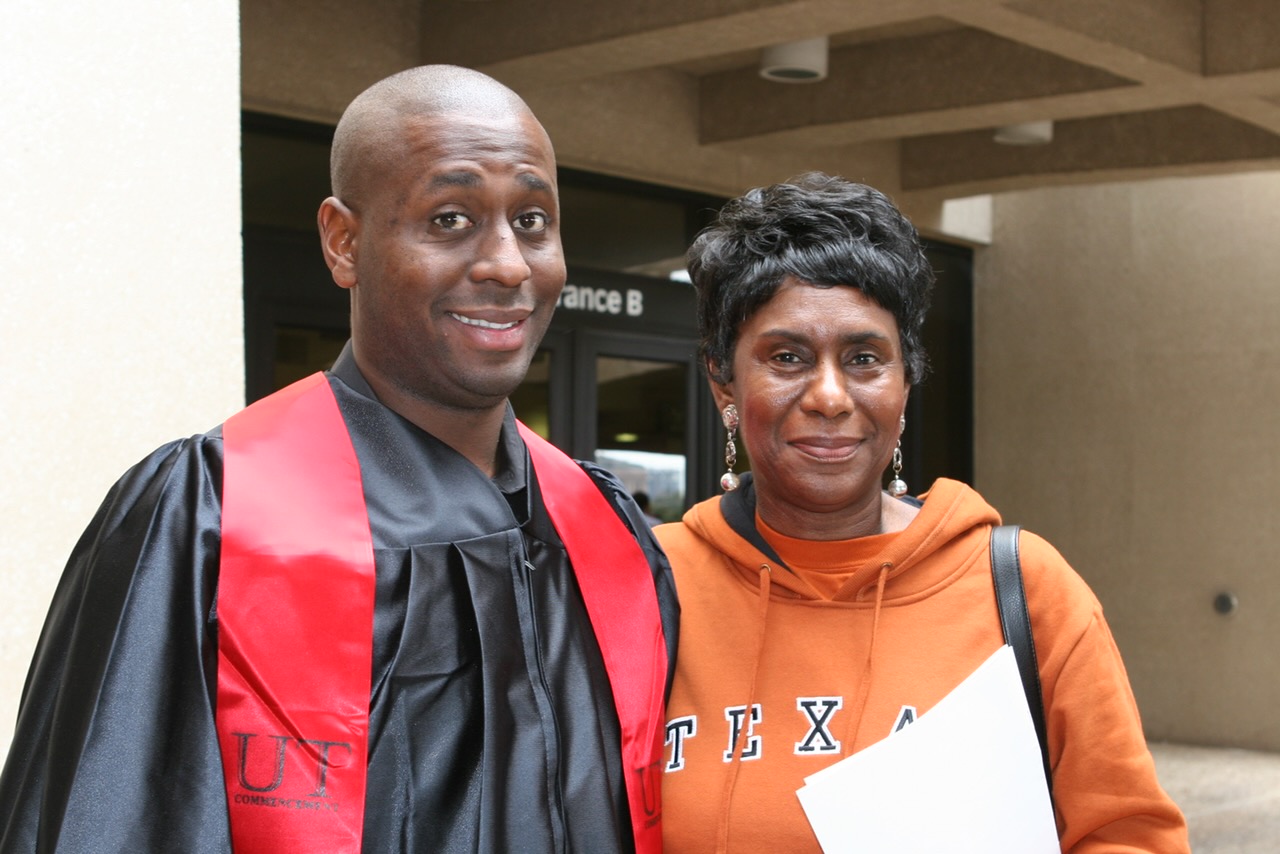
Shivers credits that balance of patience and tenacity to his mother and grandparents. Growing up in Waco, Texas, he would join his grandparents on the weekends checking in on elderly neighbors who needed help with care. He shares that his mother continues to carry on this tradition, checking in on her neighbors and community from church even at the age of 83. Traits such as these lay at the core of Shivers’ business ethos, and propel his career today.
While at the University of Texas, Shivers initially studied film. He selected the major due, in part, to his mother’s love of the movies, which spread to him. However, Shivers shares he struggled in school and throughout his earlier 20s, admitting his education stalled due to his battles with alcoholism. As he recovered, he began to make it part of his life’s work to help others through their addictions.
“I had a long journey in school because I didn’t do that well,” Shivers says. “I finally went back when I was sober at 27. It’s funny how those D’s and F’s turned into A’s and B’s and the occasional C. It’s how my life changed.”
While in Austin, Shivers met C3’s Charles Attal, who then had his own promotion company and ran Stubb’s BBQ. The two became friends after Shivers kept running into him at the venue – a place he’d frequently sneak into. As Shivers began his own music industry journey and became an agent, he leaned on Attal, who helped him get his first role at WME.
“Kevin Shivers works tirelessly and always answers on the first ring, no matter the time zone,” says Attal, now C3 Presents co-founder. “In a fast-paced industry with sharp elbows, Kevin remains even-keeled and always has a calm demeanor. His steady presence and relentless drive make him an invaluable partner in any situation.”
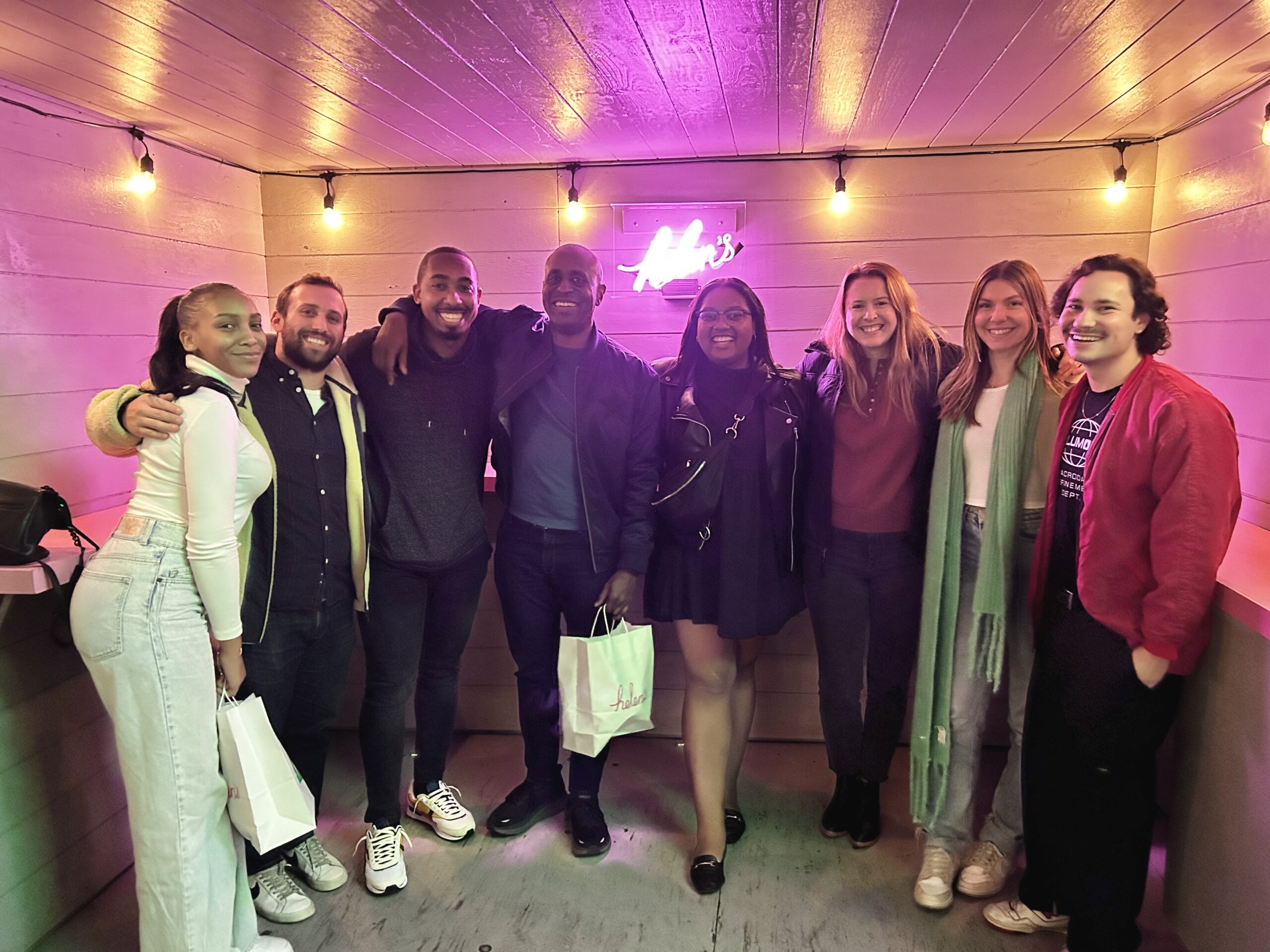
Shivers now aims to pay forward the mentorship Attal and others gave him. He gathers all of his assistants – both past and present – for an annual dinner. He hears what those who used to work on his desk are currently up to, and encourages them to share their insights with those he’s currently working with. In fostering those relationships, his former assistants continue to reflect on their time working alongside him.
“Working with Kevin has meant more to me than I can even put into words,” says Aria McKnight, Shivers’ assistant from 2017 to 2018. “He took a chance on someone who was quite frankly struggling with how to be an assistant and mentored me not only on how to do the job but constantly reminded me what it means to be a good person and mentor. Starting off the day with his signature ‘Are you happy?’ always reminded me how important happiness is in life. Our jobs are never easy and require a lot of time and hard work, but as long as you are happy and moving forward, that’s what truly matters. Those two-ish years with him are some of my favorite times in the music industry and I learned what it means to not only be the best at your job, but also how invaluable it is to just be a good person.”
Here, Shivers discusses how he went from driving golf carts at Austin City Limits to the top of the agency business, as well as mentorship, his relationship with Tyler, The Creator and what lies ahead.
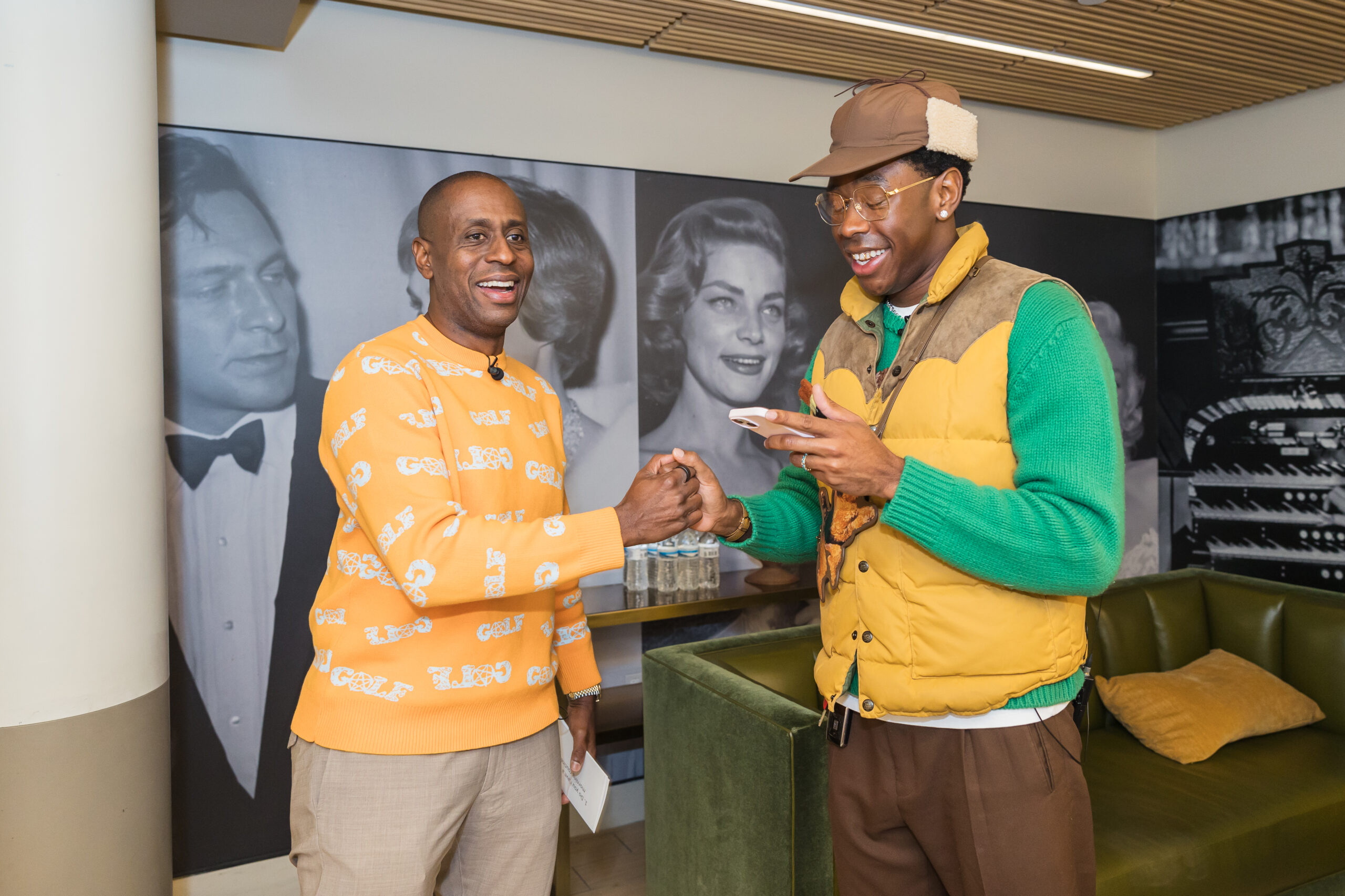
Photo by Michelle Mosqueda.
Pollstar: How did you get your start in Los Angeles and the music industry after being in Texas?
Kevin Shivers: Wofford Denius is an incredible music lawyer who mentored me when I was at UT Austin – I received his scholarship as a part of the “UTLA Program,” which is what gave me the means to get to L.A. The first internship I landed at the Weinstein Company came from a producer named Elizabeth Avellán, who I met working at a bar called Six Lounge in Austin.
After working at the Weinstein Company, I got another internship at Sobini Films doing development, and I learned pretty quickly that film was not the career for me. I didn’t want to read scripts all weekend, and I thought, after you read 30 scripts, how can you tell a good one from a bad one?
Before that, I had driven golf carts at Austin City Limits, and I had a relationship with Charles Attal. Back then, I was thinking: “If film doesn’t work, I want to try music.” So once I realized it wasn’t the career for me, I was plotting my next move. I started calling the William Morris Agency every Monday, begging for a job. Finally, six months had gone by, and I called Charles Attal, because everything goes back to Charles. I was like, “Can you help me get a job?” And he said, “I was waiting for you to call. What took you so long?” 20 minutes later, I had a job. I started the Tuesday after Memorial Day of 2008.
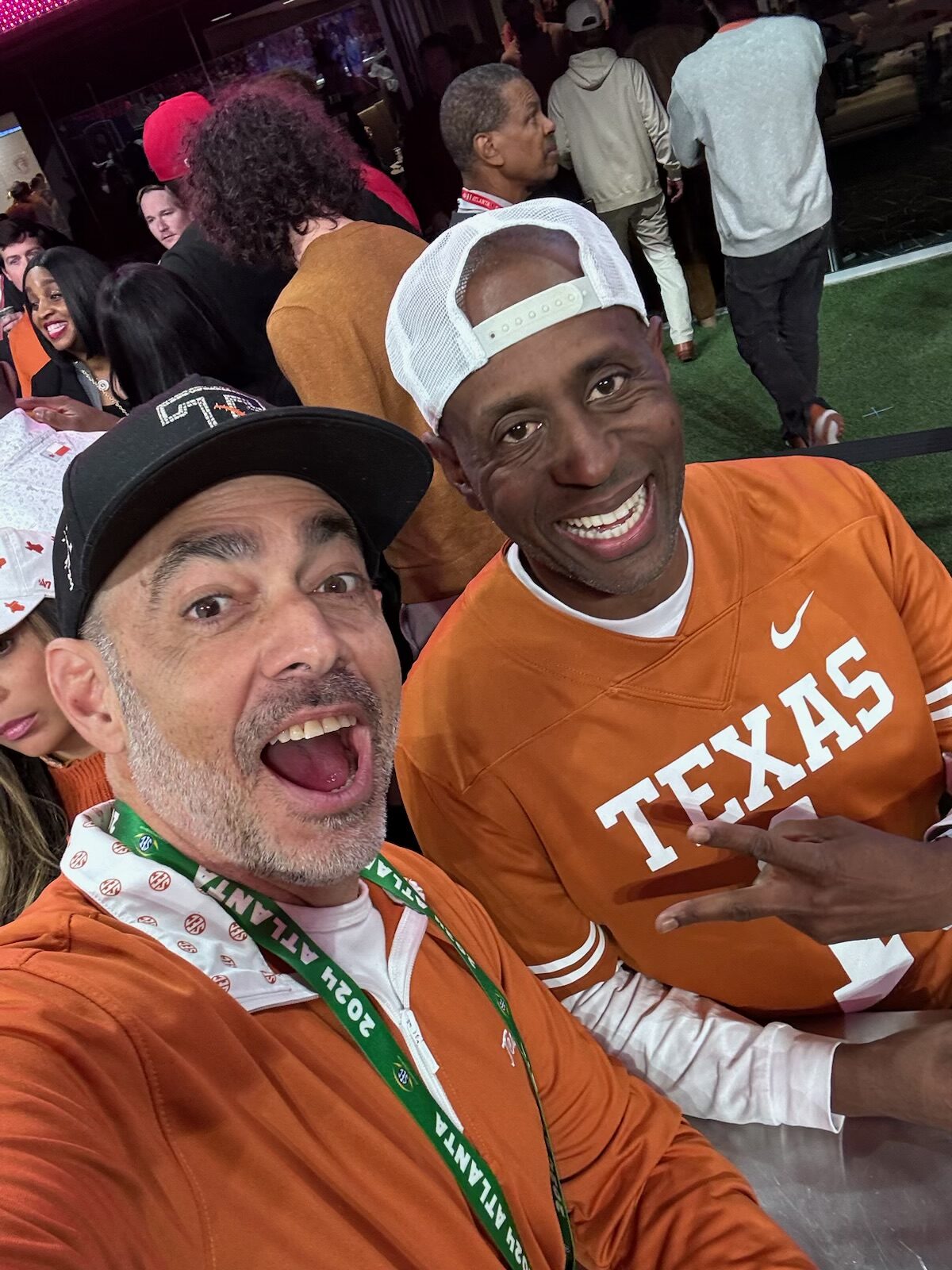
You’ve had a strong relationship with Charles Attal throughout your career. How did the two of you first get connected?
I first met Charles around 2000. His ex-wife owned a bar called Club DeVille that I’d go to all the time. It sat right across from Stubb’s, where everyone went to see live music. I didn’t have much money at the time, so I’d either know the door guy or find my way in however I could. One day, Charles walked up to me and said, “I see you at a lot of shows, what’s your deal?” At first, I thought he was asking how I kept getting in, but what he really meant was, “Hey, we should be friends.” And then we were. We started watching shows together, drinking together – just part of the same crew. We’ve stayed close ever since. I still FaceTime him all the time. He’s truly one of the best people I know.
How has sobriety impacted your philosophy with work and with life?
I think I would not work as hard if it weren’t for my sobriety. Brian Cross, one of my dear friends who’s a manager at Monotone, was my second AA sponsor. He taught me a lot, and he teaches me every day. We have a lot of the same attributes. For some reason, there’s something in me where I feel like I’m making up for lost time. That’s why I’m up every day at 4:30 in the morning. That’s why I work hard and work late. Sobriety put me in that place. I was in my head for 10 years about why I did this, that, and the other. I can now let that go. Sobriety’s been one of my greatest gifts. It drives me to want to succeed. I don’t believe in perfection; I’m always trying to be better than the day before. I just want to be 2% better.
I’ve been sober 22 years in January. It is my catalyst, it is my clock, it is my everything. I am eternally grateful for that; it gave me a second chance at life. I was a 30-year-old intern at the Weinstein Company. I would come home some days, look in the mirror, and just cry. I was like, ‘How did I get here?’ I was answering Marc Geiger’s phones when I was 35. But I just kept at it, and I made partner at WME five years after I got promoted to agent. It just drives me.
It feels as though, especially within the last few years, more and more folks in the industry have been getting sober. What advice would you give them as they navigate this lifestyle?
First advice is you can always call me, and I’ll always help. We don’t boast about it, we don’t talk about it, but I will help anybody. I’m not one to preach – to each his own. But it’s scary to get sober. I was scared that nobody would like me anymore. That I wouldn’t have any friends. I was completely terrified of that. For somebody who wants to be sober, just give it a try and see how it goes. Be serious and go to meetings. And, for some of us, we have to go to rehab – I went to rehab. It can totally change your life. But sobriety’s not for everybody.
Why is mentorship so important to you?
That’s the most exciting part of the job. If I’m not helping out the young people in the building, then what are we doing? I’ve always thought that if I’m not helping the people on my desk grow and hit their dreams, then I might as well just stay home. If I turn on my LinkedIn right now, there are probably 20 people who have reached out to me. I always make time for them because Charles made time for me, and he didn’t have to do that.
“Over the past six years, Kevin has taught me how to show up for people. He returns every text, email, and call regardless of who is calling and what they’re calling about – in fact he’ll call you back every single day until the issue is resolved. Kevin has a way of making everything and everyone feel important – he holds himself to an incredibly high standard and inspires me to meet him at that level.” – Yolande Poitras, assistant 2022-2023 and current colleague
How do you approach developing these younger agents to help them build sustainable careers?
Mentorship is a two-way street. People coming up in the business need to be hungry and seek out our mentorship, and we as more-seasoned professionals need to be willing to help them. When anyone has a question for me, I prioritize answering them and helping them grow.
How do you define good leadership, especially in an industry such as this one that’s primarily built on relationships?
Good leadership comes from listening and getting back to people. That’s what I love about Lee Anderson. He gets back to everybody. It’s about being thoughtful, being vulnerable, and admitting when you’re wrong. We’re all human beings; we don’t always get it right. Always being willing to help and always extending a hand is what makes a good leader. Show up when people need you and just be open. Many times, it’s a thankless job. Being open to feedback and knowing that sometimes, you might not get it right.
Tyler, The Creator has had a record-breaking year. Can you tell me a bit about your relationship with his managers, Chris and Kelly Clancy, and how the tour has been?
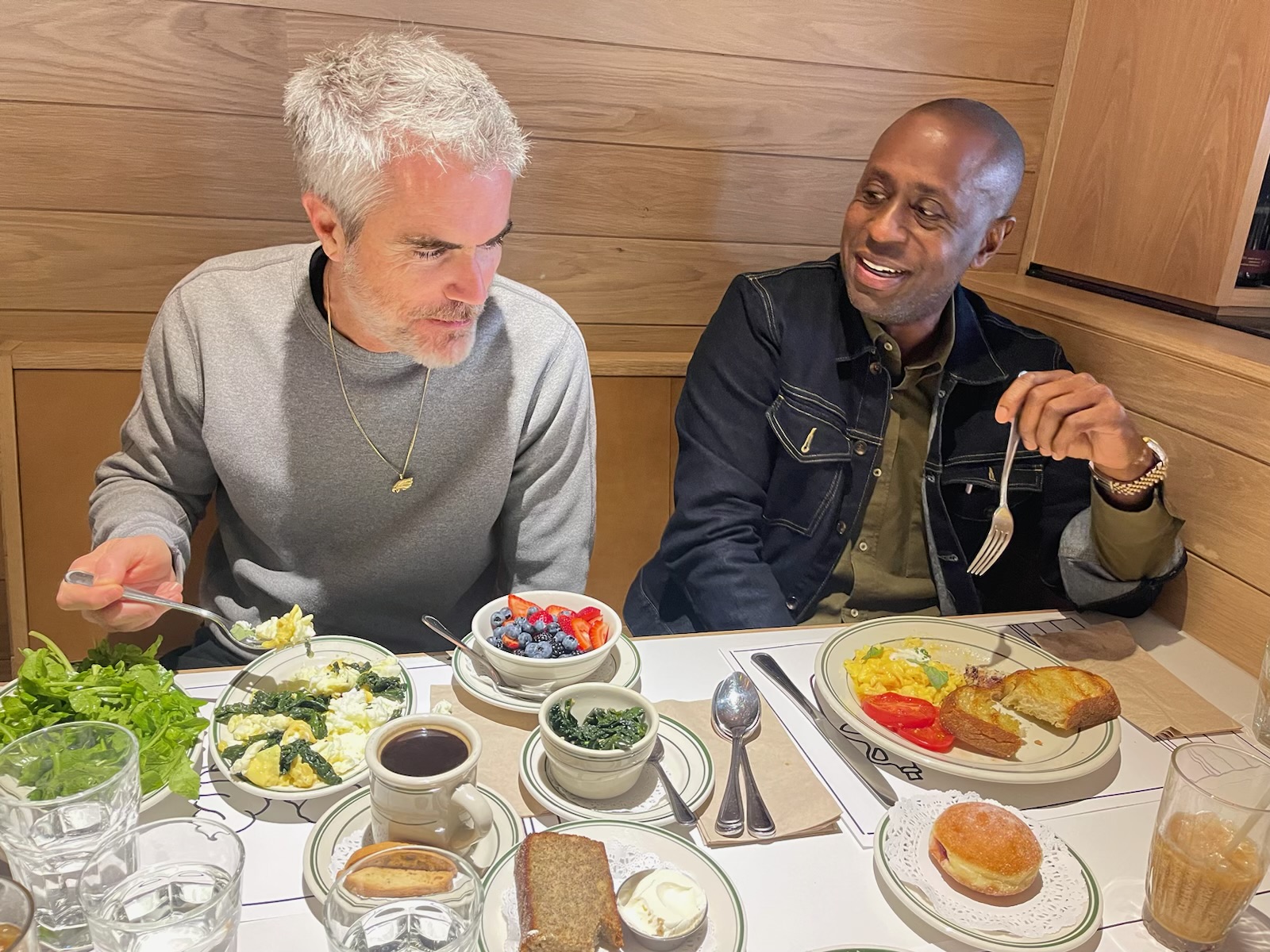
Chris and Kelly are the best humans. I’ve been working with them since 2012. We have a great relationship, and they are people I rely on. I talk to them about work, about personal stuff. They always have good advice and always make time for me and James [Rubin, EVP and Managing Executive at Wasserman Music].
How have you all been working together to help build and guide Tyler’s legacy?
Tyler is a one-of-one, ultimate creative force. James and I are very proactive with giving ideas and advice, but the vision comes from Tyler. He gave the world a lesson in album rollouts with Chromakopia – and dropping Don’t Tap The Glass in the middle of that tour was a stroke of genius. We’re just happy to be along for the ride and exist in this orbit.
You’ve also had a long-time relationship with Kali Uchis.
I’ve been working on Kali with Cristina Baxter since 2014, and James Rubin does the international touring. Kali is just salt of the earth and incredibly kind. I met her when she was young in the business, and I just knew she had a creative voice. She just sold out 29 arenas on the most recent tour, and her stage production is incredible. She has a special relationship with these young fans – so many took the opportunity to dress up for the tour in looks inspired by her and her music. I couldn’t be more over the moon proud of her. And Jon Lieberberg, her manager, is one of my favorite people.
You have a diverse roster with many acts that you’ve been with for a long time. What drives you to work across different genres – podcasts and artists at any and all stages of their career?
It’s always leading with the content. With the “Pod Save America” guys, they have a great team. I’m a political junkie; you walk into my office and I’m watching politics all day. I read a lot about politics. I love what they’re doing and what they have to say. I’ve been working with them since 2017.
Vince Staples, that’s my guy. I love artists who have unique voices and who have things to say. In the process of working with Vince, we’ve become close friends, and that relationship has meant a lot to me. And I can’t wait to watch his new TV show.
What’s coming up for you and your clients in 2026?
Tyler just announced he’s headlining All Points East for two nights. Leon Thomas is on fire. I just started working with Ari Lennox, and she’s going to have a moment next year. Wiz Khalifa is out; stay tuned with Kid Cudi. It’s a mid-term year, so “Pod Save America” will be active.
What’s your focus for Wasserman Music as a whole?
Helping us grow and work with more artists. Bringing on the right personnel and investing in people. Assisting Lee in any way that I can. When we show up as we, and not as me, that’s when we’re unstoppable. My north star always remains helping artists, loved ones, my colleagues, and others reach their full potential.
“Kevin is a natural leader. I am grateful to have him in my corner as both a mentor and friend. It’s rare to meet an industry executive that makes time for and champions colleagues of all ages and backgrounds in the same way he does his clients. He treats everyone like family. It’s been an honor to watch Kevin continue to grow as a leader and assimilate to the culture at Wasserman—a company that champions authenticity and purpose driven work.” – Chloe Garica, colleague since 2017
FREE
 Daily Pulse
Subscribe
Daily Pulse
Subscribe
 Daily Pulse
Subscribe
Daily Pulse
Subscribe