
Year In Latin: Latin Artists Find Ways To Persevere Past Obstacles
It’s been an interesting year for Latin artists, with visa issues and political uncertainty forcing many acts to cancel or push back tours to 2026.
Despite any disruption originating in the White House, “The truth is, this has always happened,” veteran artist manager and promoter Abraham Contreras of Uno Productions told Pollstar in March. “Maybe they’re checking more closely now and being more selective, but artists who are especially active on social media or at their concerts need to be careful because they could harm their careers. … There is more scrutiny, and they do verify all of the information now. Before, they didn’t look so hard.”
Despite those challenges, numerous acts persevered — like many before them — and demonstrated how influential and essential Latin music is to the ever-booming live industry.
Twenty-seven Latin artists cracked Pollstar’s 2025 Top 200 Worldwide Tours, two more than the previous year. Leading the pack is none other than Shakira, who earned her moniker of “she-wolf” by shattering box office records with her massive “Las Mujeres Ya No Lloran World Tour.”
The Colombian superstar completely scrapped an arena tour, opting for North American stadiums, a move that paid off for her and promoter Live Nation. Shakira’s ambitious trek grossed $320,204,577 and sold 2,476,105 tickets, making it the highest-grossing tour by a Latin woman. She participated in the trend of playing college football stadiums in underserved markets and became the first act to perform at Valley Children’s Stadium in Fresno, California.
Rauw Alejandro was 29th on the list with his “Cosa Nuestra Tour,” which grossed $86.15 million, and megastar Bad Bunny, of course, made it to the charts despite not having a major tour within Pollstar’s chart period (he kicked off his highly anticipated “DeBÍ TiRAR MáS FOToS World Tour” in late November). His 31-date hometown residency at Coliseo de Puerto Rico finished with a $47.5 million haul off 447,706 tickets, a major boost to the local economy, and he is bringing Latin flavor to the National Football League as headliner of the Super Bowl Halftime Show in February. Another hit was Chayanne’s “Bailemos Otra Vez Tour,” promoted by Cárdenas Marketing Network (CMN) and had a haul of $97.7 million, placing the Puerto Rican star at No. 25.
What stands out is the diversity among artists. The urbano movement is going strong with artists like Rels B, Feid, Maluma and Duki selling out venues across the globe, popular legacy acts like Marco Antonio Solís, Ana Gabriel and Joáquin Sabina continuing to thrive at the box office, and Zoé proving rock en español is very much alive, having played six nights at Mexico City’s Estadio GNP Seguros and grossing $18.6 million.
Also, the música Mexicana movement continues to push forward behind young acts like Junior H, Fuerza Regida, Ivan Cornejo and Tito Doble P.
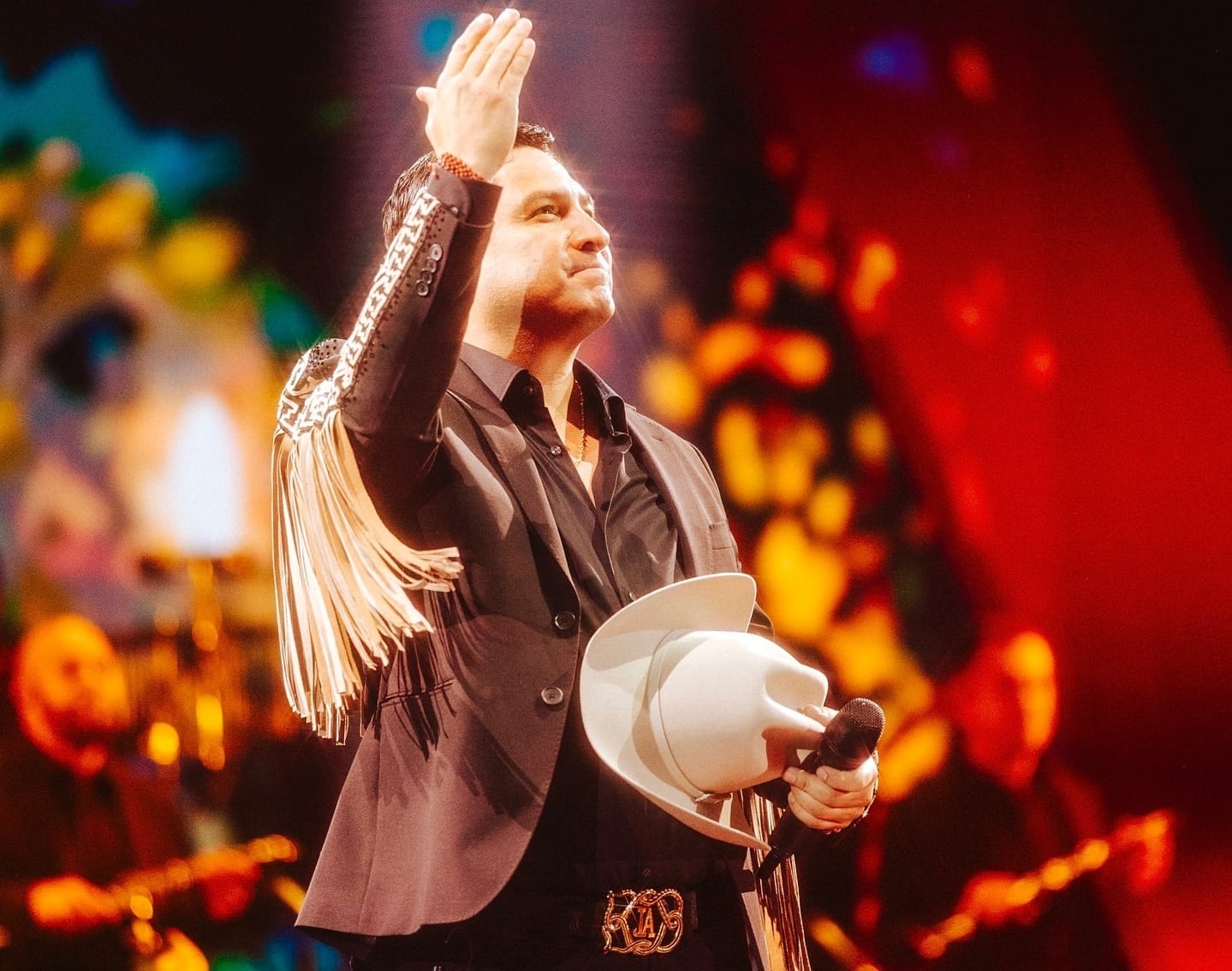
There is perhaps no better example of the turbulence of Latin touring than Julión Álvarez, who made a triumphant return to the U.S. in April. The regional Mexican star sold out three nights at SoFi Stadium in Los Angeles, averaging $10 million per show. He was scheduled to follow that up with a sold-out concert at AT&T Stadium in Texas, but his visa was revoked the day before, forcing him to postpone and reportedly costing promoter CMN more than $2 million.
It was a stern reminder for promoters, managers and artists in the industry of the flawed, expensive and lengthy process of acquiring a work visa in the U.S.
But if there is any group that can overcome such trials and tribulations, it’s obviously Latinos. They did it this year, and they’ll likely do it better in 2026.
FREE
 Daily Pulse
Subscribe
Daily Pulse
Subscribe
 Daily Pulse
Subscribe
Daily Pulse
Subscribe