
The Year In Asia: Expanding Touring Market, Growing Infrastructure & More Than Just K-Pop
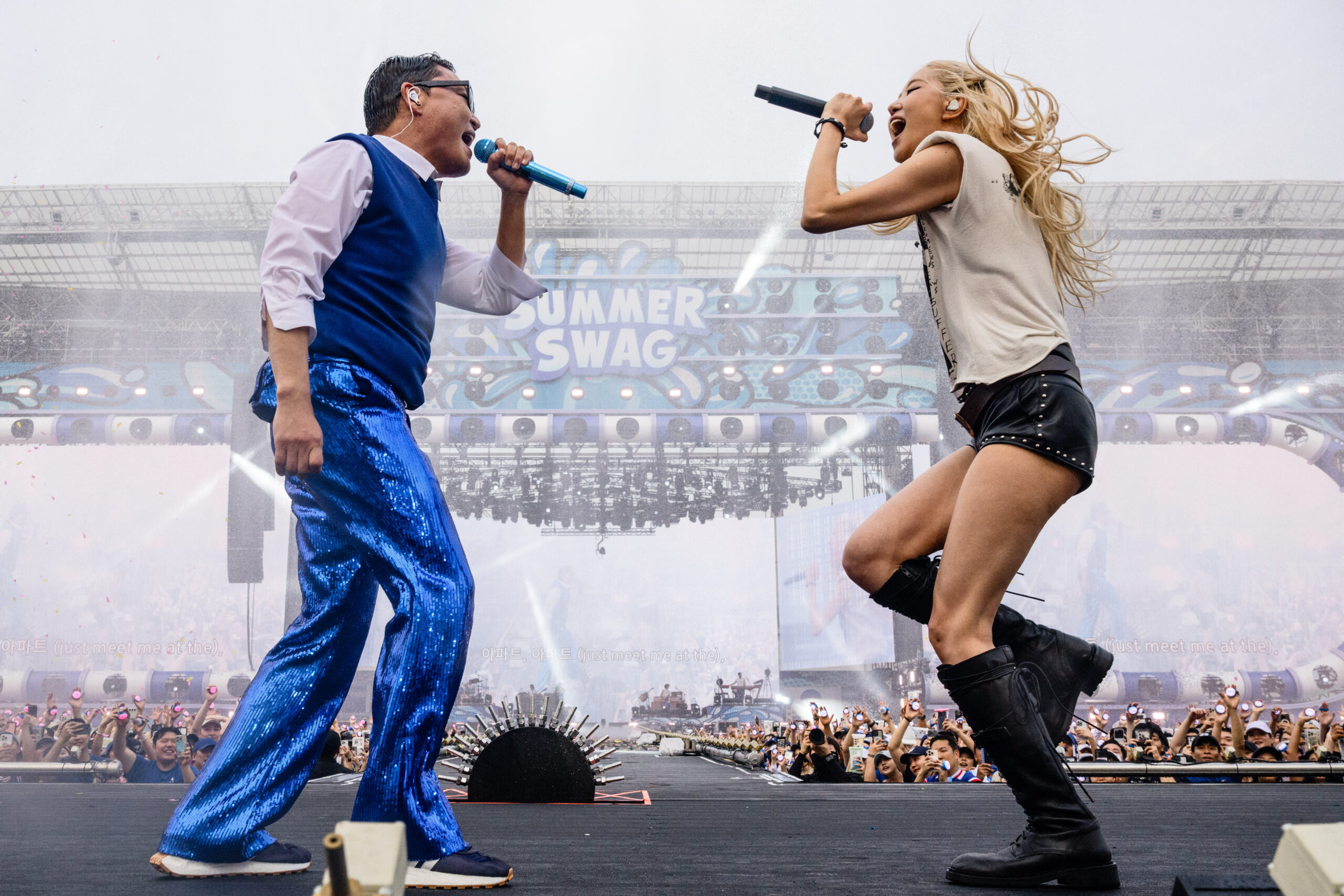
The Asian concert business continued to grow in 2025, spurred in large part by Western acts visiting certain countries and territories for the first time, the most prominent being Coldplay, which had already toured the continent in 2024 but returned this year to hold its first-ever shows in India with five sold-out stadium appearances in January, including a stop at the Narendra Modi Stadium in Ahmedabad that attracted 110,000 people, thus making it the most attended concert in Asian history, not to mention the biggest show Coldplay ever played.
The English band was also the first foreign act to perform at Hong Kong’s newest and largest venue, the 50,000-seat Kai Tak Sports Park in early April with four shows that drew heavily from areas outside the city. It finished the month with six sold-out stadium shows in Seoul.
Other major acts that hit India for the first time included Eminem and Travis Scott, who broke the country’s record for the biggest rap concert ever in terms of attendance with two shows, one in New Delhi and another in Mumbai. Other major acts that toured India included Guns N’ Roses in May and Ed Sheeran in February. (While in the neighborhood, Sheeran also became the first Western artist ever to play a concert in Bhutan.) In addition, India hosted several major music festivals, including a Mumbai edition of the Rolling Loud hip-hop festival in November.
Smashing Pumpkins, however, were forced to cancel their first-ever shows in the country about a week before they were scheduled to take place in October. The exact reason was never announced, but Asia did see a number of cancellations during the year that were primarily caused by logistical concerns. Another edition of Rolling Loud was slated for Thailand in the fall, but was called off after tickets went on sale. Two Creamfields EDM festivals were canceled, one set for Bangkok and another in Hong Kong. In addition, a string of music festivals in Indonesia featuring mostly regional acts were cancelled due to what one media outlet called “lack of appetite among concertgoers,” including We The Fest, which has been an annual event since 2014.
The cancellations point up the difficulties many local organizers have when taking advantage of the surge in interest in live entertainment. Some newer companies are still trying to get the hang of the business but other more savvy organizations may be overestimating the boom. In the last several years Singapore has emerged as the uncontested concert hub of Southeast Asia, having snagged regionally exclusive stadium runs by Taylor Swift and Coldplay in 2024.
The city pulled off another coup when it got Lady Gaga to agree to a four-show stand at the National Stadium in May as her only stop in Southeast Asia, disappointing other cities like Hong Kong and Jakarta, which had actively tried to lure her. But while the shows sold out, resales on the secondary market were much lower than those for Coldplay or Swift. It also pointed to the problem of organized scalpers buying up blocks of tickets, which continues to perplex the concert scene throughout Asia. In November the Black Eyed Peas canceled a show in Macao, presumably due to less-than-expected ticket sales.
International tours, whether in Asia or elsewhere, are vital to K-pop acts because the market in their home country isn’t large enough for their management’s ambitions. But now that South Korea has become almost the equal of Japan as a mandatory destination for world-class acts, Korea’s relative lack of large-scale concert venues has become an issue that needs to be addressed sooner rather than later. Fortunately, several dedicated concert arenas and at least one stadium are under construction or being planned for the greater Seoul area.
FREE
 Daily Pulse
Subscribe
Daily Pulse
Subscribe
 Daily Pulse
Subscribe
Daily Pulse
Subscribe