
The Year In Europe: Protests, Providence & Market Power
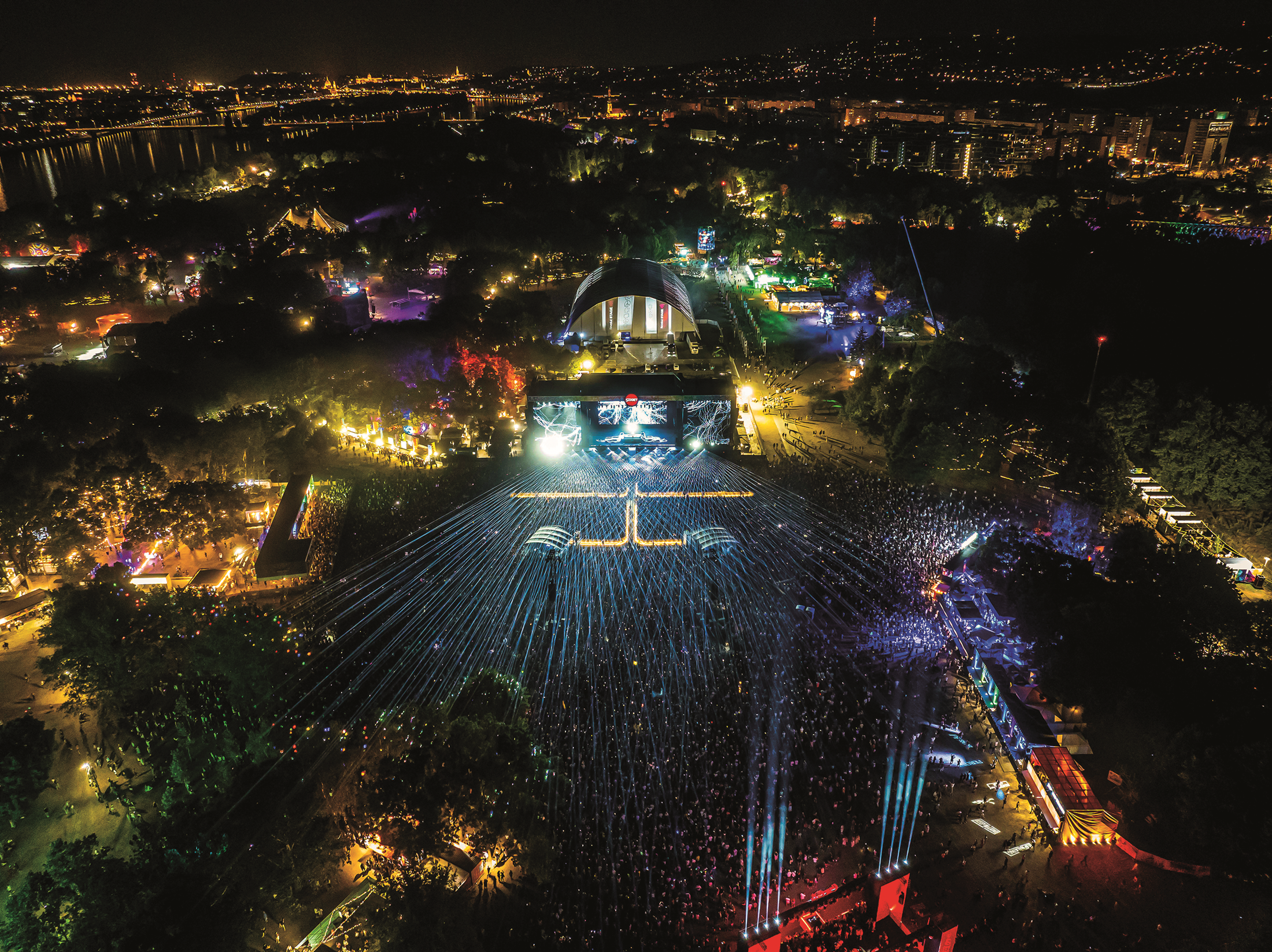
Europe has been the setting of many a live entertainment drama in 2025, some economic and some political. One on the latter end of the spectrum involves EXIT festival in Serbia, which made the 25th edition its last for the time being — faced by a heavy-handed government suppressing those critical of it.
Such was the case as hundreds of thousands of students have taken to the streets since November 2024 in protest of government corruption. EXIT organizers were staunchly on the side of the the students. After all, for a festival that was born out of student protests against the regime of former Serbian president Slobodan Milošević, supporting a student protest 25 years later was less of a choice than it was destiny.
The Serbian government retaliated against any public figure or organization supporting the students, and EXIT was no exception. The threat of having its festival licence revoked in the leadup to the 25th edition in July of this year was real, but so was the team’s determination to celebrate an epic anniversary at their original home, Petrovaradin Fortress in Novi Sad. They made it happen in the end, but it didn’t come without losses.
EXIT won’t return until freedom returns to Serbia, as founder and CEO Dusan Kovacevic always puts it, vowing “never again” to organize a festival while under that kind of governmental pressure. For the foreseeable future, different events will take place across the world under the EXIT banner. But the original has left the Fortress. For now.
Another major development, this time economic in nature, unfolded in Eastern Europe. In Hungary, to be specific, and involving Sziget, one of the continent’s most popular music festivals. Now in its 32nd year, Sziget has become a cultural landmark in Europe. In 2017, Superstruct bought the event – the first festival the new company ever acquired. Many, many more were to follow. Suddenly, growth became a guiding factor in the Sziget philosophy, and when KKR bought Superstruct from Providence in 2024, that philosophy became a guideline.
As local news outlets reported in November, KKR had already made plans to abandon Sziget, just like it had abandoned other Superstruct events in Hungary, as part of its withdrawal from Central Europe, a territory that didn’t add up on the balance sheet. Sziget founder Károly Gerendai, who had left after the Superstruct acquisition, returned to make a deal with the city of Budapest that would secure the immediate future of the event despite losing the backing of its major investor. A prominent example of the fact that the spirit of an event cannot be scaled like an off-the-shelf product.
The year closed with some foreboding news from London, England, where the government’s business and trade committee launched an inquiry “exploring issues impacting competition and market functioning within the UK’s live music industry,” according to the official wording. The committee “is seeking written submissions on the characteristics, features and trends within the UK live music industry that may adversely impact market competition or market functioning.” Interested parties can submit evidence until Dec. 23 of this year.
The UK’s Association of Independent Festivals (AIF) welcomed the inquiry as it considers increasing consolidation a “grave concern for the festival sector. AIF will support this inquiry with a substantial body of data, evidence and information that has been gathered over recent years, and would encourage others across the live music industry to submit evidence before the December deadline to help ensure the future health, diversity and creativity of UK’s live music.”
FREE
 Daily Pulse
Subscribe
Daily Pulse
Subscribe
 Daily Pulse
Subscribe
Daily Pulse
Subscribe