
The Year In Music Festivals: 2025’s Majors Reload, Indies Grow & Niches Refine
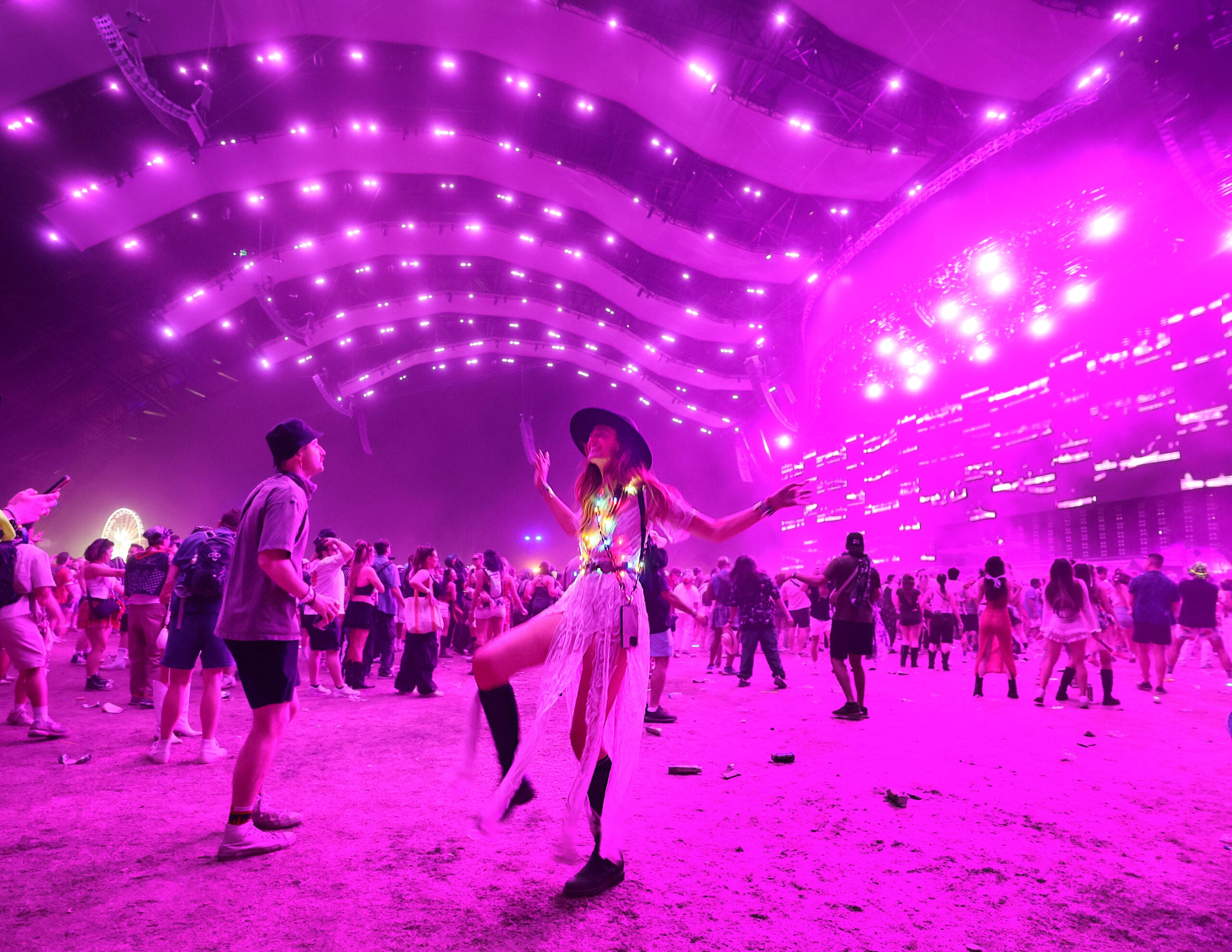
Music festivals are simultaneously considered one of the riskier and fickle endeavors in the live music industry but also a barometer for the overall business. Case in point is Coachella, the longtime bellwether for the whole industry, due to its wide appeal as a large-scale destination event as well as its calendar position as the first major festival of the year.
With that in mind, logic would hold that 2026 is already looking rosy, as Coachella not only announced its lineup surprisingly early (Sept. 15) but also that it had nearly immediately sold out both weekends, solidifying its place as the place to be – for both fan and artist. With can’t-miss headliners in red-hot Sabrina Carpenter, global spectacle with international superstar Karol G and a Justin Bieber comeback you won’t see anywhere else, Coachella flexed its might and showed confidence in the large-scale multi-genre festival. Not long after, Bonnaroo hopped on the early-announcement bandwagon with its own early December drop, topped by Skrillex, The Strokes, Rüfüs Du Sol and Noah Kahan and touting widespread infrastructure improvements on The Farm to hopefully keep any mud puddles at bay.
The successes (and failures) of 2025 suggests the strong will survive and, as always, music festivals need not only a unique identity but the ability to evolve with the times. One example is Shaky Knees Music Festival in Atlanta, which in 2025 for the first time moved to city park Piedmont Park, effectively replacing the long-running Music Midtown that had taken place there previously. Produced by C3 Presents and running since 2013, Shaky Knees has gone from niche indie rock fest to a 50,000-capacity event booking top talent like Deftones, My Chemical Romance and Blink-182.
This year’s event was close to sold out, according to C3 Presents promoter Tim Sweetwood, who developed the event and in recent years launched festival properties including Oceans Calling in Maryland, Minnesota Yacht Club and Innings Festival in Arizona. While not as large as C3 flagships like Lollapalooza or Austin City Limits, these events still go into the 50,000-capacity range while offering highly curated experiences in underserved markets.
“I’m always looking for the next best site and the next best idea, hopefully something that somebody hasn’t thought about before,” said Sweetwood. “We’re trying to always introduce something new on a year-to-year basis, it’s just whether we can find the right spot or not. On average, I’m trying to do at least one more new one a year, if we get lucky.”
Festivals, much like artists themselves, build an audience over time, leading to loyal attendees and more confidence from festival promoters looking ahead.
“I think the moment that you stop wanting to evolve is the moment you start to fail and go backwards,” says Del Williams, head of global talent for Danny Wimmer Presents, which in 2025 had record attendance at its four major rock festivals, four-day events with up to 150 artists and attracting up to 70,000 fans per day. “We’re always looking for ways to enhance the fan experience. A lot of times that means trying to expand the footprint, book more bands, book more stages and so on.”
A big change for DWP this year was an expansion of its Louisville festival site, which doubled its square footage and included free access to rides at the neighboring amusement park, Kentucky Kingdom. The promoter signed a long-term extension with Louisville, allowing DWP to plan ahead with more certainty.
“Signing a longer-term deal just gives us a lot more opportunity to invest back,” says DWP general manager Chamie McCurry. “We are now part of the landscape of Louisville, and knowing we have a permanent home for 10 years allows us to really focus on that.”
FREE
 Daily Pulse
Subscribe
Daily Pulse
Subscribe
 Daily Pulse
Subscribe
Daily Pulse
Subscribe