
Year In Politics: Legislation And Lawsuits – Feds Get Litigious While States Tackle Ticketing
Live music and entertainment more broadly is often seen as a respite from the roil of politics, but as the cliche says “If you don’t do politics, politics will do you.”
The truism, of course, it’s that it’s impossible to insulate any factor of human life from policy making, and ‘twas ever thus, but in an era of increasingly totalized politicism and polarization, wouldn’t it be nice to just have something that was unsullied by powerbrokers? Maybe. But in the real world, there’s real-world implications. As it seemingly has been for all time, ticketing is the problem everyone wants to talk about and insists they want to change, and in 2025 there actually was a bit of movement on that.
In the waning days of the Biden Administration, the Federal Trade Commission finalized a rule mandating all-in pricing, which went into effect in April.
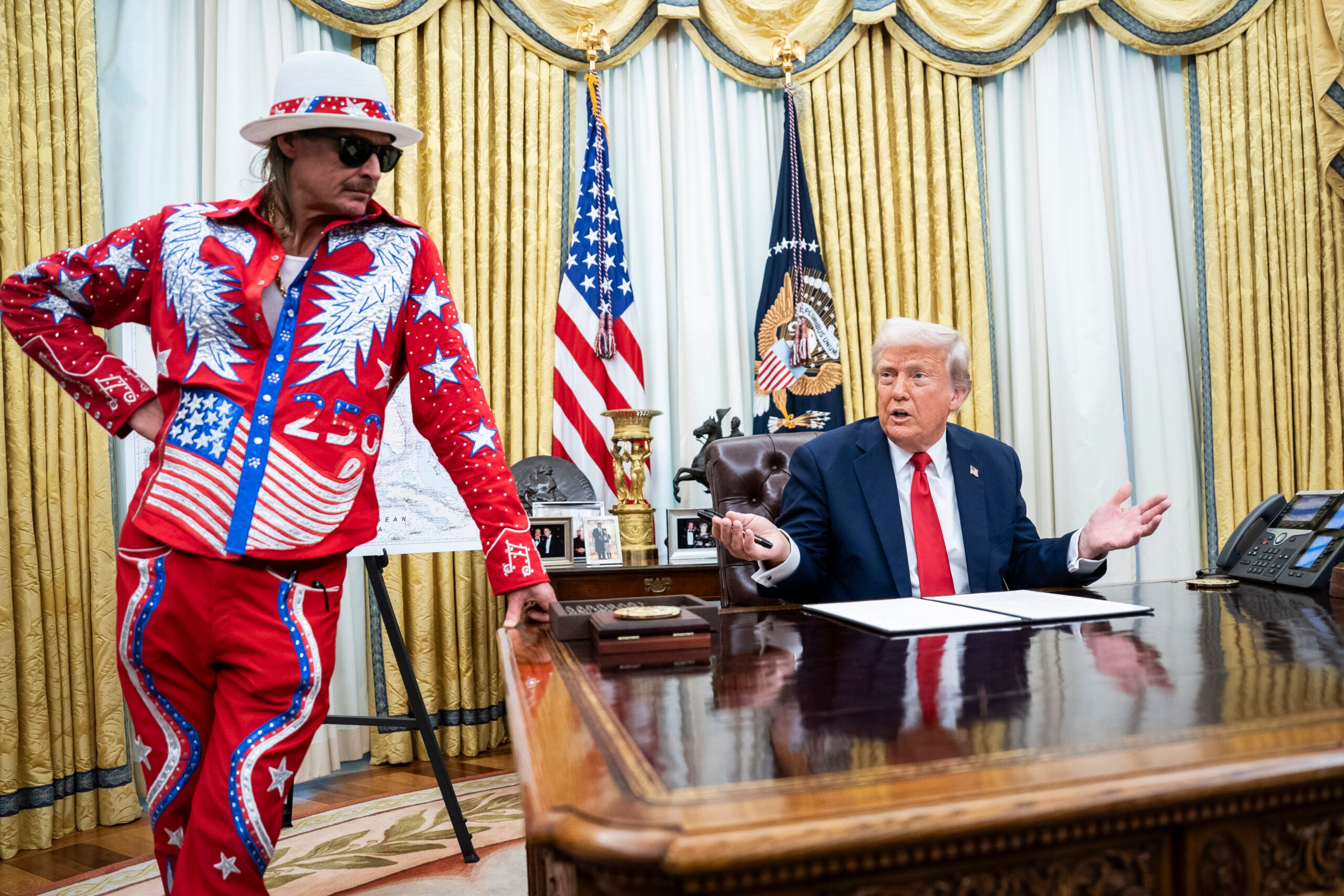
Its effective date was one day after President Donald Trump signed an executive order doing exactly what was already going to happen the next day anyway, but the FTC didn’t have the benefit of issuing its rule with a star-spangled Kid Rock riding shotgun as Trump did. In addition, the EO directed the attorney-general and treasury secretary to ensure the IRS was collecting income taxes on proceeds from secondary ticket sellers and to “ensure that competition laws are appropriately enforced in the concert and entertainment industry.”
The text of the order specifically mentions “combinations” of venues and ticketing companies acting to the detriment of consumers, which may have come as something of a surprise, considering most assumed a Trump DOJ would embrace a less aggressive antitrust enforcement posture than its predecessor. Indeed, many corporate giants took great pains to woo the president, and Live Nation appointed Trump associate Richard Grenell to its board of directors in February and in June announced a $1 billion investment in venues in “the heartland.”
The release’s title — “Boosting America’s Economic and Cultural Revival” — seemed similar to the president’s typical statements about the American economy and his desire to usher in “a Golden Age in arts and culture,” as he declared when he ousted the Kennedy Center’s board earlier in his second term.
Live Nation posited that its ability to invest was due, at least in part, to an “economic boom” that it says began in 2017, when Trump took office for his first term. In any case, none of these overtures kept the feds off Live Nation’s back. In October, the FTC charged Live Nation and Ticketmaster, alleging the live giant and ticketing leader used “illegal resale” tactics and violated the infrequently enforced BOTS Act.
The suit claims that Ticketmaster and Live Nation “tacitly worked” with secondary sellers, allowing them to buy tickets in the thousands and then list them for resale at marked-up prices, often on Ticketmaster’s own platform, thus giving Ticketmaster multiple bites at the revenue apple during the ticket sale and resale process.
Live Nation refutes the charge and near year’s end filed a scathing motion seeking dismissal of the antitrust suit, which is set to go trial in March and could result in the break-up of LN and Ticketmaster.
Meanwhile, Trump’s immigration policy led to the revocation of visas for numerous Latin artists and fears of ICE enforcement were blamed for cancellations and slow sales at Latin festivals and concerts.
In, perhaps, cheerier news, Maine passed state-level ticketing reform, capping resale at 10% above face. Reform advocates have turned to statehouses to get their legislative packages through, as Congress has had little success in doing much on the national level. It’s a trend likely to continue in 2026.
FREE
 Daily Pulse
Subscribe
Daily Pulse
Subscribe
 Daily Pulse
Subscribe
Daily Pulse
Subscribe