
You Know It Ain’t Easy: The Mixed Bag Of Independent Live Businesses
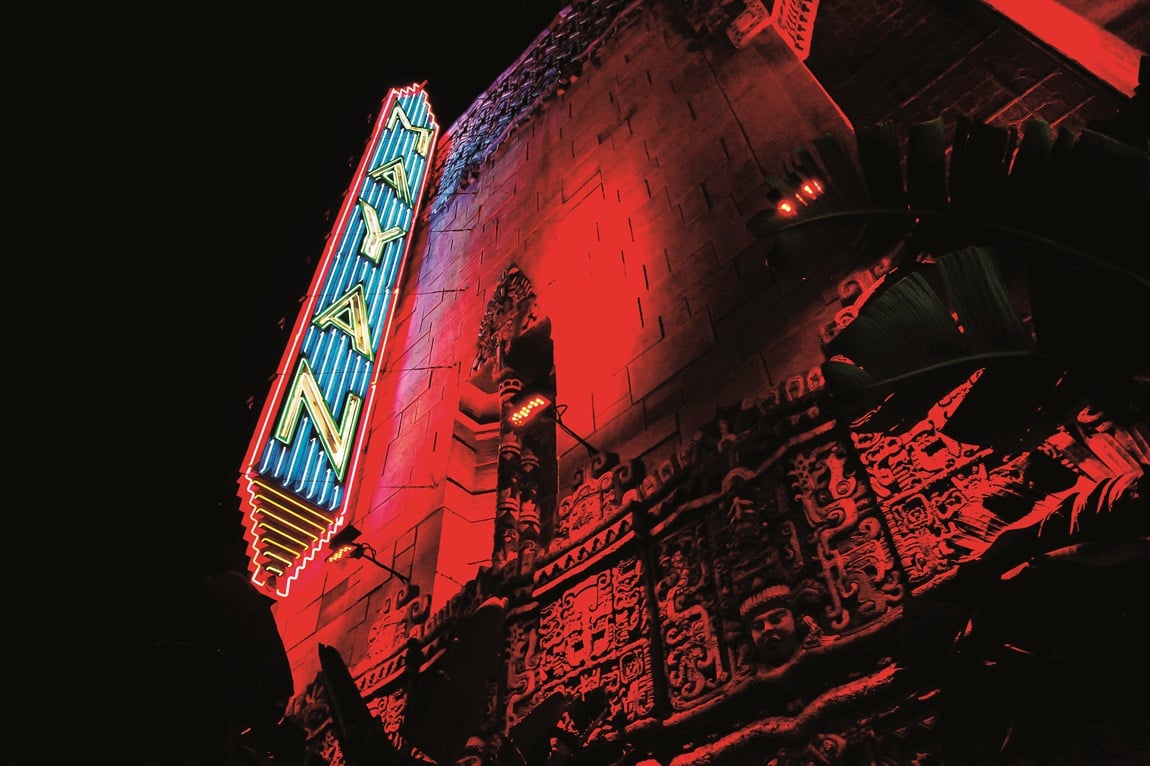
(which also did the El Capitan and Wiltern theaters), closed this past September after 98 years. It’s a designated L.A. Historic Cultural Monument.
Photo by Imeh Akpanudosen / Getty Images
This past fall, Garbage frontwoman Shirley Manson took to social media to announce, “This is kind of the last time we’ve decided we’re going to get on a bus and just tour all over North America,” largely because “the economics have become untenable,” citing in particular the inequity of streaming.
Garbage’s recent 29-date Happy Endings tour ran from April and ended last Nov. 14 before heading to Australia for festivals. According to one Pollstar Boxoffice Report, the group’s show in Portland, Oregon, at McMenamins Crystal Ballroom, grossed $120,315 on 1,448 tickets priced between $65-$315.
While it surprised some that a band of Garbage’s critical and commercial stature says it can’t make money, many in the independent community can relate, citing narrowing margins for keeping a band afloat on the road, amid rising expenses in fuel, lodging and food, as well as continued consolidation.
Stephen Parker, Executive Director of NIVA (National Independent Venue Association), noted, “Inflation is affecting everyone. Costs are going up across the board, and I don’t think it’s unique just to independent venues or promoters, either.”
NIVA’s first State of Live report this year noted that 64% of all independent stages were unprofitable in 2024, even though the total economic output of the sector is estimated at $153.1 billion. Expenses, according to the report, have steadily climbed, with artist and booking fees (60%), employees (58%), insurance (55%), alcohol (48%), rent (45%), maintenance (43%), PRO fees (39%) and government taxes and fees (38%) all expected to rise this year.
Most alarming is notable music venues are still shuttering including The Mayan in downtown Los Angeles, a historic 1,500-cap. theater that has promoted shows for Panic! At the Disco, Jack White and wrestling event Lucha VaVoom. According to NIVA, 80% of the venues said ticket sales are the lowest since the recession of 2008, with Parker insisting the FTC regulation around all-in pricing is confusing consumers.
“What we hope this study does is help us get bills and favorable legislation passed by showing the economic impact live music has on the local community,” Parker said. “We want more agents to book shows in our rooms. We would love for this data to ultimately put us in a better position when it comes to working on sponsors and partnerships with other industries.”
Another area of emphasis for NIVA is getting a cap on ticket resale prices, with bipartisan measures passed in Maine and on the ballot in Wisconsin, along with further reform for performing rights organization licenses and fees.
“We just want to make sure the money we pay the PROs are making it to the acts and songwriters playing our stages,” added Parker.
Nathaniel Marro, the executive director of the National Independent Talent Organization representing independent booking agents and managers, is bullish on what he calls “the continued resilience and growth of the sector since the pandemic.”
Marro is also concerned with ticketing reform, “where the artist can regain control over resale terms,” pushing for final passage of the American Music Fairness Act (AMFA) and “the creation of a performance royalty for terrestrial radio broadcasts.”
NITO and NIVA now work together to share information to develop better strategies for marketing live music, added Marro, who also points to mental health concerns within the music industry as a major issue for his organization.
“We’re collaborating with initiatives like Backline to prioritize well-being to ensure we build a more sustainable business for the future,” he said.
FREE
 Daily Pulse
Subscribe
Daily Pulse
Subscribe
 Daily Pulse
Subscribe
Daily Pulse
Subscribe