
Pollstar’s 2025 Year End Executive Survey
What a year. A lot happened in the live space in 2025 that will greatly impact the year ahead. Some saw the intense post-pandemic consumer demand start to cool; others had a record-setting year. We saw more residencies/multi-night plays, greater expansion into international markets, premium spaces, immersive experiences, the conversion of college sports venues to concert venues and way more. At the same time, some tours, venues and festivals saw flagging ticket sales and were adversely impacted by severe weather, a glut of events and economic headwinds with sustained inflation, higher prices and shaky consumer confidence.
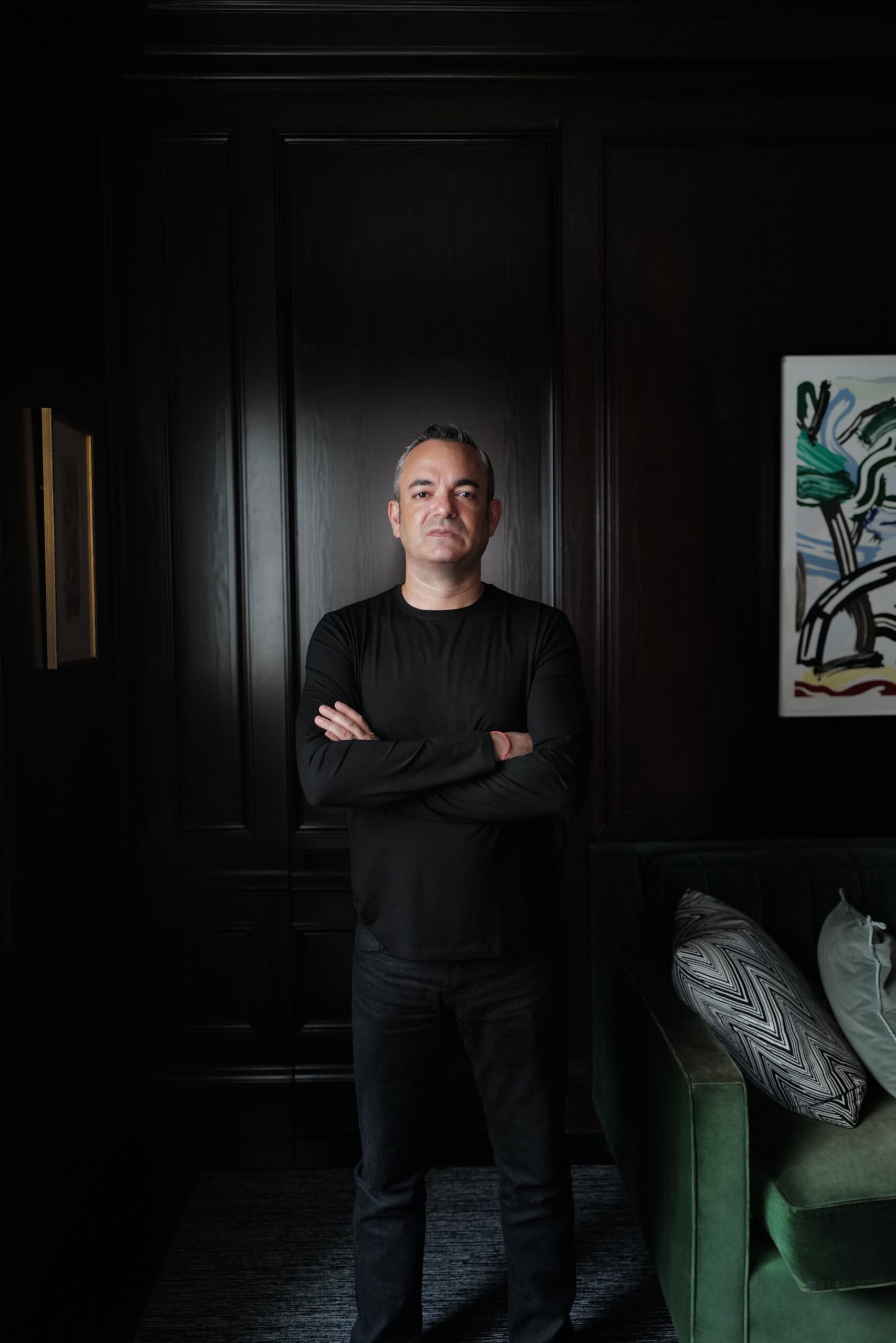
Pollstar reached out to several of the industry’s top executives to get their take on 2025. Here, you’ll read what highlights agencies, promoters, venues and managers experienced, as well as the challenges faced. From WME’s Kirk Sommer observing that younger artists are moving more tickets than ever, to Psyko Steve Presents’ Stephen Chilton sharing how he juggled more than 750 shows, the live industry takes a look back at 2025.
Nelson Albareda
CEO
Loud And Live
Jarred Arfa
Head of Global Music
Independent Artist Group
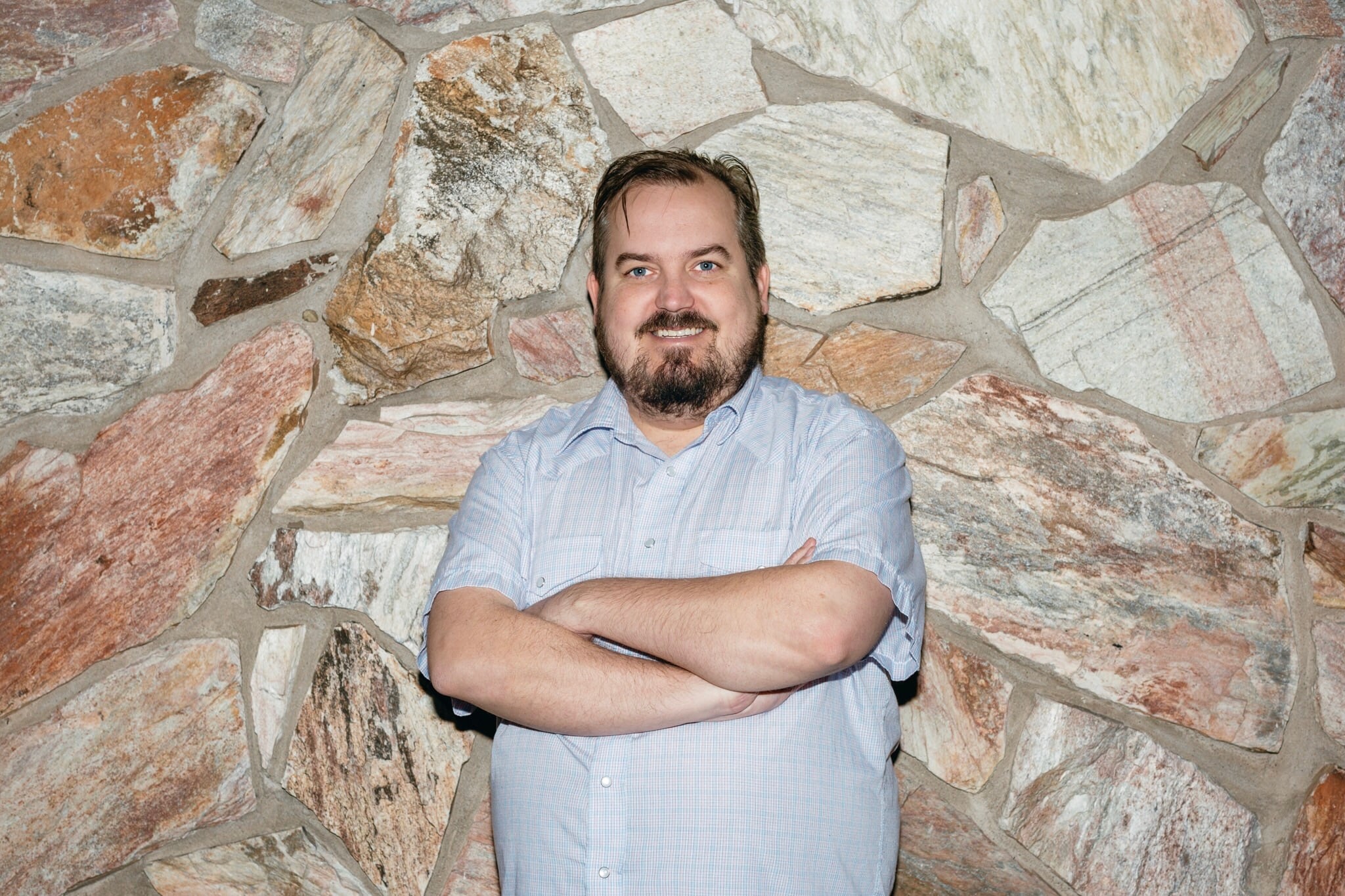
Steve Chilton
Owner/Talent Buyer
Psyko Steve Presents
Mike G
Agent
United Talent Agency
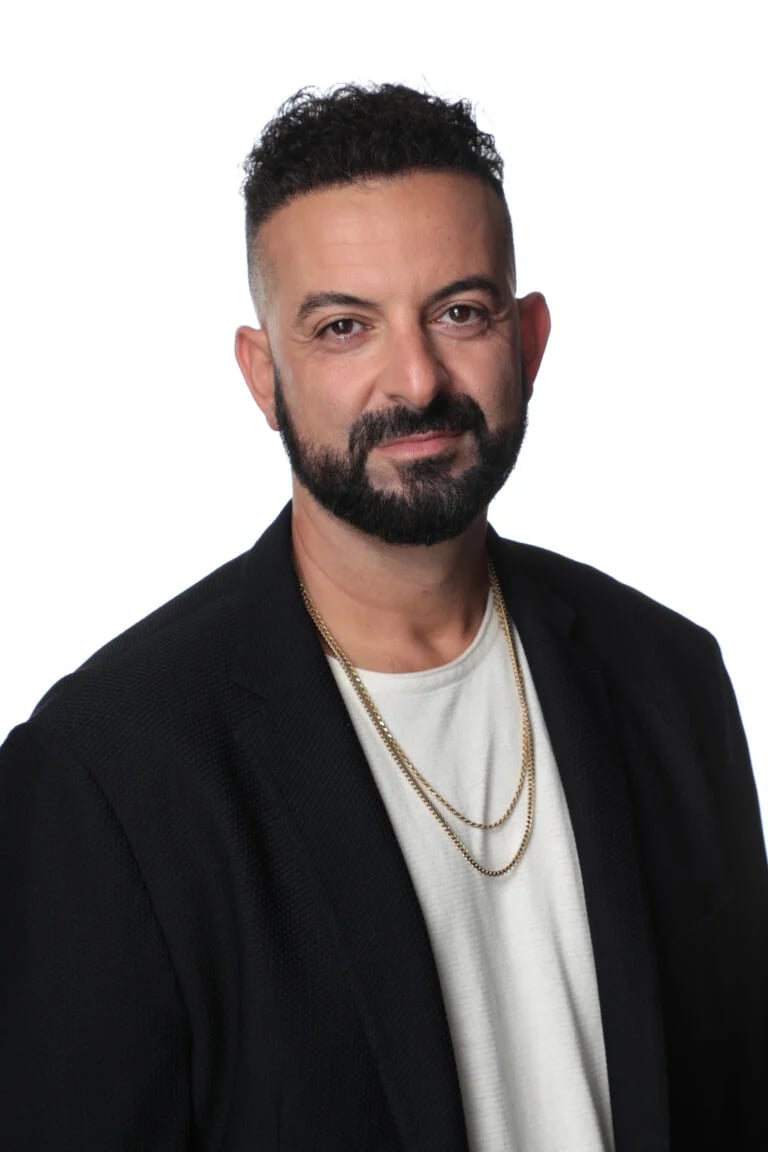
Colin Lewis
Global Tour Promoter
Live Nation
Corrie Martin
EVP & Managing Executive
Wasserman Music
Kirk M. Sommer
Global Co-Head of Music
WME
Josephine Vaccarello
Executive Vice President, Live
Madison Square Garden Entertainment Corp. & Sphere Entertainment Co.
Hunter Williams
Agent
CAA
Kevin “Chief” Zaruk
Manager & CEO
CORE Enterntainment
What did you consider your greatest business success in 2025 and what made them so?
Nelson Albareda: This year has been transformative for Loud And Live. We’ve expanded our entertainment focus into venue operations & management, while driving strong growth and momentum on our agency business across brand partnerships with leading brands, including General Mills, Boston Beer, New Balance, Cerveceria La Tropical and Walmart among others. On the live entertainment front, our pipeline is robust for the remainder of 2025 and 2026, with tours across the U.S., Canada, and LATAM featuring artists such as Eros Ramazzotti, Laura Pausini, Silvestre Dangond, Gilberto Santa Rosa, Natalia Jiménez, Alleh & Yorghaki, Tito Nieves, Rauw Alejandro, Camilo, George Harris, Alejandro Sanz, Roberto Carlo, Raphael, Omar Courtz, Pandora y Flans, among others. We’re also proud to continue expanding our portfolio of lifestyle events, including the continued growth of our large-scale experiences like House of Horror Haunted Carnival and Christmas Wonderland, respectively the largest independent Halloween and Holiday themed events in the country.
Jarred Arfa: We have always been very bullish on the rock genre, and it has been great to see it have such a massive resurgence with many of our rock clients developing into global headliners. In addition, our continued signing, converting and representing clients worldwide has been a major source of growth in our music department
Stephen Chilton: I always measure our success by the success of the artist we work with, and by them choosing to continue working with us. This year we helped The Maine produce their fourth “8123 Fest,” it expanded to two days, moved to Mesa Amphitheater, and was their biggest yet. This year we saw a number of artist we have worked with for a long time, if not the beginning, having their largest headlining shows in Arizona to date, including: Alex G, Mayday Parade, Hot Mulligan, Men I Trust, Geese, the Wrecks, Beach Bunny, Panchiko, Freshwater, and so many more.
Mike G: 2025 was an incredible year. Rauw Alejandro’s global tour was a huge success. Lil Wayne’s Carter VI Tour was massive, including his first ever headline show at MSG. Another highlight was Young Thug’s return to the stage, booking festivals in Europe, Coachella and more. Announcing Cardi B’s first US headline tour, and the massive response from her fans, was a long time coming and well worth the wait.
Colin Lewis: 2025 has been a monumental year for me. A major highlight was seeing Shakira achieve the biggest tour of her career — the Las Mujeres Ya No Lloran World Tour became the highest-grossing Latin tour ever by a woman and the second-highest Latin tour of all time. Watching her take her rightful place as touring royalty has been incredible. In addition to that, many artists I work with hit career highs: Post Malone and Jelly Roll took a stadium run around the world – Post’s first stadium tour built around a country album. Chris Brown’s Breezy Bowl XX shattered venue records worldwide, reaffirming his status as the undisputed King of R&B, while NBA YoungBoy launched and sold out his first-ever headline tour, setting new benchmarks for ticket sales and grosses across multiple venues.
Corrie Martin: Launching Imagine Dragons’ Loom Tour in stadiums in mainland China was a highlight for our team this year. The band broke the sales record for a Western artist in mainland China, selling 240,000 tickets in just over a minute. Reaching such incredible new heights in a fairly untapped market, after so many years of touring the globe, is beyond exciting to play a role in.
Kirk M. Sommer: Younger artists shifting more tickets on higher tickets in more markets than ever before. Benson, Billie, Finneas, Hozier, Lola Young, Nine Inch Nails, Teddy’s Swims, The Killers all had great years. Newer relationships include Andrea Bocelli, Carin Leon and Ejae. I can’t wait for Sam Smith’s sold-out residency at the Castro Theatre and the Lewis Capaldi arena tour to kick off. 25 years in the business at the same company and started in the mailroom.
Josephine Vaccarello: Across the MSG Family of Companies, which includes MSG Entertainment and Sphere, 2025 saw a wide range of bookings spanning genres and categories – from SNL 50: The Homecoming Concert and the Tony Awards at Radio City Music Hall to multi-night runs with the biggest names in music and comedy at The Beacon and MSG. We’re especially excited about the introduction of Sphere Immersive Sound at Radio City Music Hall – a milestone that represents the next evolution in the nearly 100-year legacy of Radio City by completely changing the audio experience for all artists and guests. And on the Sphere side, we continued to see artists utilize the venue’s technology in new and different ways with each residency this year – from Anyma, to Dead & Company, Kenny Chesney, Backstreet Boys, UNITY and Eagles – selling out multiple shows and in many cases, announcing they’re coming back for more!
Hunter Williams: Relaunching GRiZ’s return to touring with his own curated festival felt like a huge win. It had been years in the making, and it sold out almost instantly—just under 23,000 tickets a day. Jelly Roll’s sold-out Australian tour was another major high point. With four added headline festival slots, we made a big splash in the market in a short amount of time.
Kevin “Chief” Zaruk: I think just continuing to build our roster of talents and help them achieve new goals and dreams. From Josh Ross getting his first #1 radio song at country radio on the US. To BZ, Nate Smith and Nickelback all continuing to sell out tours and shows, and signing new acts like Dan and Shay and Cameron Whitcomb. We are continuing to break new artists and build out The Core Records, and also our first ever soundtrack for the hit tv show Nobody Wants This. Excited about 2026!
What were the biggest challenges you faced this year and how did you adapt?
Albareda: Like many in the live entertainment industry, we faced unique challenges in the U.S. Hispanic market due to heightened immigration enforcement and the visible presence of ICE, which influenced audience turnout and on-site behavior. These realities continue to shape how we plan, communicate, and execute tours, ensuring we remain responsive and sensitive to external factors impacting our communities. In parallel, we closely monitored consumer demand and broader economic shifts affecting discretionary spending. By staying agile, adjusting marketing strategies, ticketing models, and on-site engagement we were able to navigate these pressures while continuing to deliver strong live experiences across our markets.
Arfa: Making sure we are getting our artists enough money to overcome the rising costs of touring without passing the increased expense on to the consumer. You adapt with smarter worldwide touring strategies including more efficient routings, the use of soft money dates to supplement touring income and maximizing the various ticketing initiatives to help maximize the revenue on the best seats in the house.
Chilton: It has to be keeping expenses down. It can be hard when we are sending offers further and further out. The labor budgets from an offer sent in Summer ‘24 probably aren’t enough to cover the cost in fall ‘25. Budget too high and you’re not competitive, budget too low and you’re fighting at settlement. And that isn’t even talking about all the other operating costs that we all have that don’t make it into a settlement sheet.
Mike G: Making sure I was managing my time correctly and making sure I was being productive for my clients, not just busy, for my personal goals.
Martin: Navigating constantly evolving international political turmoil, unprecedented environmental changes, and sometimes near overnight financial crisis across the globe was a big theme in 2025. Launching a tour or festival over a year out or, or even just months in advance, leaves so much room for these important factors to alter even the best laid plans. We had to be nimble and more flexible than ever, whether that was venue changes, price adjustments or finding creative ways to cut costs. Anything to “pull the show off.” Touring teams have had more real time adjustments than usual, but we all work to do what we do in this business, and that is to put on safe, successful, and fantastic concerts!
Sommer: A lot of airports and early mornings. I wake up itching to get to work. It’s busy out there: you have to plan in advance.
Vaccarello: Our biggest challenge continues to be scheduling. Consumer demand for live entertainment continues to increase and there’s overwhelming interest from artists to play our venues from New York to Chicago to Las Vegas.
Zaruk: The ever changing landscape of social media and digital platforms. Also challenging to adapt of what is working and what is not. Also understanding what virality means. What actually is meaningful when it comes to ticket sales and streams, as opposed to just likes and shares. So always learning and adapting and growing. Also each and every artists is different, so there is no blueprint or one way to use socials right now. But the thing we do know is it is apart of our business and it is not going anywhere. It is a tool to reach audiences globally at the push of a button and that was never an option before. I think people forget before social media how much harder it was, and more expensive it was to try and build an actual audience.
How did you handle pricing this year with some shaky consumer demand, rising costs and continued inflation?
Albareda: We approached pricing with a highly strategic and consumer-focused mindset. Recognizing the pressures of inflation and fluctuating discretionary spending, we prioritized value-driven pricing models that balanced accessibility with the need to manage rising operational costs.
Arfa: Similar to the answer above we try to maximize the dollars on the best seats so that we can leave affordable pricing options throughout most of the venue.
Chilton: You really have to know when you can or can’t push ticket prices. Some acts are so hot it feels like there is no cap on what you can charge, and others you have to be way more sensitive. I think a lot of shows this year suffered because last year we all pushed the price too far. Since covid it has felt like any time an agent is really pushing on guarantee you could just add a few bucks to the ticket and get them what they are asking, but this year it was a lot more “I don’t think we can push the ticket to get where you want and have the show a success for the artist.” I think the smarter artist teams are really conscious of where they can push tickets and the rest just push to maximize their front end not worrying what it means for the show.
Mike G: By being sensitive to it and staying very price conscious. We explain to our artists and managers that pricing plays a significant role. We study the market, looking at ticket prices with acts similar to ours, and try to scale appropriately. We do have the confidence that there is always a demand for live entertainment, so that counters any shaky consumer confidence. People are always going to spend money to go out.
Lewis: Live music remains the top experience consumers prioritize, and we haven’t seen any slowdown in demand. Our focus remains on guiding artist’s teams to offer a full range of price points, from budget-friendly options to premium seats, so every fan can find a ticket that fits their budget.
Sommer: I’ve charged higher prices than ever before for good inventory on in demand artists but have always been mindful of a something for everyone model. The “get in” prices on some tours aren’t getting gobbled up which says something about the current market. Airlines and hotel occupancy are down domestically, possibly retrenchment of discretionary spending. Las Vegas occupancy and room rates have dropped. It doesn’t mean people aren’t spending at the tables and at the Sphere. The secondary ticketing market does continues to grow because it’s a huge profit business and concerts are the biggest chunk of that. As a moderately in demand touring artist you can’t be greedy, you have to be smart about where you play and when. You can’t overplay and it’s a good time to package up if you’re in the middle. There is rarely a time to skip steps, I think we are going to see too many new artists do too much too soon just because they have a couple gusts of wind in the sail.
Williams: Pricing and general market sensitivity felt like some of our biggest challenges across the board this year especially with continued rising expense of production and touring in general. We spent a lot of time dissecting the marketplace, scaling, and approaches to announces and on sales to give ourselves the best possible outcome.
Zaruk: I think you just have to watch the market and be aware of your fan bases and what they can and cannot afford. I think overall ticket prices have gotten dangerously high. So it is something we are watching and trying to be very aware of. As of now I think we have to keep prices as low as we can. Our goal is to put seats in these venues and build our fan bases. The balance is the cost of actual to the artists has gone up significantly, from busses, to trucks to hotels, to flights, to fuel, to lighting, sound, pyro you name it. So the artists still wants to give the audience the best and biggest show they can afford while giving the fans what they want and expect. So sometimes a higher ticket price is a cause of the actual overhead going up ever year with all the expenses. I know sometimes fans think it is all the artists just trying to make more money, but that is not always the case.
Did you participate in any multi-night plays? If so, how were those experiences?
Albareda: Yes, we executed several multi-night plays this year across both touring and attractions, and they proved to be strong strategic drivers for our business. Multi-night engagements allowed us to deepen market presence, build momentum across consecutive shows, and deliver more efficient operations while maximizing artist visibility. On the concert side, multi-night plays helped us capitalize on concentrated demand in key markets. They also provided valuable insight into audience behavior allowing us to refine pricing, adjust marketing efforts between nights, and create unique fan experiences that strengthened overall performance. Additionally, our long-run holiday attractions, such as Christmas Wonderland at Tropical and House of Horror Haunted Carnival, function as extended multi-week engagements. These large-scale productions continue to demonstrate that sustained, multi-night programming can fuel strong attendance, enhance sponsor activations, and create repeat visitation throughout the season. Overall, multi-night plays reinforced the value of anchoring in markets where fan demand is strong. They also enabled us to optimize resources and deliver consistently elevated experiences for fans, artists, and partners alike.
Arfa: We continue to have success with various residencies in Vegas from Rod Stewart to Mötley Crüe and Def Leppard. Metallica continued their 3rd year of doing two stadium shows in every city they played which was incredibly successful. In ’26 we are very excited about the return of Rush who is doing multiple nights in every city they are playing highlighted by four nights of sellouts in NY, Chicago, Toronto, LA and Chicago
Chilton: When they work it is great for everyone. We did a few at Rebel Lounge that were amazing. I think for the artist doing multiple nights in a smaller room can send a much stronger message than doing 90% in a larger room even if it is the same number of fans. We also did a few 1+1s where we never got to the second date, that’s a hard conversation with the artist, and hard for a venue that is probably getting a date back when it is too close to re-book it.
Mike G: Yes, for Rauw we did 3 nights in LA, 3 nights in Barclays, 3 nights in Kaseya. How did it play out? Hah, it played out great.
Lewis: Yes, across many of our tours. Shakira played 12 sold-out nights at Estadio GNP Seguros in Mexico City, breaking the record for the most shows by a single tour at the venue – plus she played back-to-back nights in Miami, Bogota, Los Angeles, Quito, and many other cities around North and South America. Usher delivered massive multi-night runs across the UK and Europe, selling out 10 shows at London’s O2 Arena, 5 at Amsterdam’s Ziggo Dome, and multiple nights in both Berlin and Paris. Chris Brown also delivered 4 nights in Manchester and 2 in London, setting the record for the highest-grossing male R&B tour at Tottenham Hotspur Stadium. Multi-night runs allow the artist and crew to settle in, and it’s logistically smoother for the venue staff and tour production team.
Sommer: Last year the Killers did 6 nights at 02 London and this year BE did 6 nights at 02 London. Sam Smith is in the middle of their 24 night residency at Warsaw in Brooklyn and Hozier broke the record at Forest Hills Stadium, he was the first artist to play four nights in 101 years and the first Irish artist to play and sellout two nights at Fenway Park. Benson could have played a week at the Delta Center.
Vaccarello: Absolutely. Booking multi-night runs has been a big part of our strategy for a number of years and this year, we welcomed Lady Gaga, Sabrina Carpenter, Hugh Jackman, Jerry Seinfeld, Nikki Glaser and more in New York and Chicago. It’s always amazing to have artists make our venues their home for an extended period. In Las Vegas, we’ve seen some artists do the equivalent of a full tour’s worth of shows just at Sphere, with acts like Dead & Company having played 48 shows, Backstreet Boys with 35 announced shows and Eagles who are up to 56 announced shows and currently have the longest standing residency at the venue.
Williams: A good number of my clients focus on multi-night destination type performances / experiences, so the year was littered with those from GRiZ, Pretty Lights, Tipper. Tipper closed out his touring year with 3 nights at the Gorge, 2 nights at Red Rocks, and 3 nights at Orion Amphitheatre which felt strong given the climate. Pretty Lights and GRiZ also had multiple sold out weekends across the year.
Zaruk: We don’t do a lot of them, it just depends on demand and city and venue. But when it happens it is always a great experience for the artists, band and crew. So we do enjoy it. It allows the crew to actually get a night off from loading out and the artists to be able to stay in one city for more than just a night.
The globalization of the live business these days is seemingly more important than ever. Did that impact your business? If so, how?
Albareda: Absolutely. The continued globalization of the live entertainment industry has had a significant and positive impact on our business. As Latin music and culture become increasingly influential worldwide, we’ve seen demand for our artists, productions, and experiential concepts expand far beyond traditional U.S. and Latin American markets. Ultimately, globalization has strengthened Loud And Live’s position as a cultural bridge connecting artists, brands, and audiences across borders and elevating the reach of Latin culture on a global stage.
Arfa: As our global roster has continued to expand we are able to take advantage of the touring growth in territories such as India and the UAE amongst others where the infrastructure is now sophisticated enough to bring high level touring artists.
Chilton: We are doing shows in Arizona and New Mexico, so the business itself isn’t that global. But we are seeing more international artists touring than ever before. That’s great for everyone. One political rant; we as a country really need to fix the Visa process for international artists, we would all benefit if it was easier for international artists to tour here. These acts are not taking American jobs, they create them everywhere they go by filling our rooms.
Mike G: It impacted us in a positive way. Young Thug playing 5 EU shows. Rauw playing massive LATAM tour. It turned into our favor.
Sommer: It’s the single largest opportunity at the moment. We are having a lot of conversations.
Williams: We’re always focusing on a global approach to touring and building a proper strategy around that goal although it’s obviously never one size fits all and differs from act to act. Jelly Roll made his first trip to Europe and Australia which felt like a big win for his business overall and set the tone for a more robust global plan around the next record cycle.
Zaruk: I think anytime you can grow your fanbase globally that is always the goal. Globalization thru Dsps and Digital it allows you to ultimately go to countries that you would normally never be able to get to. You can now show up with an existing fan base knowing that you can play shows and hopefully break even on your first time going somewhere cause you are worth actual hard tickets in that market.

We are increasingly a data-driven business, with AI becoming ubiquitous. How have you seen data evolve this year and how has it impacted your decision making?
Albareda: Data and AI-driven insights in particular have become central to how we operate across every corner of our business. This year, we saw a major shift toward more real-time, hyper-localized, and behavior-based data, which has allowed us to make faster and more informed decisions around touring, marketing, ticketing, and large-scale attractions.
Arfa: Of course data is important but so is experience and instinct and I think too many times that is being discounted in an era that is over reliant on data.
Chilton: I haven’t really seen AI helping at all yet on the data side. Ask any consumer facing LMLs anything and you get more hallucinations or meaningless truisms than anything useful. But we are definitely looking for more and more sources of information before making decisions. I think as a true independent the biggest disadvantage you have is not having the data that the larger companies have. But more importantly than the data itself is knowing how to read it. We work with mostly new artists and there often isn’t a lot of data. We book a lot of bands on literally their first tour where there are no past shows to look at, or if they have toured year-old numbers can be completely meaningless to where the act is today. We have offers in for shows in 2027 for bands that have never toured before and have no idea what 2026 will mean for them, I assume we likely re-address those offers before they ever confirm.
Mike G: We looked at AI as an asset and a tool for data, listenership, countries/cities where audiences are listening to our artists. We definitely use it as a resource.
Lewis: AI has become part of our workflow and we’re using it to help us work more efficiently across touring.
Sommer: I’ve seen a lot of interesting things and look forward to leveraging technology.
Zaruk: I think where AI has really helped and continues to be an asset is the real time feedback it gives us. AI now gives us instant feedback on not only a song and if people are listening to it, but also tells us if people are saving it, if they are liking it, if they are skipping it. It tells us what part or parts of the song people are liking more than other parts. Then we can dive deeper and see who is listening to that song or catalogue. Who is the demographic , what is our age group, and is that audience a ticket buying artists or a streaming artists only. We can then take all of that information and use it on socials and digital when it comes to marketing our specific audiences for new music, or tour announcements and any other news that we may want to share or get out to them. So it just takes a lot of the guess work out of marketing and allows us to be more direct and purposeful in our overall marketing plans and strategy.
If you had to sum up your 2025 in 25 words, what would you say?
Albareda: 2025 delivered remarkable growth, unforgettable live experiences, powerful cultural moments, strengthened partnerships, community impact, and groundbreaking innovation that positioned Loud And Live for an even stronger global future.
Arfa: It was a tremendously successful year for our music dept as we are representing more Stadium, Arena and amphitheater artists than ever before.
Chilton: Home Runs or Blah. We have a ton of great shows and a lot of struggling, and not as much in between.
Mike G: It was arguably my biggest year in the business when you look at tours and the deals that we were able to secure. ’25 set the standard. It puts good pressure on 2026. I think that we outperformed, but we keep it moving.
Lewis: A massive stadium year – both personally and company-wide. A truly global year with artists breaking records and reaching new audiences across continents, countries, and cities.
Sommer: The opportunity we have had and the opportunity ahead is enormous. The clock is ticking and the time is now.
Vaccarello: I am grateful I get to do what I do, in these amazing venues with the best team there is!
Williams: 2025 felt like a healthy and exciting year overall for touring with the depth and impact of the touring business still seemingly healthy and thriving
Zaruk: Perseverance, hard work, adaptability, growth, and evolution. You cannot never get to comfortable or think you know it all.
Looking ahead to 2026, what are your predictions for the live industry in the year ahead?
Albareda: The demand for experiential, culturally resonant events will continue to surge as audiences seek deeper emotional connections and shared community moments. We expect growth across the following areas: Audiences are craving more than concerts—they want immersive, multi-sensory environments that blend music, art, technology, and storytelling. Festivals and attractions that merge entertainment with culture, community, and innovation will define the next wave of live experiences. Latin music and culture will remain one of the most powerful global forces in the industry. As Latin artists expand their international footprint, opportunities for large-scale touring, branded festivals, and crossover collaborations will accelerate and we expect Latin touring and cultural events to remain a core growth driver into 2026 and beyond. Brands are also prioritizing authentic, community-centric partnerships over traditional advertising. We anticipate increased investment in sponsorships that deliver direct audience engagement with interactive activations, purpose-driven initiatives, and year-round integrations.
Arfa: I think we will see continued growth of arena and stadium headliners across the industry. You don’t need to be ubiquitous anymore to reach these levels of success. There are so many genres of music and niches within those genres that have strong fan bases that if you can really tap into and succeed in one of them, the sky is the limit in terms of touring potential.
Chilton: I am so excited about new artists and new music right now. In the 25 years I have been booking clubs I don’t think there has been a better time to be a new artist than it is right now. So many great up and coming artists I predict will have a huge year next year, from 54 Ultra to Penelope Road to Little Stranger to Madilyn Mei to Julia Wolf to Frost Children to Scowl or NXCRE and to many other great new acts to list them all.
Mike G: I think that it’s going to be another record-breaking year. There are going to be multiple tours that are going to be successful. Appetite for live music is in a great place, and we’re going to see new signings, new acts breaking through.
Lewis: No signs of slowing down. We already have a solid slate of tours of all sizes on sale and expanding globally – from Asia and Latin America to Europe, the UK, Australia, and New Zealand. The appetite for live music remains stronger than ever.
Sommer: It could be the busiest year on record in the arenas and we will probably see more D2C activity. There will probably be some ticketing reform.
Vaccarello: Demand for live events is at an all-time high – it’s an exciting time to be in live entertainment and I think 2026 will bring even stronger demand with more multi-night runs across our portfolio of venues.
Williams: I’d expect 2026 to be another year of growth and further disruption for the touring industry with new and exciting artists breaking and others continuing to push the boundaries from a performance perspective via innovative production and other avenues.
Zaruk: I think you will see a shift, it started this year and will see more of it next year. I think you will see a lot of festivals go away that have been around for a while. There are only so many acts out there and only so many of them are headliners that can draw this massive crowds for those festivals to be profitable. I think it got oversaturated and then the buyers and promoters had to over pay and put ticket prices up too hight to make it work. That model no long works and a lot of them will go away. I think you will see more quality festivals with good lineups and hopefully somewhere in all this the prices stay the same or even come down. ON the other side I think the amphitheater and shed business will continue to thrive and have another successful year. Fans and most artists really seem to love the amph and shed experiences. We just have to continue to try and keep ticket prices reasonable and also deliver high quality entertaining shows. The country genre specifically is thriving in the amphs and I dont see that changing anytime soon.
What was your favorite show this year by an artist you did not work with?
Albareda: Bad Bunny. His show this year was a masterclass in creative vision and cultural impact. The production, storytelling, and connection he created with fans were extraordinary. As someone who lives and breathes live entertainment, it was inspiring to watch an artist, Latin artist, push boundaries at that scale and continue elevating what Latin music represents on the global stage.
Arfa: Pearl Jam at the Hard Rock Live.
Chilton: Jimmy Eat World headlined Best Friends Forever in Las Vegas. That whole festival is a throwback to older emo and indie rock. Jimmy Eat World’s set was almost exclusively deep cuts and b-sides from their ‘90s albums, Static Prevails and Clarity. As a hometown fan of theirs who was watching them play those songs in small clubs when they were still starting out it was really special.
Mike G: Olivia Rodrigo.
Lewis: I had the opportunity to join my colleague Hans Schafer in London earlier this year to see Feid perform at a 2,500-capacity club. He absolutely stunned the sold-out room. Watching a young, energetic, and diverse audience connect so strongly with an artist from Colombia, in a city where the genre is still emerging, was genuinely inspiring. Hans and his team are pushing Latin music into new markets across the globe, and it’s amazing to see the momentum building.
Martin: Under the Big Sky, Whitefish, MT.
Sommer: Doechii! I also saw some BV’s that have powerhouse voices.
Zaruk: I never ever got to see Pearl Jam growing up and was always a fan. I got to see them in Bridgestone Arena this year in Nashville. I was actually blown away. From the simplicity of their production to how great they sounded, to their fan engagement and interaction, it caught me off guard by how damn good they still are after doing it all these years.
In this 24/7 global business, how do you achieve work-life balance? How do you advice others to achieve this goal?

Albareda: Work–life balance in our industry is never a perfect equation, it’s something I work at every day. The demands of global business, constant travel, and real-time decision-making mean the lines can easily blur. I’ve learned that balance isn’t about equal time; it’s about being fully present wherever you are, at work or with family.
I also surround myself with an exceptional leadership team. Delegation and empowerment are essential not only for my own balance, but for building a culture where people grow and lead with confidence. When you have strong people around you, you don’t need to be everywhere at once.
Arfa: It is very difficult in a personal service business to really achieve proper work life balance. I think you do the best you can but you have to know when entering this business that to truly succeed you will have to make some life sacrifices and generally be available 24/7.
Chilton: We have a really great team at Psyko Steve Presents. I try to be at as many of our shows as I can, but with 750+ shows this year I can’t be at half of them. I trust everyone who works for me to handle any show at the highest standard whether I am there or not. You have to be able to turn off for a weekend here and there and trust that your team has it. I couldn’t function if I had anyone on my team who I couldn’t trust to represent me around the artist we work with. I always love when an artist tells me how much they appreciate how someone on our team took care of them. One of the great things about being an independent is I get to work on what I want to and don’t have to explain to anyone why we didn’t work with something I don’t like. Our calendar is really a reflection of our tastes and aesthetics. That’s not to say I am a huge fan of every single act we book, but I have to at least really respect them and believe in them. This industry is too stressful on a good day to waste any time stressing over a band who sucks or people who are dicks to work with. We get to work with too many great people and amazing artists to waste our time on anyone else. You have to be able to stay a fan. It’s too easy to get jaded. When you have those moments, back stage at a festival, or meeting a star, or watching an act you work with, have a huge moment, or whatever it is, to take a step back and realize how cool what we all do is and how lucky we are. If a 16 year old me knew that 25+ years later watching Jimmy Eat World would somehow still be part of my job I would not have believed it.
Mike G: I’m an early riser, so I get up at 4:45am. I have a morning routing where I pray, mediate, read and exercise. 5-7:30am, those are my hours. Then I spend time with my daughter, then I go off to work. I try my best to stay present in the evening, but our job is to serve our clients. I definitely find that balance in the morning.
Lewis: It’s a constant game of ping-pong. I’m fortunate to have a partner who understands the demands of my industry and is equally busy running her own successful business, but we keep each other grounded and make a point to carve out time each day for ourselves and our sanity.
Martin: I’ve come to the realization that there is no such thing as “work-life” balance in this business, especially for those of us who represent our artists around the globe. If you are passionate about what we do and genuinely care about the success and well-being of your clients, not to mention all their fans around the world that they are bringing joy to, then you carry this job everywhere you go and all times. For me, the key is prioritizing my health, my passions, and my family & friends so that I am mentally and physically my best self when challenges arise. It’s just like they tell us on every flight we take, you put your own oxygen mask on first.
Sommer: Don’t waste time, don’t look around, and just keep moving forward. Don’t get caught up in drama.
Vaccarello: We’re a team and we work together to deliver unforgettable experiences across our venues more than 300 days of the year because it’s what we love to do.
Zaruk: I think the most important thing is boundaries. We talk about it a lot in our company with our artists and staff. You just have to communicate it early in a working relationship. It is healthy on both sides to try and limit access 24/7 to everyone all the time. Take evenings off when you can, take weekends off when you can, have vacation times during the year. Having those breaks is good for everyone, artists, staff, band, crew, you name it. You have to have time to reset and recharge. So we just make sure those issues are talked about and set up early in anyones career.
FREE
 Daily Pulse
Subscribe
Daily Pulse
Subscribe
 Daily Pulse
Subscribe
Daily Pulse
Subscribe