
Telling Stories, Talking Shop & Treading The Boards: ESNS Turns 40
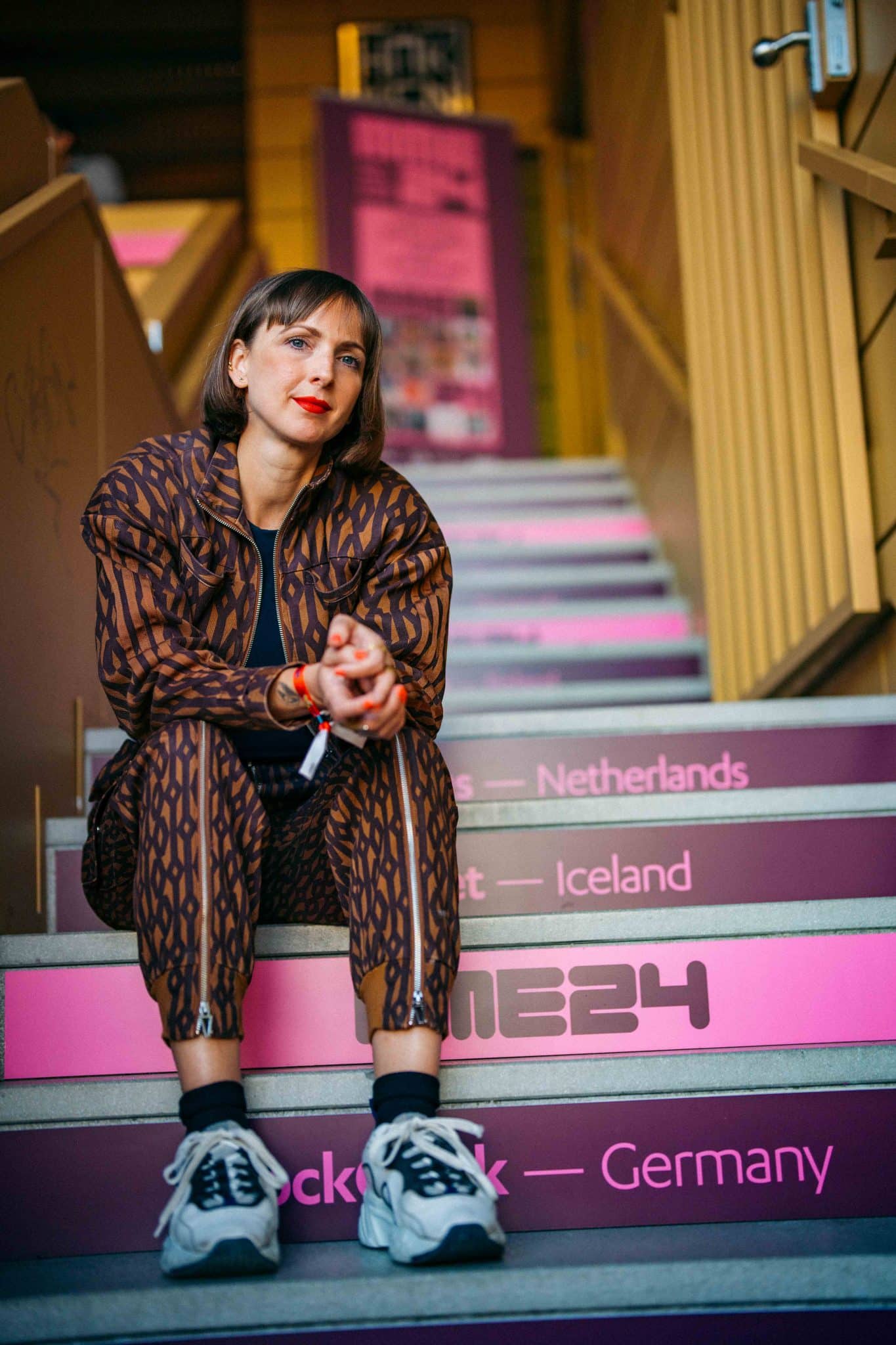
Eurosonic Noorderslag (ESNS) Turns 40 years old. What began as a battle of Dutch and Belgian bands (Noorderslag means “battle of the north”) is today one of Europe’s most important events to showcase the hottest talent from all over the continent – and to discuss the most pressing concerns of the music industry.
The list of artists whose career got kickstarted or boosted by a ESNS performance; a booking through the ESNS Exchange program; or a win at the Music Moves Europe Awards (MMEA) (formerly EBBAs) includes Franz Ferdinand, Dua Lipa, Stromae, Christine and the Queens, Fontaines D.C., Sigrid, Altin Gün, Stormzy, The xx, and many, many more.
Forty years in, ESNS is still all about making sure “artists can actually get a career out of it,” as managing director Anna van Nunen puts it, explaining that “the timing needs to be right. We don’t book artists that already have three records out. They should be at the start of their career, but not totally green. We always ask our applicants what they are looking for and why they want to play now. If someone already has management, it can be a plus. Equally, if someone has a good reason for why they don’t, it can also be a plus. Finally, there’s the story of the artist. It needs to be relevant, but that can mean many different things. Europe is a melting pot of cultures, so we make sure to represent that on stage.”
The stages are spread across more than 30 venues in the city, including a few new ones that have never been utilized before, like Groningen’s old comic museum. The concerts on opening and closing night all take place at De Oosterpoort, the official hub of ESNS, where most of the conference program is located, as well. The decision to move all opening-night concerts under one roof was made last year, and, according to van Nunen, “it was very effective. Everyone was networking instantly, while seeing all of these artists under the same roof. Many people said it felt like the New Year’s reception for the music industry in Europe.”
The ESNS conference will take stock of the music industry’s health at the start of 2026. The post-pandemic gold rush is ongoing, especially in the Netherlands, where people are still visiting live events in droves. The increased interest from private equity firms is testament to the economic power of the live biz, but it has also created problems, which will be addressed on panels and keynotes.
“We’re at a crossroads,” says van Nunen, “revenues and visitors numbers have gone up, but we’re seeing trends towards the biggest act taking it all, while the underground is having difficulties.”
Since its inception, ESNS has been about “increasing the circulation of European repertoire in Europe,” as ESNS founder Peter Smidt always puts it. That mission statement still rings true in 2025. Says van Nunen, “We’ve come far, there’s a lot of artist mobility within Europe, but we’re not yet one market. We’re still many small, separate markets, and this is becoming a problem, as other markets across the globe are ramping up, look at Korea, for instance, or South America.”
Brexit has exacerbated the problem, making it difficult to tour between the mainland and the British Isles. To showcase pan-European unity, the organizers of ESNS therefore decided to forgo the usual country focus, and instead focus on Europe as one. The European Music Exporters Exchange (EMEE), a non-profit umbrella comprising 35 national and regional music export offices from 29 countries, will be present at ESNS 2026, and host a few networking events on site.
Spending dedicated time to talk with each other may have never been more important, as there’s just so much to be discussed, like the good and ugly sides of AI; the emergence of artists-owned streaming platforms; keynotes by high-ranking politicians; and much else. One of the hottest topics right now: artists voicing politically charged opinions, taking a stand for what they believe in and the flak that comes with it. In some European countries, artists have been banned from entering because of a lyric they wrote. How do you deal with this as an event organizer?
Many of the 4,000-plus artists who applied to perform at ESNS 2026 feel the need to speak up. With only around 350 receiving a slot, the choice has been as hard as ever. Thankfully, van Nunen’s team can concentrate on the artistic value, and doesn’t have to worry too much about what they might say on stage. “We are quite free in what we can book, because it’s all emerging artists, who don’t have a large fan base yet, and therefore don’t face much backlash,” she explains.
It is “a luxury that so many people want to play at Eurosonic. Everything gets considered. Everyone who applies gets listened to by at least two sets of ears. We have five bookers working on that. So, it gets busy.”
FREE
 Daily Pulse
Subscribe
Daily Pulse
Subscribe
 Daily Pulse
Subscribe
Daily Pulse
Subscribe