
‘There’s A Lot Of Business Regionally If Artists Are Up For It’: Q’s With Age Versluis, Head Of Touring, Friendly Fire
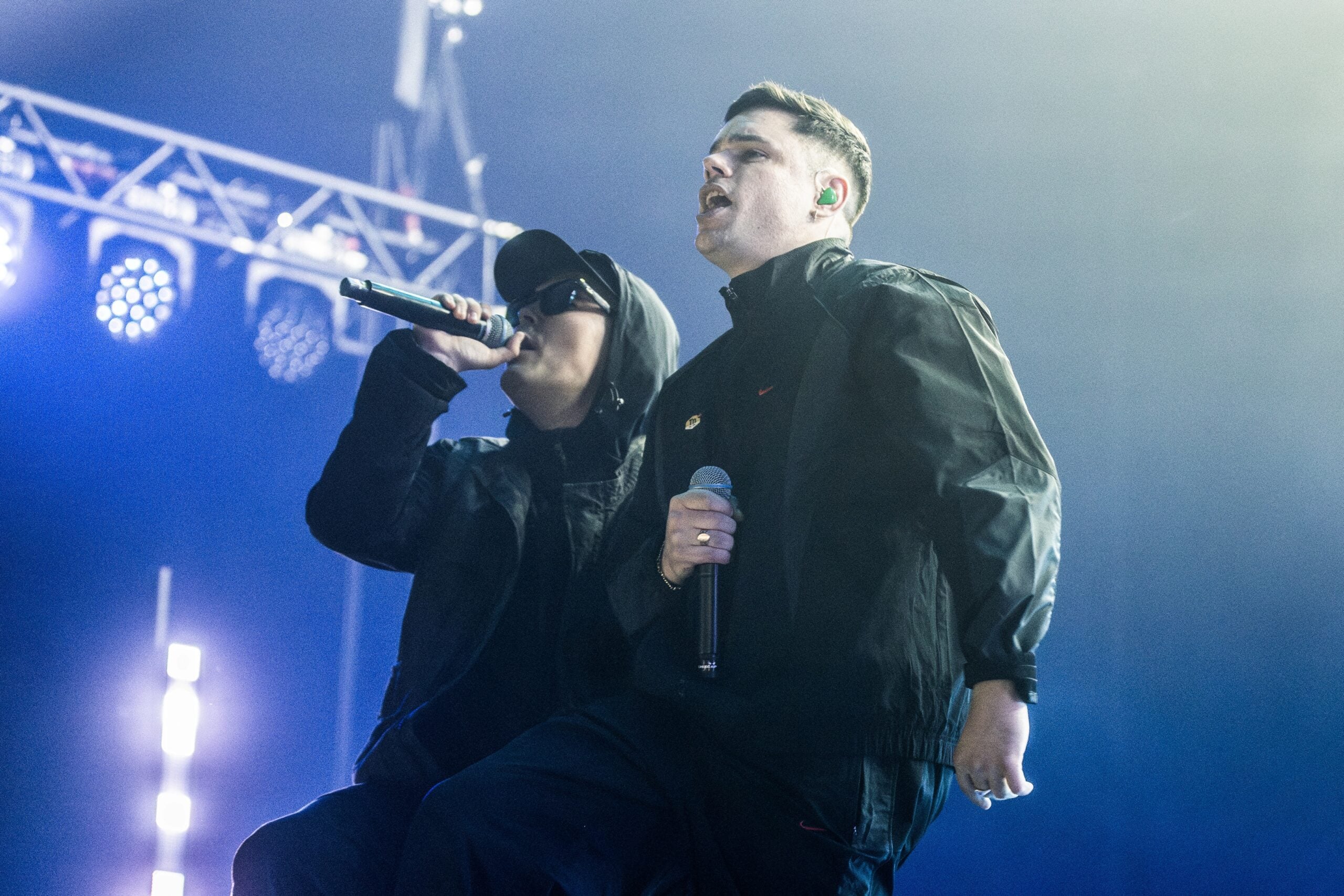
Friendly Fire is one of the Netherland’s busiest promoters. A FKP Scorpio subsidiary, the company is looking back at a year full of international and domestic success stories, and 2026 is looking to bring more of the same.
Pollstar reached out to Age Versluis, head of touring at Friendly Fire, to find out what performs well, and what doesn’t; the economic reality for smaller events and artists; as well as the Netherland’s unique club structure, where the government funds the creative arts through funding clubs up to a certain size.
Keeping It Lowlands: Annual Dutch Focus 2025
Pollstar: How’s business?
Age Versluis: Business is still pretty solid, especially the hard ticket stuff, which is doing really well. The bigger, arena-level venues are doing great business with us and other promoters. Festivals, especially indie festivals, have had more trouble in the current market, but our own festival Best Kept Secret, our biggest one, is gearing up for one of the biggest years ever.
In general, it feels like the smaller festivals have more of a hard time. I see them booking more domestic artists, which have always over-performed in terms of ticket sales, but not necessarily when it comes to selling festival tickets.
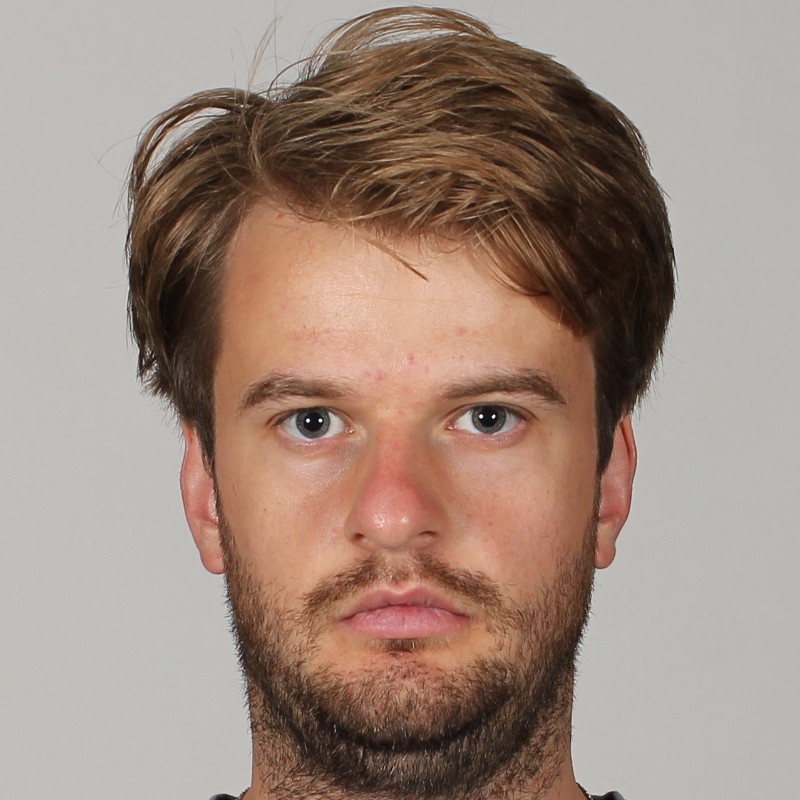
The Dutch venue system is unique in Europe. Can you break it down in some detail?
Everything below 3,000 capacity is owned by the government and promoted by [the local municipality]. That gives us a different perspective than other promoters in Germany or France, for instance, as we can’t rent most of the venues ourselves. We have to do it through the locals, which means they sell the tickets, and they get the data from it. How to give that data back to the artists so they can properly promote their next show? That’s an ongoing conversation at the moment.
The conversations around ticket pricing is very relevant to this. Our venues are quite cheap, because there’s so much government funding in them. It allows them to keep their ticket prices pretty low, and be accessible to everyone. But now, just like any privately run venue, some of these venues are having a hard time, some are on the verge of closing. People spend less on club nights. At the same time, wages are up, and they’re having a hard time breaking even.
Our focus has always been on bringing up talent. We’re really good at discovering and developing talent, and that pipeline is struggling at the bottom. At the top end, the bigger companies, the bigger artists, are doing really well and charging massive ticket prices, no questions asked. That’s fair, but it should also help the smaller venues at some point.
Just to get that absolutely right: the Dutch government owns and subsidizes all small to medium venues in the country?
The way the Dutch government funds the creative arts industry here is through venues, professional venues. We’re not talking small pubs, but everything from a small 210-cap hall like Paradiso’s up to a 3,000-cap 013 in Tilburg for example is all government funded in a way. The thinking behind it is that by reducing the risk for these venues they can keep booking an interesting and diverse program with something for everyone in the city. Artists playing their first shows in the Netherlands, usually feel well taken care of. There’s a big audience that wants to see those early shows, and even if you don’t sell that many tickets, you’re not left with a half a crate of beer and no stage manager, because there’s government funding covering any losses up until a certain point. It’s just very professional.
Is it a system that works well, or are there downsides to it?
It’s a lovely system we can build on. It’s become a real blessing for smaller, newer artists, who are having a tough time getting a career off the ground in some other markets.
But there are some downsides to it. It potentially creates pressure on the diary, because everybody wants to come and play and get treated well. So, it’s pretty common for a small hall like Paradiso to do two unrelated programs in one night.
What is more, you could potentially get turned down, because the program you’re working on, the artists you’re working with is not approved by a government-funded programmer, or not in line with what they want the venue to represent. So, if you truly believe in something, and someone else doesn’t, it can be quite hard to push something forward.
Other promoters are insisting that clubs are doing just fine, participating in the current run on shows. I’m finding it really hard to properly gage the situation.
People expect more from a show these days. They expect it to be a night out. When I started some ten years ago, people would just go out and discover things, embracing the beauty of not knowing where you’re going to hang up your coat, or where to park your car, etc. It used to be exciting at some point, maybe because it was much easier to spend money on something and then get disappointed by parts of it. Now, I see people only focusing on things they know are going to be a good time, that will have a massive production and great sound. I fear that the will of visitors to take a little bit of risk on a show is gone. Not everywhere, obviously, but all the discovery labels in live music, the club nights have disappeared. And I think that’s because the cost of living for everyone’s become crazy.
How do you continue to develop talent in 2026?
That’s where an advantage of our venue system comes to play. Thanks to the government funding, you can’t really lose any money on the first shows. I still don’t see any new business starting that’s not FKP Scorpio, AEG or Live Nation. And to be honest, I think you need to have a lot of stamina if you want to make it.
I wouldn’t be very comfortable starting out on my own today. On the other hand, there’s agents, artists, managers, and festivals that still celebrate independence of things. But the business has become increasingly more commercial and information driven, and just moves faster than it used to. So, to compete with the bigger shows, which we need in our pipeline to have a healthy business, is going to be very hard for a new independent. It’s just very hard to make that leap up to where the bigger shows start earning back your initial investment. I’m not saying it’s impossible, but it’s very hard to compete in the world that we are in.
Domestic talent seems to be doing great all over Europe. In the Netherlands, too?
We have a string of Dutch artists this week, performing six nights at Ziggo Dome in a row: three nights of Kensington, one night with Krezip, and one night with a podcast event. We’ve just done three shows with Roxy Dekker at AFAS Live, and she just announced four Ziggo Domes for September 2026, which all sold out in a day. It feels like in the latter part of this year we’ve done a lot of domestic artists that have been doing really well.
How about the international acts?
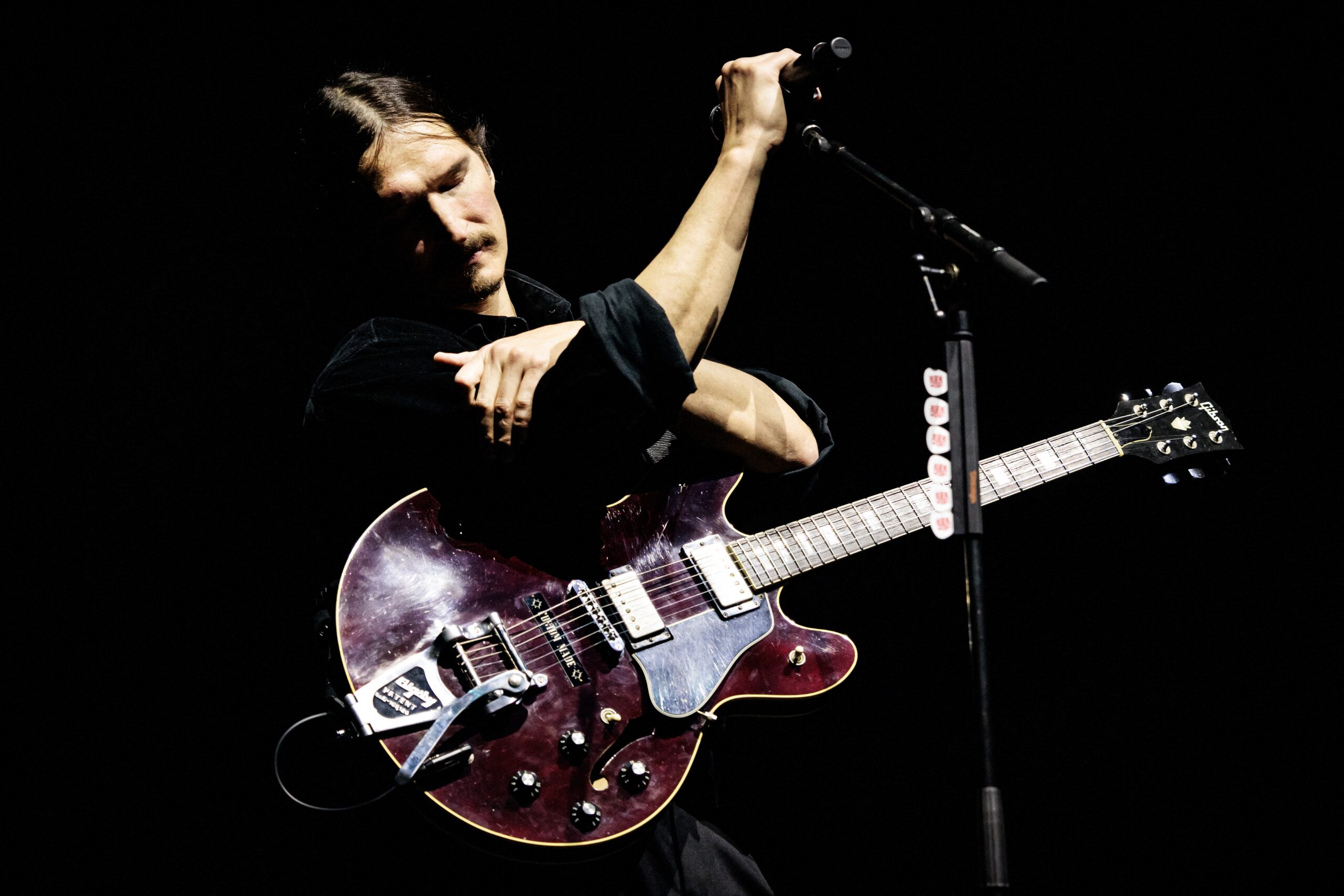
We’re doing Kesha and Evanescense next year. We’ve got shows with Dermot Kennedy and Father John Misty coming up.
We’ve done a Kneecap show, which is nice to mention. They’ve done 6,000 tickets at AFAS Live, plus two Paradisos at 1,500 guests each. That’s 9,000 tickets, which is pretty crazy, if you think about it.
We’ve got two shows with Audrey Hobert going up, a new American pop artist, who’s really special. We did two nights with Ethel Kane, two nights with Alex G, two nights with James Bay. We’ve got Mon Rovia, who’s pretty new, also selling 1,500 tickets. There’s a new artist called Naïka, who’s sold out 1,400 tickets straight away. We’re doing a show with Danny Brown, a show with Benny The Butcher. There’s a lot of good things happening.
How do you find new acts?
I would say 60% comes from conversations with people in my network. Apart from that, good old SoundCloud links are top of the list. We always kept a close eye on our American partners and friends who come up with new stuff. And I still have a lot of people around me, including my partner, who listen to a lot of new music. It still happens that we just email people asking if they’re gonna tour Europe.
Any trends in the Dutch market that stick out to you?
What’s cool to mention about our venue system is that we have a lot of strong regional venues, many professional, 1,000-1,200-cap venues. And we’re seeing artists that may not be easy to book on festivals move towards these places and form regional tours. We did seven shows with Syml, the American artist, last year, and totaled almost 8,000 tickets, all regionally spread, which kind of crazy if you think about how small our country is, and how small Amsterdam is as well.
There’s a lot of business to be done regionally if artists are up to spending some more time here. That’s a trend, I would say, a trend I want to happen more.
We’re also seeing a lot more women on stage, which has always been a focus, both in our team and on our festivals and events, but we’re now really seeing that come to fruition. And, in terms of genres, I think we’re quite similar to Germany in that the good old middle-of-the-road rock band still does a lot of ticketing business.
Are VIP and other premium offers as much in demand as elsewhere in Europe?
On the club level, they’re trying their best not ti accommodate a lot of VIP stuff. But it’s getting more and more. And it’s quite interesting to see how good ticket sales are in Amsterdam, despite promoters not having the club-level ticketing data to promote those show – it could be two or three times more, and we’d still sell out easily. We just don’t know. I have shows that sell better than London. We’re doing a lot of healthy business. And upsells, VIP tickets, golden circles, all that stuff sells very well.
Please name one event/concert/festival/show that you witnessed this year that stands out to you for whatever reason.
I’ll mention something that I don’t work on, but I loved the Turnstile show five weeks ago at AFAS life. It was a crazy show, that really gave me back a lot of confidence in loud guitar music. It’s just a really great band, one of the top five shows of the year, and something I’ll remember for a long time.
What’s next for Friendly Fire?
We’re gearing up for ESNS, which has always been a very important event for all of us. I do feel like the business is going to slow down this coming week, and we can all use some rest after a busy year.
FREE
 Daily Pulse
Subscribe
Daily Pulse
Subscribe
 Daily Pulse
Subscribe
Daily Pulse
Subscribe