
‘Tickets Are Selling Faster Than Ever’: The Netherlands Remain A Top Touring Destination In Europe
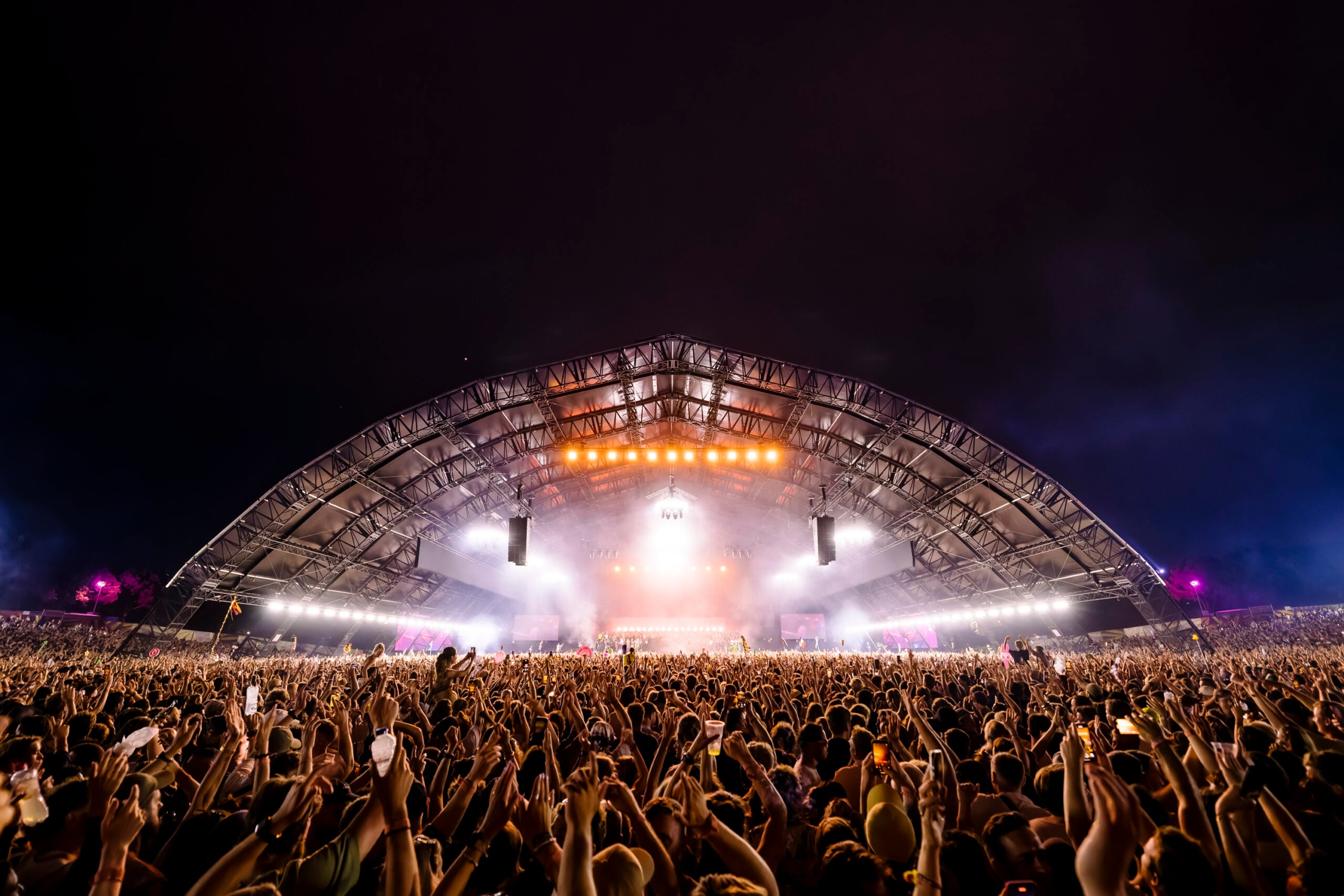
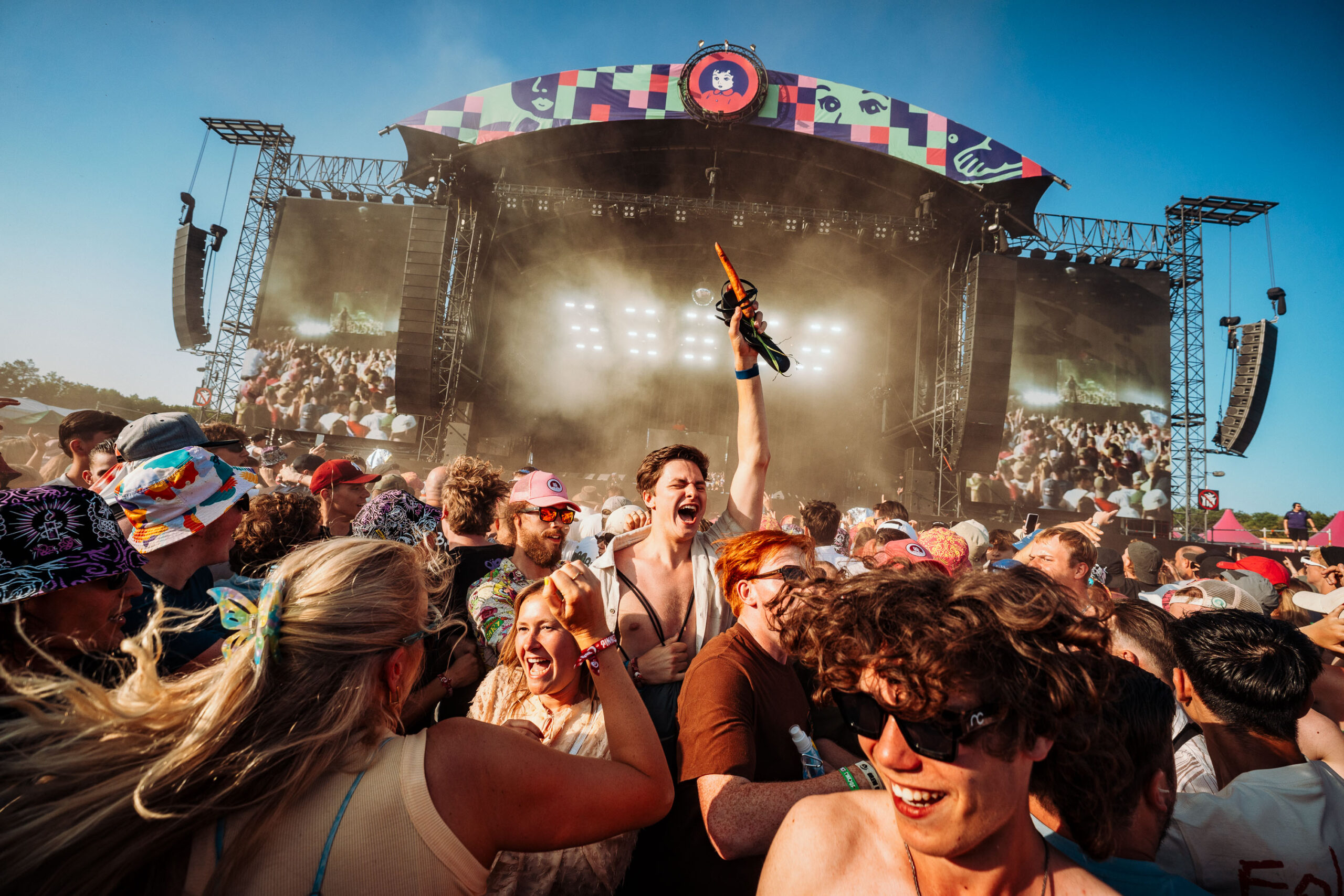
The Netherlands may be the country in Europe with the largest number of festivals in relation to its size. It’s certainly home to one of Europe’s oldest, Pinkpop, which celebrated its 54th edition this year, June 20-22, with a lineup led by Justin Timberlake, Muse, Olivia Rodrigo, and more.
It was the first edition with Mojo Concerts’ Tirsa Creusen at the helm – alongside Ide Koffeman, who also directs Down The Rabbit Hole – and Creusen says, “I loved every second of it. We must not forget that real stories don’t happen behind a screen: they’re born in the moment. Sharing an experience with friends, strangers or even your heroes is what truly matters. Because nothing beats that feeling of ‘I was there’.”
Pinkpop is one of several popular Mojo Concert/Live Nation festivals in the Netherlands, others are Lowlands, Down The Rabbit Hole, and North Sea Jazz, which turns 50 next year. All of them “sold out faster than ever,” according to Kim Bloem, head promoter and managing director at Mojo Concerts. Add to that “very strong demand for headline shows,” as well as a healthy domestic business “with many more Dutch artists progressing to arenas than in previous years,” and there’s not much to complain about.
But no matter how easy Mojo Concerts makes it look, it’s not. Festivals in particular need to “deliver an exclusive experience, both artistically and at a service level, to create a FOMO feeling among fans, and a high demand for premium camping options,” Bloem explains.
Creusen confirms, “Visitors expect more than just a great show, they want a comfortable experience, no queues, and to be taken care of. We’ve seen camping go from four raw days without a shower to luxurious camping with queues at our bathhouses. It’s insufficient to rely on your line-up as the only persuasive factor in ticketing. You need to surprise your visitors with new areas, intimate parties and several once-in-a-lifetime experiences within one festival weekend. The real challenge lies in balancing a lineup and production that resemble world-class, while keeping tickets prices fair. It’s a fine line.”
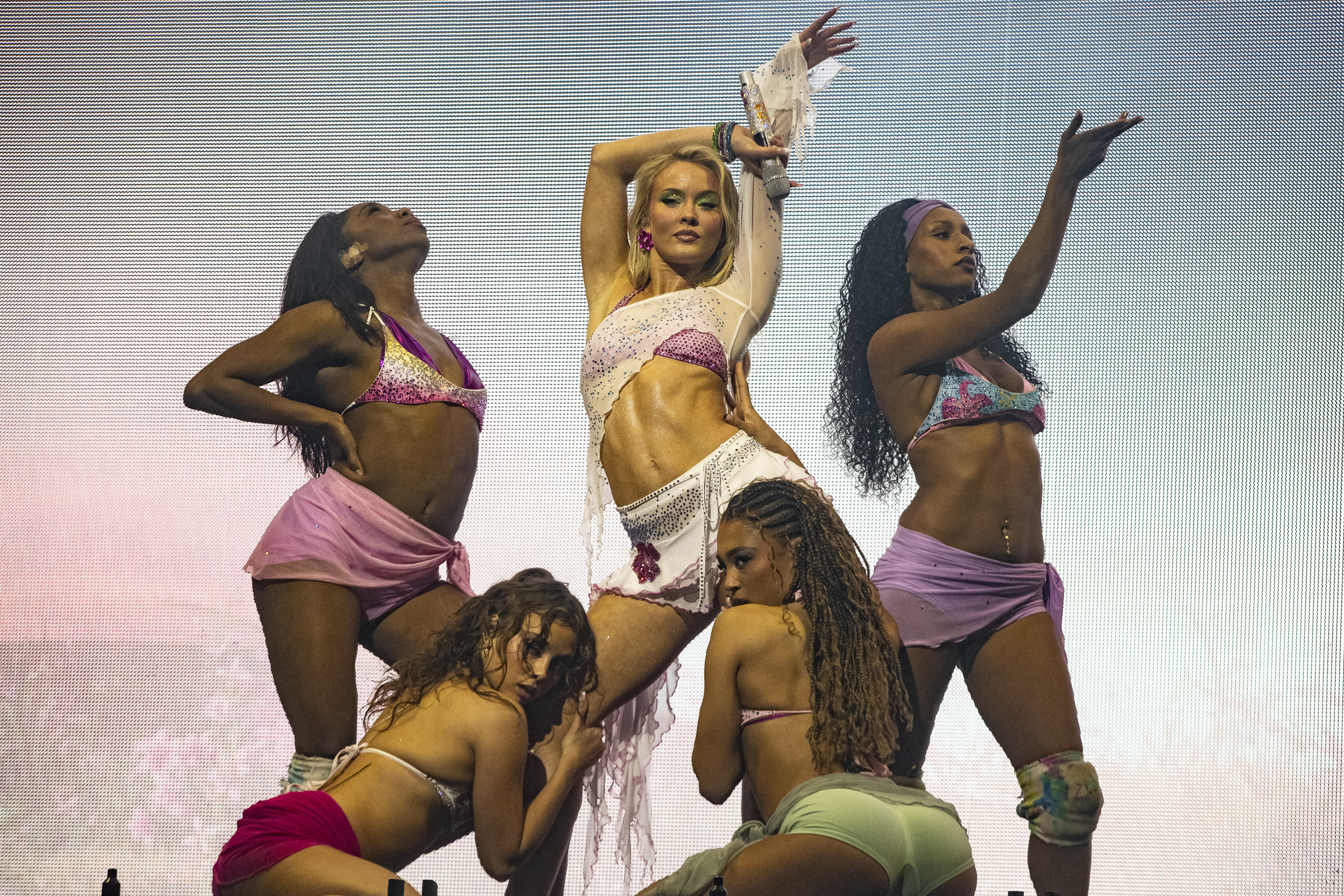
Looking at concerts, 2025 came with some strong female shows. Recent boxoffice reports for Amsterdam’s Ziggo Dome include Lady Gaga, who moved 16,375 tickets at a $3,220,251 gross, Nov. 9; three nights with Billie Eilish, May 4-7, (50,082 tickets, $6,127,683 grossed); as well as two co-headline shows by domestic acts Froukje and S10, Nov. 1-2 (25,697, $1,498,969).
More are confirmed for 2026, including Tash Sultana and Olivia Dean, contributing to Mojo Concerts arena and theater business, as well as massive stadium shows with The Weeknd, Bad Bunny and Pitbull. And with K-pop, Latin, Country, and Americana all selling faster than ever, the future is looking bright. The main challenge posed by such a buoyant business is “limited venue availability,” but Bloem and her teams consider this “a privileged environment to be operating in.”
The positive outlook is shared by venue operators. Arnaud Hordijk, head of entertainment and sports at the Rotterdam Ahoy, says “at the end of this year, demand for live entertainment and sports events remains consistently strong. We see a healthy mix of returning flagship events, new concepts, and several international productions finding their way to Ahoy. Family shows are growing in popularity, for both younger and older children. Additionally, there is a strong increase in demand for domestic talent. Dutch artists are drawing larger crowds than ever. Nostalgia, reconnecting with the past and reliving memories, continues to work. TikTok also has an impact, broadening the mix of target audiences.”
Birgitte de Winter, commercial director at Ziggo Dome, says her team looks back “with pride on the past concert year. We enter the end of 2025 in strong financial and operational shape. National concert attendance has rebounded, sponsorships remain solid, and the venue’s future event pipeline looks healthy.”
In terms of trends, the building’s head of events, Jacobine Talsma, notices “that hip-hop artists are a permanent fixture on our calendar, both locally and internationally.” Drake, who performed three times, July 30-Aug. 2, sold a total 43,710 tickets at a $6,360,923 gross; Tyler, The Creator’s two sold-out shows, May 14-15, moved 30,931 tickets, grossing $2,686,664.
According to Talsma, “it is noteworthy that alongside returning legends, we have hosted a relatively high number of artists who have never performed at Ziggo Dome before, artists who have grown exponentially in popularity through platforms such as TikTok.” Examples include Benson Boone, who sold 33,190 tickets and grossed $2,495,818 across two nights, Nov. 10-11, while Tate McRae sold 15,827 tickets at $1,246,562, May 28, according to the Pollstar Boxoffice.
The continued popularity of stadium shows may impact indoor touring at some point, however, “at this moment, we see no decrease in the number of shows scheduled for 2026,” says Talsma. At the same time, adds de Winter, “further growth is more likely to level off than accelerate, making consistent excellence in sound, hospitality, and visitor flow essential to sustaining our position in the market.”
Supplying literally all of the events mentioned above is Dutch Barrier Services. The company has been blazing a trail since launching in 2022, helmed by Stanley Jilesen and Erwin Sprengers, who boast a combined 50-years of experience working with barriers. They came up with a new barrier design during the COVID lockdowns that has since taken the industry by storm. “In Holland,” says senior account manager Stanley Jilesen, “I would say we supply 75% of events, and around 60% to 65% in Europe. Business is really good.”
At the time of this writing, two of Europe’s biggest and longest-standing festivals, Glastonbury and Roskilde, had joined the waiting list of events wishing to work with Dutch Barrier Services. Demand currently exceeds supply, but Jilesen and his team are catching up fast. The reason their barriers are so popular is their simple design. “One bolt fits everything,” explains account manager Erwin Sprengers, “our biggest competitor uses more than 16 differently-sized bolts, all delivered to the event in one box.”
The one-bolt system saves time during load in and load out, but the most impactful redesign concerns the transport dollies. Jilesen explains, “Labor laws dictate that you cannot lift too heavy or too high. Since you can’t make the barrier itself any lighter, because it needs to withstand the pressure from the crowd – unless you used some special carbon fibre, which makes no financial sense – we made the dolly lower.” Sprengers chimes in, “By 20 centimeters. Everybody, who uses our barriers for the first time, remarks something like, ‘wow, it’s lighter!’ No, it isn’t. It’s the same weight, you just didn’t have to lift it as high.”
Another high-profile Dutch Barrier client in the Netherlands is Greenhouse Talent. The company’s managing director and head promoter Wouter de Wilde sums up the state of play in the country perfectly: “The Dutch market in general is healthy and doing well. Our business at Greenhouse Talent in paricular is even growing steadily. We do see the pattern of big shows doing well, and smaller shows struggling continuing.”
At the same time, “club shows are selling out faster than ever, and artists are scaling up quickly, Luke Combs performing at Johan Cruijff ArenA [on July 11, 2026] being the prime example. Festivals, including C2C: County to Country and Once in a Blue Moon Festival, are also seeing expanding and increasingly loyal audiences. Overall, the genre is becoming stronger on all levels. It is also great to see that K-Pop is very solid, and that our comedy business keeps growing. Customers still have a strong appetite for tickets and, generally, aren’t waiting longer to buy. Arena and stadium on-sales remain very strong, and fan culture is vibrant across all genres. We’re not too concerned about stagnation, though we do keep a close eye on the market.”
FREE
 Daily Pulse
Subscribe
Daily Pulse
Subscribe
 Daily Pulse
Subscribe
Daily Pulse
Subscribe