
South America Steadily Grows With Latin Music’s Streaming Power, Tours Placing Region In Global Spotlight
It’s hard to surprise anyone who works in the music industry and understands the trends and cyclical nature of the business, but even the most grizzled veteran has to be impressed by what’s going on in Latin America, most notably South America.
A surplus of international tours, a successful export of talent, stabilizing economies and investment in infrastructure is paving the way for a golden era in South America, which is little by little achieving feats it could never have imagined two decades ago.
Eleven promoters that work in the region ranked among the top 75 on Pollstar’s Year End Top Promoters Tickets chart, with companies like OCESA, Cárdenas Marketing Network, Dale Play, 30e, Páramo Presenta and Move Concerts reporting more than 1 million tickets sold, and many of them credit their success to the globalization of Latin music, a genre that has a presence in every chart and was represented by two artists (Bad Bunny and Fuerza Regida) on Spotify’s Top 10 Artists list for 2025.
“The rise of globally renowned Latin artists has changed the landscape,” says Luz Ángela Castro, CEO of OCESA Colombia. “Today, Latin music doesn’t just ‘visit’ the world; it leads it. And this has a direct effect on South America—more tours, more investment, higher technical demands and greater confidence in the region as a primary, not secondary, market.”
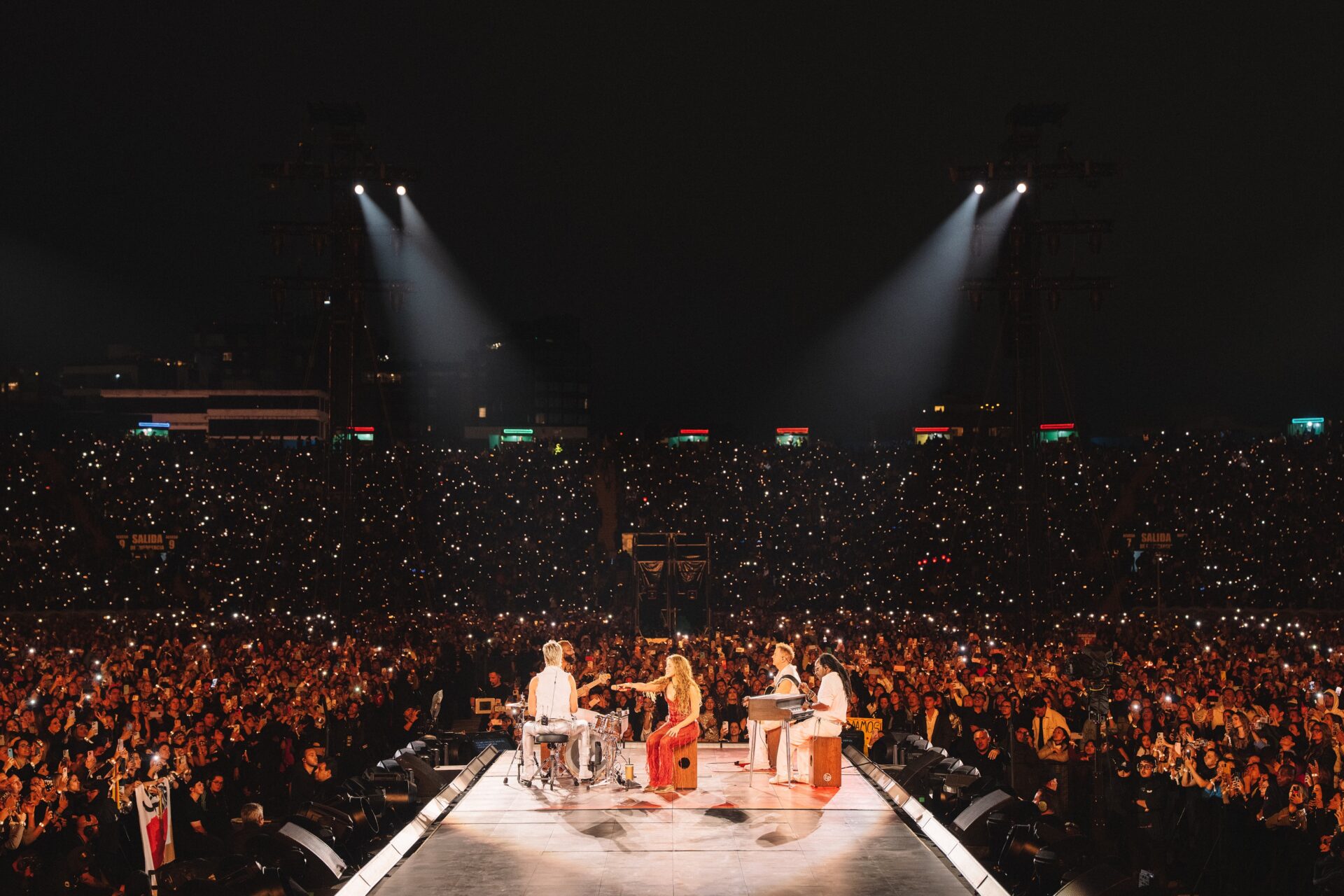
There was no greater example of that synergy last year than Shakira’s highly successful “Las Mujeres Ya No Lloran World Tour,” which was the fifth most lucrative tour in the world with $320 million in grosses and over 2.4 million tickets sold, according to Pollstar Boxoffice reports. The Colombian ascended into stadiums in the U.S. and visited untapped markets in South America, showing her peers and agents across the globe that the region is more than just the main capitals (Bogotá, Buenos Aires and São Paulo). Large-scale, quality productions can also be done in Quito, Cali, Asunción and Córdoba.
“In Shakira’s case, in addition to the scale of the tour, there’s a powerful message: when an artist connects with her roots, the region becomes a global showcase,” says Castro. “In Bogotá, for example, she performed a massive show with 47,000 attendees at Vive Claro, featuring very local cultural elements, such as the Bogotá Women’s Philharmonic orchestra.”
Much like the rest of the world, stadium shows throughout the region vaulted promoters, venues and artists to the top of the charts and helped many companies see modest growth. With a slew of tours from major acts like Bad Bunny, Iron Maiden, AC/DC, Ed Sheeran, BTS and Rosalía, it’s safe to assume that South America will continue to shine in 2026 and further reinforce the message that the region is not only capable but ready for large-scale productions and music diversity.
While Brazil (see page 92) is most emblematic of the region’s passion, creativity and love for music, other countries are making the push toward expansion to meet the demands of the live entertainment industry.

COLOMBIA GETTING IT DONE
There’s a lot of excitement within Colombia, and it’s not only because BTS is reuniting or that emo rock fans will finally get to experience My Chemical Romance’s “The Black Parade” tour.
The northwestern country of South America is developing at a quicker pace than just about every other nation in the region, having just seen the opening of Vive Claro, a stadium dedicated to live entertainment built with sustainability in mind. The venue is OCESA Colombia’s magnum opus, inspired by its sister venue, Mexico City’s Estadio GNP Seguros, which is also operated by OCESA and the highest-grossing venue in the world. (See more about new venues on page 88).
Vive Claro opened in August and only hosted six shows, but those events created 25,000 jobs and generated $16 million in tourism revenue for Bogotá. Though the venue, located near Simón Bolívar Park, had its detractors, Castro and her OCESA team have slowly won them over by working with the community to ensure that Vive Claro doesn’t have a negative impact on the area, especially when it comes to noise pollution. The eco-friendly stadium had a hiccup when it came to documentation for a Kendrick Lamar show, but the incident created a dialogue, and OCESA worked with local officials to better facilitate the permit process.
The opening of Vive Claro was a long time coming for a country that has seen steady economic growth over the years and slowly shed the stigma of its violent past involving drug trafficking. Its success in the live entertainment industry has helped reshape people’s perspective of the country and region at large, and much credit goes to BeatHub Entertainment’s opening of Movistar Arena in 2018.
“The market evolution in Colombia has been steady, and the challenge is to consolidate the market in cities other than Bogotá,” Gabriel Garcia, CEO of Páramo Presenta, tells Pollstar. “Furthermore, it’s important to highlight the improvement of the infrastructure: the evolution of Movistar Arena since 2019, the inauguration of Vive Claro and the upcoming renovation of the Estadio El Campín complex.”
BeatHub is answering the call in consolidating other markets with the development of Arena Primavera in Medellín. Gabriel Sánchez, CSO of BeatHub, promises the 17,000-capacity venue will be world-class and offer a variety of amenities, including VIP spaces. Sánchez is bullish on the local market and believes the arena can inspire promoters to find the next Karol G, who is from Medellín, and cultivate a culture of creativity.
The message Sánchez and his team want to send with Arena Primavera is simple: “That we believe in Colombia’s creative and artistic potential. We believe Colombia is a paradise for tourists, and we are capitalizing on that by improving the infrastructure.”
While artists and their talent are a major contribution to the development of the live music industry in Latin America, Colombian entertainment companies deserve a lot of credit for seizing the moment and helping acts extend their time in the spotlight by providing them with the platform.
Andrea Valencia, CEO of Breakfast Live, a promoter that reported more than 424,000 tickets sold last year, says that the modern landscape of the live business in South America, specifically Colombia, is a result of slow and steady steps to give the consumer a 360-degree experience.
“It’s precisely the result of this professionalization and evolution of event promotion in Colombia, and it’s partly due to what we’ve contributed,” says Valencia. “It’s been a contribution of more than 25 years. … It was the vision from the very beginning to integrate the industry vertically and to become what we are today. The contribution has been significant, and it involves a lot of focus on processes, on who you work with, presenting an offer, which artist you pursue and analyzing the existing and growing demand, or lack thereof.”
The introduction of a new arena will complement what has been a strong venue ecosystem in Colombia, but Castro of OCESA Colombia believes that companies need to put in just as much effort in smaller venues and shows.
“We are seeing an ecosystem that is being reconfigured,” she says. “Mega shows have grown because audiences are willing to experience ‘once-in-a-lifetime’ events on a large scale, and because Colombia now has a greater capacity to host them with new and more robust infrastructure. But it is also true that smaller venues face pressures: operating costs, changes in consumer habits, concentration of spending on large events and regulatory challenges (noise, hours of operation and security). Therefore, for us, the goal is not for the ecosystem to be ‘large vs. small’ but rather interconnected, that there are pathways for talent to grow from medium-sized venues to arenas, and that the city has diverse programming throughout the year.”
Páramo Presenta is one of several promoters ensuring that talent and smaller venues continue to thrive in the modern live landscape. García, the company’s CEO, stressed that those venues are just as important for audience development and market growth as a stadium and crucial for artists. He says that Páramo will show its commitment to such programming and venues this year with Arena Cañaverlejo in Cali, a bullring renovated for concerts.
“We will have fewer stadium shows but many more arena shows. We are projecting more than 60 arena shows for the year,” García says. “We will launch a loyalty program that will allow us to get to know our audience much better and will help us promote our shows more efficiently, which we believe will also benefit the artists.”
SANTIAGO NOT TO BE OUTDONE
Colombia isn’t the only country to be featured prominently in Pollstar’s charts. Chile and Argentina’s economies have also experienced steady growth, and consumers continue to spend on entertainment.
A popular destination for artists and fans is Movistar Arena in Santiago (there are a total of four venues that share this name: one in Bogotá, another in Buenos Aires, a newer one in Madrid and the other in Chile). One of the most successful runs at the Santiago venue came from Chayanne. The Puerto Rican’s eight sold-out shows at Movistar Arena, a co-promotion between Multimúsica S.A., Cárdenas Marketing Network and DG Medios, grossed $10,225,416 off 93,394 tickets, according to Pollstar Boxoffice.
Movistar Arena reported a haul of nearly $100 million off 1.7 million tickets, finishing No. 3 in ticket sales on Pollstar’s recent Year End Worldwide Top Arena Tickets chart, topping iconic venues like Madison Square Garden, Sphere and the Kia Forum.
This doesn’t come as a surprise to seasoned promoter Jorge Ramírez, executive director of Multimúsica, who believes Santiago “has established itself as a very important hub for entertainment.”
However, much of that success is centralized. When touring Latin America, Shakira visited at least two markets in Argentina, Colombia and Brazil. Her four dates in Chile were all in Santiago. That kind of glut of shows may benefit some of the bigger promoters like Bizarro Live Entertainment and DG Medios, it’s a challenge for independents, forcing them have to be more selective in their shows.
“That concentrates many of the offerings in the capital and often distorts the value of things,” Ramírez says. “In a world where everything is globalized and a few hands control the deals and tours (promotion, ticketing, food and beverage and sponsorship), the challenge is to be able to sustain oneself by making a difference so that you are chosen for your service and not for volume. That’s quite romantic, isn’t it? I am convinced that Multimúsica has always been a loyal player and has contributed to improving the business, but also the ways of doing it.”
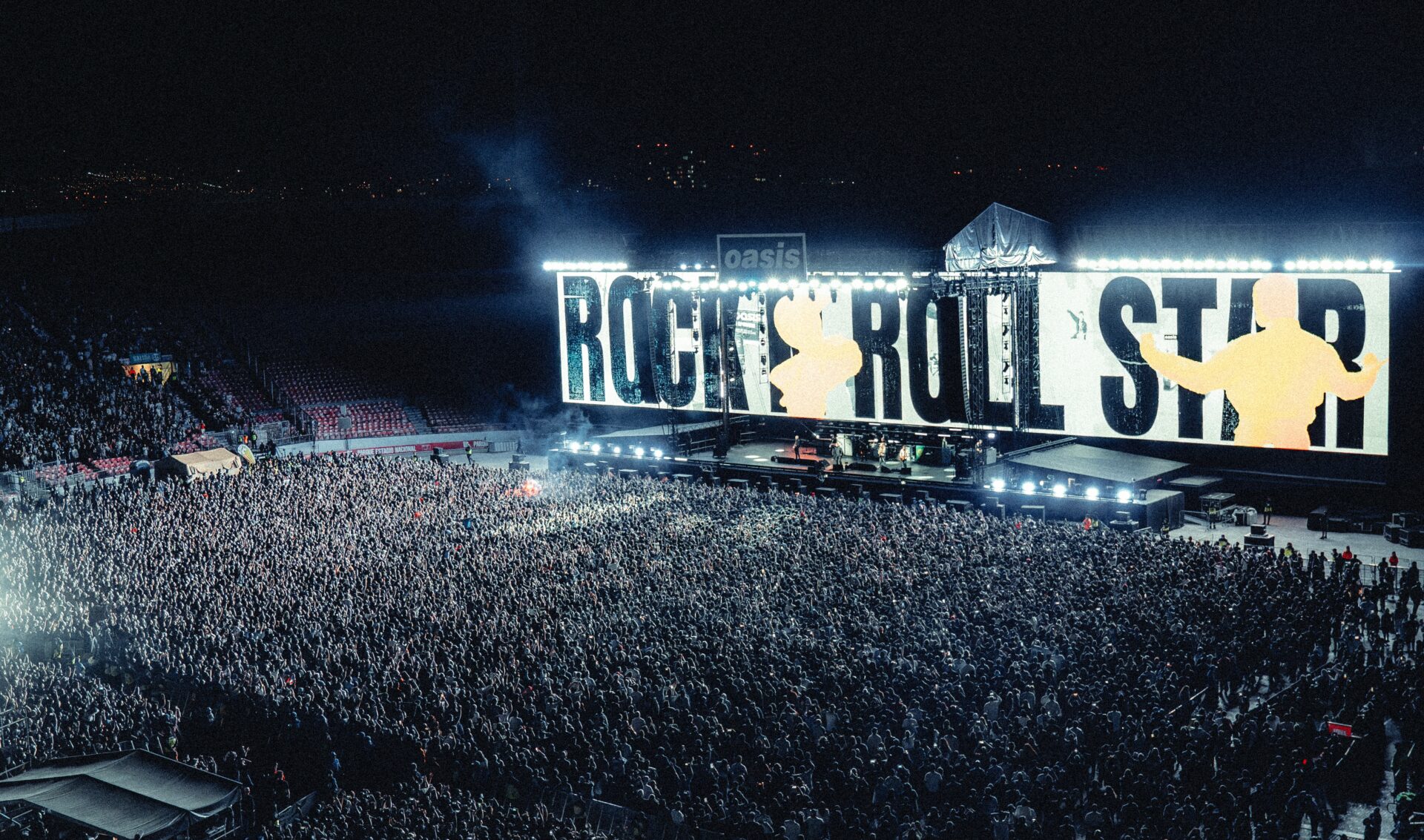
Carlos Geniso, CEO of Chilean Promoter DG Medios, who worked on some of the country’s biggest shows, including Oasis and Dua Lipa, sees the flood of concerts as an opportunity to diversify the market and popularize genres that may have been considered more niche in the past. He was one of the first promoters in the region to invest in the K-pop movement, which has grown exponentially since the pandemic, and he also likes to cater to the older rock fans who love to see AC/DC or Iron Maiden.
“Here in Santiago, we’ve achieved something unique: we’ve created a programming lineup that blends various genres, including Latin music, adult contemporary, youth-oriented and rap,” Geniso says. “I believe this is a market that will never decline, that’s on the rise and will continue to grow.”
Live Nation shares the same belief. Last month, it was announced that the mega promoter acquired a majority stake in Chile’s Movistar Arena. The terms of the deal weren’t disclosed, but Live Nation struck a partnership with venue operator BeLive Entertainment Group, which will make one of the world’s busiest arenas even busier.
“Latin America is one of the most vibrant live music regions in the world, and Chile is a critical stop for artists touring the continent,” Live Nation CEO and President Michael Rapino said when the deal was announced. “Partnering with BeLive allows us to strengthen what already works, bring in more great shows, and continue growing the live experience for fans across the region.”

Argentina is also a critical stop for global artists, and unlike Chile, it has another viable market outside of the nation’s capital in Córdoba. But the king is Buenos Aires, with Movistar Arena as well as multiple soccer stadiums and theaters.
The popular arena among the best in the world, according to Pollstar, ranking No. 36 in tickets sold with 639,714 on the Year End Arena chart.
The success of the venue and promoters like Fenix Entertainment, Move Concerts and DF Entertainment is remarkable considering the country was in economic shambles not long ago, but the market has rebounded with the government measures cutting expenses and inflation slowing down.
Eduardo Basagaña, CEO of EB Producciones, admitted that he and his company saw success in the form of sold-out shows in Buenos Aires.
“Short-term government measures stabilized the economy, and companies like ours benefited from it because the value of the Argentinian peso has gone up,” says Basagaña, who was born in Argentina and works around the globe. “The average ticket price in Argentina was as low as $30, and now it’s $90. For the Argentine promoter, it’s more feasible to bring artists because it’s easier to find a break-even point, as the average ticket price has tripled. We’re talking about a value much more than some European markets and more comparable to the United States.”
The rise in prices and demand, however, did have an effect on some consumers, Basagaña says. “That macro-stability situation has affected a certain segment of of society that now finds it difficult to access tickets. The truth is that the most popular shows have fallen somewhat out of favor, and those consumed by the middle and upper middle classes have continued as before.”
INVESTING IN A BETTER FUTURE

The success of more developed markets in countries like Brazil, Chile, Colombia and Argentina has inspired other nations to follow suit.
Paraguay, Bolivia, Ecuador and Uruguay are a work in progress, but they really punched above their weight when Shakira came to town and got a taste of what the live industry can do for their local economy.
Juan Carlos Dominguez, founder and CEO of Feel The Club, promoted the global star’s concerts at Estadio Olímpico Atahualpa in Quito, Ecuador. Shakira’s three sold-out nights last November moved over 100,000 tickets and grossed $14.4 million, shattering just about every box office record. The self-proclaimed She Wolf had an economic impact of more than $70 million, according to Dominguez, setting a tone and showing local officials the benefits of live music.
“It’s the biggest show that has been done in Ecuador,” Dominguez tells Pollstar. “Honestly, there’s nothing close to it. We had over 100,000 fans and had people from all over Ecuador, from Guayaquil, Cuenca and all the provinces, as well as people from Colombia, Peru and the United States.
“More than anything, the message that came out of those three nights is that we’re ready for any type of show, since a production like Shakira’s is as big as Beyoncé’s,” he adds. “We’re ready, and the demand is there. … But there is a movement. It’s starting to happen in smaller countries.”
Tours like Shakira’s certainly moved the needle and sparked a conversation about the possibilities, but authorities and investors still need to commit. Even more established markets like Brazil, Colombia, Chile and Argentina need to expand, not only in their capitals but in secondary markets, to ensure extended stays from artists visiting the region.
The consumer is rapidly evolving, BeatHub’s Sánchez says, and it’s a good time for countries like Perú, Chile and Ecuador to seize the moment as economies continue to grow and the middle class gains greater purchasing power. Gen Z consumes and discovers music at an unprecedented rate because it’s more accessible.
“The fundamental thing that these countries need is infrastructure, specifically venue infrastructure, so that people can have a good experience going to concerts—not only Generation Z but also older people,” Sánchez adds.
Multimúsica’s Ramírez agrees that more venues of all sizes would help South America realize its potential and that major players like Live Nation and AEG Presents are investing in expansion, but he adds that business practices are just as important in developing the markets, building trust with artists, fans and local officials.
“South America is a continent where there is still room for diversity and for small and medium-sized players to present their offerings,” Ramírez says. “It also has a very loyal audience that adores its idols, fans who will go and see a show again and again. We see this not only with Shakira but also with Ricky Martin, Chayanne, Feid and others. But all of this needs to be protected with clear rules that allow for free competition, which is what the public ultimately appreciates most. We must avoid demanding exorbitant ticket prices. If this doesn’t happen, we will see tours with disappointing results and half-empty stadiums, as has happened in the U.S.”
It’s also on promoters to just make the extra effort in developing other markets within the region, which could cost more and require more heavy lifting. Jose Muniz of Mercury Concerts takes pride in the fact that he tries to not only maximize ticket sales but also develop other markets, hoping that other artists and promoters follow his lead.
“I believe this is our company’s difference compared to others,” Muniz tells Pollstar. “We always go far and beyond with our tours, and the proof is the 2025-26 Guns N’ Roses tour totaling 22 shows, being 14 across Brazil, all stadiums and some of the markets where no other international act has ever played. It takes a lot of planning and hard work to put together these tours, and not every company wants to spend the time in such an odyssey. It takes a lot of courage to do it; trust me.”
The gap between South America and other regions isn’t as wide as it once was, and they encounter many of the same challenges as the U.S. and the U.K., including the up-and-down nature of the festival market.
South America has dozens of established festivals with loyal followings, such as Rock in Rio, Lollapalooza, The Town, Estéreo Picnic, Monsters of Rock, Viña del Mar, Ultra, Cosquin Rock and Primavera Sound, but it has been a struggle for new festivals to emerge. It’s not because talent is limited, but rather that many prefer to headline their own concert because the touring business is booming. Rising production costs is also an issue.
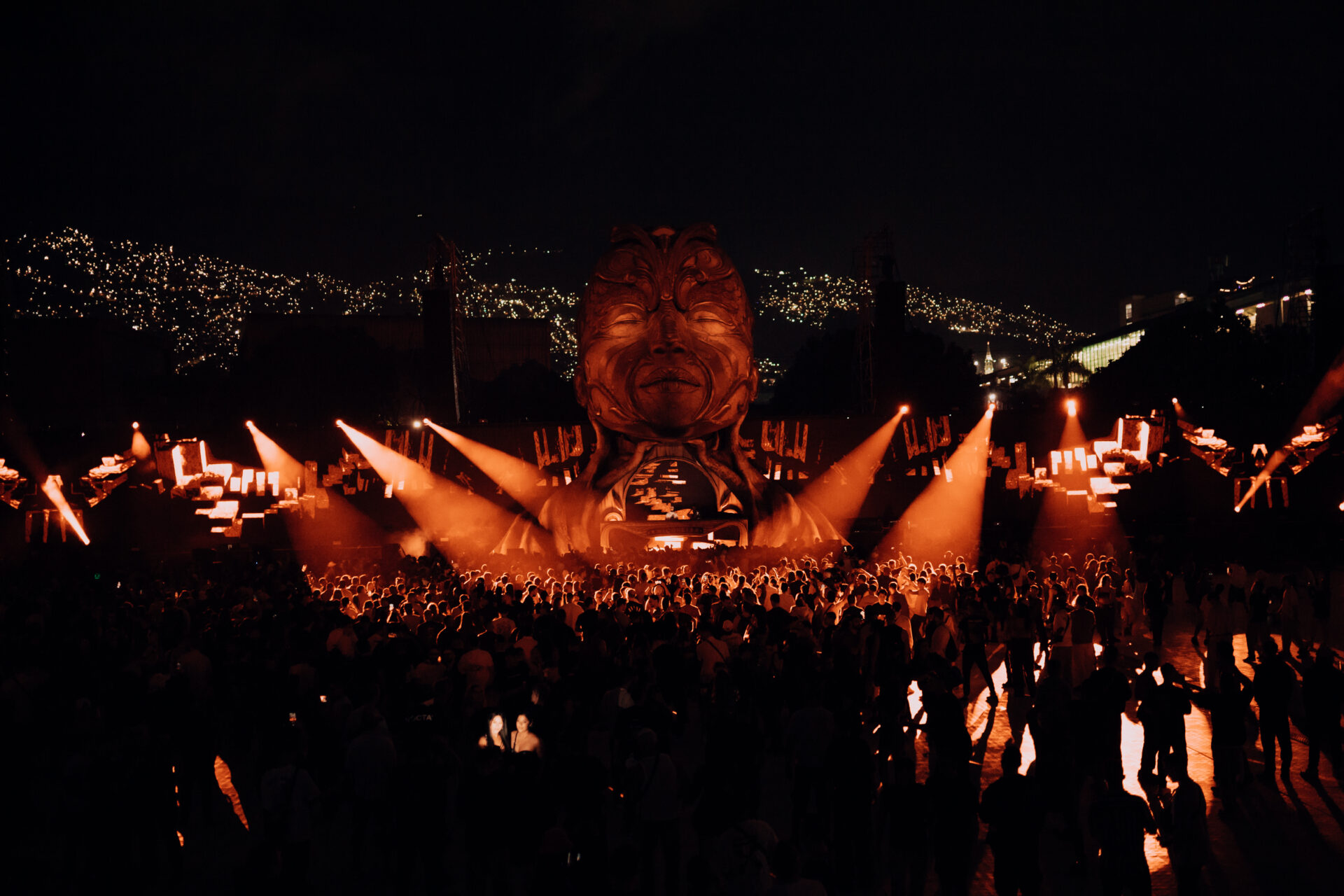
“Festivals are always a big challenge because, obviously, producing one requires a lot of resources, not only financial but also in terms of personnel, time and dedication. They’re not easy,” says Breakfast Live’s Valencia, whose company has four festivals in its portfolio, including the popular electronic music event Ritvales in Medellín. “We’ve found that it’s still a challenge to keep fans engaged at a festival. Through some of the studies we’ve done, certain fans prefer to see a show by their favorite artist rather than see them at a festival. They feel shortchanged when they see them at a festival. … I think those are some of the most complex challenges that festivals face.”
It’s also not easy to build a community and a brand in the festival market. It’s possible Rock in Rio benefits from being a biennial event, but Rock World, the company that organizes the major festival, dedicates itself to delivering a unique experience and immersing music fans into a new world. As Valencia says, it takes a lot of resources, but companies like C3 and Rock World dedicate themselves to such events and understand what works best for their brands, which is why Elton John will be at Rock in Rio and Lolla nabs headliners like Sabrina Carpenter, Tyler, The Creator and Chappell Roan.
“It just goes to show the power of the festival,” Gus Canazio, senior vice president of booking, tells Pollstar. “Elton John can go down there and do a stadium alone, no problem, but he wanted to do it right with Rock in Rio. He knows the infrastructure, the brand, the fans, and thankfully, the stars aligned. For an artist of that size at the self-proclaimed end of his career wanting to still go down to Rio and do this is phenomenal. It just goes to show that this is such a strong festival and brand, and artists love to play it.”
It’s also the alluring power of South American fans, who make up for the lack of infrastructure with their passion. It’s infectious and a big reason why artists like Iron Maiden and Paul McCartney keep coming back.
“The audiences in South America as a whole are absolutely mental,” Phil Rodriguez, CEO of Move Concerts, tells Pollstar. “I mean, Latinos already, it’s part of our culture. We show our emotions. We hug, we kiss, we scream, we cry. … Whenever bands went down there, they were so grateful, so happy. They appreciated it, and this is across any genre of music. Whether it’s artists like Paul McCartney or Roger Waters, the older artists still love to go down there because they’re going to get the cross-breed of demographics, from young to old, and they’re going to get that emotion from the audience that sometimes is missing here in other markets.”
FREE
 Daily Pulse
Subscribe
Daily Pulse
Subscribe
 Daily Pulse
Subscribe
Daily Pulse
Subscribe