
Una Nueva Era: South American Markets Continue To Rise With New Venues
For decades, the main knock on South America has been its infrastructure, with government regulations deterring private investors from developing markets. It’s still an issue, but one that the region is resolving, little by little, as government officials realize the value of the live entertainment industry and its potential influence on local economies.
One nation leading that charge is Colombia, which inspired the region when Movistar Arena in Bogotá opened eight years ago. The nation’s capital saw yet another crown jewel open in 2025 in Vive Claro, a versatile multipurpose stadium built by OCESA Colombia to meet the demand for live events with sustainability and live music in mind.
The new venue welcomed more than 250,000 fans and had a major impact on the local economy with an influx of tourism and nearly 5,000 jobs generated, according to OCESA Colombia CEO Luz Ángela Castro. The 40,000-cap Vivie Claro marks a new era for Colombia and cements the market as one of the best in the world.
“The mission of Vive Claro, OCESA Colombia’s most important project last year, is to be an inclusive space, specifically designed for concerts, strengthening this industry sustainably and raising standards for the entire value chain by creating ecosystems where local talent can interact on equal footing with major international productions,” Castro tells Pollstar.
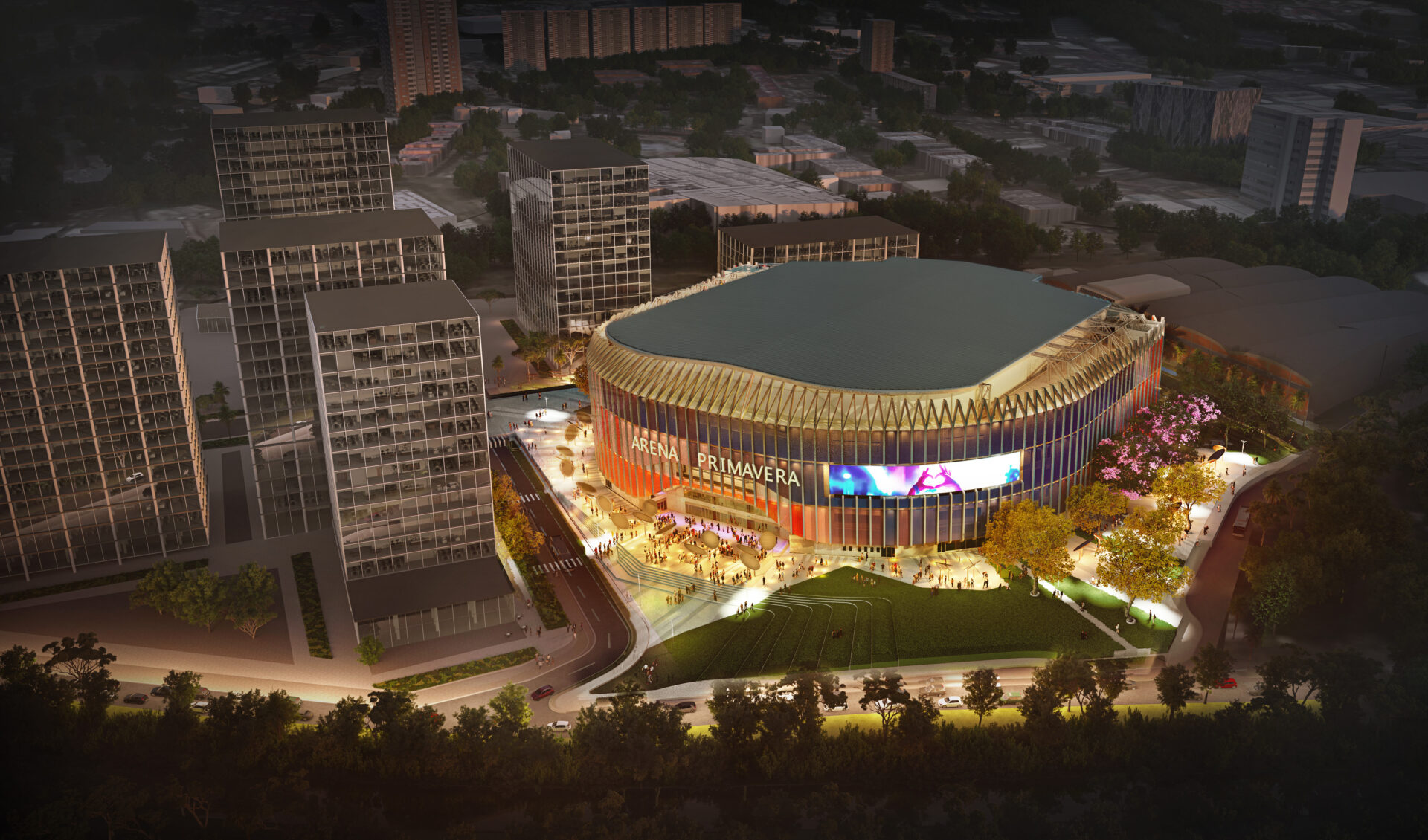
Bogotá already dominates the live market with such venues, and it will continue to do so as it seeks to renovate Estadio El Campín. But another Colombian market aiming to ride the wave of the live entertainment boom is Medellín. BeatHub Entertainment, which operates Movistar Arena in Bogotá, will be opening Arena Primavera, a 17,000-capacity venue in the northwestern region of Colombia that aims to stimulate the local economy. Gabriel Sánchez, CSO of BeatHub, says the venue is 40% done, and the building of a new arena in Medellín sends a message that the company believes “in Colombia’s creative and artistic potential.”
“We believe Colombia is a paradise for tourists, and we are capitalizing on that by improving the infrastructure,” he adds. “We are working with government authorities and Medellín officials to discover the next Karol G, the next Maluma or Sebastian Yatra. … The venue has a special design when it comes to VIP experiences, and we really want to disrupt the industry again with a multipurpose venue that is mainly built for music with sports as an afterthought.”
Live Nation is very bullish on South America, having invested in the region over the past decade. The entertainment giant, which owns stakes in companies such as OCESA, Páramo Presenta and DG Medios, will be operating its first venue in Colombia, partnering with its affiliates in the country to manage Arena Cañaveralejo, a renovated bullring in Cali. Páramo CEO Gabriel Garcia tells Pollstar that these new buildings “represent the possibility of presenting more artists under better conditions for both the artists and audience.”
“This, in turn, contributes to audience development,” he adds. “For example, in Colombia, people around 50 years old didn’t attend concerts because they hadn’t developed the habit, since there were hardly any shows, and the experience wasn’t good. But with the amenities offered by the new venues, many are starting to attend events regularly.”
The Peruvian consumer may also soon develop new spending habits with Live Nation building Lima Music Arena, an 18,500-capacity venue that would be Peru’s first purpose-built indoor venue for live music. The new arena in Lima is slated to open mid-2028.
Other countries are answering the call to expand their infrastructure. Chile recently renovated Claro Arena, a 20,000-capacity soccer stadium in Santiago, which reportedly cost about $50 million, and Live Nation now has a big presence in the city after becoming a majority stakeholder in Movistar Arena, which was South America’s highest-grossing arena in 2025.
Paraguay is also getting in on the action, with veteran promoter Walter Ayala developing South America’s first carbon-neutral arena. The 15,000-cap Smart Arena Net Zero is still in the design phase and aims to open in late 2028. s
FREE
 Daily Pulse
Subscribe
Daily Pulse
Subscribe
 Daily Pulse
Subscribe
Daily Pulse
Subscribe