
Hall Of Honor: CAA’s Chris Dalston, Four Decades Of Excellence
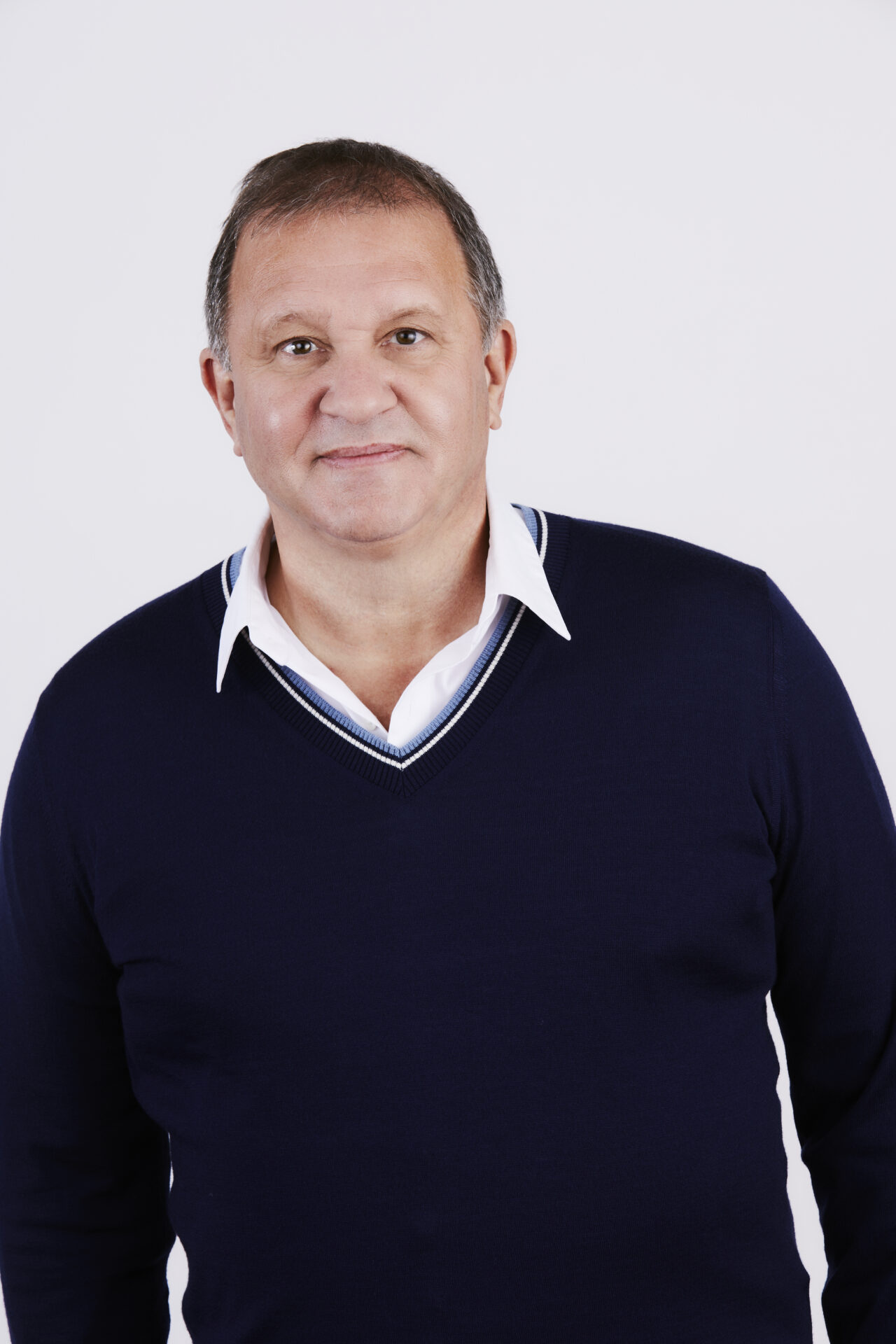
In Dec. 12, Chris Dalston left Creative Artists Agency’s Century City offices, where he was the co-head of international touring. A few days later, he was on a plane to Hawaii.
And then?
“I’ll be back in January or February and I’ll decide then what if anything I want to do,” he says. “I’ve made the decision after 30-something years at CAA that it’s time to go. I don’t know what I’m going to do. … it’s a very bittersweet time. … I don’t want to become irrelevant, and that’s mainly the reason I’m going to go now; I’d rather go a little early than a little late. But I don’t know what I’m going to do, I have no idea.”
It’s hard to imagine anyone thinking Dalston was on the verge of irrelevancy. He boasts an impressive roster of moneymakers and ticket sellers, among them AC/DC, Bon Jovi, Lionel Richie, Nile Rodgers, Queen, Rammstein, Scorpions, Kraftwerk, Maroon 5, Ricky Martin, Roxy Music, Sting and Tom Jones.
Bon Jovi’s back on the road in 2026. AC/DC is still selling out stadiums, with the breathtaking success of the “Power Up Tour” helping Dalston win International Booking Agent of the Year at the 2025 Pollstar Awards.
And there’s Queen. Now 35 years from the death of dynamic and iconic frontman Freddie Mercury, the rock legends are still rocking you, having joined up with Adam Lambert. And that’s a special client for the Yorkshireman Dalston. Growing up in Leeds, he had the chance to catch many of the top acts of the ’70s at The Refectory, a 2,100-capacity venue at Leeds University.
“I saw Bob Marley there. I saw The Clash there. I actually saw Queen at Leeds University, so to end up working with them 40 years later, it was very trippy, to be quite honest with you. I could never have imagined standing there on a Saturday night that I would ever get to work with them,” he says. “They were still very much in the ascendancy, between Queen and Queen II. They were really a hard rock band at that point. To work with them all these years later, it’s pretty amazing.”
Of course, there was a long journey from the floor at The Refectory to backstage with the biggest acts in rock. And it started on a cruise ship, where Dalston worked as a photographer in his late teens, allowing him to develop relationships with performers like Phyllis Diller, who in turn introduced him to the mentalist The Amazing Kreskin. And with Kreskin, of all people, a nearly 50-year career was born.
During a Kreskin performance at Los Angeles’ Bonaventure Hotel, he connected with a woman who’d started working with Triad Artists. She convinced Dalston to come aboard. His first job was as a PBX operator — “I imagine 80- 90% of people don’t even know what a PBX operator is” — and then moved up to receptionist and eventually on a desk with Laurence Leader. Leader was hired away by William Morris.
“And in one afternoon, I was pushed up to being an agent,” he said.
What a trial by fire it was, as he was suddenly the agent for “The Faith Tour” — the 1988 run that was George Michael’s first as a solo act — and Whitney Houston’s “Moment of Truth Tour.”
“Now that I look back, I was completely unqualified and not able to do it, but I sort of figured out a way to get through it, and a lot of people helped me, and that began my career,” he says. “There was nobody else to take over, so I got pushed in.”
Perhaps in over his head a touch, Dalston was able to begin forging relationships that have continued through the decades. One of Michael’s managers at the time, Michael Lippman, managed Matchbox 20 and Rob Thomas, with whom Dalston works. Lippman passed away in late December.
Coincidentally, CAA’s office is just around the corner from Triad’s on Santa Monica Boulevard.
Everything’s connected.
When William Morris acquired Triad in 1992, Dalston developed another meaningful relationship with the famed agent Carole Kinzel. Kinzel pushed for then-CAA head of music Tom Ross to hire Dalston and eventually he did, giving him what was then a unique role.
“My original job was to build the international department because at the time, there was very much a division whereby the European agents would book in Europe and the American agents would book in America. And now it’s sort of gone crazy and a lot of American agencies book into Europe, which when I first started, was very much a no-no,” he says.
It was an approach that was being tested — very gingerly — by agents like William Morris’ Peter Grosslight, but it was not the norm.
“We were called a lot of names. We were told we would never understand it as well as the Europeans, the Europeans were better agents, the Europeans worked harder. They knew their territory, they did this, but it was interesting because it wasn’t really the Europeans, it was the English, and the English would decide that they knew more about Europe than anybody else did.
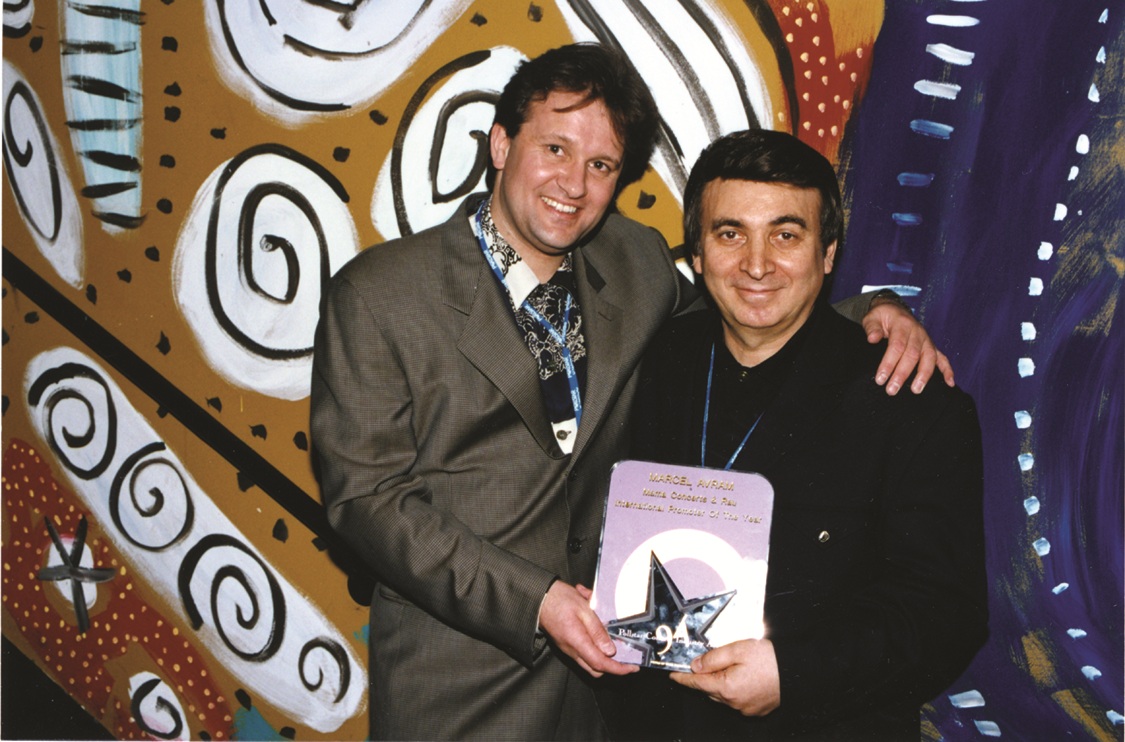
“The decision was made that we gave so much business away to European agencies, or UK agencies, and we got nothing back that we may as well go ahead and do it ourselves,” Dalston says.
Now, of course, the industry truly is global and becoming more so every moment. Dalston sees India as the next big breakout market ahead of China, which still has structural challenges.
“The biggest problem we have [in India] is venues. We jerryrigged these events together. Bryan Adams plays cricket grounds and the promoter will send you a picture of the venue and it’s a piece of ground with a bunch of trash on it. And then sure enough, in three months, they get it ready for a concert. Enrique Iglesias just played two dates in India now that if you looked at the venue a month ahead of time, you’d have said there’s no way this could ever take a concert,” Dalston says. “But it has, and it did, and they were enormously successful. Before he came on, biblical rain started, and I’m not sure the Western kids would have had the stomach to stand in a torrential rain shower for multiple hours to get drenched. But they’re opening up their market and having a great time and they love every minute of it.”
And that’s the thing Dalston loves about the business: the love the crowds have for it. And in his don’t-call-it-retirement, he’s still going to shows.
“I love to go in the crowd. I don’t want to sit backstage. These people pull their heart and soul into these things, so to be able to talk to them about it a little bit afterwards is nice. And to see what it does to people? I was in Edinburgh with AC/DC and the place went crazy, just literally crazy,” he says. “I don’t see how we ruin it unless it’s by overcharging. I just don’t see how you ever replicate the live touring experience. There’s something about the crowd and the noise and the environment.”
FREE
 Daily Pulse
Subscribe
Daily Pulse
Subscribe
 Daily Pulse
Subscribe
Daily Pulse
Subscribe