
The Biz: Top DOJ Antitrust Lawyer Out As LN Reportedly Seeks Settlement; CA, NY Take On Resale & More
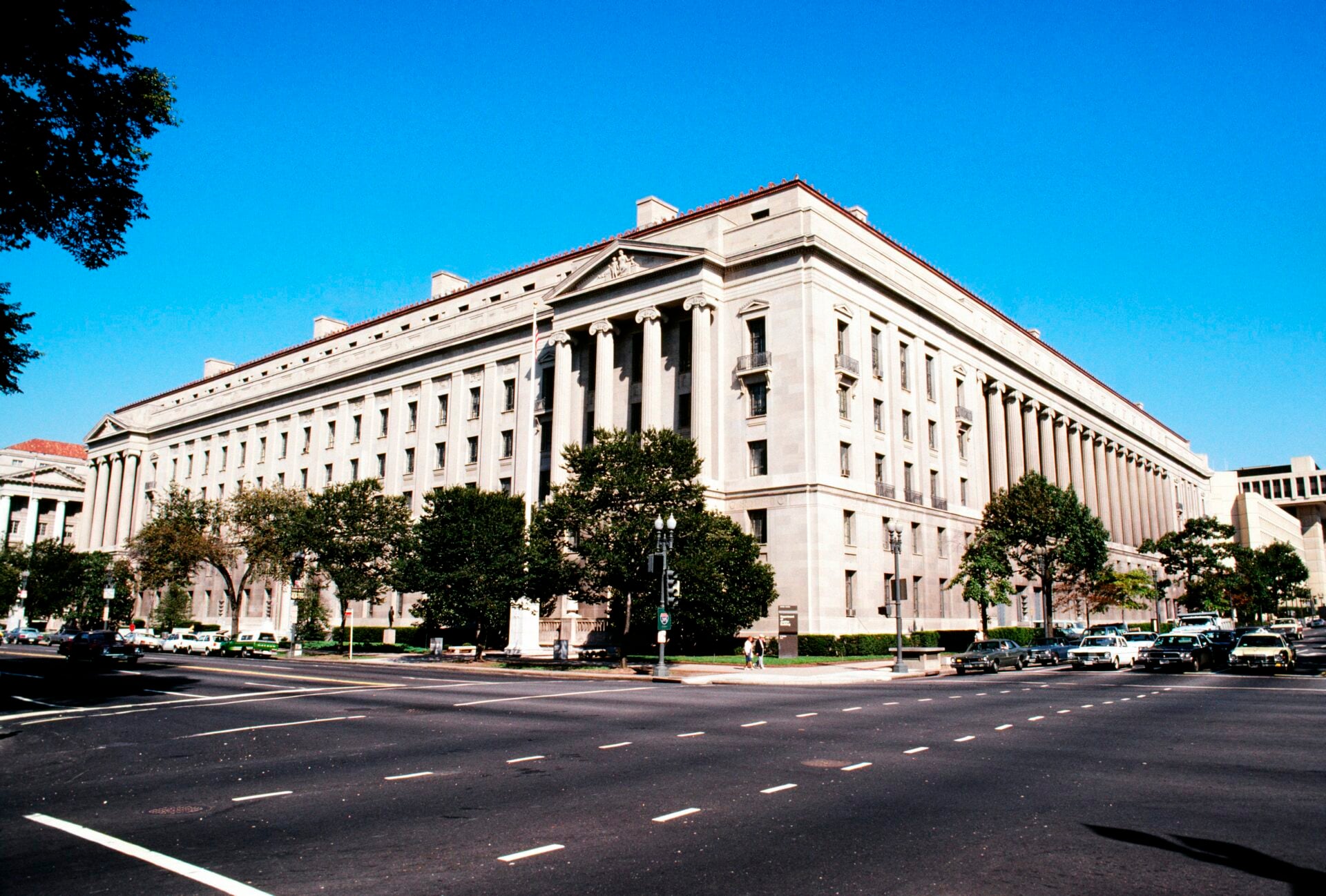
The top attorney with the Department of Justice’s antitrust division left the department this week as reports swirled that Live Nation had beenlobbying senior Justice Department leadership in an effort to find a settlement ahead of its antitrust trial due to begin in early March.
Gail Slater, the assistant attorney general for the antitrust division, announced her departure Feb. 12 after less than a year in the post, saying she leaves the department filled with “great sadness and abiding hope.” CNN and other outlets later reported she was forced out, despite the tone of her post on X suggesting she was leaving of her own accord.
The antitrust division has been at loggerheads with the broader leadership at Justice, sources told CNN, in part because Slater and her team sought to be aggressive against tech companies that are increasingly friendly with the Trump Administration. President Donald Trump himself had suggested he would be involved in assessing Netflix’s effort to buy Warner Brothers Discovery and HBO and a counteroffer by Paramount chief — and Trump ally — David Ellison.
Relatedly, Semafor reported that Trumpworld figures including Kellyanne Conway, a former advisor to the president, have been advising Live Nation and engaging with DOJ officials, including Deputy Attorney-General Todd Blanche, on a path forward ahead of the looming LN trial.
A spokesperson for the antitrust division told Semafor that the DOJ is still committed to the LN case, which was inherited from the Biden Administration. A Live Nation spokesperson offered no comment.
CA, NY Mull Resale Caps
Two of the country’s biggest states — including some of the U.S.’s largest concert markets — are considering restrictions on ticket resale.
Legislators in both California and New York have introduced bills that would reform ticketing in their borders, both including restrictions on how much resold tickets can be marked up above face value.
In the Golden State, the California Fans First Act, proposed by Assemblymember Matt Haney, a San Francisco Democrat, would apply a 10% resale cap to tickets for concerts, comedy shows and theatrical productions, but not sporting events, which could continue to be resold at any value.
“Concert tickets aren’t stocks to be flipped for profit. They’re a chance for real fans to see the artists they love. Yet for years we’ve let out-of-state scalpers and speculators cut the line, buy up tickets in bulk, and resell them at outrageous markups—shutting out fans while taking the lion’s share of the money. They didn’t write the songs. They didn’t build the venues. They didn’t clean the bathrooms. They didn’t put on the show. But they’re the ones cashing in. That’s not fair, and it’s not inevitable,” Haney said.
Haney argued that high resale prices for marquee events also affect independent venues and small club shows, as well.
“When fans overpay for one event, they cannot afford to attend others, weakening local music scenes and the small businesses that depend on them,” he said.
Meanwhile, in New York, Sen. James Skoufis, a Queens Democrat, is set to propose a raft of amendments to the state’s ticketing reform. Several provisions of existing ticketing law are due to expire July 1.
Among those proposals is a bar on reselling tickets at any price above face value.
As of press time, Skoufis has yet to formally file his bill, which would also reportedly bar speculative ticketing and limit ticketing fees in the primary market.
Thus far, however, Maine is the only state with a resale cap, having implemented its 10% limit in 2025.
Sphere’s Big Oz-Driven Q4
Sphere Entertainment — the parent company of the eponymous Las Vegas venue and the MSG family of regional sports networks — reported fourth quarter revenues of $394.3 million, a 28% increase from the same quarter the year prior, and far exceeding analysts expectations of $372.9 million.
For the whole of 2025, revenues were $1.22 billion, an 8% increase over 2024.
On the bottom line, Sphere also wildly outperformed analysts’ predictions. Earnings per share of $1.23 are a massive beat over the consensus prediction of a $0.30 per share loss.
The success was driven by Sphere itself, where revenues climbed 62% over the same quarter in 2024, largely attributable to increases in The Sphere Experience sector, where The Wizard of Oz has proven to be a massive hit. Exosphere and other sponsorship and licensing revenue also increased. On the MSG Networks side, subscriber count continues to fall, leading to a 14% revenue slide, consistent with recent previous quarters.
Shares of Sphere surged on the news, opening Feb. 12 more than 15% higher than the previous days close, eventually closing north of $115, having never before hit three digits.
FREE
 Daily Pulse
Subscribe
Daily Pulse
Subscribe
 Daily Pulse
Subscribe
Daily Pulse
Subscribe