
In Conversation: Black Thought & Shawn Gee On How Philly & Hip-Hop Shaped Their Lives

Photos: Black Thought by Joshua Kissi; Gee by Ben Hausdorff/courtesy The Oriel
There are perhaps no two better people to talk about Philadelphia’s hip-hop history than the city’s native sons, Black Thought, nè Tariq Trotter, of The Roots fame, and Shawn Gee, President & Co-Owner, Live Nation Urban and manager of The Roots and Jill Scott. The two best friends and cousins made their hip-hop bones in Philly, where they honed their respective crafts. Here, they discuss how inspirations from Philly’s music ecosystem – including DJ Jazzy Jeff, a bootleg tape of LL Cool J at the After Hours, the Funk-o-Mart, Lady B and Mimi Brown on the radio, OG legends like jazz bassist Jamaaladeen Tacuma, elementary school hip-hop performances (with Beanie Sigel!) and Gee releasing his own 12-inch single, “Controlling The Rock” – all of which formed the foundations for what would help them find their greatest successes.
Read All 2026 Black History Month content here
Pollstar: What were the earliest performances you saw growing up in Philadelphia?
Black Thought (BT): In first or second grade, I was in the city choir and would travel around the city doing performances and seeing other schools and choirs perform. Then house parties, block parties in the neighborhood, recreation centers and stuff. We all fell in love with hip-hop and the idea of performance and the connection an artist has with the audience at the first Fresh Festival at the Spectrum when I was 11 or 12. Me and a group of other kids went to the Fresh Festival. Houdini was the headliner. That was like the biggest thing going at that time.
Shawn Gee (SG): That was my very first concert, Fresh Festival, I was 13. It was Houdini, the Fat Boys. For me, Philly International, Teddy Pendergrass, all of Philadelphia’s historical music, I didn’t discover that until I was damn near in my 20s. I say that because I grew up in a household where my mother and brother were deaf. People’s experiences discovering music, and being like, “Yeah, I remember when I was 4 my mom was cleaning and playing X or playing Y.” I didn’t have that experience. My household was quiet. My first relationship with music was the music I discovered as a 10-, 11-, 12-year-old, and that was hip-hop. As a kid, I fell in love with hip-hop.
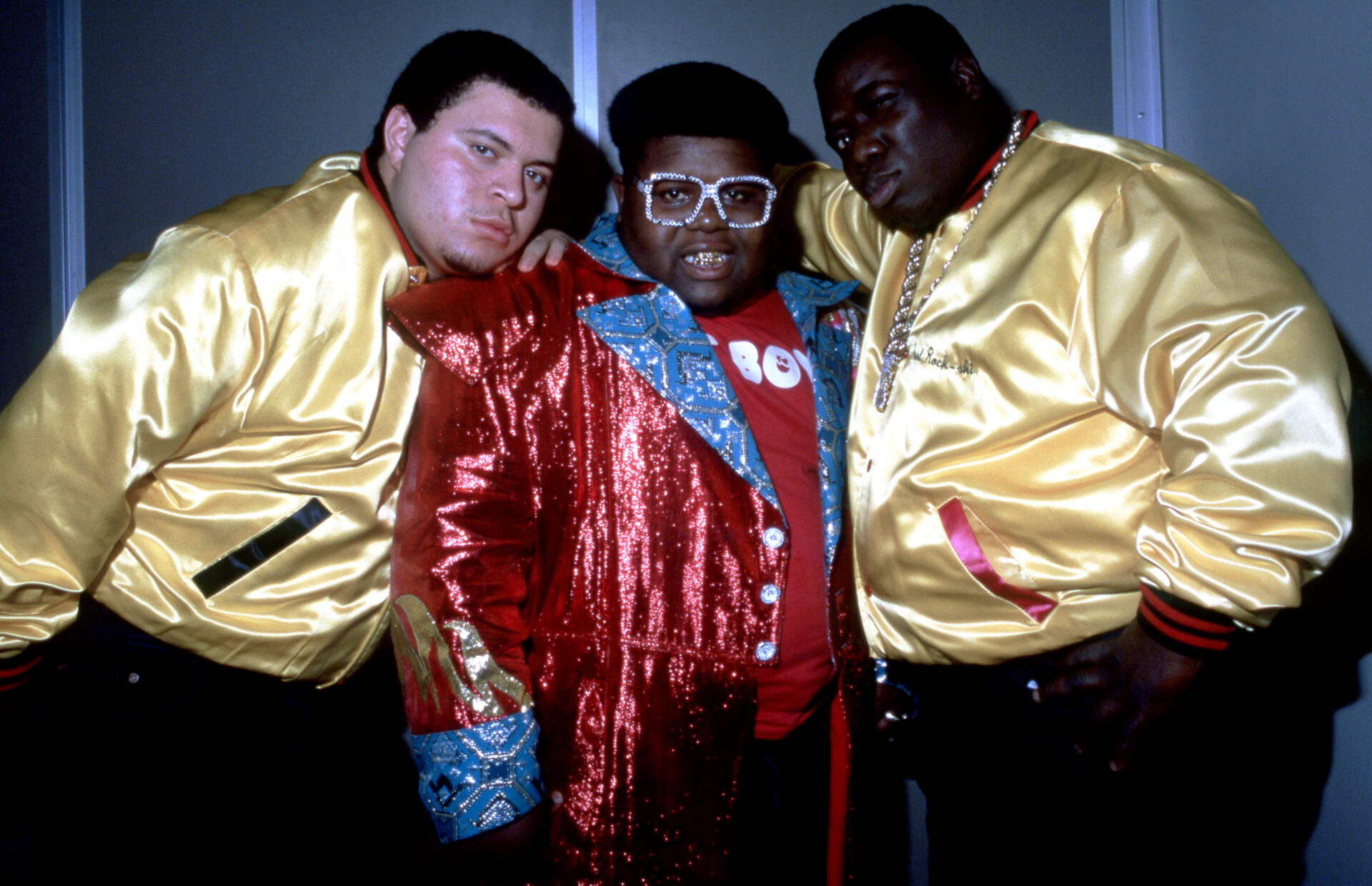
When I think about the most important Philly hip-hop artists, for me, it was Jazzy Jeff. It was going to Central High parties and DJs were the stars. Coming up in Philly, it wasn’t about who the MC was, it was DJ Jazzy Jeff, DJ Lightning Rich, DJ Spinbad, DJ Cosmic Kev — the DJs were the stars. MCs were like their hype men. When I saw Jeff perform in Central High in the gym when I was in 10th or ninth grade, my goal was like, “I’m going to be his MC.” Jeff was the first star to me. Master Vic also went to my school.
BT: It’s undeniable, Jeff is the common denominator of Philadelphia music, period. He’s the sole survivor who still very much maintains a presence and a relevance there. Jazzy Jeff is the Quincy Jones of Philadelphia hip-hop in many regards, in that he has ushered in generations of music, musicians, musicianship, vocalists and producers to come after him, so many graduating classes. People who were once his mentees have gone on to become mentors. He served as the model for how to age gracefully and respectfully and not compromise artistic integrity not only in hip-hop but just in music.
SG: So many people just know him from The Fresh Prince and they don’t understand. I was texting with Dre from Dre and Vidal. Dre just won a Grammy for “Folded,” which was the biggest song in R&B this year. Dre started with Jeff. Dre, Vidal, Carbon, Jill Scott, Musiq Soulchild, we can keep going. A lot of people just know Jeff from him and Will but there was so much before him and Will. He gave birth to me from a hip-hop perspective and my interest in hip-hop so much before him and Will and so much after.
BT: He also served as the model of making yourself a business. The model for building the business that is Shawn Gee, that is Questlove, that is Black Thought. Then the whole coming together like Voltron without any other parts being greater than the sum. How to tour consistently and successfully. He’s always been big on catering to your day ones, catering to your audience, your demo and keeping them in your pocket. That’s part of the philosophy that Rich (Nichols, The Roots’ late co-manager) adopted.
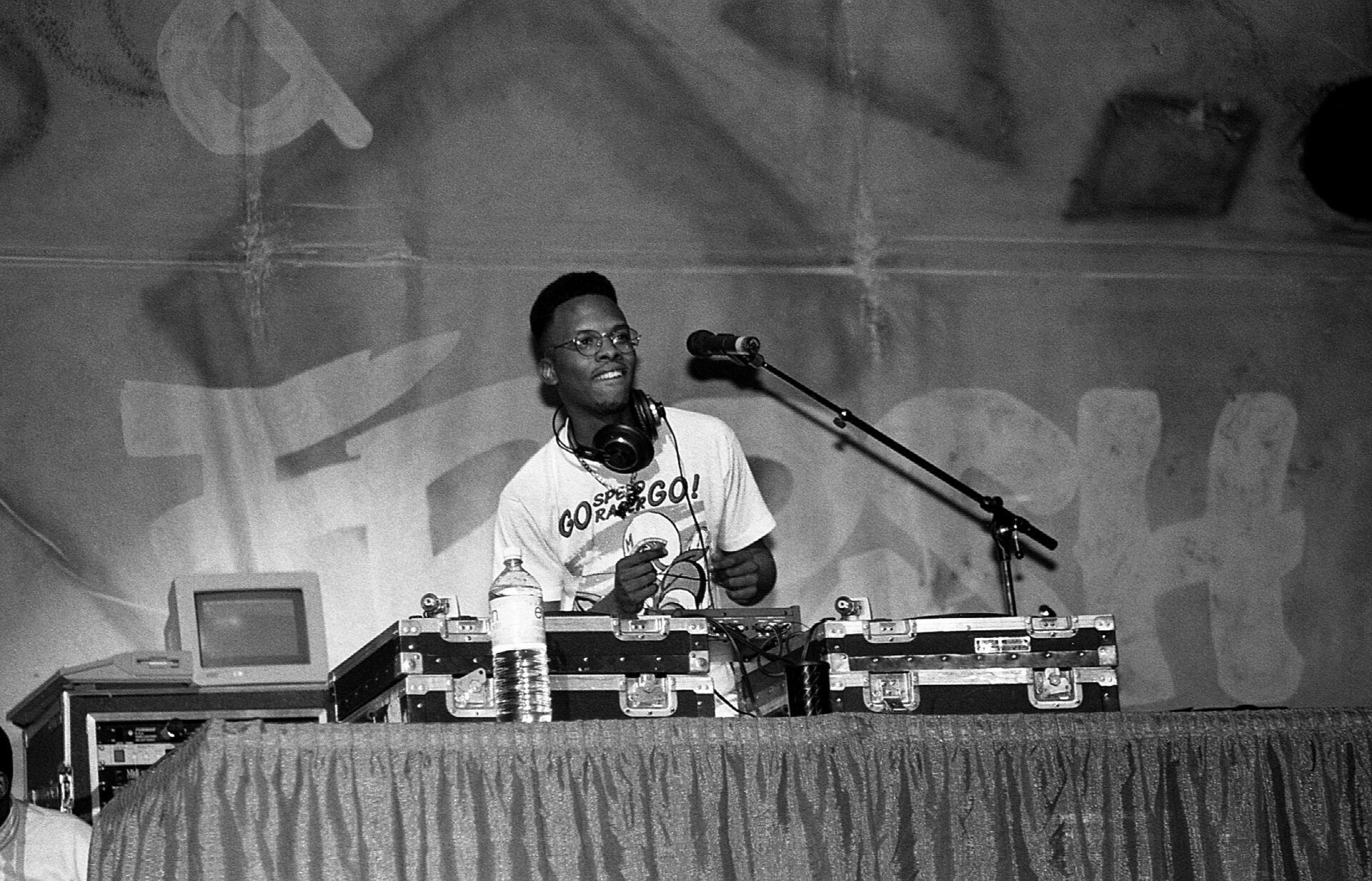
SG: Another thing I always respected about Jeff, I saw an interview the other day where he talked about seeing Will lose his freedom. They were in L.A. at a mall and they turned the corner and there were mobbing fans coming after Will Smith. He was like, “That day he lost his freedom.” One thing Jeff said, which I wholly respect, he said, “Look, I knew I didn’t want that. I want to go shop for my own groceries. I want to pick out my own sneakers.” Jeff figured out a way to maintain his identity and his lifestyle while building a career, building a business while influencing people. Another person I learned that from was Rich Nichols. Figuring out what was important in life.
Pollstar: What do you think are the most important or iconic venues?
SG: Growing up it wasn’t about the live performance. Philly was a club and bar city. It was like Bahama Bay, Gotham, Lou and Choo’s. I didn’t experience live music. My music experiences was more clubs and bars and less live performance venues in Philly.
BT: I would definitely agree in terms of what was available to serve our generation. But you think about the venues that we were a little too young to get into, like the After Midnights. Had it not been for grainy audio tapes that we heard of Big Daddy Kane or a young LL Cool J at 15 performing at After Midnight we may not have been as inspired as we were to take this up as a profession. I think you had the same conversation with LL. I talked to him about never knowing when or how something you’ve done is going to affect folks further down the line. And how that freestyle on that cassette from After Midnight for us was like the funk flex. It was before social media. It was a tape that went hand-to-hand, like raw dog. Something we heard as little kids that inspired me to rap. I was like, “Yo, dude, this is a kid.” You know what I’m saying? I think LL had the same effect on us that Stevie or Michael did when people were like, “Yo, this is a kid.”
SG: You’re 1,000% right. That freestyle was the tipping point that lit the fire. If Jazzy Jeff introduced me to music and live hip-hop from a DJing perspective, LL’s freestyle lit the fire in overall MC’ing and excitement. Wasn’t that freestyle like on the Power 9 at 9? Didn’t they play it on the radio?
BT: It took on a life of its own. I used to think it was a record. We knew all the words to the joint, “If the Mona Lisa’s name was Teresa.”
SG: “I’d get a pizza …” And not only every word, you knew every inhale. Every moment of that.
SG: So Moving into the early part of our careers, where was the venue downtown before I started working with y’all I used to come see y’all play? You go down the steps.
BT: The Trocadero?
SG: Not the Troc. Smaller. On Chestnut. I want to say Eighth or Ninth? What were some of the early venues that The Roots played?
BT: The Painted Bride Arts Center, 40th Street Underground, like this really tight little poetry thing we used to play that was beneath a cheesesteak place. The Trocadero, The Keswick. I always liked the Keswick in terms of being a nice theater in the Philadelphia area. It felt a little nicer than some of the other spaces.
SG: It was really The Roots who introduced me to more traditional live music venues. Prior to that, it was going to the Wynne to see DJ Cash Money. But it was really The Roots that introduced me to the smaller live performance venues in Philly.
BT: That was one of the ways in which the live instrumentation worked in our favor. We got to play the Academy of Music and all these other venues that other rap groups wouldn’t have been extended the invitation to perform at.
Pollstar: How did Philly cope with being somewhat in the shadow of NYC?
BT: We always felt, as Philadelphians, there was a bit of a shadow cast upon us by New York. But I’ll be damned, you can’t tell any Philadelphian that Philly is second. Even in New York City’s shadow, we always felt in many ways we were the first, right? We’ve always had the sharpest MCs, sharpest DJs, sharpest barbers. Arguably, this is where graffiti and tagging and all that began. Much of hip-hop’s heritage is traceable back to Philadelphia and hip-hop excellence, but it’s been overshadowed a little bit. We’ve had to work a little bit harder to prove ourselves. But you can’t tell somebody from Philly that. We consider ourselves sister cities, but not a second city.
SG: I get a little pissed when people say, “During this particular time, Philly had a thriving scene.” My entire life Philly had a thriving hip-hop scene. You might not have known it if you were living in Virginia, but living in Philadelphia during that time with MC Breeze and that era, Schoolly D on up to a major figure, State Property era, and the Meek Mill era, Reed Dollaz and the YouTube mixtape era, Hollowman and all of them, all the way up to Lil Uzi Vert. Philly always had a thriving hip-hop scene. It’s just you might not have known about it if you lived in Chicago. In Philadelphia, we always had artists. The challenge was which artists break through and make it to the national and global stage. We’re older now, but I’m sure there’s a 17-year-old in Philly right now that’s killing it. It’s always been thriving. From the very beginnings of hip-hop, from the ’80s through current day, it’s always been a thriving hip-hop scene in Philadelphia.
Pollstar: You mentioned radio and hearing LL’s tape on the radio. What radio stations and DJs did you hear back in the day?
BT: Lady B was on the radio we grew up listening to and the first female to rap on a record. She’s got a song we incorporated a version of into something we did on an earlier Roots album. Lady B, Mimi Brown, these were artists on the radio who were also part of the culture in a more hands-on way as actual MCs and DJs.
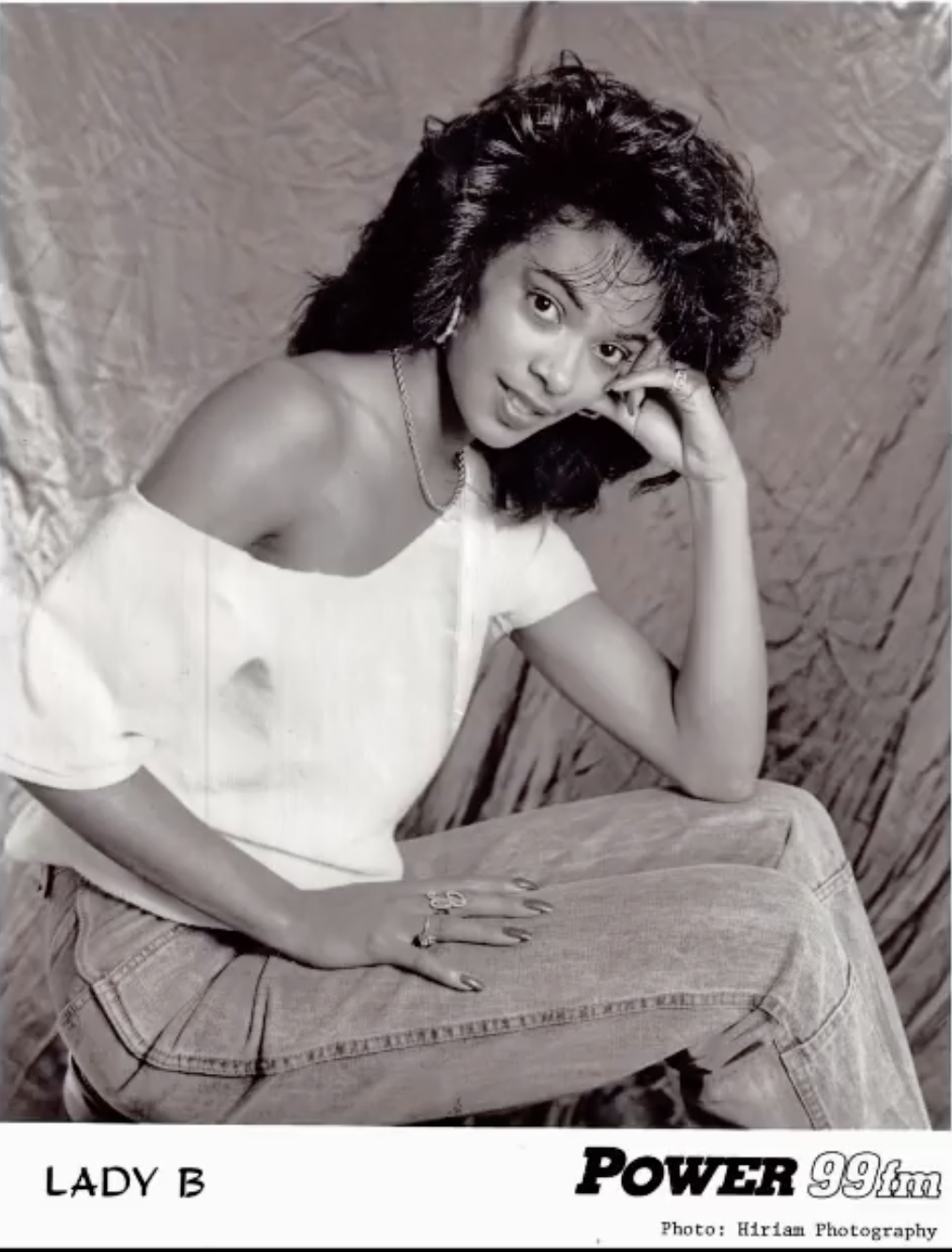
SG: Lady B and Mimi Brown were our conduits to the world. That is how Philadelphians connected with what was going on in the hip-hop space. We all huddled around the radio when the Lady B show was on Power 99 and on WHAT. We literally would record their shows. Mimi Brown was on WDAS. From a radio perspective, those two ladies were the pioneers and gave us a window into the world. After them, you know, I think would you say Cosmic Kev and Colb.
BT: Definitely. They were Lady B and Mimi Brown’s mentees and there was a passing of the baton. That era was Colb, Cosmic Kev, DC Todd, DJ Ran.
SG: That was sort of mainstream radio but then there was an underground college scene. WKDU, Drexel station, where AJ Sean and Cosmic Kev played a huge role in the foundation and success of The Roots.
BT: That was one of our first radio performances, of which many followed, at Drexel. We performed on Joe and Cab Show, a show with King Britt and Josh Wink.
SG: Today that lineage continues with Cosmic Kev’s come-up show. If you think about Meek Mill, he was already popping in Philly, but he got his national and global push by going up to the Cosmic Kev show to meet Rick Ross. When I book The Roots Picnic, a lot of times I go back and see who Kev is fucking with. I’m like, “Yo, what’s Cosmic Kev playing right now? Who’s on his come-up show? Who’s on his platform?”
BT: That’s how I came across Amir Ali. Tierra Whack sent me a link. She sends me links sometimes to Philly rappers like with no text, no contacts, just boom, just to see what I say. He was one I definitely responded to. He’s a rapper from West Philly. I brought him out two years ago at the Picnic on the live mixtape. He came out with Busta Rhymes. He’s someone I offer mentorship to. He put out a really good album last year called Welcome to High Street that’s the best Philly has had to offer in recent years.
Pollstar: What record stores would you congregate?
BT: Funk-O-Mart. Sound of Market. The first record I bought was “Planet Rock” by Afrika Bambaataa in the Soul Sonic Force. I bought that from a variety store in South Philly called Blair’s. But when I got into hip-hop a bit more and traveling around the city, I would hop the train at City Hall. Funk-o-Mart was the spot on Market Street. It was subterranean and located in the basement. It had everything you could want, man, in terms of records, technology, component sets, speakers, stuff for your car. They had all the rap tapes, albums, vinyl, DJ equipment. Sometimes we would just get a slice of pizza and go to Funk-o-Mart knowing we couldn’t afford to buy anything, but we would just post up and see what’s going on. We’d leave and go stand outside Armand’s or Sound of Market.
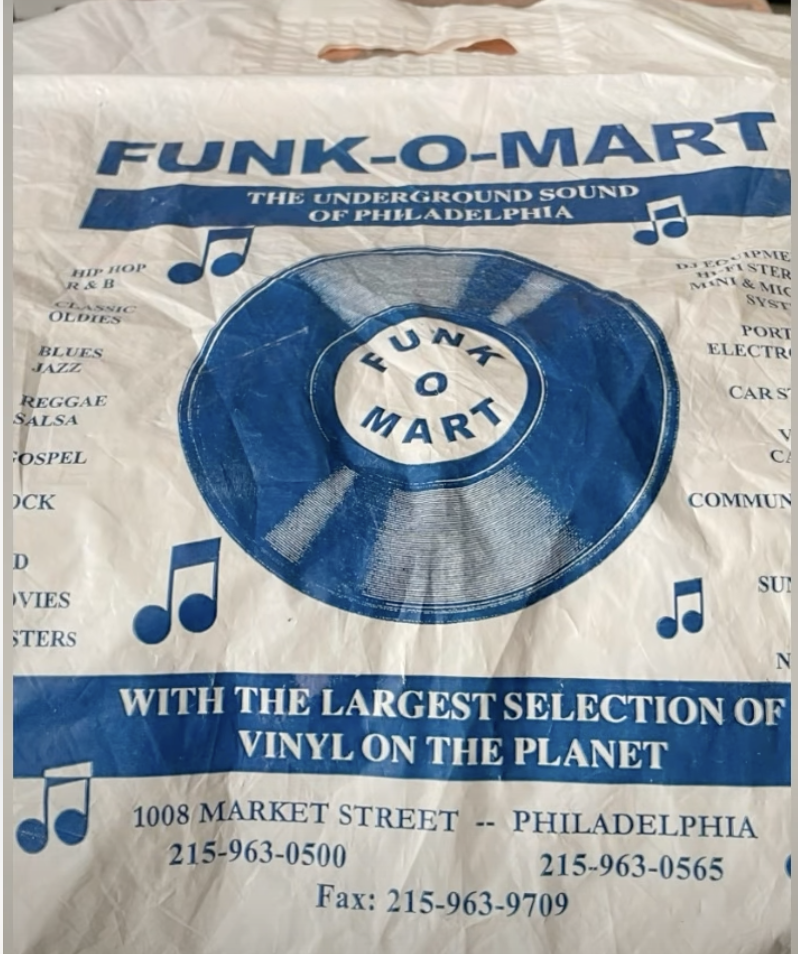
SG: For my 15th birthday, my mom bought me my turntables at Funk-o-Mart. Remember the turntables I had in my basement? And then I bought my first record, the Fat Boys 12-inch. It had “Fat Boys” on one side, and “Human Beatbox” on the other. I bought that from Sound of Germantown.
Pollstar: In terms of the pillars of hip-hop, graffiti, breakdancing, MCing, DJing, were you guys involved in those?
BT: Here’s the thing. I was born in 1973. Shawn was born in ’71. There was no point in time in which we got into hip-hop because hip-hop was created and evolved as a culture at the same time he and I did. In the earlier stages of the culture, there was no specialization. If you were a hip-hopper, you had to embrace all the pillars. When I was a kid, I tried to DJ, rap, breakdance, write graffiti, all the things. So did Shawn. What wound up sticking is what we excelled at the most. Shawn was a rap artist. He put out a record when he was like 15. Talk about inspiration and being able to reach out and touch a thing. My best friend, closest cousin made a record. From that point, there was no doubt. It’s like anybody could do this, you just have to be good. We came up during a time where you had to do it all. You were a dancer, a rapper, you did a little graffiti, you tried the DJ, did the human beatbox. If you were a hip-hopper, that was hip hop.
SG: Every element. There was no one that just said, “I am a this.” We were part of the entire culture, ingrained in the culture. You wore the fashion. I used to write graffiti, I just sucked at it. But Tariq was great at it. I bought turntables because that was what I was supposed to do. But you ended up moving toward whatever you were best at within your group of friends or crew, but you did everything.
Pollstar: What was your tag?
BT: I used to write Dealer or Deal. Riq. Nothing as deep as Black Thought. My first rap performance, I was in the fourth grade. It was a talent show at McDaniel Elementary School. Beanie Sigel was one of three rappers in my group. It was me, Beanie Sigel, and another rapper named Waliq. Beans was in the third grade. His older sister was in my class. He could rap. We had three rappers, two B-boys, two break dancers, two guys would do live aerosol art, we had Randy, who was the human beatbox and looked a lot like Buffy from the Fat Boys. That was my first performance. You had to embrace the culture in its entirety. It wouldn’t have been considered a hip-hop performance at the time had we not produced it as such.
Pollstar: Wait, Beanie Sigel?
BT: It’s so crazy because we were kids, I knew he could rap a bit, but we were kids. I never stopped rapping and I continued and formed The Roots and was rapping for decades by the time Beans came out as a rapper. When a mutual friend told me Beans had become an MC and was really good at it, I was like, “Beans from when we were kids?” Little did I know, it was a natural gift. And from that point, he took off and never looked back. When he does interviews, he always tells the same story about how that’s all we knew and did it all. We were the Crash Crew. And in order to be a crew, someone had to represent every element of the culture. Each pillar had to exist.
Pollstar: Is a great aspect of Philly that it encourages the arts for kids?
BT: Yeah. The blessing was that we went to school during a time when, from a budgetary perspective, funds were allotted for things like music, art classes, class trips and school counselors — everything that’s missing today. It was a blessing. We didn’t realize it wouldn’t last forever. When I was in elementary school, I took college art classes on the weekends at a community college and then at another college in the city. I was a little kid who got to see what it was like inside actual college-level art classes where I would go and do a thing on Saturdays. In the summertime, I would go to art camp in Fairmount Park. This was all state and city funded that no longer exists.
Pollstar: Shawn, you made a record when you were 15?
SG: Yeah, I was in high school. I was in 10th grade.
BT: So if you were 15, I was 13. The Roots, me and Ahmir (Questlove), got together the following year. I was 14 in ninth grade, that’s when we started The Roots. That was a shining example. That was like, “OK. This can be real because Shawnie, we referred to him as Shawnie, got a record out. I was like, “What? It was tight, boy. It’s like he got me.” You know what I’m saying?
SG: If you couldn’t tell, Tariq and I were always ultra-competitive as youngins, ultra-competitive. Like I lived it. I had a group of friends, my homie Carlos, Kenya, who lived around the corner from me in Mount Airy. We used to make tapes. We would perform at people’s birthday parties. We met a guy named Jim Hill. Jim grew up in West Philly, and he was friends with LG, Lawrence Goodman. He started Pop Art Records in Philly, which was a historic record company. LG was Jim’s mentor, and Jim was like, “I’m going to start my label.” He started a label called Pay Hill Music. Jim’s first artist was a guy named MC Breeze, famous for his record “Discombobulator Bubbleator.” Later, he changed his name to Joey Ellis and had a nice couple of pop hits. But MC Breeze saw us perform at one point. and we started going to the studio with him. He looked at the group and was like, “I like you,” talking about me and signed me to a record deal. I’m putting my air quotes up as a record deal because I haven’t received one royalty.
BT: But you got the props, though.
SG: There you go. But no, it was a good time. It was fun, I was living it. I was up all night in the studios across the city as a 10th grader coming back at whatever time of night. My mom would just be like, “Are you cool? You safe? You good? How’s your grades?” That was her thing. But she knew I was doing something productive. I wasn’t in the streets. I had a good time until, you know, and again, this is hip-hop before money. So there was no economic dream or economic idea or even a vision for it. I was living in the moment. And at a certain point, I had to go to college. I was also a basketball player. So I had to choose between focusing on music or basketball because I needed to get that scholarship. I leaned more toward sports and away from hip-hop. But it was a good time.
Pollstar: What was the name of your record and your artist name?
SG: “Controlling the Rock” was the name of the record. The record is listed under Shawn Gee.
BT: At 13, Shawn set that example. He adopted hip-hop as a profession and was the example of how to do what I do and am still doing. Because he was in 10th grade, it’s like I can do this and still be in school and still play basketball and do all these other things. But when I was 14, I met Questlove and then we started The Roots. And the examples were abundant from that point on because at 14, I got into the High School of the Arts. Not only did I have a cousin who had made a record, but there were people who were my classmates who were actively professional musicians like Joey DeFrancesco, Christian McBride. There was a guy named Jay Ones who went to our school who wasn’t a musician.
He was just one of the earliest versions of, I guess an influencer. He was down with the rappers in Philly, like with the Hilltop Hustlers and with Mimi Brown.
And then Boyz II Men formed, and they got a record deal. And Amelia Rule, so many people we went to high school with became professional musicians while they were still teenagers. There’s something to be said about the elimination of doubt. Talk about there being something in the water, but I had family members, classmates, people I could reach out and touch who were just as deserving and just as good as anyone who had gone on to be professional artists. From the time we started The Roots, we weren’t called The Roots then, but we never doubted that this was what we were going to do forever. I don’t know that I had a plan to fall back on. It was like all or nothing because I didn’t play basketball.
Pollstar: You’ve mentioned so many people in the Philly hip-hop ecosystem and we know this is a relationships business. Maybe Philly, in its hip-hop scene, was less rough and tumble and more a supportive ecosystem that allowed you to excel?
BT: Both can be true. It’s definitely rough and tumble and it’s always been very collective-oriented and very community-driven. So we band together. Philly has always been a city of people who come together to do for self, essentially. There was always a hip-hop scene in Philly, and an underground hip-hop scene, but in terms of creating bridges from that scene to the world stage, there were periods in Philly’s history where it was way more difficult than others. The Roots came up during one of those times where we had to band together and create a safe space for groups that looked and sounded like us. The live instrumentation of it all.
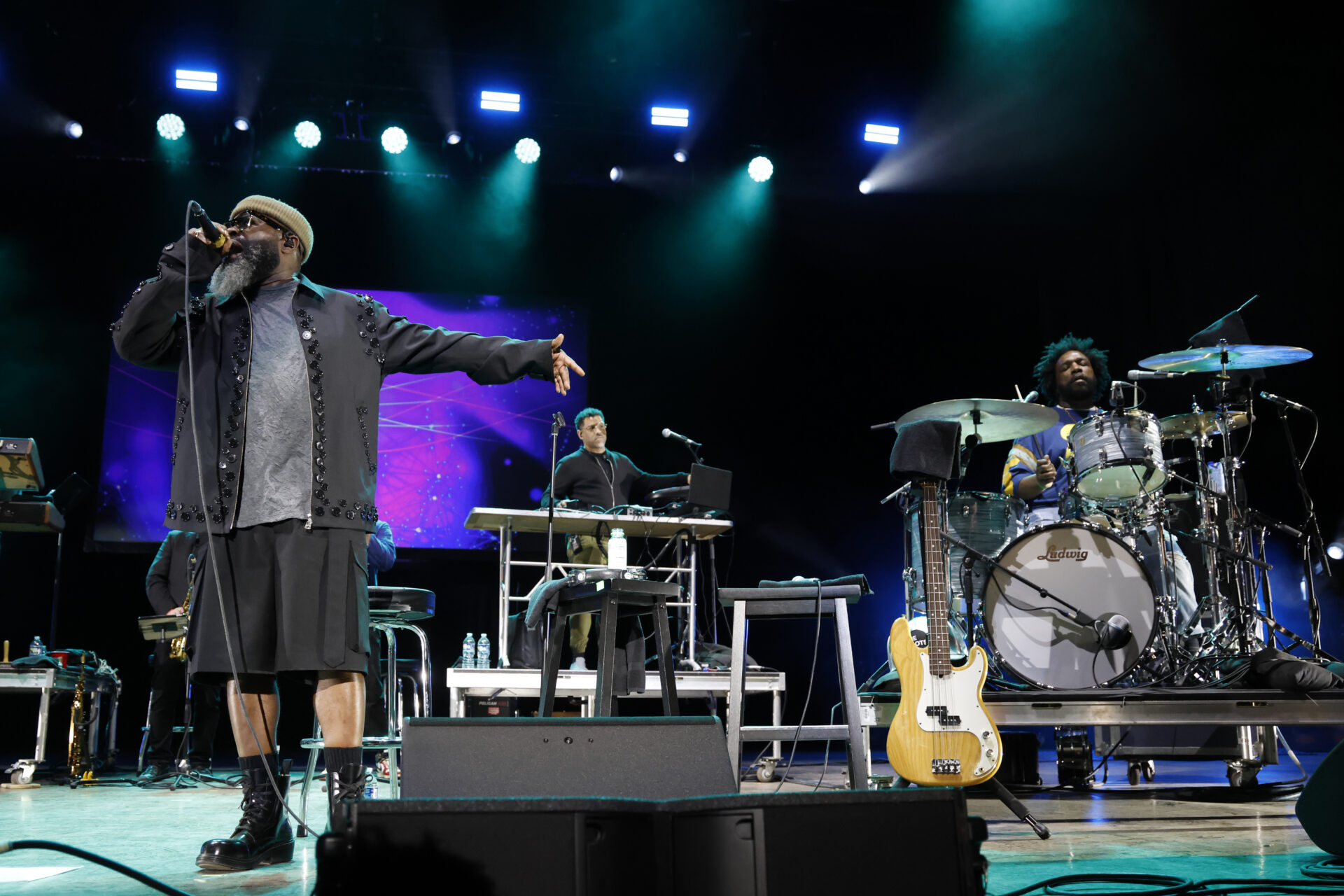
SG: I wholeheartedly agree with Tariq. There is a roughness in Philly. And I think it is that roughness that creates us, right? It shapes us.
BT: It’s our superpower.
SG: Absolutely. For those artists that do make it outside of Philly, you have the ability to have a level of success in the rest of the country and the rest of the world pay attention to. I happen to manage two of those artists that have done so and I’ve managed them or co-managed them for over two decades. Philadelphia is always at the forefront. For Jill Scott, when we started rolling out this new project, the first thing she said to me is, “This record is for Philly. We got to go back to the crib.” So no matter what level of success for The Roots, every year, a really major part of our year, every single year, is The Roots Picnic and curating and handpicking and the endless text messages between myself, Tariq and Ahmir on what artists because we want to give back to our city. Another thing that’s endearing about Philadelphia is even those that do have the ability to have a level of success and break through, throughout our career and throughout our lives, Philadelphia stays at the forefront of everything we do.
BT: Absolutely. Had Philadelphia legendary jazz bassist Jamaaladeen Tacuma not put us on to our first European gig back in the day in the early ’90s, we may have never even recorded our first album. We recorded our record Organix (1993) so we would have merch to sell at this gig. And we got this gig because there was an OG at that point in Philly who knew one of the members of The Roots’ family and knew we were an up-and-coming band and that this jazz festival in Germany would give us a good look. He hooked it up. So these guys came and we auditioned for them in a Germantown living room for like three people. It’s funny that we were in the Germantown section of Philly auditioning for our first German festival. That was because Jamaaladeen put us on. At that point, he was the face of that festival. He didn’t reach back and say, “I know these young boys in Philly who’ve never done anything, who’ve never been out of the city, hire them for their first gig.” It was our first big paying thing, the first time we left the country and all that. That’s always been one of the fundamental things in Philly. You have to earn it. You have to deserve it. Philly looks out for Philly for sure, but it’s not always just on the strength of Philly looks out for Philly regardless. Philadelphians are going to put the strongest and the best representation of the city and what we have to offer, that’s who we’re going to rally behind.
SG: Regarding The Roots Picnic, that’s part of our DNA. If you go back and look at our flyers over the last 17 years, we always make sure we curate for artists in Philadelphia. And honestly, it’s extended beyond artists. I hear countless stories of people, not just in music, but in food, fashion. We have a cadre of Philadelphia vendors that say, “The first time I ever did an outdoor event was at The Roots Picnic.” For us, this is something that’s important. It hasn’t always been a financial success. There’s been years that we lost money. At the end of the day, it’s bigger than the economics. It’s about the platform we provide for the next Black Thoughts of the world, giving them the opportunity. Even if they don’t get to touch the stage, they get to see the stage. When they walk into Fairmount Park, a place they drive through every day, on this particular weekend it’s been transformed into this huge global music event. It’s inspiring. And that’s our goal here. That’s our love letter to Philadelphia every single year.
FREE
 Daily Pulse
Subscribe
Daily Pulse
Subscribe
 Daily Pulse
Subscribe
Daily Pulse
Subscribe