
Pollstar’s 2026 Black History Month Executive Survey
The enduring impact Black artists have on music as an art form can’t be overstated, pushing forward all genres – and many times creating new ones – from folk to hip-hop to house. As part of Pollstar’s celebration of Black History Month we reached out to several executives who help bring music to life, with the aim of learning more about the state of the industry from their perspectives including their biggest accomplishments, challenges, takes on DEI and more.
Read All of Pollstar’s 2026 Black History Month Content Here
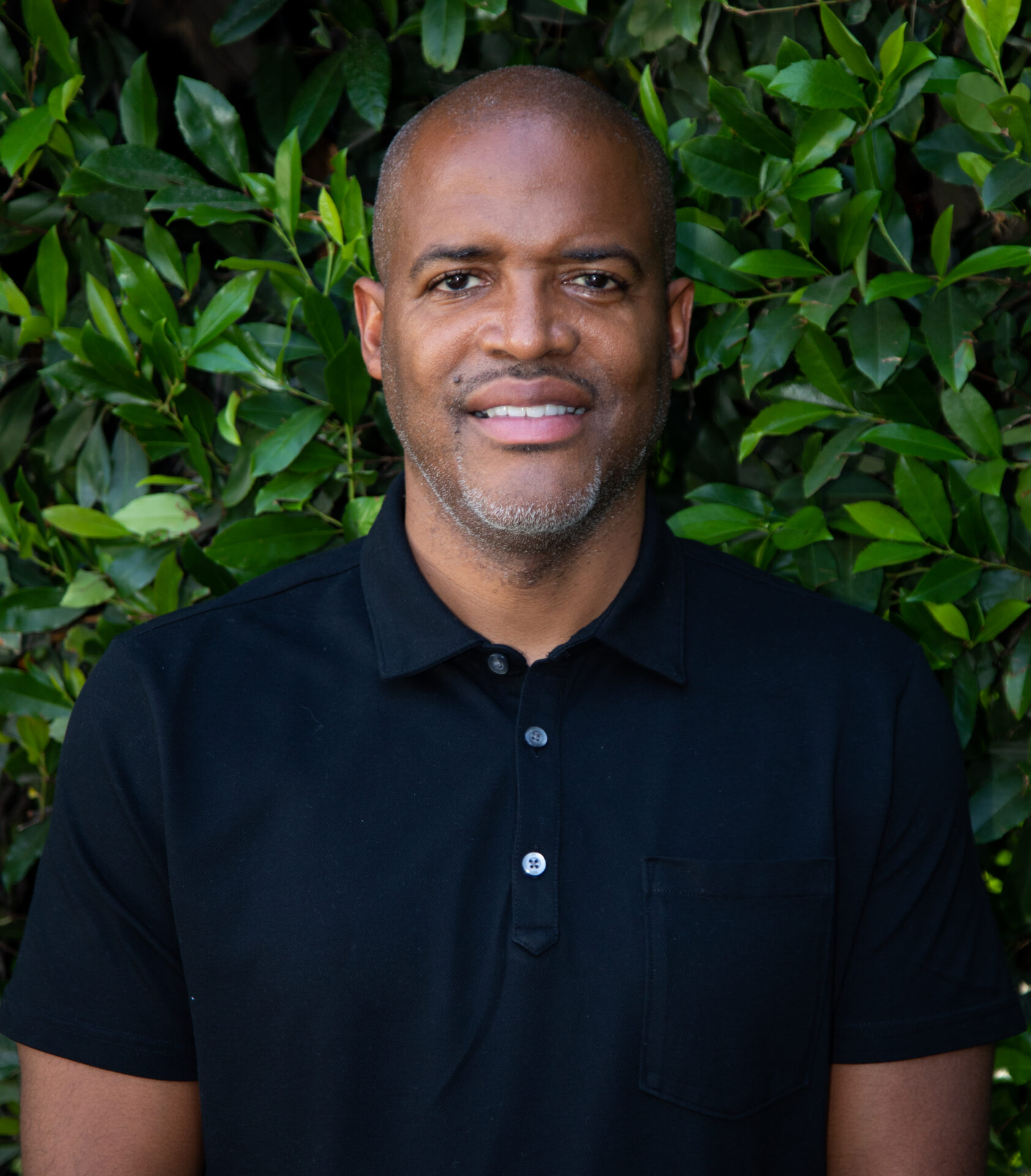
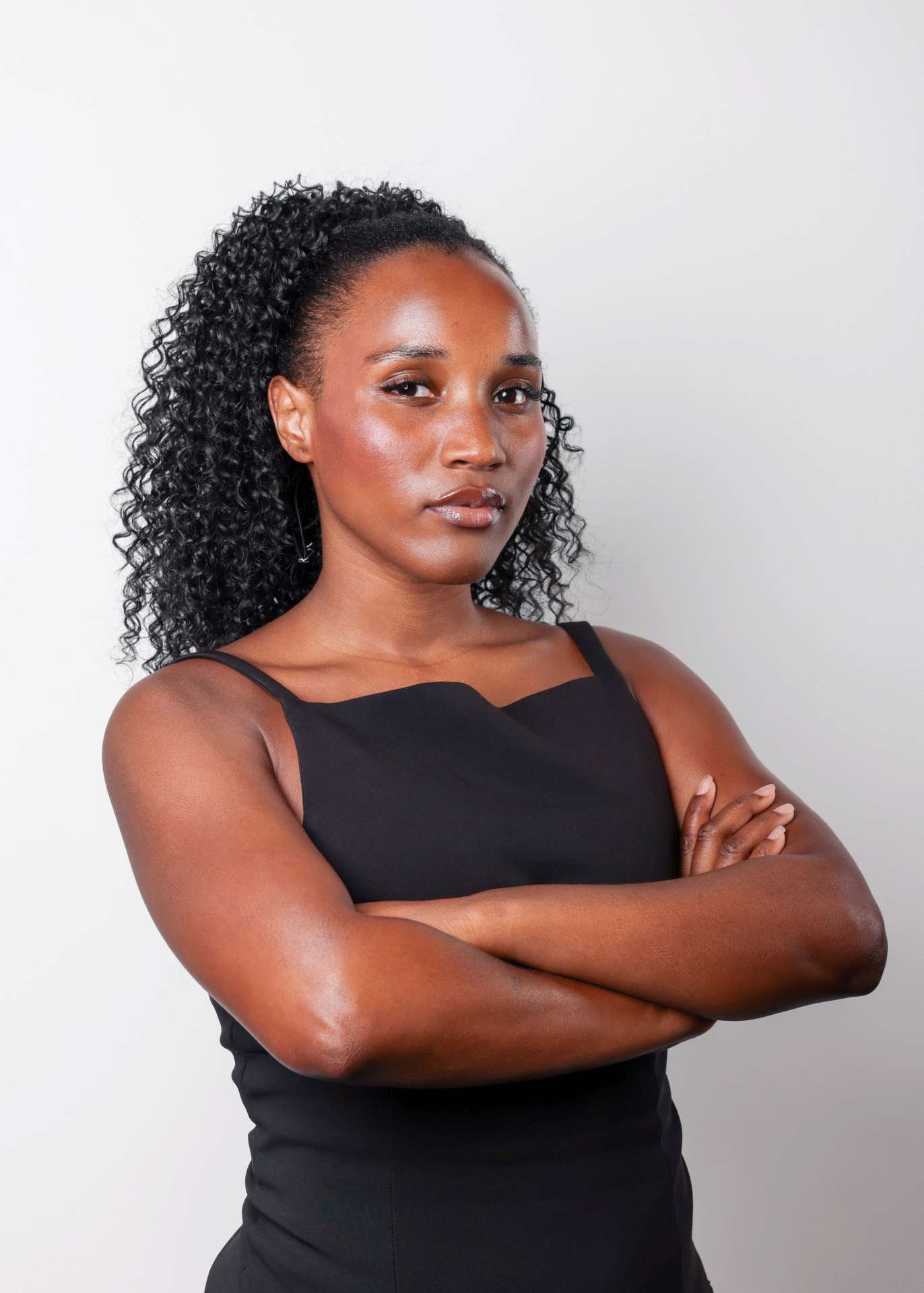
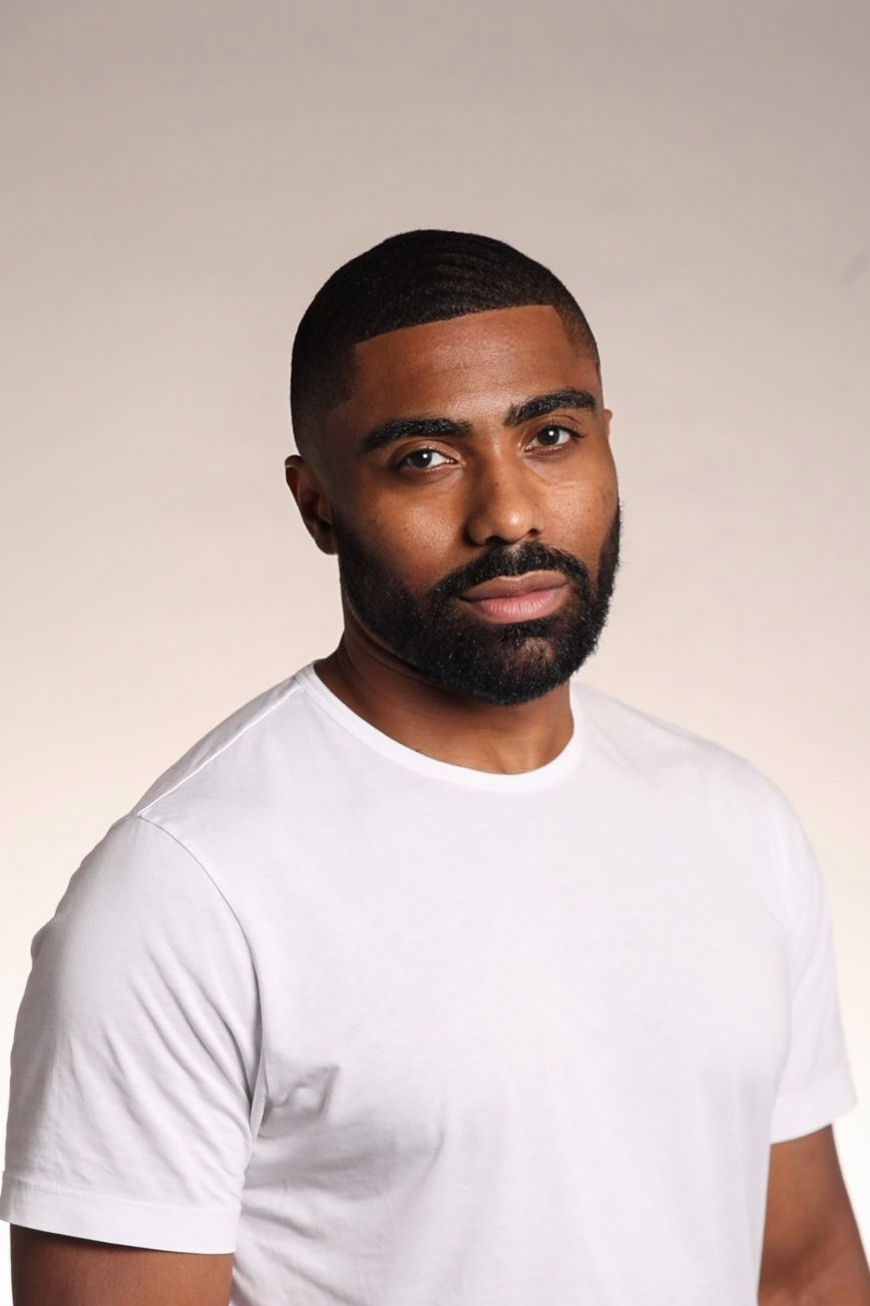
ENTERTAINMENT EXECS
Akin Aliu
CAA
Shawn Gee
Live Nation Urban
Gary Guidry
Black Promoters Collective
Jazmyn Griffin
Wasserman Music
Chris Jordan
UTA
What were your biggest professional accomplishments in the last year?
Akin Aliu: Freddie Gibbs in 2-5k cap rooms. Biggest tour to date and fastest sellout.
Tommy Richman headlining a sold-out tour in 1,000-cap. rooms. Laila! debut headline tour, Jorja Smith’s North American headline run, and raised $40,000 for LIFT LA.
Shawn Gee: Launching the LNU Creator Network was a huge undertaking and it will be a transformative addition to our business model and portfolio. Additionally, the formation of our investment fund, Black Lily Capital, gave us the opportunity to invest in young entrepreneurs and emerging companies such as Black on the Block, Cxmmunity, and Break’r. I’m also excited about our partnership with Robert Smith, Keith Shoates, and the SFI team to build HBCU Awarefest—a fundraising initiative focused on addressing the significant student debt challenges facing HBCU students.
Jazmyn Griffin: One of my biggest accomplishments this past year was moving over to Wasserman from C3/Live Nation. I left my comfort zone and the mentors that had previously shaped my whole career, but they made me into the agent I am today and will always have a special place in my heart. I dove headfirst into my new role and now represent our roster for a portfolio of 60-plus major music festivals. Change can be scary at first, but it’s necessary for growth.
Gary Guidry: This past year, my biggest accomplishment was continuing to scale Black Promoters Collective beyond individual tours into a true, sustainable live entertainment platform. We expanded and strengthened flagship events like Jazz in the Gardens and Hampton Jazz & Music Festival, while continuing to deliver national tours such as The Millennium Tour at a high level. At the same time, we’ve been intentional about investing in infrastructure, data, and partnerships that position us for long-term growth, not just short-term wins. The focus has been on building something that lasts.
Chris Jordan: A standout moment this year was guiding Jordan Ward from the development phase to headlining his first nationwide tour. It was a milestone that validated years of intentional brand-building and a shared trust in his creative vision. Additionally, I’m proud to have played a key role on the signing teams that brought powerhouse artists like Summer Walker and Key Glock to UTA—onboarding talent of that caliber is a testament to the strength and momentum of our department.
How did you get your start in the industry?
Aliu: My first internship was for a Clear Channel Station in Seattle, Washington – KUBE 93.3. That opportunity led to my next internship at BET Networks which finally led me to an internship at CAA.
Gee: Richard Nichols, Ahmir “Questlove” Thompson and Tariq “Black Thought” Trotter of The Roots pulled me off Wall Street to help them build a business model for an emerging band from Philadelphia. 27 years later, I’m still managing the Roots and we are growing and constantly tweaking that model.
Griffin: Did a series of music internships and gigs in college before going to C3. Although I was a marketing intern, I had an interest in booking after meeting the talent buying team. They let me side quest from my internship to research local bands to open at Stubb’s and Scoot Inn, where I eventually promoted my first show for my event planning class. I was the first person they reached out to when the position opened on Amy Corbin’s desk, where I grew from Executive Assistant to Talent Buyer to Regional Line of Business Leader and more. All of those roles gave me the skills and relationships to transition to Wass, where I’ve been focused on strengthening our presence in Hip-Hop, R&B, and Afro festivals across the U.S., Canada, and the Caribbean.
Guidry: I got my start by combining my background in accounting with a lifelong passion for music and live events. Early on, I was deeply involved at the grassroots level, producing events, building street teams, and learning how to connect directly with communities. That foundation taught me how important authenticity, trust, and audience connection are in this business, lessons that still guide how I approach touring and festivals today.
Jordan: I began my journey in 2011 in Music Central at WME, quickly landing my first desk and receiving a masterclass in the fundamentals of the agency world. Working for then-Head of Music, Marc Geiger, was a formative period; it instilled in me the discipline, consistency, and “ground-up” work ethic required to succeed. In 2015, I brought that foundation to UTA, where I’ve continued to grow my practice over the last decade.
In the last year, what have been the biggest challenges for you and your business, and how has your company adapted?
Aliu: Certain genres are waning in popularity with buyers. I’ve always worked with artists across different genres, but the current trend has given me the opportunity to lean into other sounds and musical interests.
Griffin: Competition for prime billing and slots at festivals continues to intensify. Every artist wants the strongest possible positioning on the poster and in the run of show. To advocate for that, we’re exploring data-driven tools and new software to better quantify momentum and market demand, which allows us to support our artists and demonstrate their value more clearly.
Guidry: The biggest challenge has been operating in an environment where costs continue to rise while audiences are more selective about how they spend. To adapt, we’ve had to be smarter and more disciplined, leveraging AI, strengthening strategic partnerships, and making tough operational decisions without compromising the fan experience. The reality is the industry is changing, and promoters who don’t evolve with it will get left behind. We’ve leaned into that evolution.
Jordan: The primary challenge has been navigating an economic climate marked by inflation and rising production costs. Our focus is the delicate balance of maximizing artist revenue while ensuring live experiences remain accessible to the fans. At UTA, we’ve met this by moving away from ‘one-size-fits-all’ tours, instead utilizing data-driven pricing and bespoke touring models that prioritize long-term career sustainability over short-term gains.
DEI has been a hot topic in recent years. What are some ways your company has continued to support DEI, and which areas of the live business do you think could benefit from more diversity?
Aliu: All areas of the live business would benefit from more diversity.
Gee: The goal of my partnership with Live Nation was simple: to create real opportunities for Black entrepreneurs, executives, artists, and communities in the live music space. This wasn’t driven by a DEI initiative or any formal program—it came from a shared belief that there were real business opportunities being overlooked, from talented people without clear on-ramps into the business to strong ideas that just needed the right space to grow. After several years and hundreds of millions of dollars generated, Live Nation Urban has shown that investing in diverse ideas and diverse people is simply good business. While I’ve seen some progress in diversity and representation, both within Live Nation and across the competitive landscape of the industry, I know this work takes time. The issues and challenges that have existed for generations, won’t get repaired in a few years. However, by being intentional now, we’re helping create better opportunities for the next generation of executives and entrepreneurs.
Griffin: Competition for prime billing and slots at festivals continues to intensify. Every artist wants the strongest possible positioning on the poster and in the run of show. To advocate for that, we’re exploring data-driven tools and new software to better quantify momentum and market demand, which allows us to support our artists and demonstrate their value more clearly.
Guidry: For us, DEI isn’t just a corporate initiative; it’s the foundation of our business model. Black Promoters Collective was built to create ownership, leadership, and economic opportunity in spaces where it hasn’t always existed. We support DEI through representation at the executive level, the artists we work with, and the partners we choose. I still believe live entertainment needs more diversity in ownership, senior leadership, and decision-making roles. True inclusion happens when diverse voices have real power, not just visibility.
Jordan: UTA’s commitment to DEI is rooted in the belief that diverse perspectives are the engine of original storytelling. We actively foster this through our Employee Inclusion Groups and by investing in recruitment pipelines like the Entertainment Industry College Outreach Program (EICOP). Our partnership with the Black Music Action Coalition (BMAC) is particularly vital in driving industry-wide accountability. However, the live business still has a climb ahead of us. We need to see more diversity not just in entry-level roles, but within executive leadership and the touring infrastructure—from production crews to the vendors who hold decision-making power.
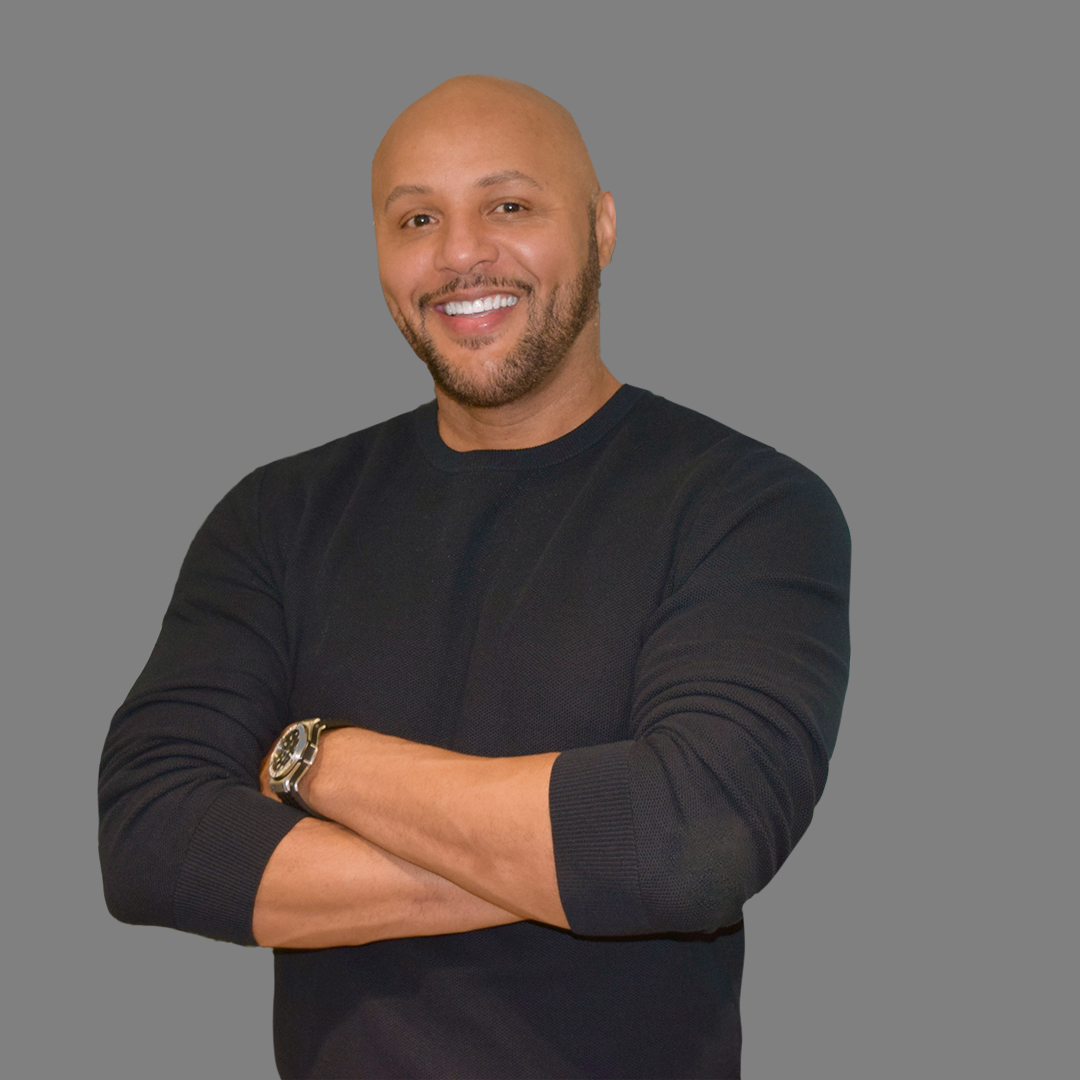
Who is one of your mentors, and what’s the biggest lesson you’ve learned from them?
Aliu: I have a handful of mentors. The biggest lessons I’ve learned from them are personal, but they apply to business – mindset, personal development, values, etc.
Gee: Al Haymon taught me the importance of being intentional with my purpose—dreaming big while staying focused on the details. When we first met, I was managing my then-client Lil Wayne and negotiating his first arena tour following Tha Carter III, with Al serving as the Live Nation promoter on the other side of the table. I shared my vision with Al countless times, and he guided and advised me—sometimes with tough love—cussing me out when I was wrong and pushing me to be better. In the end, those conversations and dreams ultimately became Live Nation Urban.
Griffin: Kevin Shivers has been a mentor to me since my very first music industry job. His passion for uplifting young industry folks is truly inspiring. Despite how busy he is, he always calls back and gives back. That’s the biggest lesson I’ve learned from him – no matter how stacked your schedule is you always need to make time for your people and community.
Guidry: Arthur Primas, Tyler Perry’s promoter, was one of my most impactful mentors. He taught me the value of grassroots marketing and authentic community engagement, building relationships with churches, barbershops, beauty salons, and local street teams. The biggest lesson I learned from him is that if you respect the audience and serve the community first, the business will follow.
Jordan: I’m incredibly fortunate to work under David Zedeck and Sam Kirby Yoh. Their collective experience is unparalleled; there isn’t a scenario in this business they haven’t navigated with poise. The most enduring lesson I’ve learned—from them and others—is that intentionality is everything. Every email, every meeting, and every interaction carries weight. In a high-stakes environment, being the most prepared person in the room is your greatest asset.
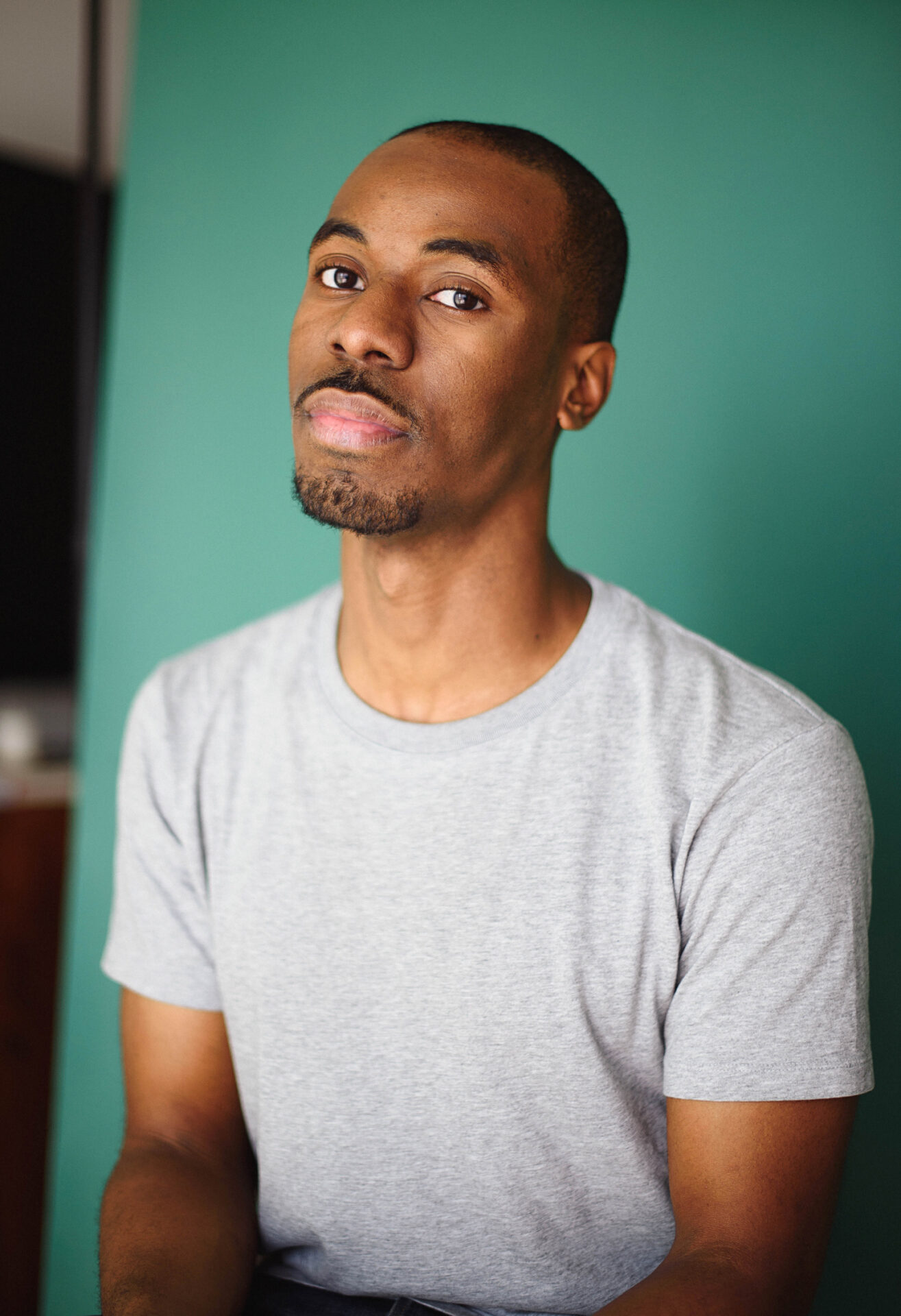
What advice do you have for people entering the business?
Aliu: Music is a BUSINESS. Learn your role’s value add and the economics of your business but also how your role fits into the larger picture of an artist’s career. Also don’t be afraid to admit when you don’t know something and ask for help.
Gee: Don’t stop……don’t ever stop. If this is your passion and this is what you want to do, put your head down and do the work, create relationships, have a vision for yourself, set goals for yourself, do the work, and don’t stop!
Griffin: Think of your first roles in the industry as an extension of undergrad. You have your major, but you also have electives that can expand your view. Talk to people both inside and outside of your department and ask questions. Ask the production manager how they rig gear, ask the ticketing manager how the backend of the website works, ask the marketing manager how they determine an audience from sets of data and ask the label A&R how they know who’s up next. The moment you stop being curious is the moment you stop growing.
Guidry: Be patient, be humble, and be willing to learn every part of the business. There are no shortcuts. Build real relationships, understand the community you’re serving, and focus on long-term credibility over short-term wins. If you consistently deliver value and operate with integrity, opportunities will follow.
Jordan: Be a sponge. Approach even the smallest task as a learning opportunity because how you handle the ‘minor’ details is a direct signal of how you’ll handle a major deal. Read every trade, stay relentlessly curious, and remain humble. The reputation you build for yourself in the first few years becomes the foundation for your entire career.”
What was your favorite concert or live event in the last year?
Aliu: Brandy & Monica “Boy is Mine Tour” or A$AP Rocky and Playboi Carti at Rolling Loud LA.
Gee: Roots Picnic LA at The Hollywood Bowl.
Griffin: Tyler, the Creator was epic on the “Chromakopia Tour.” Everything from the sound, to the production, to the styling and even the throwbacks to my favorite album of his, IGOR – it was unforgettable.
Guidry: While there were many great moments, seeing the continued growth and cultural impact of Jazz in the Gardens Festival in Miami Gardens, FL stands out. It represents where live entertainment is headed: premium experiences rooted in culture, community, and connection. That’s the future I’m excited to keep building toward.
Jordan: Seeing DJ Khaled at Atlantis in the Bahamas was an unforgettable experience. Beyond the incredible production and energy of the setting, it was powerful to see how seamlessly he integrates his family into his world. Seeing that personal authenticity translate into a high-energy live performance was a great reminder of why we do what we do.
FREE
 Daily Pulse
Subscribe
Daily Pulse
Subscribe
 Daily Pulse
Subscribe
Daily Pulse
Subscribe