
Magna Charta: Clubs, Theatres, Amphitheaters! Small Venues Look To Pay It Back
German venues dominated in the theatre/amphitheatre and clubs sector in 2025, suggesting an incredibly healthy market at the small and mid-tier levels in the country that outperforms the rest of Europe.
Berlin’s 22,000-capacity Waldbühne (309k ticket sales and a gross of $32 million) and the 17,000-capacity Parkbühne Wuhlheide (64k ticket sales and a gross of $4.6 million) outperformed at the amphitheatre level, with the 4,000-capacity Palladium in Cologne (a gross of $4.5 million) marginally behind the 800-capacity Simm City in Vienna, Austria (a gross of $4.6 million).
While the numbers across the board were strong here, venues at this level face a number of challenges and obstacles.
Kurt Overbergh is artistic director at the 2,000-cap Ancienne Belgique in Brussels, Belgium (18,000 ticket sales and a gross of $764,000). He cited a 23% drop in bar takings at the venue, having a significant impact on its total income, meaning they are now looking at ways of boosting non-alcoholic drink sales. He adds that ticket sales tend to be slow, often only seeing a spike in the weeks before a show. “This makes it harder to take risks since you’re not sure if, in the end, the money-makers will effectively sell out.”
He adds that a cut in government subsidies, as the country’s conservative government reduces its cultural spending, will be a rolling concern.
With a booking track record that sees 43% of acts booked being domestic, he says developing a talent pipeline is critical. They have hired a talent developer and are opening a new 55-cap. venue for new acts. “Every month we welcome an artist in residence for one week which ends with a public showcase,” he says. “So from being a talent buyer we also became an artist developer.”
James Ainscough, CE of the 5,272-capacity Royal Albert Hall in London, UK says rising costs remain a constant worry, but adds that mega-tours are having the unintended consequence of hitting venues at this level. “There’s no doubt that the focus on huge stadium tours in the media sucked up a lot of oxygen and had an impact on smaller venues,” he says.
Like Ancienne Belgique, the Albert Hall feels a duty to invest in grassroots, voluntarily donating £1 ($1.37) from every ticket sold to the LIVE Trust, which helps small venues at risk in the UK. “It is up to venues like the Hall to actively support the ecosystem that benefits us all,” he says.
That effort is part of a wider £300 million ($412 million) estate plan that includes transforming its multipurpose, 200-capacity Elgar Room into a “state-of-the-art performance space, with its own designated entrance, lift, bathrooms and dressing room, and it will be acoustically separated for the first time,” he explains.
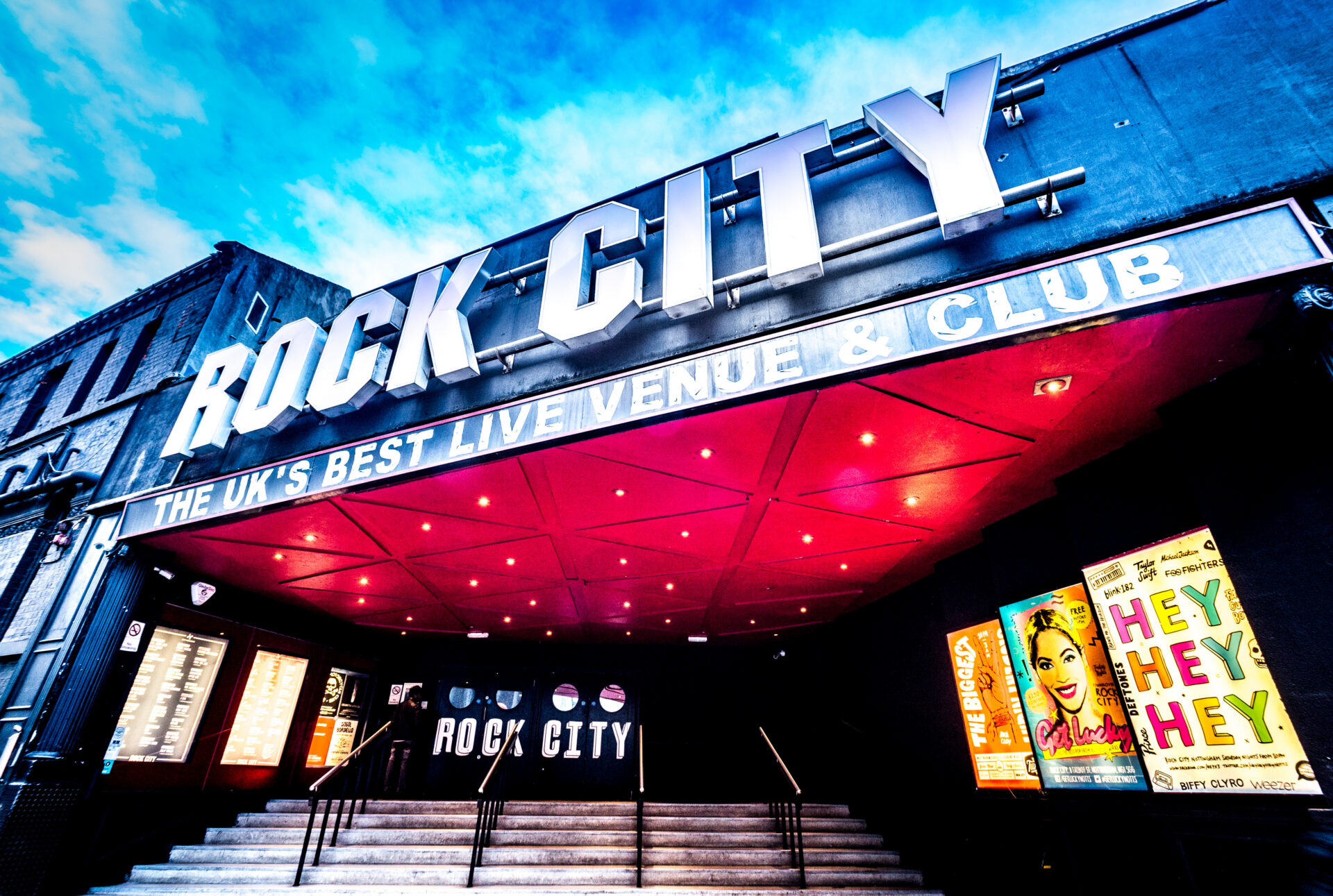
The 2,000-capacity Rock City in Nottingham, UK is a long-standing venue, but one of many seeing a shrinking touring circuit where acts might go instead to bigger cities like Manchester and Birmingham less than an hour away. George Akins, MD of venue owner DHP Family, says rising ticket prices are a cross-industry concern, but this can really affect sales at this level. “A hot ticket is still very hot but the not-so- hot ticket can be a bit hit and miss,” he says, calling Rock City a bastion of the independent circuit. He remains sanguine. “2025 was solid, a couple of ups and downs, but as a whole it was pretty good.”
FREE
 Daily Pulse
Subscribe
Daily Pulse
Subscribe
 Daily Pulse
Subscribe
Daily Pulse
Subscribe