
The Ties That Bond & Fray: Assessing The Transatlantic Live Biz Relationship Just In Time For 2026 ILMC
In these changing political times, when the policy of the U.S. President includes taking over Greenland and putting a strain on relations with Denmark, capriciously raising or lowering tariffs on European countries and impeding free trade, leaving or under-funding international trade organizations and security agreements and restricting artistic expression, it is worth exploring the state of the transatlantic relationship from a live business angle—especially as we approach the U.K.-based 2026 International Live Music Conference (ILMC).
The transatlantic economic and political partnership between the U.S. and Europe dates to post-World War II and has been at the bedrock of a Western alliance dating back 80 years. It helped enshrine power, stability and economic prosperity. That relationship also provided a foundation for the modern touring business, as every legendary artist jumped the Atlantic in both directions helping to build each other’s live markets. Witness Frank Barselona’s Premiere Talent Agency which began in the 1960s and whose rock-heavy roster included major UK acts, including The Who, Led Zeppelin, The Yardbirds, Jethro Tull, Peter Frampton, Humble Pie, Herman’s Hermits, Black Sabbath, Yes, Eurythmics, U2, Jeff Beck, Sex Pistols, Clash, Emerson, Lake & Palmer, Foghat, Traffic and Fleetwood Mac among others. And many U.S. acts went the other way, from Jimi Hendrix, the Walker Brothers and James Taylor to The Ramones, Pretenders, Kings of Leon, The Killers, The Strokes and Lana Del Rey among so many others.
Now, the international order finds itself facing a very different landscape with the dust yet to settle.
When the last U.S. tariff for EU exports was set in July 2025, the EU Commission described the partnership between both continents as a “key artery of global trade.” Raising tariffs by the suggested 25% would increase prices by at least by 10%. Since then, European exports to the U.S. dropped sharply in late 2025 and early 2026, according to a European Union report. After a surge in the early part of 2025, “the EU trade surplus shrank from €81 billion to €41 billion,” the report said. The tariff rates keep fluctuating while, according to a recent Reuters news report, foreign travel to the U.S. dropped 6% in 2025.
Amid these tensions, some EU businesses are shifting trade to other regions. Often, where business relationships thrive, culture and tourism follow. In the live business over the last decade, we’ve seen infrastructure improvements and increased touring in Eastern Europe, India, Asia, the Middle East and South America. In this political environment, that will continue. There’ve been many political threats to international touring across decades: from economic calamities; domestic and international terrorism; changing political regimes and their restrictions on culture; wars; bureaucracy, which includes Brexit and all issues concerning visas; and lockdowns (the only thing that really managed to halt everything).
Throughout all of this, the exchange of goods and brain power between the US and Europe/UK continued, sometimes making the Atlantic Ocean look like a puddle instead of a chasm. Live Nation chairman and CEO Michael Rapino made his bones in Europe where he helped expand then-Clear Channel’s live business. It goes the other way, too: Among the top music execs hailing from the other side of the Atlantic are WME music head Lucy Dickins, UTA co-head Samantha Kirby Yoh as well as UMG’s Lucian Grainge, Sony Music’s Rob Stringer, Atlantic’s Elliot Grainge as well as Spotify’s Daniel Ek.
As of this writing, U.S. policies hadn’t caused an exodus of professionals, and maybe that’s the reason neither the major agencies nor promoters responded to Pollstar‘s requests for comment: it’s a non-story and its political. Or, maybe people prefer not to speak in times when U.S. border agents have denied individuals entry for criticizing the current political regime. Canada native Neil Young expressed concerns that his public criticism of President Trump could lead to issues at the border and he recently canceled his European dates. Earlier last year, members of British punk rock band UK Subs were denied entry into the U.S. The band’s bassist Alvin Gibbs told the Guardian afterwards that he couldn’t “help but wonder whether my frequent, and less than flattering, public comments regarding their president and his administration played a role.”
Queen’s Brian May told the UK Daily Mail in January his band wouldn’t tour the U.S., describing it as “a dangerous place at the moment.” Statements like these hit hard because it is always something incredibly special when a European artist cracks the U.S. market. And, thankfully, it still is. Some of the biggest tours of recent years have been UK and European artists, and they made large parts of their business in the U.S. (Thank you Oasis!). The threat to the transatlantic touring trade may lie elsewhere and is largely political in nature and may have little to do with the fraying transatlantic relationship.
Touring in Europe is expensive right now, and it has become so mainly because of supply constraints, an exodus of talented crew during the lockdowns, and the energy price explosion attributed to the Russo-Ukrainian war. Add to that increased border bureaucracy and the fees associated with it, it’s clear that going on tour in Europe with several band members and band equipment can be a financial loss. With that, fewer newcomers are considering touring, but also medium-sized acts are opting to tour less. It’s more economical for many artists to stay in their home or regional markets.
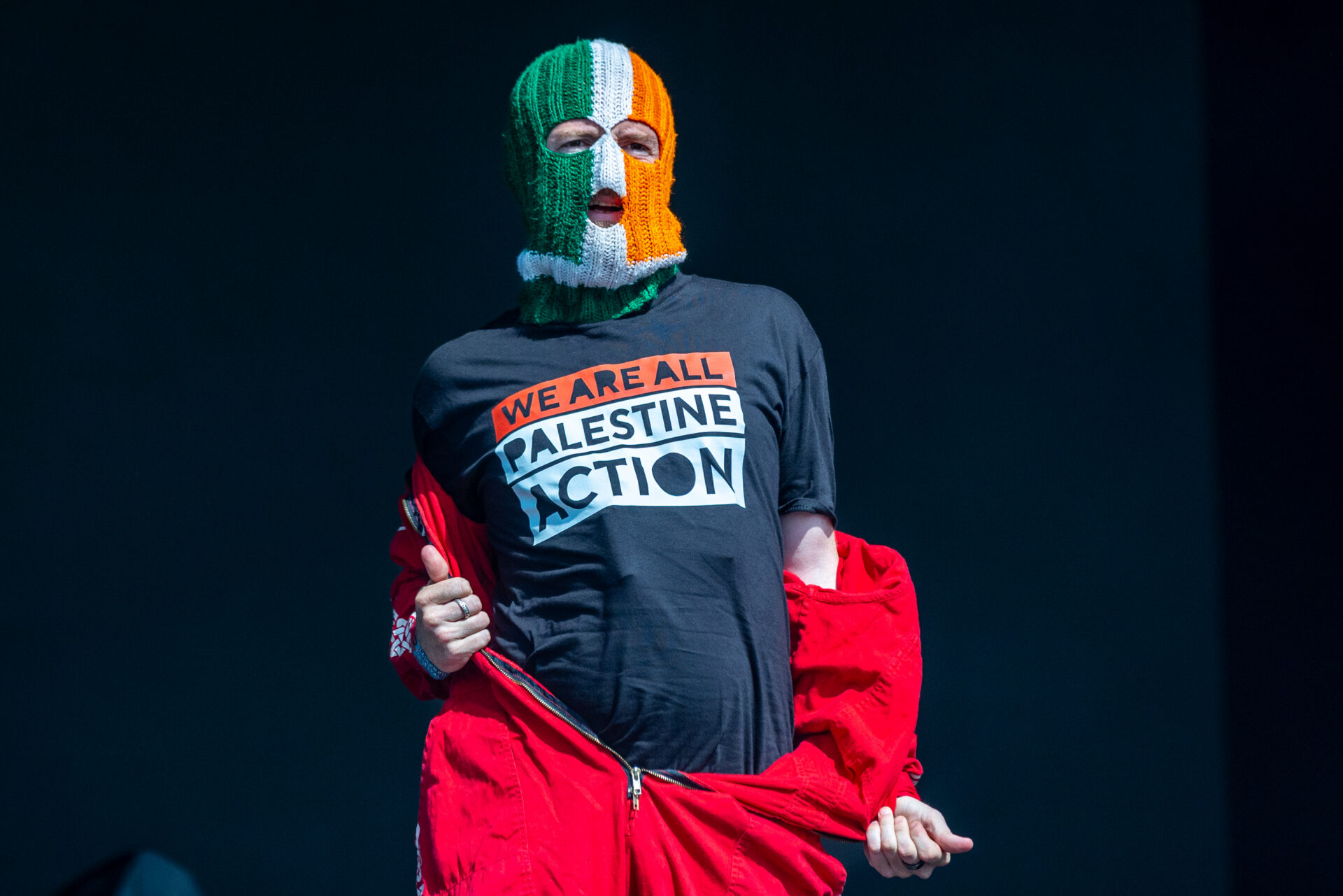
It depends on the artist, of course, but in general, routing shorter international tours is a trend. Just like it is increasingly the exception that confirms this industry’s health. The blockbuster stadium tours, and the superstar arena acts, are generating mind-boggling numbers on Pollstar‘s charts. However, many artists that used to do incredibly well in terms of ticket sales, aren’t anymore. Below them, the grassroots struggle is real. All of this already has effects on the transatlantic live connection. The most recent political antics – from Spain imprisoning rappers for slander of the crown to Hungary banning Kneecap to Russia arresting Pussy Riot to the U.S. detaining artists – won’t improve the situation. But they aren’t a major factor just yet.
Last week, after this story had gone to press, many of the world’s leaders gathered in Germany for the Munich Security Conference, which again reinforced the message that the Transatlantic political stability we’ve had for decades has changed. German chancellor Friedrich Merz began his speech without a doubt that this had already happened: “Allow me to start with an uncomfortable truth,” he said, “a chasm, a deep rift, has opened between Europe and the United States.” And U.S. Secretary of State Marco Rubio reinforced that saying, “we can no longer place the so-called global order above the vital interests of our people and our nations.”
While this is all global politics and we are thankfully not a political media outlet, this new political era of international relations is impacting businesses an the live business, which is already feeling the impact. Thankfully, with so many inextricable business and personal relationships in transatlantic touring, much of this business will transcend politics as our markets continue to have huge demand for each other’s culture and music—let’s hope it continues far into the future.
Andy Gensler contributed to this report.
FREE
 Daily Pulse
Subscribe
Daily Pulse
Subscribe
 Daily Pulse
Subscribe
Daily Pulse
Subscribe