
Bust A Move: A (Brief) History Of Antitrust Law In The U.S. Ahead Of The Live Nation-DOJ Trial
There’s always the hope of a last-minute settlement.
In the nearly two years since the Department of Justice filed its antitrust lawsuit against Live Nation, seeking to reverse its 2010 merger with Ticketmaster, the prospects of a settlement have waned and ebbed. Almost imperceptibly, like the tides, at first, particularly in the first few months of Donald Trump’s return to the presidency, as Live Nation appointed Trump confidante Richard Grenell to its board and issued a press release that, generously, could be described as fawning to the new president, who has, on occasions to numerous to mention, shown that flattery gets you every where with him.
But still, the case marched on. Then as months-til-trial shrunk to weeks, the will-they-won’t-they-settle discussion moved like a whipsaw.
The abrupt departure of the DOJ’s top antitrust lawyer Gail Slater, coupled with whispers she’d been at loggerheads with broader Trump Administration brass for her relative aggression against corporate interests and news that Trumpworld figures like Kellyanne Conway had been lobbying White House officials on Live Nation’s behalf, hinted a settlement would be forthcoming. Judge Arun Subramanian’s decision to allow much of the case to move forward while dismissing concert promotion monopoly claims made prospects more acute, with Live Nation’s EVP of corporate and regulatory affairs, Dan Wall, pinning a blog post titled “It’s Time To Move On” all but daring the DOJ to come to the table (that post was quietly removed from LN’s site over the weekend). Live Nation asked for a delay in the trial to file an interlocutory appeal with the Second Circuit to which the DOJ brusquely responded and which Subramanin hinted he’d deny.
So to trial — it seems — we go, with jury selection slated to begin March 2 and opening statements — scheduled at 90 minutes for each side, which prompted even the veteran jurist presiding over the case to quip “Seems long!” at the pre-trial conference — on March 3.
It will mark the latest chapter in the history of antitrust law in the United States, which in some form dates back to the founding — there’s been some level of protection for fair competition enshrined in common law for centuries — but formally dates to the passage of the Sherman Antitrust Act in 1890.
In the fin de siecle, the trusts were about as popular with the people of the United States as, well, Ticketmaster is now and the law — which is relatively straightforward and shocking in its brevity, the operative bits running less than 200 words — passed Congress easily, with just one vote against.
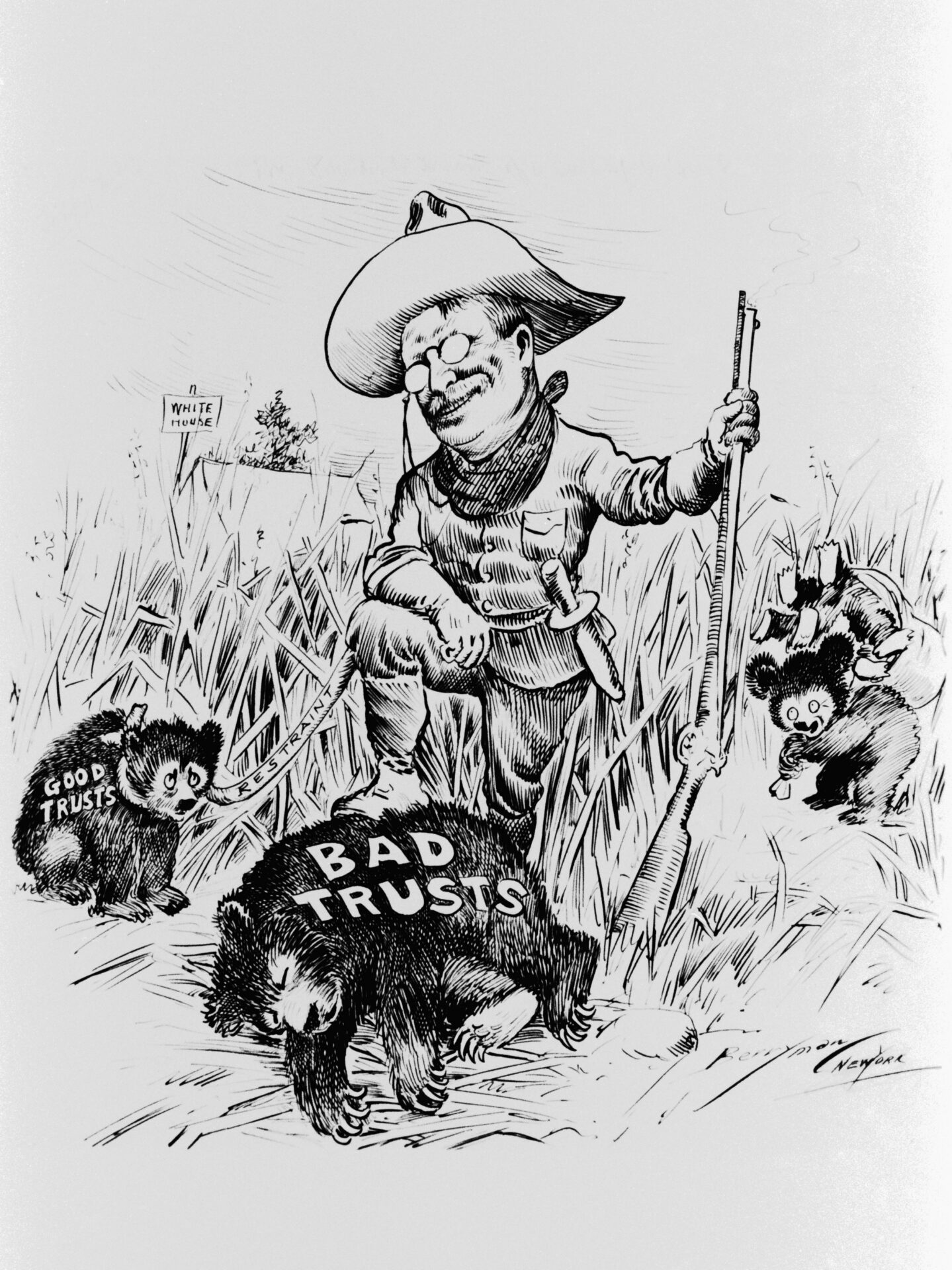
As is often the case with history, it is the legend that’s printed and remembered. Teddy Roosevelt is lionized as the great trustbuster and no doubt his fiery rhetoric and expert image-making in the earliest era of what we’d now call mass media had a lot to do with that, but in truth, his successor William Howard Taft was much more aggressive — and ultimately successful — at trustbusting with his Department of Justice succeeding in splitting Standard Oil into three dozen regional companies and breaking up American Tobacco among others. Similarly, the Sherman Act is remembered as the great piece of American antitrust law but its brevity led to confusion — both corporations and judges were left scratching their heads as to what was and wasn’t allowed.
Enter the Clayton Act of 1914 that specifically defined prohibited acts — notably product tying and price discrimination, both at issue in the Live Nation case. At the same time, Congress created the Federal Trade Commission and empowered that independent body to create consent decrees for merging companies (sound familiar?).
The reforms made trustbusting — or divestiture in the legal parlance — far less common than it had been under Sherman. Laws have consequences and many (most?) are unintended. The Standard Oil break-up created new competition in its way — after all Chevron and Amoco, for example, are both former Standard Oil companies — but while Rockefeller gobbled up and stomped out corporate competition, Standard Oil itself actually kept consumer prices low. Divestiture, courts began to realize, doesn’t always inure benefit to Joe Sixpack.
The most famous modern day break-up — in fact, the last one, as Microsoft was saved from the fate on appeal — was of the Bell Systems/AT&T conglomerate in 1982. Interestingly, when the government filed its antitrust suit in 1974, it really just wanted the telecom to spinoff its equipment provider Western Electric. Fearing that it would lose at trial, AT&T instead proposed spinning off its local-service providers into the Baby Bells while continuing to provide long distance with AT&T. Here’s your unintended consequence: local phone service for years had been dirt cheap because it was subsidized by expensive long-distance rates. With increased competition, AT&T’s long distance rates plummeted. Local service rates, contrarily, spiked. Go figure.
So what does this tell us about Live Nation’s fate if the case goes against them? Not much, honestly. The idea that its promotion business would be split geographically like the Baby Bells or the Baby Standards was a fun thought experiment — “just like the old days!” — but ultimately is moot as the promotion monopolization charges were tossed by Subramanian and the only divestiture remedy ever suggested by the DOJ was spinning off Ticketmaster in any case (which one supposes, could be done in a geographic way with various ticketers controlling various regions of the country, a solution that sounds utterly mindbogglingly complicated for agents).
That scenario would do little to ameliorate high ticket prices — the issue that the general public feels most strongly about, rather than the complicated world of competition law. Demand is and will remain sky-high, for acts like Bad Bunny, Lady Gaga, Harry Styles while seat inventory is by nature limited. And consumers aren’t wrong: Tickets are expensive and prices have, in fact, have slightly outpaced inflation. In 2019, the average ticket price for the Top 100 North American tours was a shade above $96. If ticket prices had simply matched inflation, that figure would have been $124 in 2025. The average was $134, around 8% ahead of the consumer price index at $10—not exactly monopolistic behavior.
And spinning out Ticketmaster isn’t likely to do much about that.
FREE
 Daily Pulse
Subscribe
Daily Pulse
Subscribe
 Daily Pulse
Subscribe
Daily Pulse
Subscribe