
City of Brotherly Love Sees Blockbuster Arena Partnership, Thriving Concert Scene (Market Focus: Philadelphia)
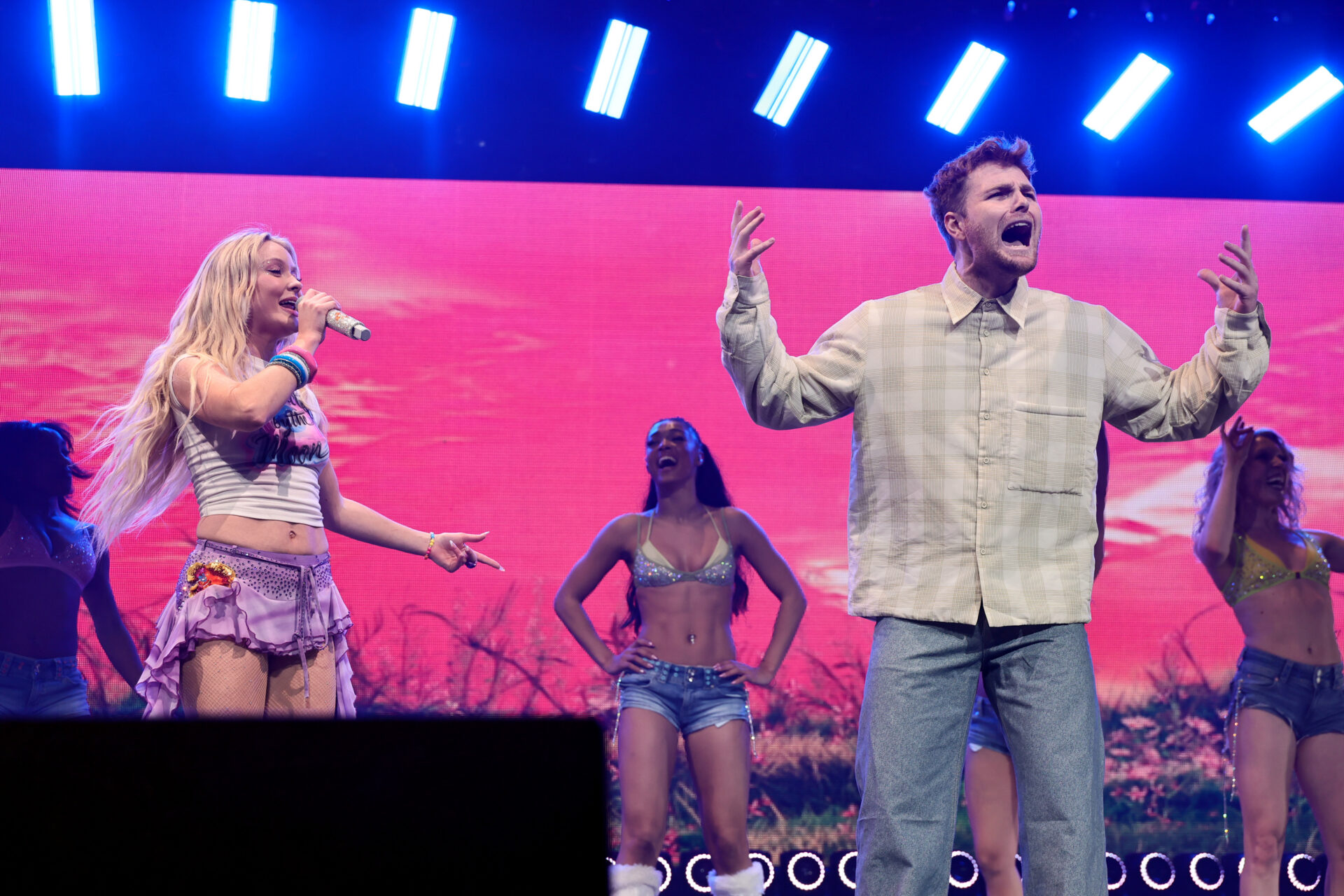
Philadelphia – The City of Brotherly Love – is equally passionate about live entertainment.
The venue landscape in the city is changing daily with new facilities and upgraded favorites adding to the culture, the competition and the market’s reputation as a destination for tours and major events.
Philadelphia already boasts the four major professional sports franchises – each with a rabid fan base and deep history including the NFL’s Philadelphia Eagles who play at Lincoln Financial Field; MLB’s Philadelphia Phillies, who were founded in 1883 and as one of the oldest franchises in baseball play at Citizens Bank Park; the NBA’s Philadelphia 76ers, another historic team with three NBA championships playing at Xfinity Mobile Arena; and the NHL Philadelphia Flyers, who were established in 1967 and won back-to-back Stanley Cups (1974 and 1975), who also play at the stalwart arena.
The fans supporting those teams contribute to Philadelphia’s reputation as one of the most zealous sports cities in the country.
Philadelphia is the sixth largest city in the U.S. with a metro area of more than 6 million people, and the fourth largest DMA after New York, Los Angeles and Chicago. The market area covers not only Philadelphia but a wide region that includes parts of Pennsylvania, New Jersey, Delaware and Maryland.
Centrally located and affordable compared to New York City or Washington, D.C., companies had easy access to those markets, an available talent pool and a rich arts and culture scene – including the Philadelphia Sound – to draw from.
Born in the ‘70s, the musical style was lush, orchestrated soul music that blended gospel, funk and classical strings into a smooth, socially conscious groove that shaped disco, R&B and modern pop. Two of the business visionaries behind the sound were Kenny Gamble and Leon Huff, who founded Philadelphia International Records in 1971, recording at Sigma Sound Studios with house band MFSB (Mother Father Sister Brother). The studio musicians’ instrumental hit “TSOP (The Sound of Philadelphia)” became the theme song for “Soul Train.”
The Philadelphia Sound defined Philadelphia soul with artists including The O’Jays, the Philly soul group behind “Love Train” and “Back Stabbers,” Harold Melvin & the Blue Notes featuring Teddy Pendergrass, The Stylistics, The Delfonics, Billy Paul and his hit “Me And Mrs. Jones,” Lou Rawls, The Three Degrees, early Patti LaBelle and McFadden & Whitehead with “Ain’t No Stoppin’ Us Now.”
The entertainment side of the business has grown since Dick Clark Productions was founded and produced shows in Philadelphia including “American Bandstand.” Today, Philadelphia is home to Comcast Spectacor, a giant in live entertainment and sports, and media companies like Comcast/NBC, which drives the entertainment ecosystem. The company owns the Philadelphia Flyers, the NLL Philadelphia Wings and Xfinity Mobile Arena.
Even with male athletics dominating the landscape, Philadelphia could soon become the “City of Sisterly Love.”
In June, the WNBA officially awarded an expansion franchise to Philadelphia as part of a league expansion to eight teams. On Jan. 30, Unrivaled, the 3-on-3 women’s basketball league, made history in Philadelphia when it held its first tour stop outside of Miami and set an attendance record at Xfinity Mobile Arena with 21,490 fans – a record for a professional women’s basketball game and the most attended regular-season event ever held at the venue.
“They hadn’t taken it out on the road so we didn’t know what to expect from a ticket buyer reaction,” says Phil Laws, Chief Operating Officer of Comcast Spectacor. “But as soon as it went on sale that morning, the pace was like the hottest concerts. We knew right away, this was going to be a full building.”
The Major League Soccer Philadelphia Union in Chester has an enthusiastic fan base, and there is strong support for adding women’s professional soccer (NWSL) to the pitch. That sentiment will likely grow after Philadelphia hosts multiple FIFA World Cup games in June.
World Cup matches will be played at Lincoln Financial Field, which will temporarily be renamed Philadelphia Stadium for the tournament, including Ivory Coast vs. Ecuador (June 14), Brazil vs. Haiti (June 19), France vs. the playoff winner (June 22); Curaçao vs. Ivory Coast (June 25); and Croatia vs. Ghana (June 27).
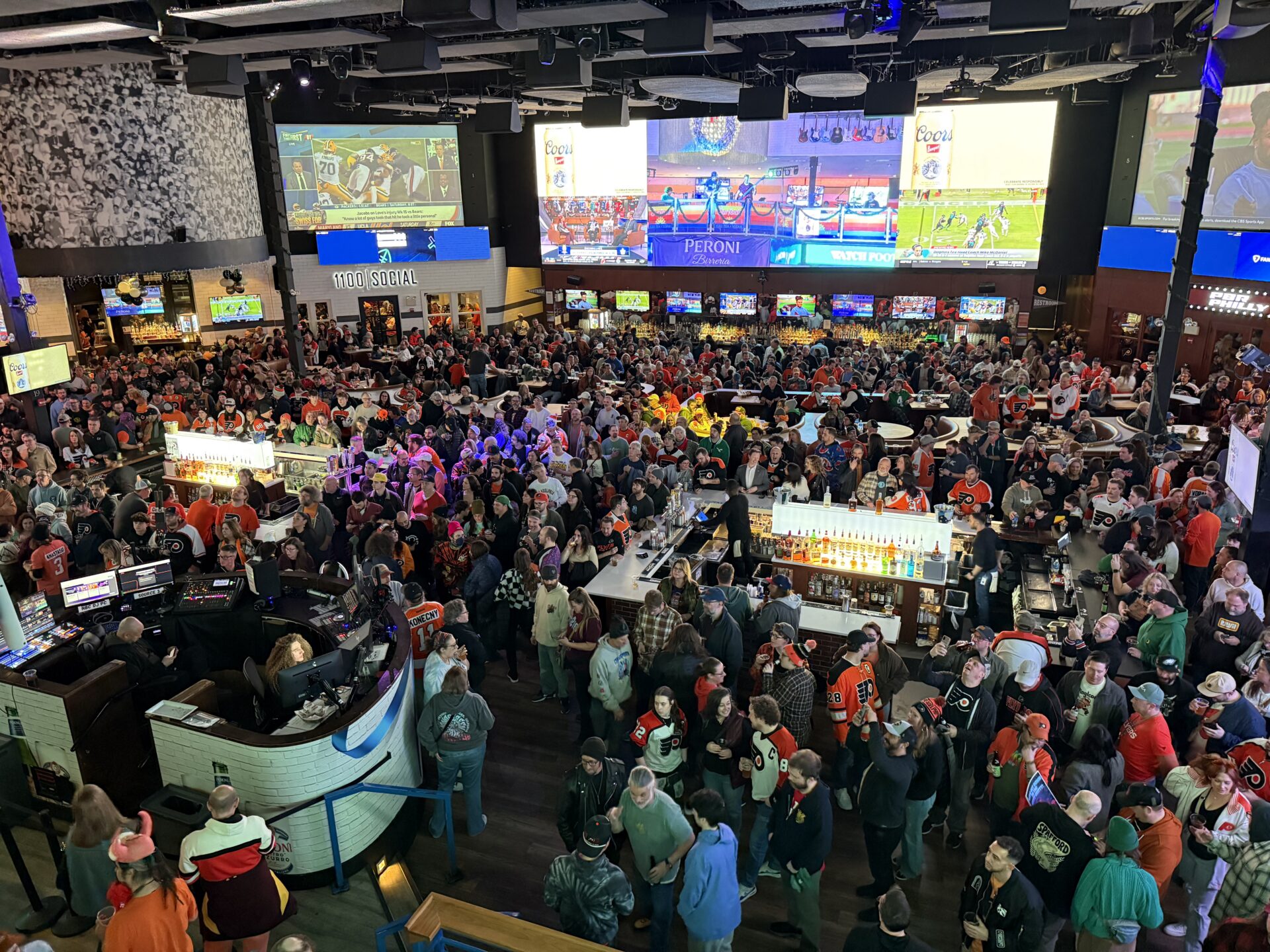
The matches culminate with a knockout match on July 4 – the same day as America’s 250th birthday, when the Second Continental Congress adopted the final draft of the Declaration of Independence in 1776 at the Pennsylvania State House (now Independence Hall) in Philadelphia.
At the center of venue development in the city is a new, $1.5 billion multi-purpose arena that will be home to the Flyers, 76ers and the new WNBA team in 2030. The venue will be part of the South Philadelphia Sports Complex in the same area as stadiums for the Philadelphia Eagles and Phillies.
Turner Construction and AECOM Hunt are construction managers and Populous and Moody Nolan are leading design. The venture also includes Philadelphia-based firms Perryman Construction, Hunter Roberts Construction Group and Camfred Construction.
The 76ers had originally planned to build a venue called 76 Place at Market East in Center City but cancelled their plans and partnered with the Flyers to build a new arena to be shared by the two teams.
Ownership of the arena will be shared between New Jersey-based Harris Blitzer Sports & Entertainment, which owns the 76ers, and Comcast Spectacor, owning entity of the Flyers. It was just announced that Levy Restaurants was selected as food, beverage and hospitality partner for the arena.
The South Philly Sports Complex is a $2.5 billion entertainment district led by Comcast Spectacor in partnership with the Philadelphia Phillies. Plans include a mid-range (5,000-6,000-cap.) concert hall as one of the first major projects in the mixed-use development that includes retail, hotel space and public plazas. Phase one is underway and could be completed as early as 2027.
“You can’t fall in love with these buildings for too long,” quips Laws on building a new arena after recently completing a $400 million renovation at Xfinity Mobile Arena.
The original arena opened in September 1967 as The Spectrum – Philadelphia’s first indoor sports arena, built specifically to host the Flyers and 76ers. Over the years it changed names but retained its legendary status as a concert venue.
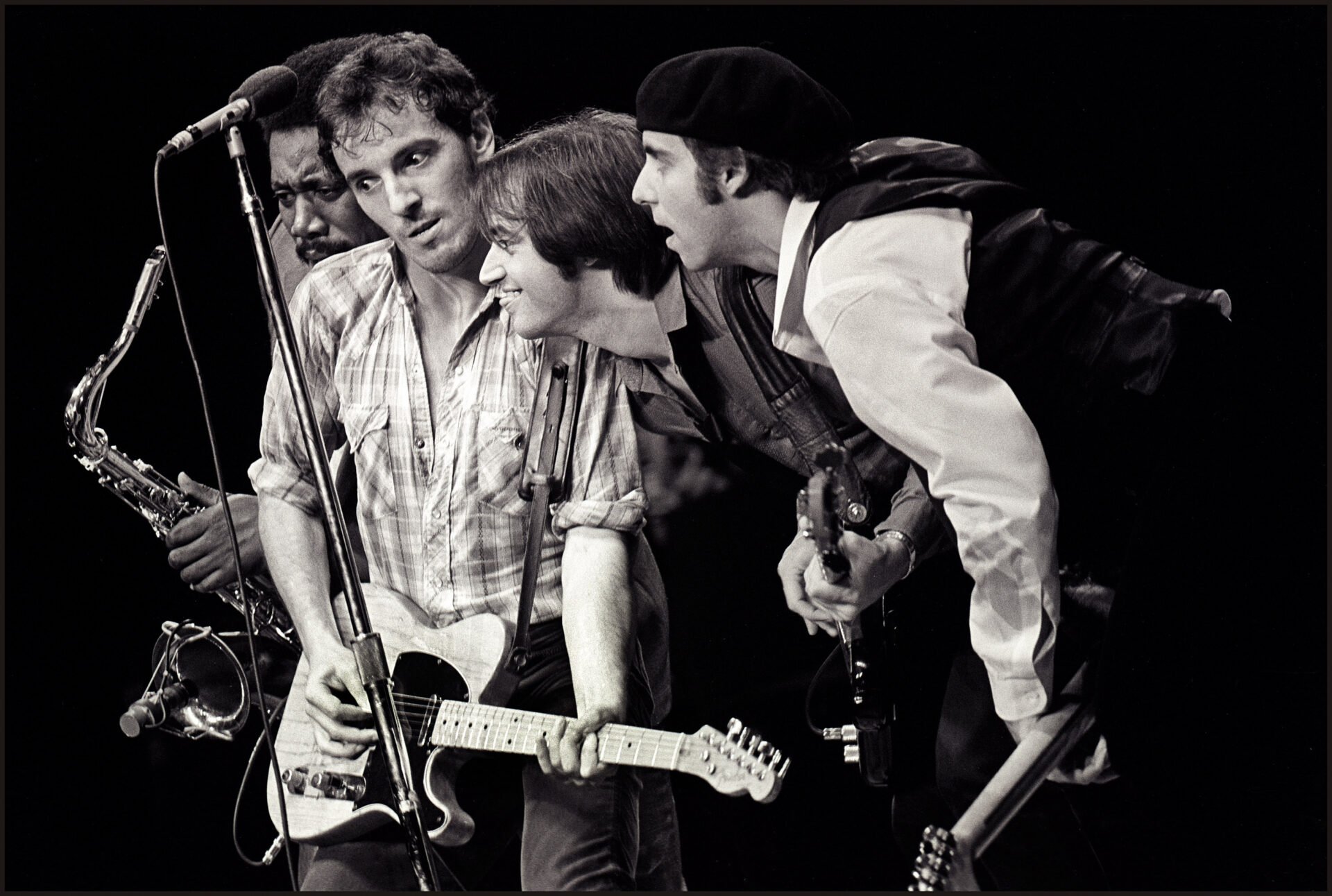
“Not only was the arena opened to house the Philadelphia Flyers and then the Sixers, it was opening when concert touring was becoming a business,” offers Peter Luukko, co-chair Oak View Group, and former President and CEO of Comcast Spectacor. “That time was really the beginning of large-scale arena tours.”
Nicknamed “America’s Showplace,” the venue hosted thousands of shows by legendary performers including Grateful Dead, Led Zeppelin, Pink Floyd, Bruce Springsteen, The Who, Pearl Jam and many others – often doing multiple nights.
“It was a very tight one-concourse building – which listen, it made for longer lines in the bathrooms,” explains Luukko, whose career in Philadelphia spanned 25 years. “But it had a very magical music bowl and the crowd was very much on top of the artist – which the artists liked. I don’t think it was by any special design, but the sound was incredible.”
In 1996 the Flyers and 76ers moved across the parking lot to the new facility, now known as Xfinity Mobile Arena. The Spectrum continued to book concerts and events but eventually closed in 2009 and was demolished.
Larger in concert capacity at 21,000 than Madison Square Garden, the current facility was renamed Xfinity Mobile Arena after Comcast Spectacor secured naming rights following the expiration of the Wells Fargo deal.
“This one was special, because it really was the first departure from our original naming rights deal,” says Laws of the rebranding. “And it was one that was with our sister company under the Comcast family. But from a building standpoint, we had a lot of good information from past name changes, and it was a lot of fun to work on. It allowed our folks to be creative about how you translate a brand and all the different ways you can do it.”
From video boards to lighting, there was a lot of attention to the details. In addition to signage, there have been significant upgrades including new dining options on the club level and broader renovations as part of the facility’s evolution.
“My favorite part was being able to leverage the product and the knowledge that Xfinity Mobile brought to us,” says Laws. “It went beyond branding right into the realm of technology. So, we were able to look at things like our mobile phone signals within the building. We were able to update the Wi-Fi system throughout the facility. So, one of my favorite parts was just getting some new toys that the patrons, the fans and the teams that come into the building can use and enjoy on their devices and associate with the brand.”
Planning for the new arena and entertainment district construction hasn’t slowed the schedule. The arena is programming around the FIFA World Cup, baseball season, hosting the first and second rounds of NCAA Men’s Basketball, a full schedule of concerts and the 250th birthday of the United States.
From a business standpoint, Laws says once the new arena is operational in 2030, they will look at cost, entertainment options and timing before deciding what to do with the current arena.
Regardless of where the scoreboard hangs, the fans will win.
“The fans here have proven over the years that they are some of the best fans in all of sports and we’re going to give them a venue that lives up to their reputation,” says Laws.
Venue facelifts aren’t uncommon in the market.
“It’s an incredibly thriving market,” offers Toby Blumenthal, Vice President of Artistic Planning & Chief Innovation Officer for Highmark Mann Center for the Performing Arts.
“There are so many options that vary from capacity and size to types of venues. It’s interesting to see the development of artists in the market and how they can grow from the club level all the way on up through to the Mann Center and then to the arenas and stadiums. We see that consistently with a lot of major artists that have developed their careers in Philadelphia.”
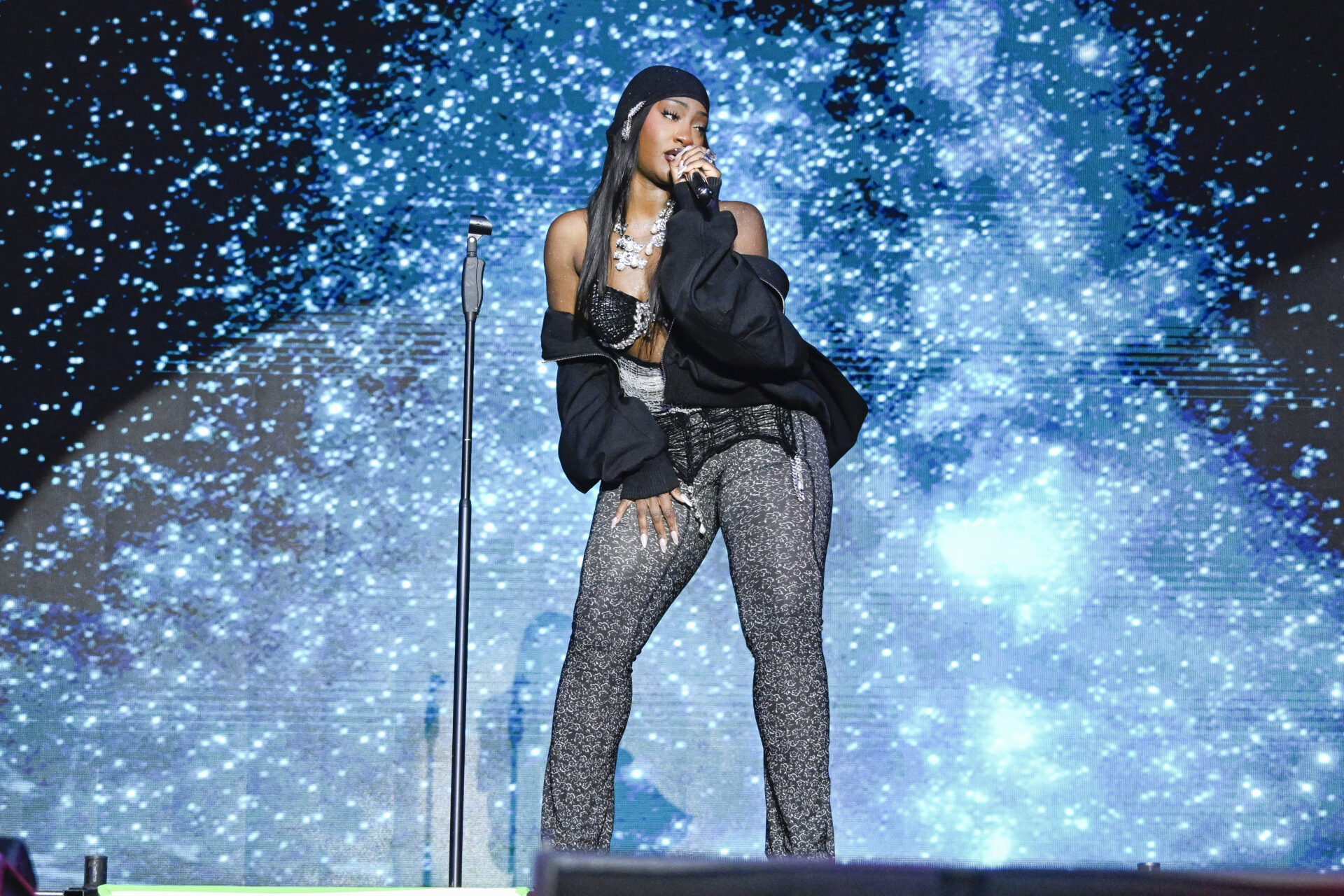
The Mann Center is in the throes of a $70 million renovation that includes a new grand entry plaza, which is three times the size of the original footprint, a welcome center, new ticket office and an interactive Hall of Fame timed with the venue’s 50th anniversary and the U.S. semi quincentennial. The improvements are designed to enhance accessibility, amenities and the guest experience at the outdoor music venue in Fairmount Park, Philadelphia, and are expected to be completed in May.
The city-owned, nonprofit facility opened on June 14, 1976, as part of the U.S. Bicentennial cultural expansion. With booking partner Live Nation, the venue features everything from symphony and classical music to rock, pop, jazz, R&B, hip-hop and indie acts.
Scheduling artists in a busy market around a seasonal schedule can present challenges.
“We have to really remind ourselves is that the Mann is truly a desirable venue,” says Blumenthal.
“There are artists that want to be outdoors in the summer and they want to be at the Mann and a lot of that has to do the history, but it also has to do with the last several years of us really stepping up and putting artists on multiple stages.”
At 22 acres, the Mann Center includes the 13,000-cap. TD Pavilion and the 6,000-cap. Highmark Skyline Stage, a smaller general admission festival-style space. The Mann Center has also invested in the backstage artist compound with bigger dressing rooms, a private terrace and new catering space.
Project partners include EwingCole, architect; Pennoni, engineering; Hunter Roberts Construction Group; Crafted Action, experiential/digital planner; and JLL Philadelphia, project management. In 2025, the Mann Center entered a 12-year naming partnership with Highmark Blue Shield, becoming the Highmark Mann Center for the Performing Arts.
After a lengthy and loving restoration, an historic building is making an impressive return to the market in 2026.
The 1,350-seat Lansdowne Theatre in Lansdowne, Delaware County, was built in 1927 as a movie palace by noted theater architect William Harold Lee in the Spanish Revival style. The building was added to the National Register of Historic Places in 1986 but an electrical fire during a showing of “Beverly Hills Cop II” shut it down in 1987 and the theater stayed dormant for 40 years.
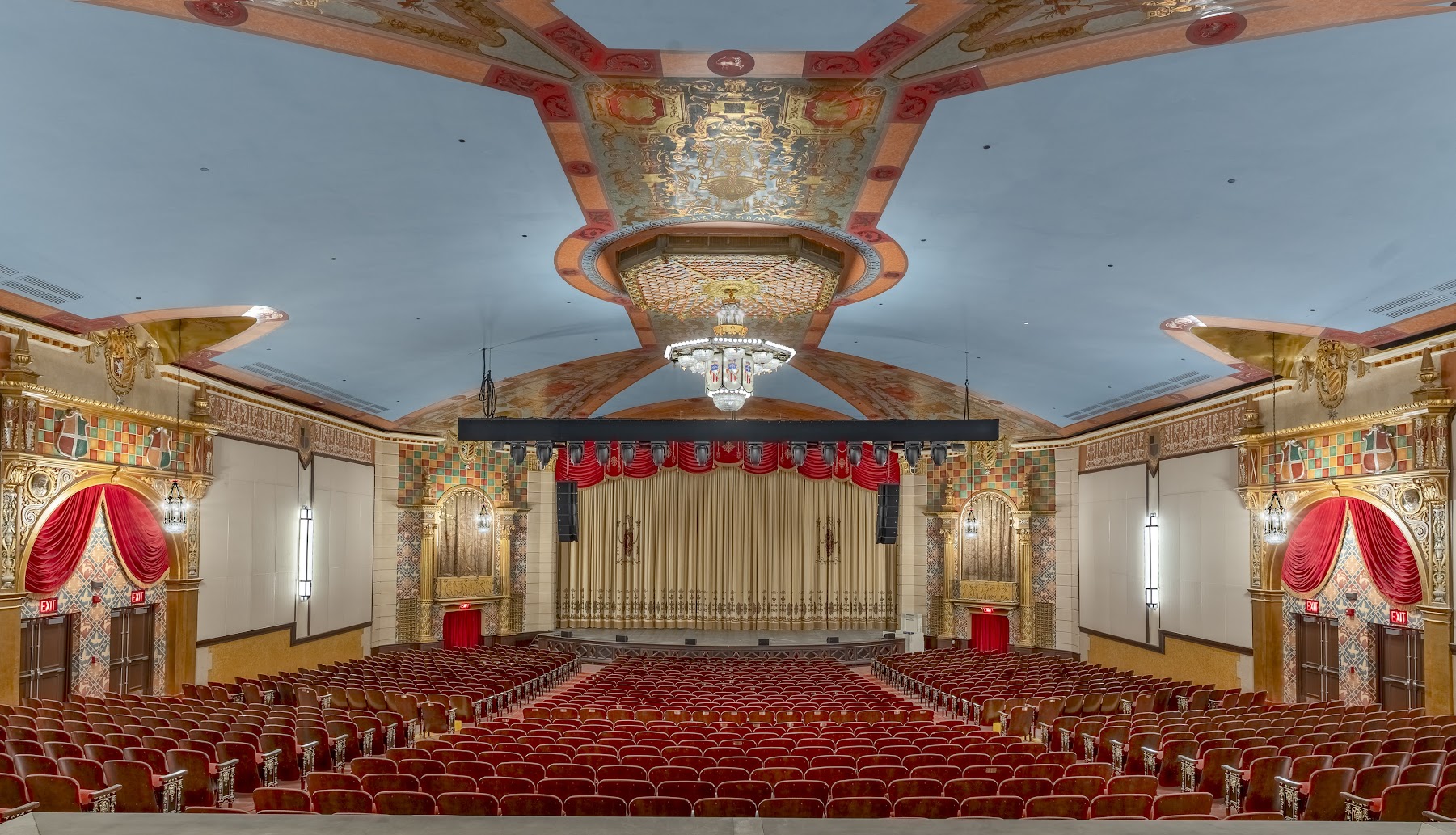
The theater is now owned by the private non-profit Historic Lansdowne Theater Corporation (HLTC), which was established in 2006 to purchase and restore the venue. After two decades of fundraising and restoration, the lavishly detailed and meticulously finished venue reopened in August 2025.
“There are a lot of these old theaters from that era, but they either just went into disrepair and eventually went away or they got upgraded and modified along the way, until you really don’t have much of the original theater left,” says Rich Mancinelli, Vice President of BRE Presents, which operates the venue. “So, we’re in kind of a unique position with this, because we essentially have a brand new, 100-year-old building.”
The restoration began in August of 2023 at a cost of $21 million. The craftsmanship was historically accurate from hand-painted curtains to the foil on the ceiling. The response from the public has been rewarding – from nostalgic seniors who snuck into R-rated movies as teenagers to people that are experiencing the venue for the first time.
“It’s been unbelievable,” offers Mancinelli. “The fans and the artists – everybody has raved about the room and the sound. It’s one of those places where you come early, before doors, so you can spend an hour just looking at the ceiling.”
Nearly 20 shows are on sale with more in the wings. Upcoming concerts include Lyle Lovett and John Hiatt on March 12, Graham Nash on April 4 and Micky Dolenz: 60 Years of the Monkees on April 12.
“It’s definitely an education, trying to bring people to a new place,” explains Mancinelli. “But having artists of this caliber really helps. We’re seeing people who have come out for a show, during intermission or before the show starts, they are coming to the box office to buy tickets for another show, or two.”
Located in Reading, Pennsylvania, Santander Arena and Performing Arts Center is considered part of the Philadelphia market at roughly 60 miles away, but primarily serves the central part of the state, according to GM David Farrar.
“It drives me insane that people refer to us as Philadelphia,” says Farrar, who has been with the venue for 11 years. “While it’s close on a map, it couldn’t be farther from our market. For any show, we sell less than 5% of our ticket sales in actual Philadelphia.”
One market the venue does serve is the local Latin and Mexican community. “Hispanic shows are our top genre by far,” offers Farrar, adding that 80% of Reading is of Puerto Rican descent. “The market is here and it’s been here for a very long time.”
The venue opened in September 2001 as the Sovereign Center and was renamed Santander Arena in 2013. It’s home ice to the Reading Royals of the ECHL but has a concert seating capacity of up to 9,000.
The arena, which celebrates its 25th anniversary in 2026, is wrapping a three-year $20 million renovation with improvements to seating, HVAC, the ice plant, chillers, lighting, suites, the club level and the concourse. Upgrades include new digital screens and video displays, enhanced security and entry systems and expanded food & beverage options with faster self-checkout kiosks and expanded local partnerships.
“The whole building got a much needed makeover,” adds Farrar. Oak View Group took over operation of the Santander Arena and the 1,800-seat Santander Performing Arts Center in July 2025.
“We’re in such a competitive market,” explains Farrar. “I mean, there’s arenas everywhere, but then there’s performing arts centers everywhere, and there’s casinos everywhere, and so we just try to be aggressive as we can and grab what we can get. And when we get something, try to help make it be as successful as we can.”
FREE
 Daily Pulse
Subscribe
Daily Pulse
Subscribe
 Daily Pulse
Subscribe
Daily Pulse
Subscribe