
Report: Serbia’s Cultural Scene In Danger
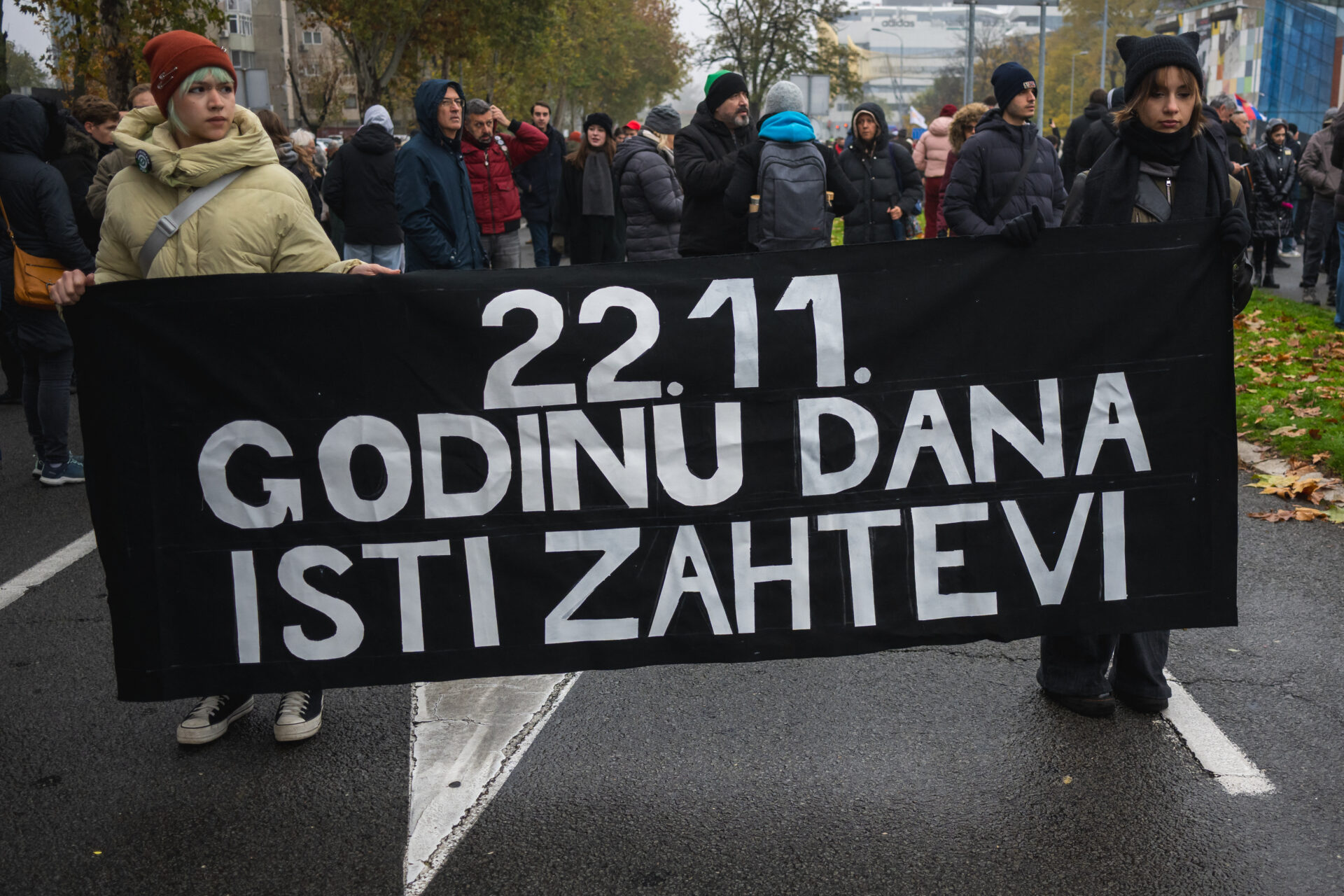
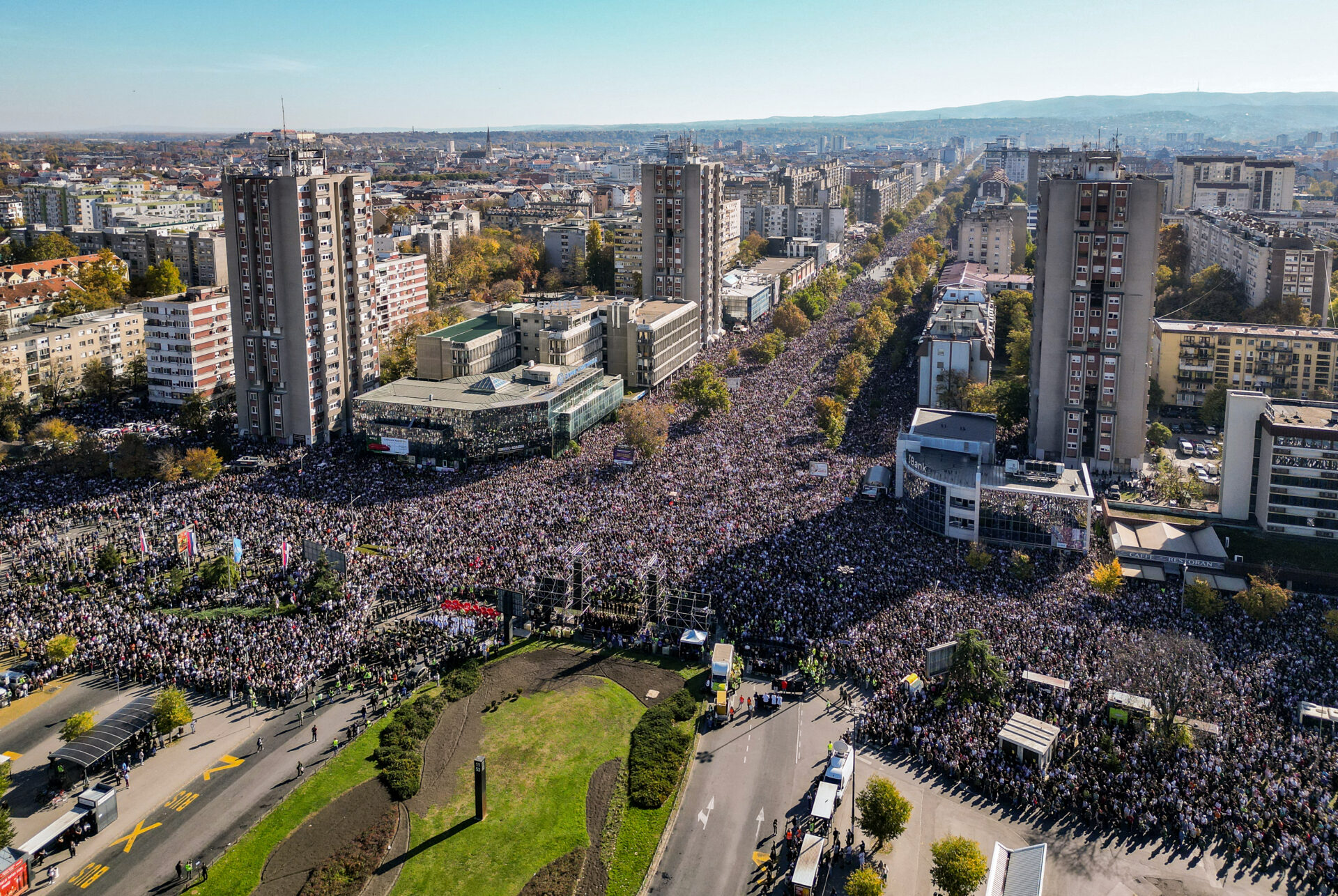
Serbia’s creative scene is facing what locals have described to Pollstar as “one of the darkest periods in its recent history,” as the country’s oppressive political regime is retaliating against artists, actors, sports personalities – anybody, who has publicly supported the massive, ongoing student protests taking place across the country.
Musicians in favor of the student protests are being boycotted by the many state-owned venues, while actors have lost their roles in TV shows, putting them out of work for more than a year now.
Local reports, as well as the locals Pollstar has been reaching out to, speak of widespread blacklists of artists, the Hollywood Reporter ran a piece last month on an open letter from Serbia’s film associations, which accuse officials of “open hostility towards filmmakers critical of the government.”
As history shows, autocratic governments tend to take over a country’s institutions one by one, thereby establishing total control over all aspects of public life.
The current ruling party of Serbia, SNS, came into power in 2012. The state’s ownership of venues isn’t the only way it controls cultural expression – it has also placed officials in events, with the most prominent example being Arsenal Fest, one of the biggest festivals in central Serbia.
The festival is owned by a business called Aldebaran Star, according to the local companies’ directory. Aldebaran Star, in turn, is reportedly a subsidiary of VIP Global Logistics – a company formed in 2017 by SNS party members Nemanja Marijan and business partner Predrag Nikolić.
Three months into VIP Global Logistic’s foundation, they received permission from the Serbian trade ministry to begin trading in arms, as reported by BIRN, which also goes into depth about shady dealings VIP Global Logistics has been engaged in. The company quickly began reeling in lucrative arms contracts working alongside state-owned company Zastava Arms.
Neither Marijan nor Nikolić had prior experience in the weapons trade. Marijan used to be a water polo player, and is currently the Secretary General of the Serbian water polo federation.
Aldebaran Star also owns shares in ticketing company Ticket Vision, which sells tickets to all types of events taking place in the country, including water polo and Arsenal Fest.
Among the news sites reporting on the web of companies behind the festival are bezcenzure.rs, Serbian political activist movement Kreni-Promeni, and others.
Arsenal Fest is not the only major event with troubling ownership ties. Another example is electronic music festival Lovefest in central Serbia, which is run by LoveBrands&Events, a company belonging to a member of the Socialist Party of Serbia (SPS) – the party of former Serbian leader Slobodan Milošević, who got indicted for war crimes at The Hague. SPS and Serbia’s ruling party SNS have been forming a coalition since more than decade.
As Serbia gears up to host the world fair Expo 2027, an increasing amount of regime-connected and -controlled capital is flowing into the events sector. Ironically, the Expo’s official slogan is “Play for Humanity: Sport and Music for All,” while Serbia’s biggest icons in sport and music, Novak Đoković and EXIT festival, have effectively been forced out of the country for supporting the student protests.
While shady arms dealers and corrupt politicians are not usually part of music industry reporting, their involvement in festivals with international clout is – particularly in times when the Serbian government is destroying the careers of the creatives critical of it.
Agents and managers should be aware of the connections between events and politics in times when artists are positioning themselves against certain political movements and ideologies, and when associating with regime-linked entities can carry serious reputational backlash.
Massive Attack headlined Arsenal Fest in 2025, a band that has been taking a clear stance for the Palestinian people. Had they known that the festival is owned by individuals involved in the Serbian arms trade with Israel, they would have most likely not participated.
The information in this article is based on Serbian independent investigative journalist reports as well as conversations with members of blacklisted bands and participants of the ongoing student protest movement in Serbia, whose identities remain undisclosed for safety reasons.
FREE
 Daily Pulse
Subscribe
Daily Pulse
Subscribe
 Daily Pulse
Subscribe
Daily Pulse
Subscribe