
Unconventional Wisdom: The Risk-Taking Entrepreneurs Who Preceded Live Nation, Ticketmaster, DOJ Lawsuits
Live Nation’s initial settlement with the DOJ on its antitrust case before the trial got fully underway (which post-publication of this article is returning to court), closes the circle on an epic live entertainment business timeline that not only has defined the concert business for the past quarter century, but my career as a trade journalist covering live, as well.
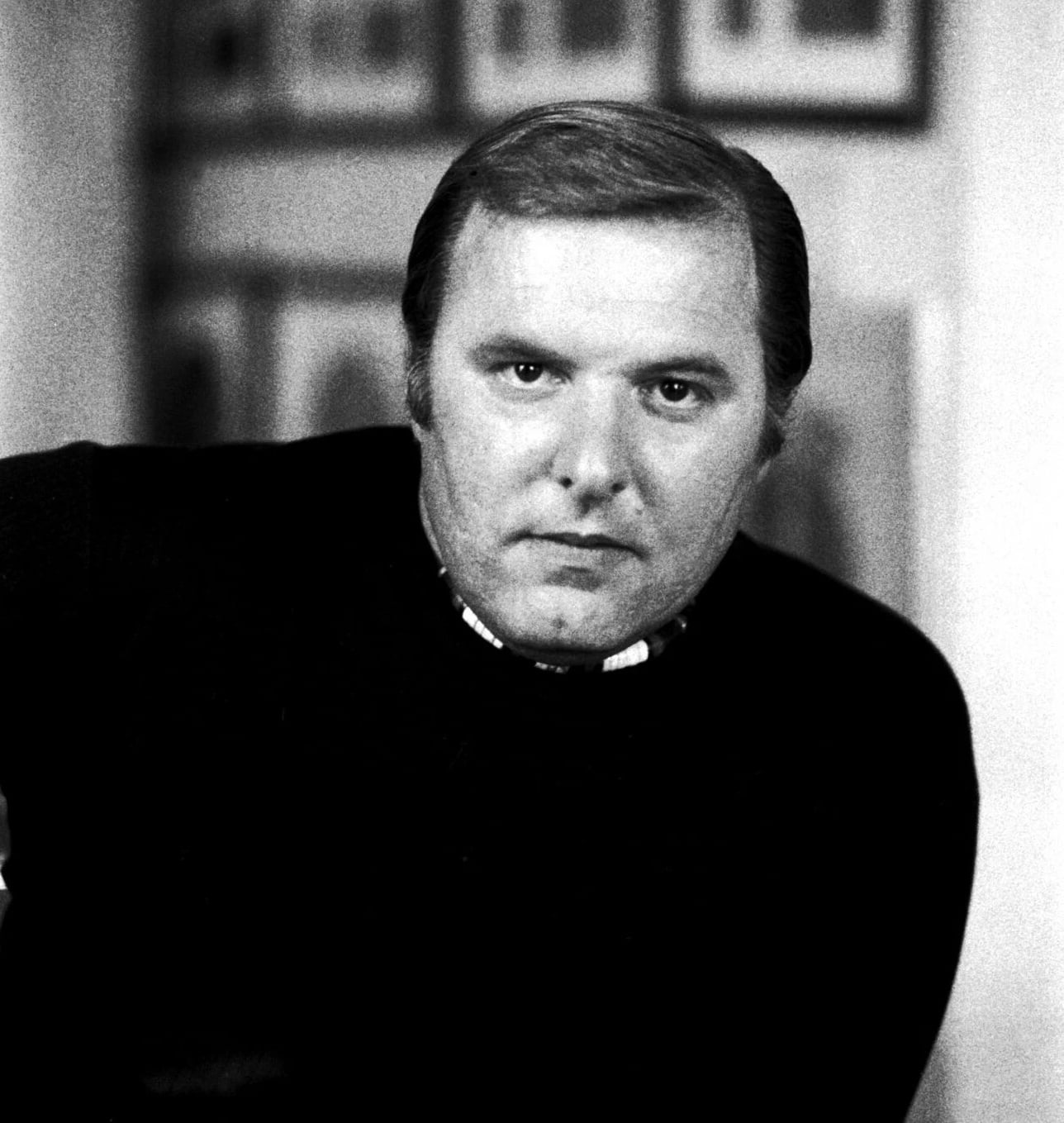
This story does not begin with the consolidation of the touring industry in the 2000s, any more than it ends with this settlement. The story began when power agent Frank Barsalona, Premier Talent, who worked with the biggest acts on the planet during the birth of arena rock, put together an informal network of risk-taking small businessmen—local and regional promoters—to streamline the routing of tours and provide a comfort level to the touring acts, who knew they would be presented in a professional, consistent manner across the U.S. These guys were characters, people like Jack Boyle in Virginia and Florida, who entered the touring industry by winning the Cellar Door club in a poker game and went on to build, alongside PACE Concerts, the largest network of amphitheaters in the country. PACE was Louie Messina in Texas and the Southeast, who remains a powerful force in live. Others included the Belkin brothers in Cleveland, Don Law in Boston, Frank Russo in Providence, Ron Delsener in New York, Alex Cooley in Atlanta, Don Fox in New Orleans, Jimmy Koplik in Connecticut, John Scher in Jersey, Arny Granat and Jerry Mickelson in Chicago, Larry Magid in Philly, Barry Fey in Denver, the OG Bill Graham in San Francisco, and Brian Murphy in L.A., among others. I got to know them all.
Everybody wanted to be in Barsalona’s club, but being Frank’s guy did not ensure success. These were the days before corporate promoters, even the bigger companies were small by today’s standards, promoters put up their own money. A run of box office losers could put a company out of business, and, for some of them, a dog could mean losing their homes. There was no Ticketmaster in the early days, no credit card sales, tickets were a cash business, settlements were made after the show, (sometimes with a .38 on the table, as Magid in Philly once told me), and there was nowhere to hide. Some promoters, tired of taking all the risk and watching huge ancillary revenues from parking, beer and hot dogs fly out the window, opted to get into the venue business.
Even then, downtown arenas were hugely expensive endeavors with miles of red tape, often with pro sports attached, and those projects were simply out of promoters’ reach. Amphitheaters, on the other hand, SHEDS, were generally situated on the outskirts and less desirable real estate, and, lacking four walls and a roof, way less expensive. But they did sell the crap out of parking, beer and hot dogs and, beginning with PACE’s Starwood Amphitheater in Antioch, Tenn., my hometown amphitheater, promoters got into the venue business.
In the realm of unintended consequences, promoters having real estate components gave consolidator extraordinaire Robert Francis Xavier Sillerman something real to pitch to investors when he began rolling up promoters in the late ‘90s. Until the sheds, promoter value was hard to assess. Sure, many had exclusives with a wide range of venues, but that didn’t guarantee the next show wouldn’t stiff. Promoter value had been based on what they THOUGHT they could do in the coming years; shows that had already sold out had zero value. Sillerman formed SFX Entertainment in 1996, rolling up most, but definitely not all, of the promoters I previously mentioned, paying many multiples of earnings to close the deal. In those heady days, it seemed I was reporting on a new acquisition of a major promoter every week. I knew all the players so I led national coverage of this seismic paradigm shift. At one point, only two majors were left, PACE and Cellar Door, the biggest fish of this expedition. I remember asking Jack Boyle when he might sell Cellar Door. The answer: “When the money gets stupid enough.” It got stupid enough.
Despite what Sillerman’s right hand man Mike Ferrel would tell me after every acquisition, SFX was never an operator and putting all these promoters (many of whom had competed fiercely for acts in the recent past) under one roof was never going to work. On more than one occasion I heard they were still competing against each other for acts under the SFX umbrella, escalating bids even though they both worked for the same promoter. I remember one SFX promoter telling me how the conference calls would go: “They would just go down the list of acts, from AC/DC to ZZ Top, who wants what?”
Sillerman spent over $2 billion consolidating promoters and sold it to Clear Channel Communications, a radio conglomerate, for $4.4 billion in 2000. That didn’t work, either, and in 2005 the concert business was spun off to form Live Nation. That worked. Known at first for its 360 deals with artists like U2 and Madonna (all of which have run their course), Live Nation greatly expanded internationally, and under the leadership of Michael Rapino, picked up more vital pieces around the world, especially in the realm of festivals and branding.
Photo by Ethan Miller / Getty Images / Cirque du Soleil
Meanwhile, Ticketmaster was reinventing ticketing and had joined forces with another rollup in 2008, this one of managers, Front Line Management, spearheaded by the mega manager himself, Irving Azoff. When Ticketmaster merged with Live Nation in 2010, many of those managers came under the Live Nation umbrella. If this all seems a bit cozy, that deal was cleared by the DOJ under the condition that it shed some assets, amphitheaters not among them. Live Nation shuttered several amphitheaters itself, my beloved Starwood among them.
I’ve had a front row seat to this entire chain of events, but nobody who went to shows back in the day has anything to complain about other than ticket prices. Tell me what is priced the same as it was in the ‘70s? I have $5 Eagles ticket stubs. If you want to complain about ticket prices, blame the artists, not Ticketmaster. Artists set ticket prices based on what they’re paid. Fees? Anybody that had to line up outside of record stores to buy paper tickets out of a shoebox knows that the convenience of buying a ticket has vastly improved. Ticketmaster deserves to get paid for investing hundreds of millions of dollars into building a better mousetrap. And artists? You do what they do and charge what you want to. Artists own a singular talent, they can only be in one city at a time, this is called a premium; their talent is worth whatever fans will pay, period. It costs a lot to move the circus from town to town.
Politicians see a winner by acting like they’re siding with fans who think they’re paying too much. For the first time in the history of our business, artists are now “officially” sharing in revenue from secondary sales. Yes, the business has its problems, greed primarily among them (as ever), but fans are not being harmed and DC is completely lacking in understanding of the live entertainment business.
Ray Waddell is Pollstar’s Chief Content Director
FREE
 Daily Pulse
Subscribe
Daily Pulse
Subscribe
 Daily Pulse
Subscribe
Daily Pulse
Subscribe