
Live Nation Trial: As States Press On In Court, Lawmakers Push For Change On Capitol Hill
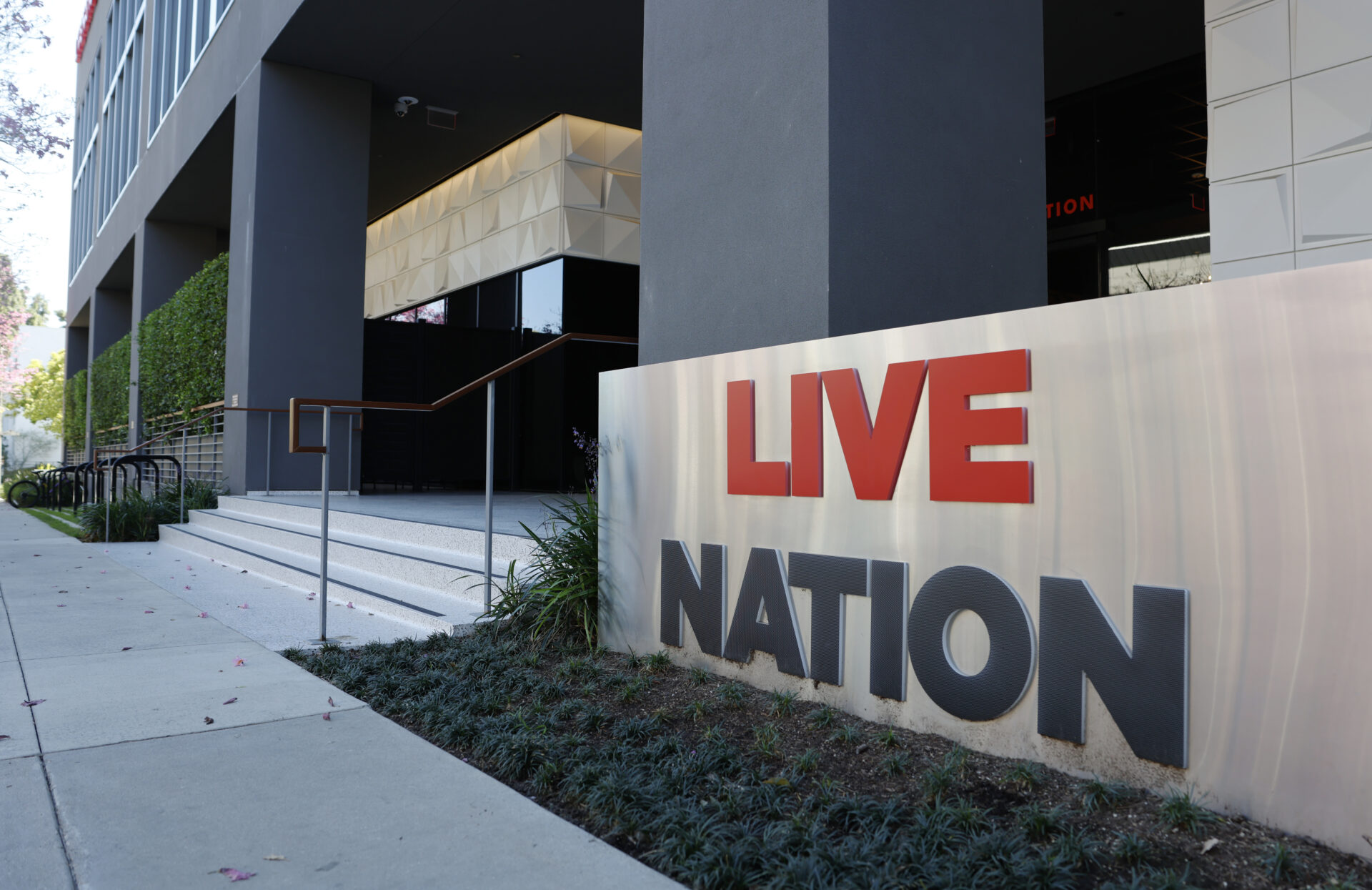
Live Nation’s antitrust trial resumed Monday after a weeklong break, as dozens of states opted to press on even after the federal government announced a shock settlement with the live giant March 9.
Judge Arun Subramanian of the U.S. District Court for the Southern District of New York welcomed jurors back from their “spring break” and informed them the United States had withdrawn, along with three states — Arkansas, South Dakota and Nebraska. Later, Iowa and Mississippi joined the settlement. All five states are led by Republican attorneys-general. The states will receive a portion of a settlement fund — which could reach more than $280 million — set up by Live Nation to pay state claims. Iowa’s AG said the Hawkeye State will receive $3 million, while South Dakota’s top lawyer said his state will receive $677,000.
But other states — with AGs from both parties — pressed on Monday. AEG Presents Chairman and CEO Jay Marciano resumed his testimony that was planned when news of the settlement broke last week.
Marciano said his company has trouble overcoming exclusive contracts used by Live Nation Entertainment and Ticketmaster to dominate the industry in the U.S. He said a more competitive environment exists in Europe, where consumers pay 15% fees on tickets rather than the 25% it costs concertgoers in the United States.
He said AEG would prefer that multiple ticketing companies be allowed to sell every show because “fans are rewarded.” On cross examination, Marciano conceded that his private company was a giant in the industry as well, drawing revenues from events that attracted over 100 million customers annually.
Later in the day, Bob Roux, Live Nation’s president of U.S. concerts, described his employer as an “artist-first company” that does 90% of shows in smaller venues, where it can groom artists to someday reach the large crowds and big paydays that come with stadiums, arenas and amphitheaters.
Roux said companies like Live Nation operate in a high risk, low-margin business where contracts they sign require guaranteed money be paid to artists, often in advance, with no assurance ticket sales won’t be spoiled by something the artist says, a change in the economy or a surprise like the onset of the coronavirus pandemic.
One tour, he testified, required an advance payment to cover roughly $20 million pre-tour costs, including the rental of 87 semitractor trailers to haul everything needed for the show.
“Through it all, we just keep doing what we’re used to doing and do our best,” he said.
Questioned by a Live Nation lawyer, Roux said artists choose where they play and negotiate details like ticket prices. He said he never asked artists to play venues where they didn’t want to play and, asked if his company ever withheld shows from venues that refused to use Ticketmaster, he said flatly: “Not true.” That contradicts an insinuation made by former Barclays Center president John Abbamondi, who testified that tours were directed away from his arena after the venue opted for SeatGeek. Live Nation asserts that tour traffic changed as a result of the opening of UBS Arena, rather than because of Barclays ticketing deal. Earlier, Marciano testified he’d suggested an open distribution model, similar to what’s common in Europe, for Barclays.
Roux resumed his testimony Tuesday.
Meanwhile, at the other end of the Acela corridor, lawmakers in DC, irked by the settlement, redoubled their efforts at taming the live entertainment beast.
Sen. Amy Klobuchar, a Minnesota Democrat, announced she’s introducing the Antitrust Accountability and Transparency Act, which would give judges more time to review settlements in antitrust cases, guarantee state attorneys general can intervene during the review process and require more disclosures — including records of pre-settlement discussions — once a settlement is reached.
“When the government prosecutes antitrust violations, the goal should be to uphold the law, lower prices, and protect consumers and small businesses,” Klobuchar said in a statement. “In the recent settlement between the Department of Justice and Live Nation, it is clear the American people got the raw end of the deal,” she continued. “This bill—which has support from antitrust enforcers from both sides of the aisle—ensures that courts have the tools to independently review settlements and approve only those that benefit the American people.”
Also, Sen. Richard Blumenthal, Democrat of Connecticut and ranking member of the Senate’s Permanent Subcommittee on Investigations — he was chair of that committee when Democrats held the majority — released a report entitled “So Casually Cruel: How Ticketmaster’s Monopoly Supercharges Prices and Fees.”
Officially a minority report, though it is the result of an investigation that began during Blumenthal’s tenure with the gavel, the 101-page document claims that Ticketmaster and Live Nation have a far bigger role in the rise of ticket prices that they claim publicly.
“Despite the company’s recurrent insistence that decisions about ticket prices and fees are largely out of its hands, Live Nation has exerted its enormous influence over venues and artists to increase fees and ticket prices. Ticketmaster also used its monopolistic dominance in the primary ticketing market, and deceptive marketing practices, in order to drive more tickets in the lucrative secondary market,” the report says.
The report alleges that Ticketmaster makes a concerted effort to drive tours to use its dynamic pricing tool and to release tickets to the resale market. The report alleges that Ticketmaster is pressuring artists and their teams to release tickets to the resale market even before the presale period has ended.
The report includes a presentation made after a then-record resale day for Bad Bunny’s 2021 tour which said the company’s revenues could have increased by millions with an earlier release and that [n]ew data capabilities will strengthen our case for fewer resale restrictions on key onsales.”
The report also claims that Ticketmaster’s efforts to have more artists use dynamic pricing resulted in a 700% increase in the practice between 2019 and 2022. A September 2022 presentation to Live Nation’s board, for example, showed a 94% increase in prices for Morgan Wallen’s tour for shows that used dynamic pricing.
A Ticketmaster spokesperson told The Hollywood Reporter that Blumenthal’s report “misrepresents how the live events industry works.”
“Secondary ticketing creates industry-wide challenges faced by every tour no matter which promoter or ticketing company is used. This is why we’ve long called for industry resale reform, including price caps, while also developing tools to empower artists and protect fans,” a spokesperson for Ticketmaster told THR.
The report calls for a three-prong solution:. It urges the remain state plaintiffs in the trial to continue their work and ensure the break-up of Ticketmaster and Live Nation. It also calls for a national cap on resale markup and “Restrictions on Deceptive and Abusive Ticketing Practices,” to include a spec ticketing ban, fee disclosure and other measures included in the long-suffering and never-passed BOSS and SWIFT Acts.
The Associated Press contributed to this report.
FREE
 Daily Pulse
Subscribe
Daily Pulse
Subscribe
 Daily Pulse
Subscribe
Daily Pulse
Subscribe