
‘A Compelling Story’ In The O.C.: Eric Bresler On OCVIBE’s Concert Hall & Expanding The SoCal Market
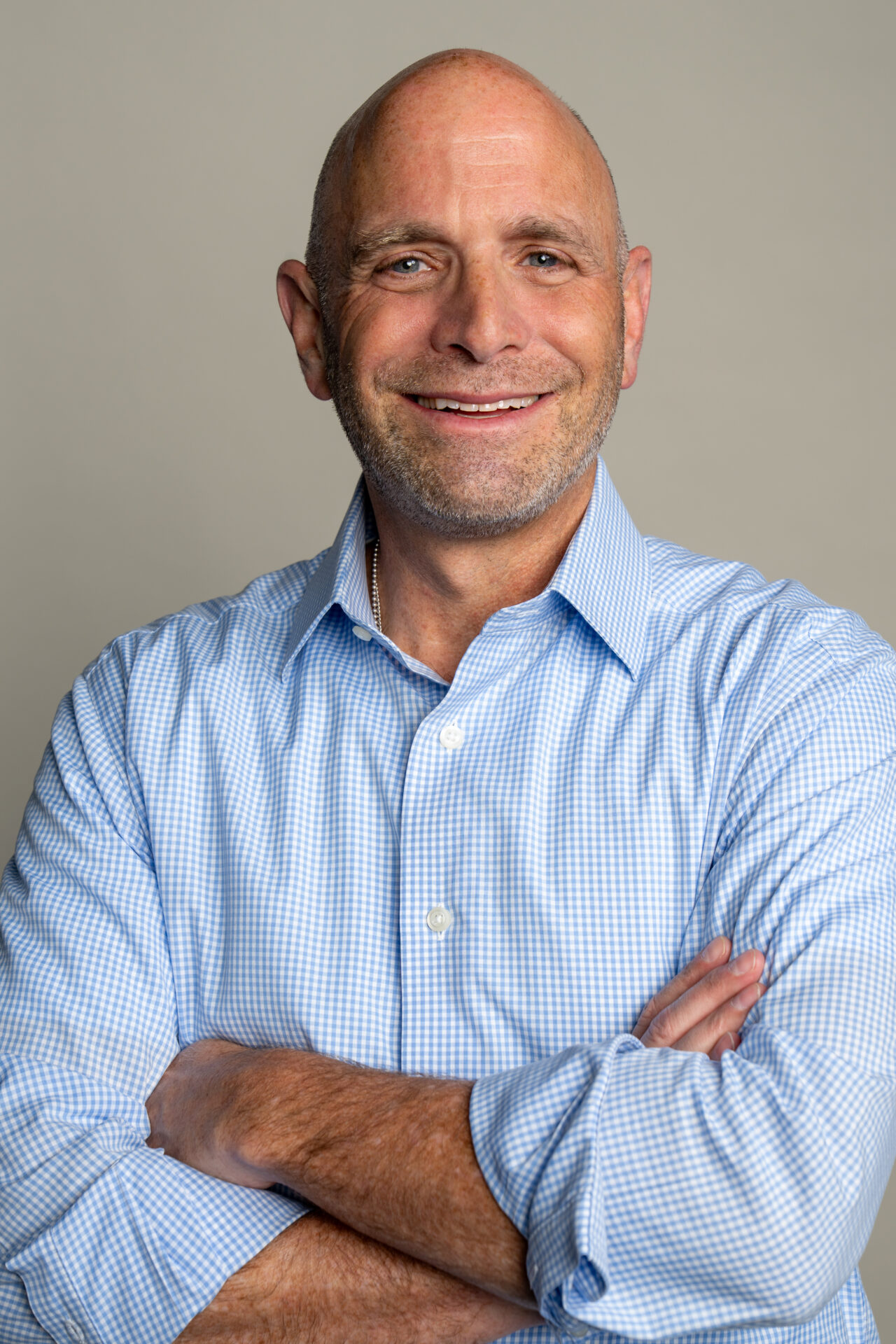
Senior Vice President, OCVIBE
There are plenty of venue executives capable of successfully opening a new venue, but few have the resume that Eric Bresler has.
With more than three decades of experience in the industry, Bresler knows how to ramp up excitement for a new building, having had a hand in opening Chase Center in San Francisco, home of the Golden State Warriors, and Seattle’s Climate Pledge Arena, which ranked No. 11 on Pollstar’s Year End Worldwide Top 200 Arena Grosses chart with $104.87 million.
He’s now back in Southern California as senior vice president of OCVIBE, an ambitious $4 billion entertainment complex that not only aims to expand the SoCal market but also to distinguish Orange County as its own market separate from its neighbor about 30 miles north (Los Angeles).
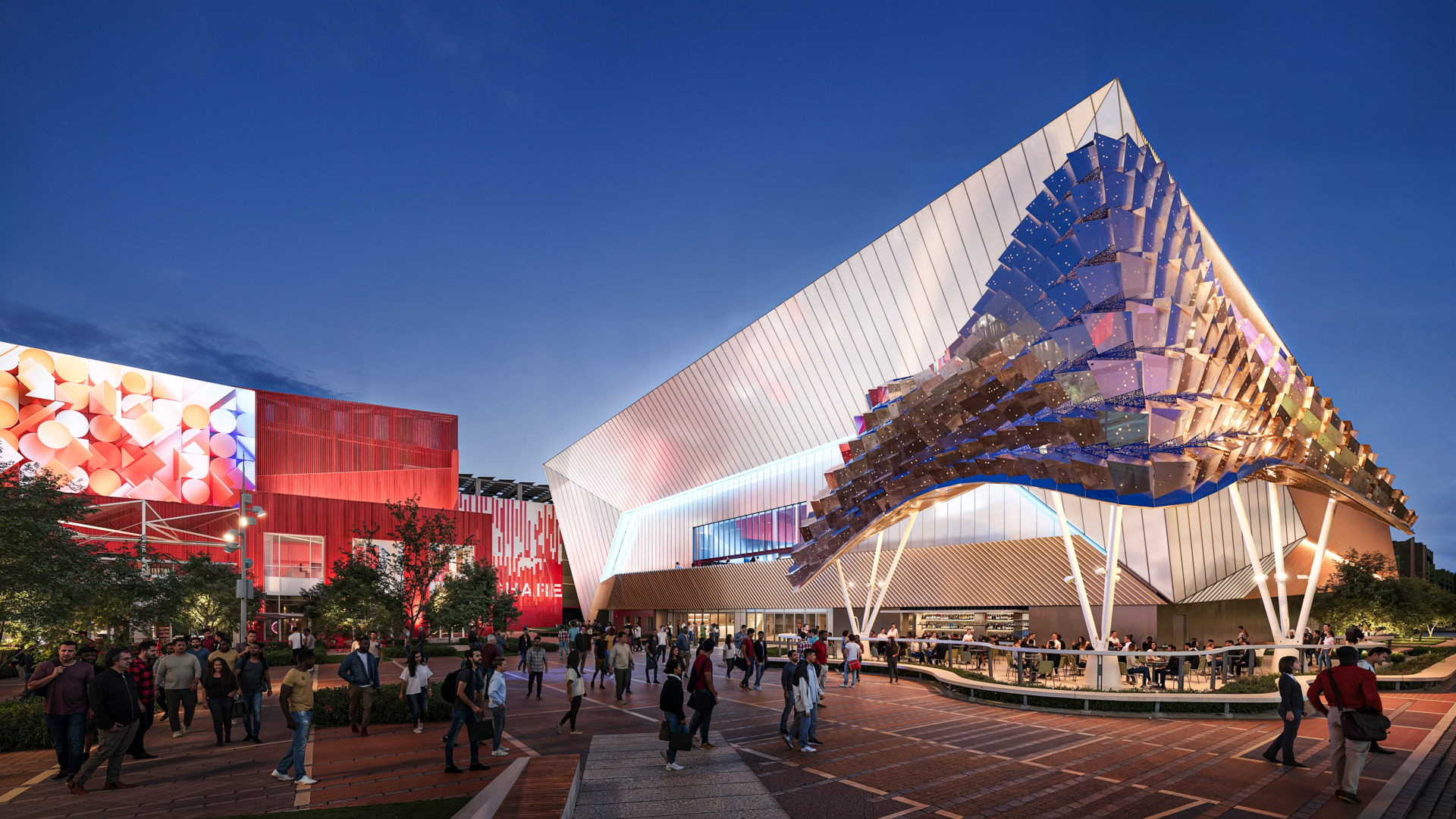
In addition to renovating the Honda Center, OCVIBE is changing the vast SoCal live entertainment landscape with the construction of a new 5,000-capacity concert hall within walking distance of the arena to give Anaheim a healthy ecosystem where artists can develop and grow in the booming live business.
Bresler took the time to chat with VenuesNow to discuss the future of live music in Orange County and how OCVIBE’s concert hall is unlike any other venue in Southern California.
Pollstar: As an L.A. native, it must be nice to be working on this project in Southern California.
Eric Besler: There is something special about coming home and being a part of something that not only is special but also groundbreaking. And when you can do it with people whom you are privileged to work alongside and then have an opportunity to work for an unbelievable ownership group? There’s just nothing like it. Growing up in Southern California and now being down south, there is a difference. This is special. For me, personally and professionally, it’s a highlight.
With your background, for you to join OCVIBE says something about what they’re doing and your belief in it. Tell me about the inception of this concert hall project.
It’ll soon be a year since I’ve been here. When I initially had conversations with OCVIBE, it was brought up that they were building a performance theater. When I started to dive into it with the team and leadership, one of the things I realized in the development of this theater is the fact that it fills a void in the greater Southern California Orange County market. There just isn’t this type of room in the market. So, there was opportunity to grow the footprint within the ecosystem of Honda Center.
The growth of these developments and these theaters within other venues and the landscape of these venues is a trend that continues to grow. You look at the fact that there’s a new theater being built in Utah with the Jazz and Mammoth as a part of the Delta Center. The Pacers are building a new theater in the area alongside Bainbridge and Indy with the Pacers. For us, it was the fact that this market really didn’t have a room of this size to capitalize on the music and the entertainment that can now play greater Orange County and Anaheim.
What trends in the industry call for that size in a venue? What does it say about the state of the industry?
I think it lends to the fact that the music industry has evolved. It’s the fact that there are many more artists who have graduated from playing a club and may not necessarily be ready yet for an arena, right? So now they’ve got a home to be able to build their career on a natural evolution. I think we can say that there are sometimes acts who immediately go from a club, and all of a sudden, you try to put them in an arena, and it’s too soon. There’s much more now of an establishment to play the long game with artists and say, ‘OK, I’m starting in a small club. I’m now going to go to the mid-size room, and I’m going to eventually graduate to play in the arena.’
And I think there’s healthiness with our industry and a commitment from the agents, the promoters and the managers in artist development and artist longevity as opposed to the quick path of getting into an arena. Now there’s a home for them to be able to play multiple nights in an intimate environment that brings their fans close to the act. That’s still something that artists want to be able to do is connect with their fans. And these mid-size rooms provide you with that environment to connect with your fans and grow them long-term.
You look at the longevity of the long-standing artist, the Eagles, Bruce Springsteen, the heritage bands, they’ve been around for so long because they still have that connection with their fans. But even they started in clubs. And so, building out those longevity artists is really, really important.
What I’m seeing as I talked to my peers is that there’s a sweet spot available now, and the industry is capitalizing on it.
The location is great. We’ve seen developers create these cultural hubs, and Downtown L.A. has its own. How have these developments evolved over the years?
I’ll tell you the most successful ones and where we think we’re going to have an impact is creating that 365 destination.
If you look at it from the standpoint of not only yes, the events, but what we’re building with telecom and our market hall and our eateries is something that will have a tremendous impact. The one thing that also comes into play with us is that we are very, very fortunate to have a strong relationship with Visit Anaheim, creating that destination tied into tourism. We are that location where there can always be something going on or you can just come grab a nice meal.
We are also part of the Grove of Anaheim, and that puts it adjacent to OCVIBE, which gives us another 1,500-capacity room from an entertainment and programming perspective. We look at it and say we want to own the mile. And so being able to own that mile gives us that footprint to really give us something for everyone, it doesn’t just have to be an act of an event. You can just eat and socialize and want to be outside. not just has to be an act or an event, but hey, I want to come eat and socialize. I want to be outside. Our elements really provide that.
The space looks so versatile that it can host a variety of different shows. Tell me about the vision of the venue and how OCVIBE approached it with Populous when it comes to the design.
That comes back to the vision where we saw that sweet spot, but that extends into special events. We’re very fortunate to have a terrific special events department led by Katie Pederson. The amenities backstage, in terms of how we envision the trucks and the crew, the showers, the vast amount of workspace, but really having that open-air courtyard just sets us apart.
We can totally see our corporate partners and special event operators taking a real liking to this room and realizing that it gives them an opportunity to build out those significant events.
Along with the music events and the theater shows that we know will be successful, there is an opportunity to grow our entertainment base and capitalize on that sector as well. We’ve spent a lot of time talking about how we activate, for example, with the UFC. When we look at UFC, we have a terrific relationship with them, and they do fights at Honda Center. But [the concert hall] now gives us another room right next door to do the weigh-ins, or maybe we develop a watch party. How do I capitalize on my fans that are there but also build out auxiliary events that keep you within the ecosystem, keep you on campus and engage you from the time you arrive to the time you leave? That starts with just having those opportunities to build it out.
That’s exciting, especially with the Olympics coming in 2028.
We’re incredibly excited because of the fact that we are going to have volleyball for the Olympics in Anaheim. It’s a monumental moment for us. It’s something we’re really leaning into. In everything that we’re developing, that’s a crucial part of it. It goes back to the vision of [Anaheim Ducks owners] Henry and Susan Samueli and the leadership in terms of what OCVIBE is going to be and why we’re building it. This is, for them, that moment to give back to the Greater Orange County and Anaheim, something that’s special.
How can venues like the concert hall develop artists, creatively and professionally?
I think there’s a great responsibility and a passion for artist development. When you work for a theater, that’s the fun—to develop an up-and-coming artist and say, ‘Hey, we can provide that opportunity for somebody to be discovered.’ These rooms provide that opportunity, and we’ve actually had conversations about it in developing partnerships for up-and-coming artists. … We’re all committed to developing that type of program alongside the other events.
Going back to the versatility. What are the different capacities that the venue can accommodate?
The most important thing you touched on is that it’s built with flexibility in mind and intimacy. You’ve got a full curtain system now with three levels. We can curtain off the upper level and create that intimate environment for the shows, along with the idea that it lends to providing the right setting for that act and give us that space to allow for fans to be closer to their artist. The curtain creates the right environment and shrinks the building down.
The other piece of this is just the fact that what’s most important is that we do want to have a full slate of diversified artists. We want every genre represented. It’s going to be very important to us that we capitalize on every type of artist.
The other part of it is that there are genres that continue to evolve. K-pop continues to grow and being able to be flexible and nimble with the environments allow for us to [accommodate all types of shows]. The other part of it that is important is that our floor can be flexible. We can have an open floor; we can do a seated floor. The variable seating concepts allow us to be flexible, creative, but also bring something to the table that there’s a seating configuration or a setup for everyone.
Eric, you’ve obviously been a part of venue openings, and it’s always a challenge.
No, no, no. They’re a piece of cake! Everything goes smoothly. [Laughs.]
You helped open Climate Pledge Arena in Seattle. Some may say SoCal is a saturated market, but OCVIBE seems to be bullish on the live industry. Why do you think the region needs a building like this one?
I’ve been very fortunate to open up some terrific facilities. But you’re only as good as the team you get to work alongside. And so I want to express to that we have a truly amazing team that I’ve been able to join and the passion for it can’t be understated.
We’re redoing Honda Center in a three-year transformation. We are building the concert hall. We’re building out Katella Commons. But all of that being said, the enthusiasm to get it done is from the standpoint that we’re not in Los Angeles. We are entering the market in greater Orange County with a standalone theater on the property of OCVIBE that fills a void, and from that perspective, gives us a tremendous opportunity. There’s the pace to get it done, but there’s also the passion for the fact that we’re building something that can have tremendous impact. The opportunity to be able to bring this theater to life in a market that’s thriving for entertainment—with a lot of people, respectfully and frankly, who don’t want to drive to Los Angeles because of the travel time—exists.
We live in the community; we embrace the community. That allows us to treat this property at OCVIBE as something truly special because we’re engaged in it, we’re living it every day.
When someone mentions Southern California, whether its sports or concerts, one’s mind immediately goes to Los Angeles. This concert hall and everything else at OCVIBE can maybe change that.
It’s something that I think we’re living 24/7. I would tell you that it’s something the programming team, the arena marketing team, the arena communications team all spend a lot of time talking about, saying, ‘What is our best approach? What is our passion? What is our enthusiasm to get people to understand that the market itself is a market all into its own?’
I think we’re cutting through that, one show at a time, one communication at a time, selling out great shows. We have a very compelling story to tell.
FREE
 Daily Pulse
Subscribe
Daily Pulse
Subscribe
 Daily Pulse
Subscribe
Daily Pulse
Subscribe