
Executive Profile: Veteran Canadian Promoter Emmanuel Patterson Celebrates 5 Years Of New Indie F7 Entertainment
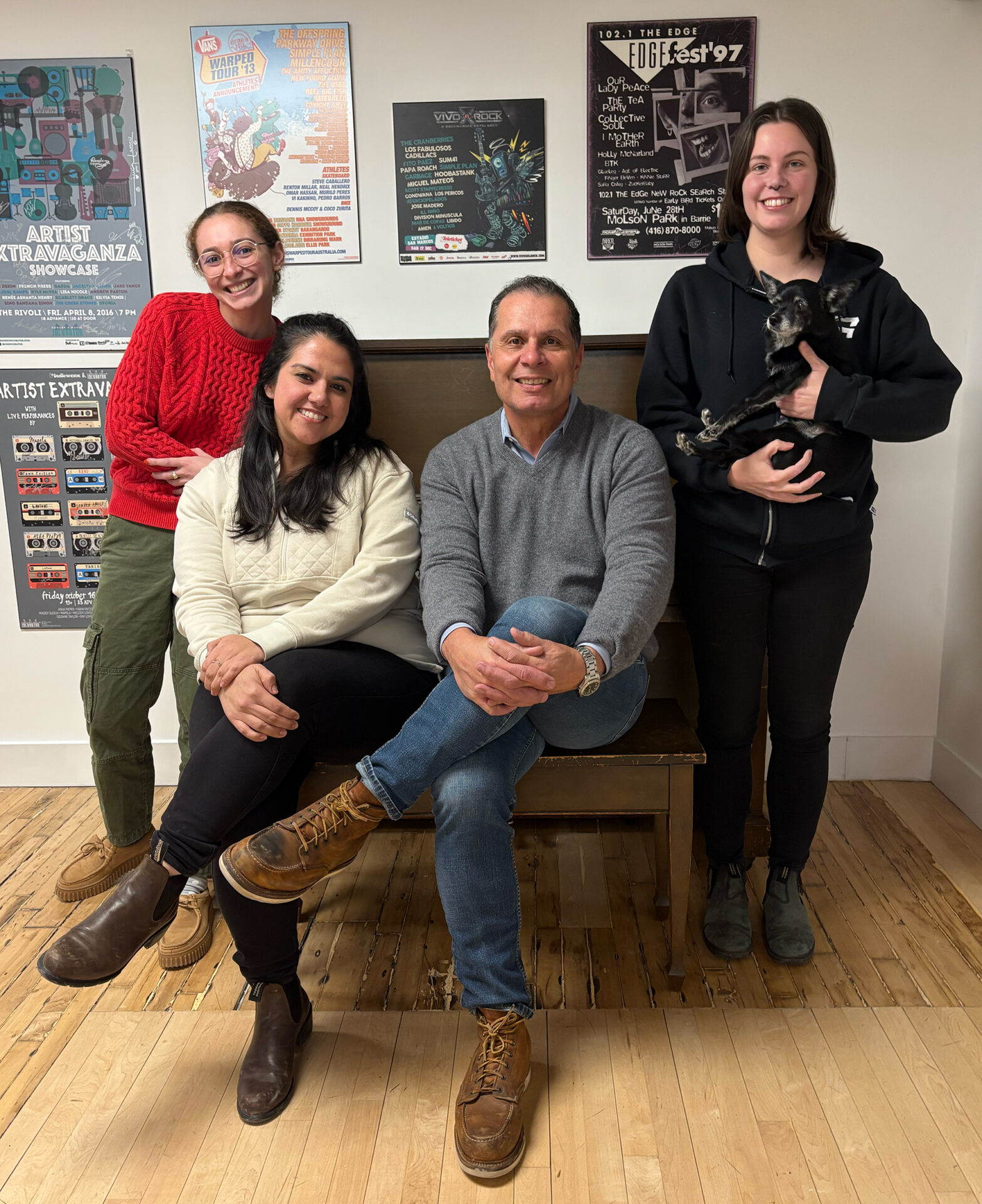
Emmanuel Patterson is celebrating his 40th year as a concert promoter in Canada, the first 10 at the University of Waterloo, then over 25 years in Toronto with Live Nation Canada and its previous incarnations at House of Blues Concerts, Universal Concerts and MCA Concerts, and most recently as founder of F7 Entertainment Group, which celebrates its fifth anniversary next month.
With most of his concert life as a cog in the wheel of the the dominant promoter machine, setting out as an indie was quite a change from behemoth to boutique, but he’s proudly landed tours or shows with major talent including Lauryn Hill, Chris de Burgh, Lamb of God, Halestorm, Everclear, Black Label Society, Mel C, Papa Roach, Dropkick Murphy’s, and Rise Against.
“That’s what I do,” he tells Pollstar. “I told Geddy Lee this a long time ago, when I first started with working at that arena level with MCA Concerts. I said, ‘I used to go see your shows when I was like 12, 13 years old and after about three songs, I just wanted to know what was behind the curtain.’ That curtain is what always attracted me, how everything just showed up that day and the show went on and then everything rolls out the next day. It was a ‘Wizard of Oz’ type experience.”
While Patterson was born in Toronto, he was raised from infancy in Waterloo, a university town about 70 miles west. In high school, he put on punk shows by the likes of D.O.A., then got his post-secondary education at University of Waterloo and Wilfred Laurier. His first paid position as a promoter was at the University of Waterloo in 1986, booking talent for the Federation of Students, through BENT, the Board of Entertainment.
He recalls the exact date of his first “arena” show, actually a large gym that had bleachers and held 5,000 people, Simply Red with opening act Danny Wilson, on Sept. 4, 1986. “I think they were playing Toronto on the one day or and I just got the off date, which is still the way that happens,” Patterson says.
Over the next decade, he did shows by Sisters of Mercy and The The, and created the Sounds of Summer Music Festival. “There weren’t the big conglomerates; there wasn’t what’s going on now,” he says. “I was promoting as an independent, even when I was at the university.”
After a decade, he was hired by MCA Concerts Canada, now Live Nation Canada, working the last nine years in the role of promoter and director of festivals, and didn’t leave until COVID in 2021.
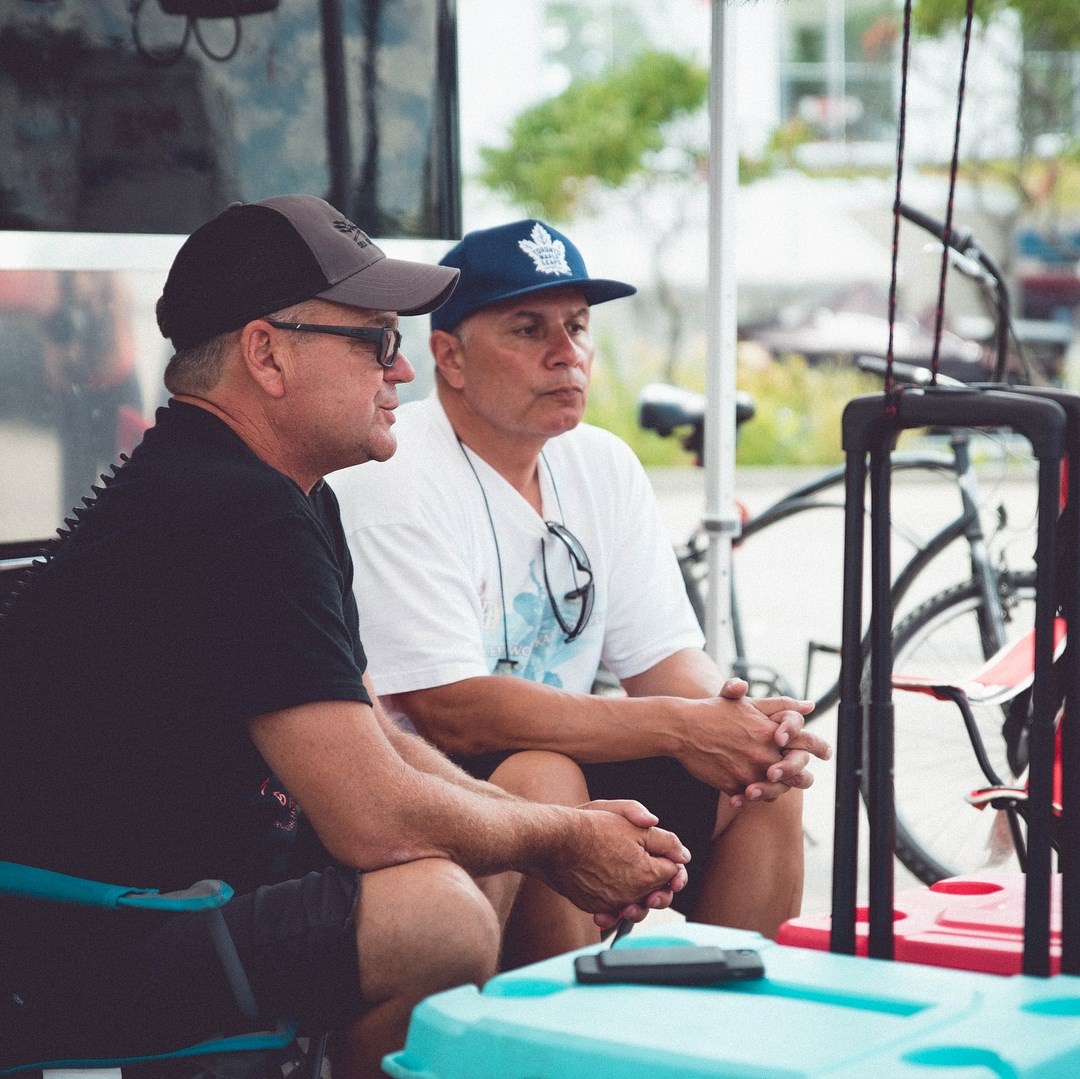
Pollstar: Before starting F7, you were essentially at what is now Live Nation your entire career. Who brought you in and what were you doing when you left?
Emmanuel Patterson: (Promoter) Steve Herman brought me in, who’s still a driving force behind global touring out of Los Angeles. He brought me in, I believe, because I was doing a lot of university work and they were looking for promoters. And there was another guy [Ian Low] that was brought in from the West Coast at the same time, who’s still there. The first project I did with the company was the Vans Warped Tour in ‘96. That’s what they brought me in to do because I had some specialized knowledge of doing festivals and logistics. To this day, [founder] Kevin Lyman is still a good friend; I see him two or three times a year.
So, that’s when it all started. And as you go through that, you start booking smaller shows, you get into the club stuff, the 1,000-seaters, and eventually you work your way into doing bigger festivals or doing arena shows across the country. When I left, it was during COVID.
That’s a pretty gutsy move, after a devastating time in our industry that ground the live industry to a halt, to start your own company.
It didn’t feel like 26 years between MCA, House of Blues, Universal. I stayed in the same office most of the time at the amphitheater until things changed. It’s the deals and the logistics of the tour that I really enjoy doing, building something from the ground up with the agent and the manager; all the structural stuff with the ticketing and figuring out what price points are. The consumer doesn’t see a lot of that stuff, what happens before the curtain goes up at 8 o’clock? And it takes months and years sometimes.
So, COVID happened and it wiped out pretty well anything in the industry. It really was devastating for any club, any journalists, any promoters. There was just nothing to do except cancel tours and rebook them, cancel tours and rebook them. And, at that time too, I just felt that nothing was going to be the same coming out the other side of COVID. And as things opened up, things changed, too. The great part about the music industry, it does pivot. There are new artists that come into it. There is new technology. There are ways to do business that’s a lot easier. It was going to change, and I didn’t know how long it was going to take and we parted ways.
If COVID didn’t happen, did you want to stay at Live Nation?
I think I’d still probably still be there if COVID hadn’t happened because there’s good people there. The Canadian congregation, whatever country they’re in, are very solid. Even in the touring cycle of the world that is now North America, which is now global, Canada is incredibly unique from area to area and only ones that really define it as unique are the people that work in those markets.
Was it easy to launch F7?
It took about a year to figure it all out and get the right people involved, raise the money privately to get to even launch and then legal and things like that. We had people already on the team. We started out with a structure, which was a little more ambitious than it turned out to be post-COVID. There were a couple of different tiers to it. We wanted to buy clubs. We wanted to have a record company. We wanted to develop management. And we found that we had to focus on making money first. I know where we’ve taken it is the most logical path because the clubs are struggling. Even these bigger tours aren’t always selling tickets.
So, we found our niche for expansion and growth don’t have to be 100% music driven. Some of our non-traditional entertainment, like comedy tours, the theatrical screenings of iconic films, and creating an indoor, real ice surface for a theatre-based skating shows, featuring Canadian Olympic medallist Eric Radford, live events that are uniquely different that cater to our efforts to expand our audiences and the overall fan experiences.
Was it bravery or insanity to go head-to-head with Live Nation and AEG?
(Laughs). I think it’s a little bit of both, but it’s something I’ve really embraced. I’m committed to F7 as much as I’ve ever committed myself to anything else in my work life. I feel really good doing it. We’ve created an environment that we wanted to work in. The space that we wanted to work in is not the same space as the multinationals.
The F7 boilerplate states it’s “aimed at expanding Canada’s live music reach.” You call it a “dynamic and inclusive culture.” You use the word “innovation,” in terms of developing your niche.
As far as working with the representatives of the artist, often it’s a collaboration between artists and their manager and their agent because we don’t go out and buy a global tour. That’s not our scale.
The initial thought — and this is still our mission if there is one — we try to go into markets where it’s underserved. Sometimes they’re tertiary markets, but not always. Sometimes they’re secondary markets that are just being passed over. Like, we’ll take a big rock show to Penticton or Kelowna or Grand Prairie in the west and, maybe, Quebec City or something, but the other operators will go to Toronto, Vancouver, Calgary. They go to their markets where they can make the best impact they can because they have 30 cities on that tour that they bought and they got to play North America. So, they don’t always play every market. In our situation, we’re not going after every market, either. But the odd time we get asked, “Would you like to do this show in a secondary, as an off date?” So, we do try to take that bigger shows, arena level shows, to the masses when we can in secondary markets.
I find that we are doing things that take a lot of patience sometimes and a lot of planning and a lot of conversation. And some of the bigger organizations, I don’t know if they have the time for that, but that’s how we’re approached from the outside. “Can we sit down and sort this out?” “Is this really worth it?”
“Is every market the same in Canada?” “No.”
“Is Chicago like Toronto?” “Well, no, it’s not.” Toronto is probably the third biggest market for live entertainment in North America, without a doubt.
That why you stay out of some of the major markets at certain times, like the summer, because how much attention can I get for my cool Australian rock band playing at the Queen Elizabeth Theatre? So, you work around it. I wouldn’t say it’s fringy, but I like doing things that other people don’t.
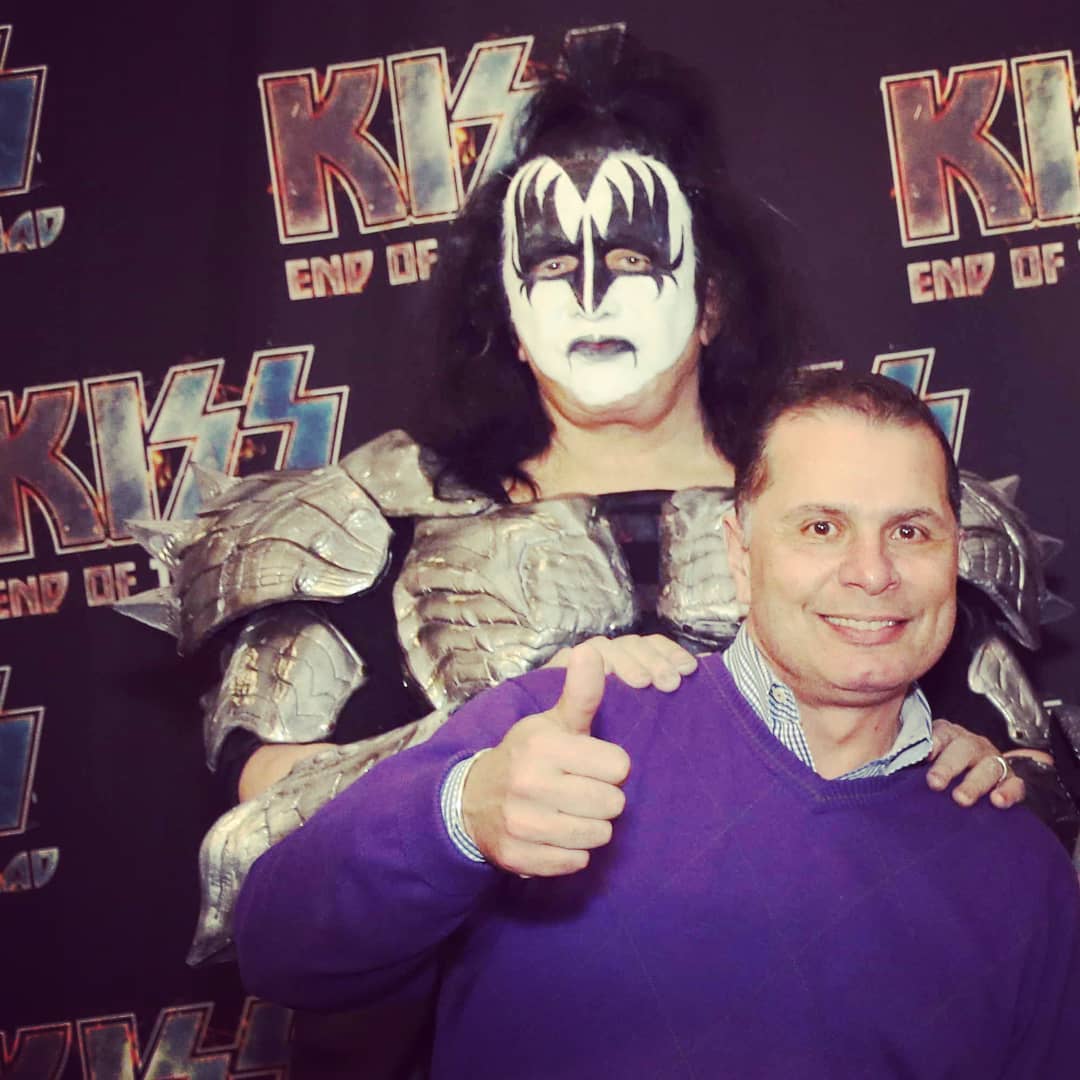
You have a staff of seven people including yourself.
I run it like a startup, which is sometimes feast or famine. That’s the punk-rock way to do it. We don’t have a country behind us or a bank behind us or a multinational system, so we have to be very careful what we do and when we do it, as well.
I would really like to say there is an art to being a promoter. It’s not as routine as one might think, no matter what level you’re at. A real promoter is a real promoter and they think through: What’s the story here? Is there a song that resonates? Is there an album that’s coming out with a good song? Why are we doing this? It doesn’t always matter if you’re a fan of the band. It’s just, what can I do to the best of my abilities as a company or individual to move this project forward and move the artist into a space they want to be? And then there’s the risk factor, too, but that’s part of being a promoter. It’s the Barnum and Bailey way of doing a business.
You got Chris de Burgh and Black Label Society. Are these relationships you had at Live Nation?
Yeah, some are relationships we had before. Some of the harder rock, they’ve worked with other independent promoters before or venues. So, I’m not the only one getting a call in Canada. There’s others. We still compete for it or in a bidding system, but I’m not competing. It’s rare that I would ever run into a multinational.
You are doing some co-promotes, though. You did with Everclear.
We do have venue partners we go into because it’s things that they can’t get in their markets. An arena in any secondary in Canada, they may not be good at buying the talent or producing it, but they want to be involved because they have mandates to provide certain things for their citizens. I’m seeing that a lot in the 1,500- to 3,000-seat theater business. It’s something that is very lucrative. Sometimes you can put an arena show into a theater and people consider it an incredible experience because they’re up close and personal and you can charge higher prices (per ticket).
How many shows do you do a year?
We’re trying to average about 200 shows a year. One year was lower than that, but we did bigger shows in bigger venues, so it evens out as far as the economics.
Highlights?
That Lamb of God tour was really great. So was Halestorm with Lindsey Sterling, that whole tour. Many tours only stop at the Amphitheatre in Toronto. So, I try take them to other markets, do two or three markets. On the development side, doing bands like Grandson across the country has been great. He is an artist I have been involved with since the beginning, promoting his first date at The Drake Underground in Toronto in 2018. If you look at some of our programming, Black Label Society and Chris de Burgh have nothing to do with each other. Chris has 18 sold-out shows across Ontario, Quebec and into the Maritimes. I’ve never been a real music snob; I just like being a promoter of live shows. Chris is celebrating his 50th Anniversary tour and 40th Anniversary of “Lady in Red.” We’re working on the 40th Anniversary of Jim Henson’s iconic film “Labyrinth,” with a live band in a concert setting. That’s pretty niche because you’ve got to be a fan of cult cinema classics and a fan of David Bowie.
How did you land The Lauryn Hill shows in December?
Literally, on a Sunday morning, I got a call. It was someone representing Lauryn Hill with this idea of an artist “in residence” thing. She’s an incredible artist. She hasn’t put out an album in 30 years. I didn’t know whether there’s new material; I didn’t know whether it was Miseducation of Lauryn Hill. I had worked with her in the past, so I knew she was not only iconic, but has a mystical aura about her. The best way for me to put that is we do get calls that are from people who appreciate the fact that we will make the time to listen to them and work through their ideas with the end result being successful touring and marketing strategies. I’m not saying that’s any better or worse than anyone else; it’s just that we’re a smaller company that can engage on different levels. Ultimately, it’s easier to get a hold of one guy and have three people assigned to the project, all sitting within 20 feet of the office.
FREE
 Daily Pulse
Subscribe
Daily Pulse
Subscribe
 Daily Pulse
Subscribe
Daily Pulse
Subscribe