
The Rhyme Animal, The Uncannable: Chuck D on Fighting Power, Public Enemy’s 40th, Rocking Stadiums
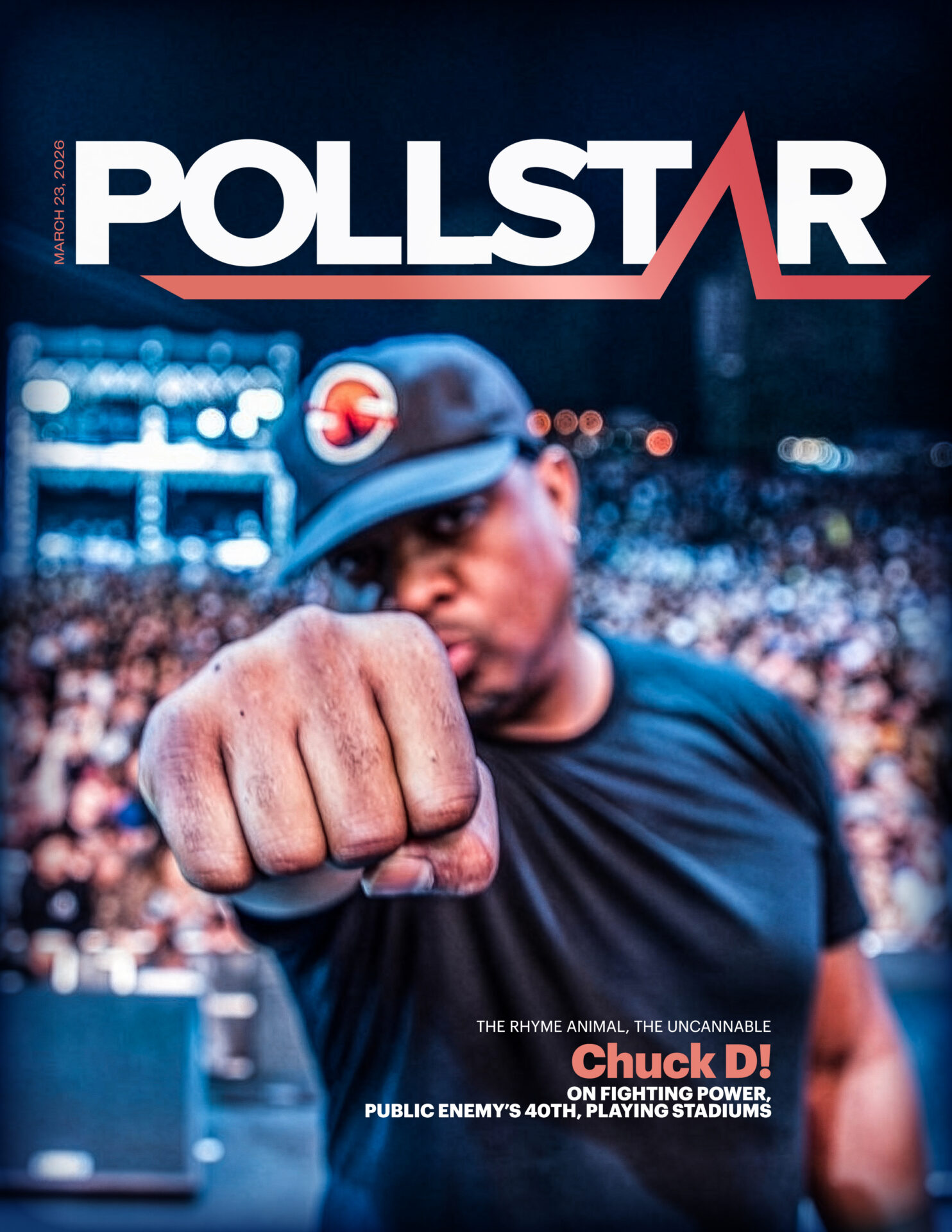
Chuck D just spent 90 minutes in a dentist’s chair undergoing a procedure to close up a gap in his teeth that had been affecting his speech for the better part of a year. “I couldn’t even say ‘shit’ correctly,” he says with a laugh. It’s a momentary glimpse into a day-in-the-life of one of hip-hop’s legendary and most respected figures. As the frontman of Public Enemy, Chuck—along with the omnipresent Flavor Flav—his inimitable and commanding voice became the soundtrack to a revolution.
Beginning in 1987 with the stone-cold classic Yo! Bum Rush the Show, Public Enemy boldly addressed controversial topics most rap groups were afraid to touch, including systemic racism, police brutality, censorship and other political injustices. Their catalog is filled with stone cold classic anthems like “Fight the Power.” “Bring The Noise,” “Welcome To The Terrordome,” “Rebel Without A Pause” and “Don’t Believe the Hype,”—all in-your-face rallying cries that fueled a movement and continues to inspire subsequent generations.
The latter, “Don’t Believe The Hype” was actually spawned by the ongoing and unjust scornful press that rap music was getting at the time. Run-DMC’s 1986 “Raising Hell Tour” featuring LL Cool J, Beastie Boys and Whodini, in particular, was targeted as “violent” and “hostile” after fights broke out at various venues across the U.S., leading to the assumption that hip-hop itself was the root cause. When the track was released as part of Public Enemy’s sophomore album, It Takes a Nation of Millions to Hold Us Back, in 1988, it carried a strong message that pushed back on the stigma plaguing rap music.
“The ‘hype’ was all the words being said not only about Black people but also rap music,” Chuck D, 65, says. “They made it synonymous with the movement of Black people. We didn’t have national mainstream exposure anywhere, so everything about rap music was still coming from the shadows, and the stereotypes were very easy. Without understanding the plight that the 1980s put Black folks in—starting from Reagan and Bush—it had a significant effect on us”
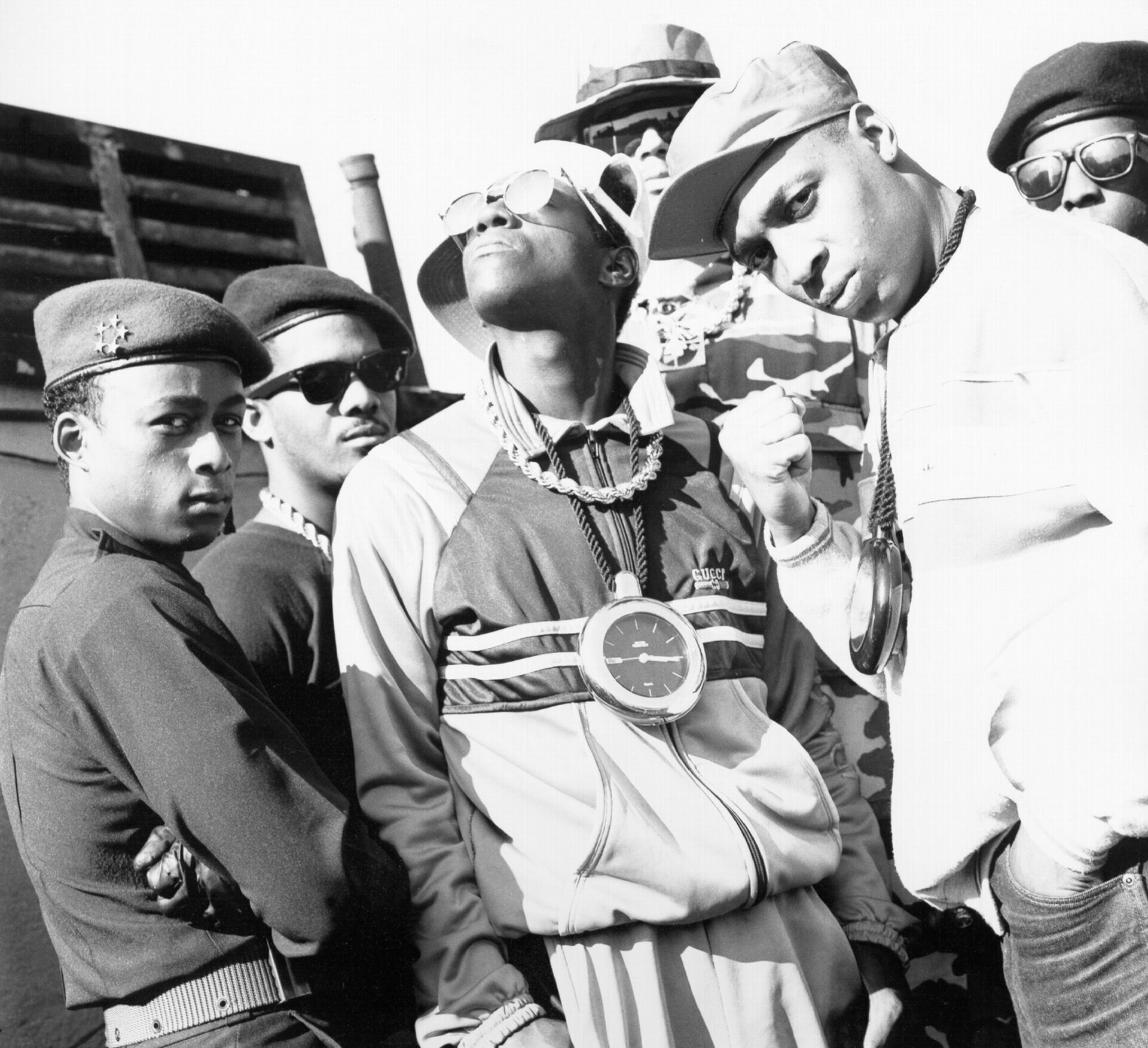
“We were seeing Black communities go from being self-reliant and prosperous to really down and into decay, and that came from guns, drugs and gangs that escalated during the ‘80s,” he continues. “Rap music was coming out of it and if you talk about all the conditions of the urban plight of the ‘80s, what we fail to realize is that most of the raps that were coming out were answering that. Rap music was not saluting it. As a matter of fact, rap music talked against the plight and didn’t parade it. It didn’t brag about drug dealers. It talked against that. It helped women. This wasn’t picked up by the media. They always talked about the negative aspects, so ‘Don’t Believe the Hype’ was like, ‘This is hype and just bad news about us.”
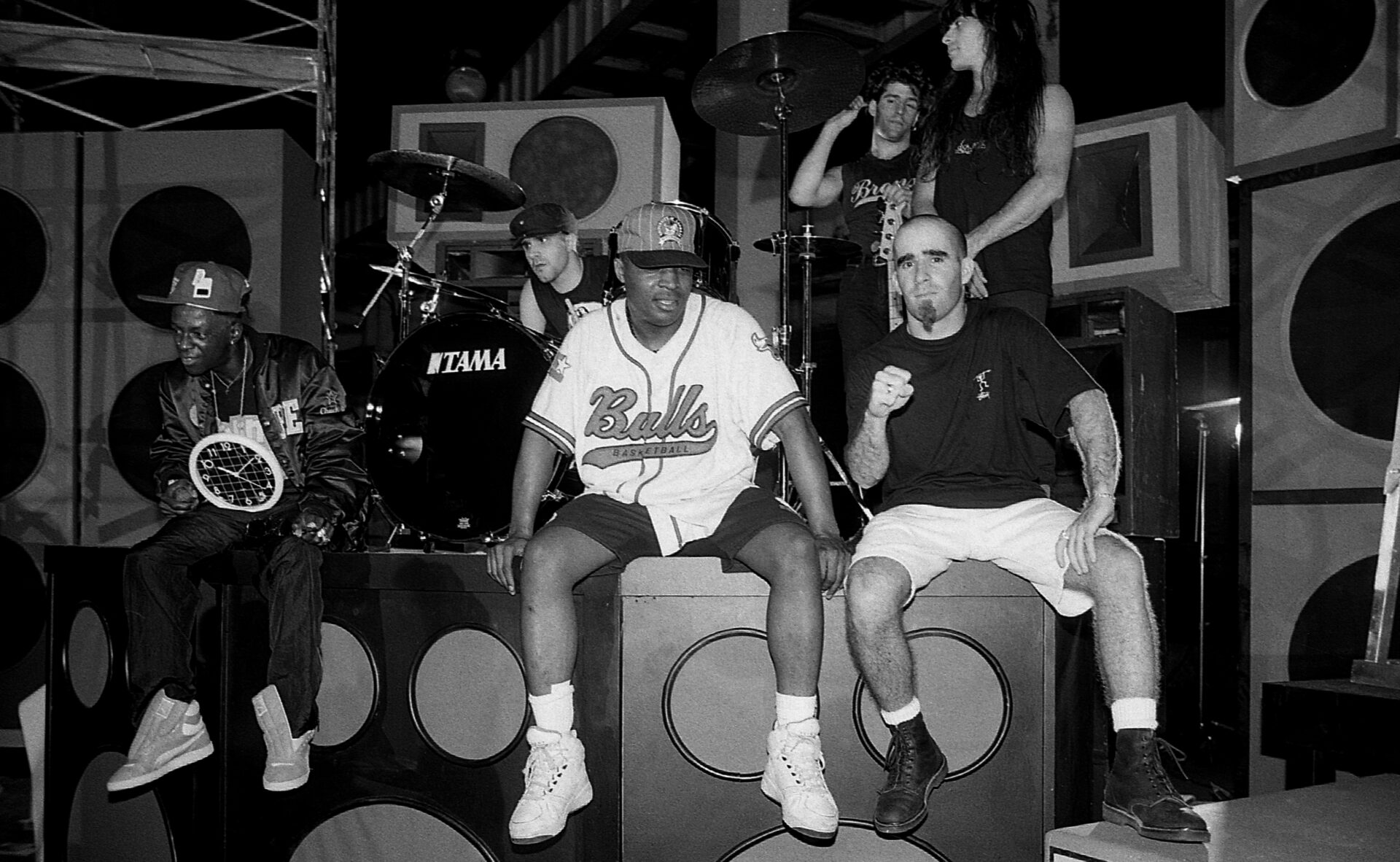
Still, Public Enemy pressed on, pumping out the groundbreaking albums Fear of a Black Planet (1990) and Apocalypse ’91: The Enemy Strikes Black (1991). 1991 was also the year Public Enemy went on the “Bring the Noise Tour” with Anthrax, named after their explosive collaborative single, the thrash metal-rap hybrid “Bring the Noise.” Playing amphitheaters, theaters, ballrooms and more, the tour was supported by Primus and Young Black Teenagers with the roughly 28-date trek bridging the gap between hip-hop and metal fans.
“Public Enemy was one of the first to do that,” Chuck says. “When we did the Bring the Noise Tour with Anthrax in 1991, it was so groundbreaking that people never thought anything like that would exist, and it made history. And from that point on, the meshing of rock and rap became so much easier.”
Chuck credits Afrika Bambaataa and Sex Pistols/PiL’s John Lydon for laying the blueprint in 1984 with their collaboration, “Time Zone” (with their indelible hit “World Destruction “as well as Run-DMC, whose 1986 crossover hit with Aerosmith, “Walk This Way,” smashed the charts. The song not only peaked at No. 4 on the U.S. Billboard Hot 100, but it also became Run-DMC’s most successful single.
“The thing that was different is that they never toured with them,” Chuck points out. “And Anthrax really went bold because they were the first group to cover a rap hit from a rock standpoint. After we shot the video in Chicago, we were on the bus and Scott and I were talking, and Scott just basically said, ‘Hey, you know, let’s tour together.’ And I said, ‘Great.’ The powers that be got together and we made “Bring the Noise Tour.”
Estimable veteran agent Sam Hunt of THE•TEAM (formerly Wasserman), whose impressive client roster includes Public Enemy and Chuck D, is seeing more rock and rap groups coexist on major tours and festival bills. Clipse, for example, will open for Linkin Park on several overseas stadium dates as part of the “From World Zero Tour.”
“Rap that is from the ‘80s, ‘90s, even 2000s taken in context probably has more in common with like alt-rock than rap in 2026,” Hunt says. “The music that acts like Public Enemy or even Clipse make probably resonates more with an audience that is excited about Anthrax, Linkin Park, Deftones or Limp Bizkit.”
Nearly 40 years later, Public Enemy is still blazing trails. Last summer, they did an international run with Guns N’ Roses, continuing the rock-rap tradition. They’ll do another eight Live Nation-produced stadium dates with the Axl Rose-fronted group later this year, beginning July 23 at Carter-Finley Stadium in Raleigh, North Carolina.
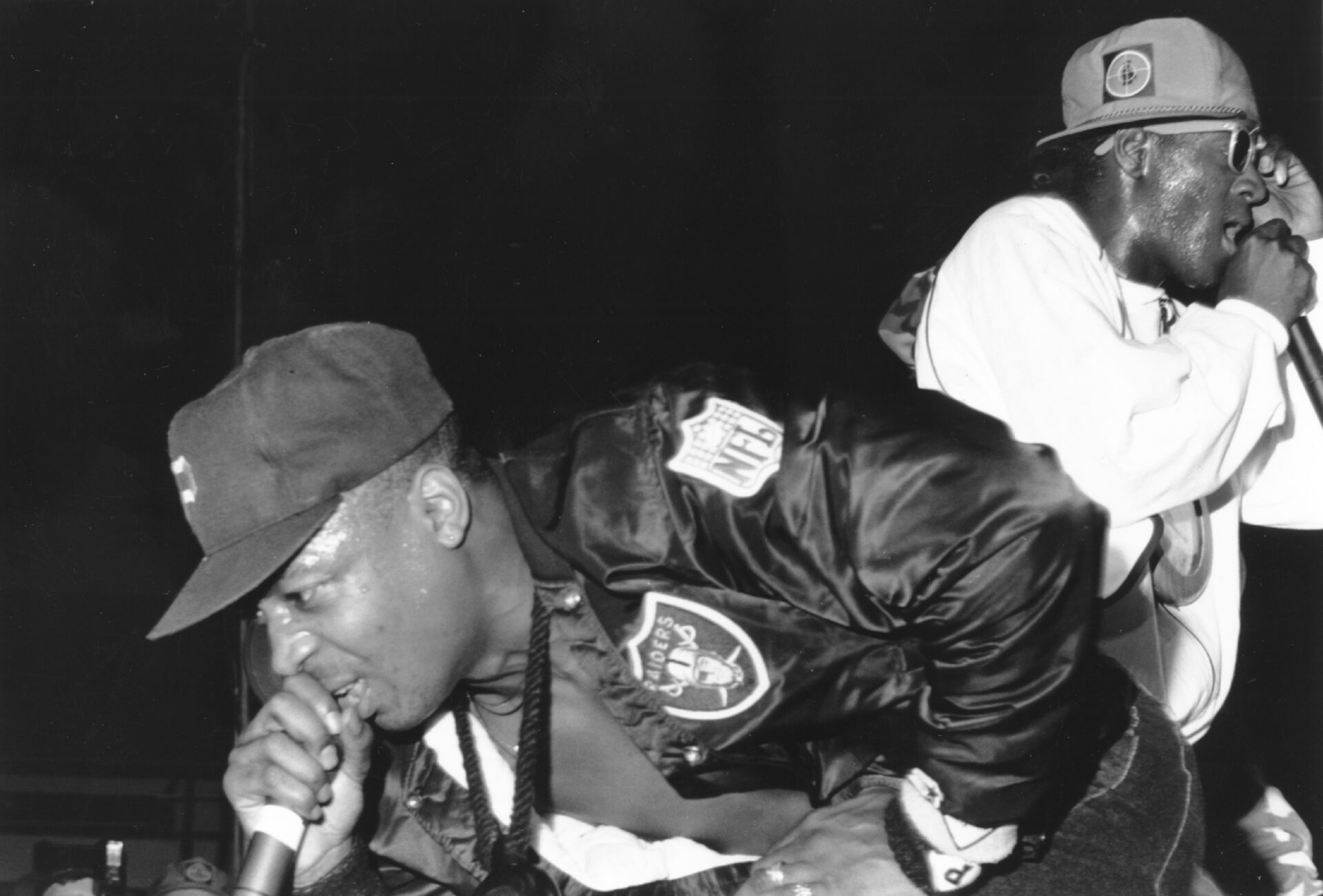
“The Guns N’ Roses tour happened through Sam Hunt and Flavor Flav’s manager Rhiannon,” Chuck says. “We had a fantastic time. We thought the Guns N’ Roses organization with Public Enemy was an unbelievable invitation and a natural fit. In these wild, turbulent times, we thank the Guns N’ Roses organization. We think that Public Enemy has some legacy in a time that needs music to say so much.”
With Public Enemy celebrating its 40th anniversary in 2027, there’s a good chance fans will get to see another iteration of “The Bring the Noise Tour”—at least in some capacity.
“Myself and [Anthrax guitarist] Scott Ian already talked about the possibility of doing some key dates together,” Chuck says. Clearly, both Chuck and Hunt are thinking ahead to what Public Enemy’s 40th anniversary year will look like.
“I think they have a pretty clear vision of what they want to do to commemorate it,” Hunt says. “I think that it’s a lot of different things. I don’t know that the Anthrax and Public Enemy thing will be a whole tour, but I think there’s a real willingness to pay tribute to all of the most crucial moments of their career, including playing with Anthrax while celebrating all of the moments of their catalog and thinking about how the music sits in 2026 and maybe even redoing some of it.”
Public Enemy dropped their latest album, Black Sky Over the Projects: Apartment 2025, last July and followed up with a reimagined version of their 1998 single “He Got Game” called “She Got Game” in February. Chuck D also started a project with The Doors’ John Densmore called doPE. They’ll release their debut album, no country for old men, on April 18. Meanwhile, his new print magazine, Rap Central Station, is on its third issue and pays homage to the pioneers and architects of hip-hop culture while honoring print media in an effort to help people detach from the technology that has swallowed up modern society.
“The magazine encapsulates everything that we do and is able to slow everything down,” Chuck explains. “Hip-hop can be operating at a wisdom level instead of a kid level. Scrolling ain’t reading and texting ain’t writing, and we feel that that we can slow down this art form so you recognize how brilliant, how fantastic and how great it is that there’s so much wisdom in the bars of MCs.”
And, as the pen behind some of the most relevant and impactful songs in hip-hop history, Chuck would know.
“Chuck is the ultimate artist’s artist, who did a thing because he thought it was the coolest, best, correct and sociologically sound thing to do without really regard to what else was happening in the culture,” Hunt says. “When other people were like, ‘No you can’t do this,’ he turned the whole world on its head. You can reach the most people and have them all understand what you’re doing and why you’re doing it and leave a mark on history, and I can’t think of many people that have done a better job of that than Chuck and Flav. People were inspired to make their own art because of what Chuck and Flav were able to do.”
FREE
 Daily Pulse
Subscribe
Daily Pulse
Subscribe
 Daily Pulse
Subscribe
Daily Pulse
Subscribe