
Fest 411: Borderland Festival Founder Jennifer Brazill Talks 2026 Edition
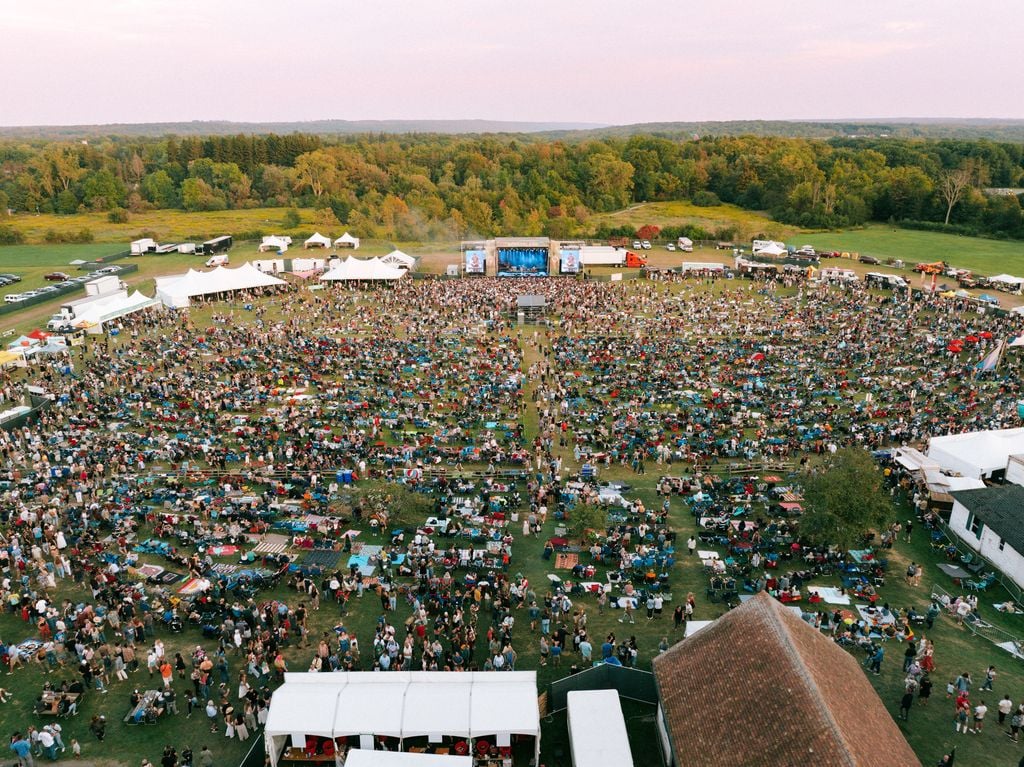
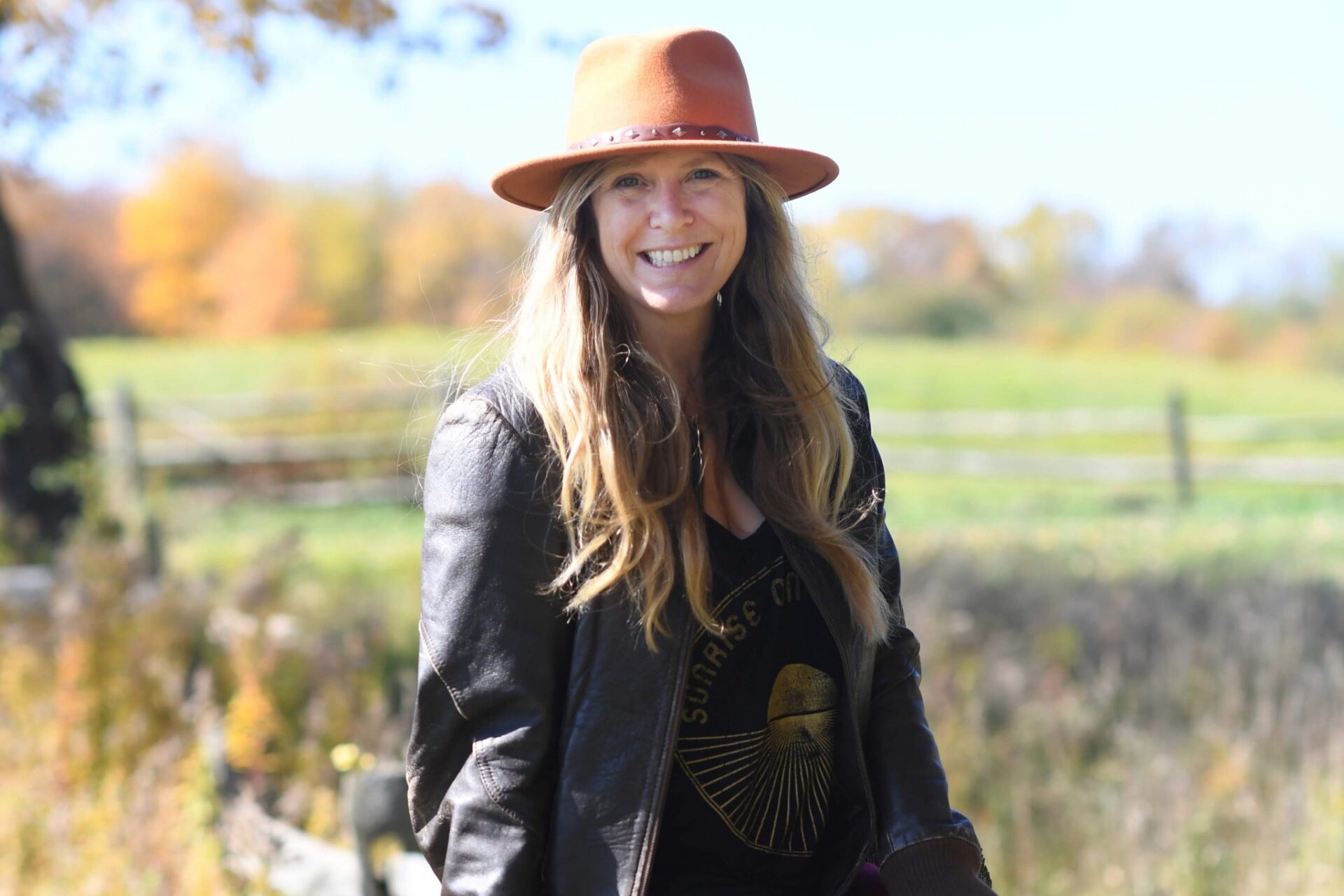
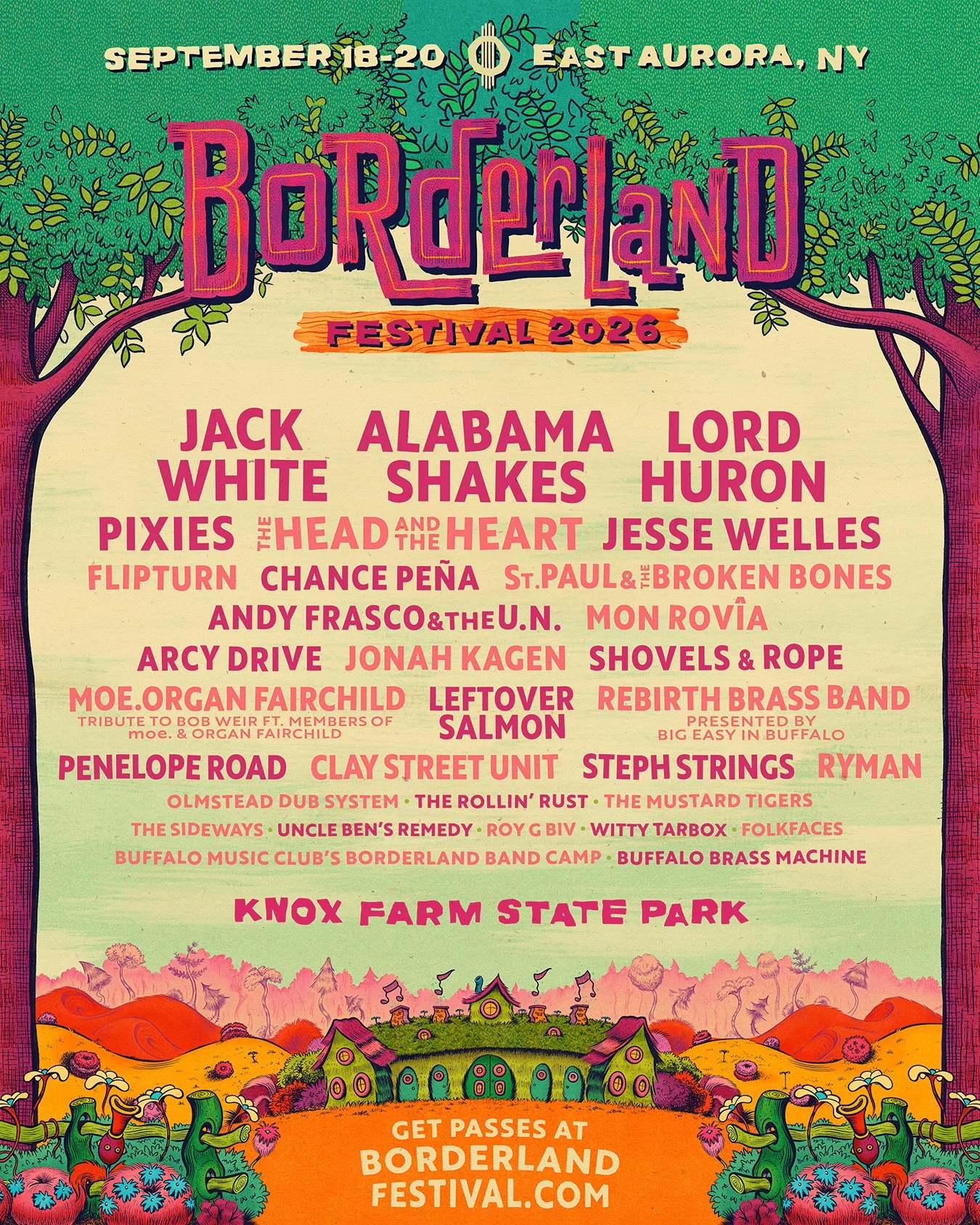
Jack White, Alabama Shakes and Lord Huron top the lineup for the 2026 edition of the Borderland Festival, which returns to Knox Farm State Park in East Aurora, New York, Sept. 18-20. Founder Jennifer Brazill caught up with Pollstar to chat about the boutique festival, which has grown into a star-studded destination event, while remaining fiercely independent and prioritizing sustainability.
Since launching in 2018 and attracting less than 3,000 fans a day, Borderland now expects to welcome 15,000 a day this fall. The 2026 lineup also boasts Pixies, The Head And The Heart, Jesse Welles, Flipturn, Chance Peña, St. Paul & The Broken Bones and more.
Brazill also discussed her journey in the live industry, which included working at Red Light Management in Charlottesville, Virginia, (with owner Coran Capshaw later becoming a minority investor in Borderland) to moving to L.A. and taking on multiple roles including opening her own independent record label, Dusty Peach Records, to serving as a partner at WinterWonderGrass in Colorado before returning to her hometown in western New York.
As Brazill explains, Knox Farm State Park, which is surrounded by rolling hills and trees, steered the direction of Borderland from its start.
Pollstar: Congrats on the lineup announcement. That’s exciting!
Jennifer Brazill: Besides festival week, the lineup announcement is the biggest part of the year. (laughs) I feel like I graduated college last week.
Before we get into the lineup, can you share how you first got your start in the industry?
I started at Red Light Management in Charlottesville. I had met Coran [Capshaw] at a wedding in Charlottesville. We bonded over our mutual love for the Grateful Dead and I ended up going to work for them. … I really learned so much and it actually lit the spark for me to want to do more.
Like most folks in the business, would you say it all stemmed from a love of music?
Yeah, that’s exactly it. (laughs) I was definitely more on the hippie, jam band side. Living in San Francisco in my early 20s I [was] just going to see music constantly … anything I could see, The Fillmore, The Warfield. I grew up [near] Buffalo on the East Coast, but then right after college, I moved out to California and really found my mecca … I went to every festival I could go to and every show that I could see.
And then you launched Borderland back on the East Coast. How did you land on the location?
It’s in my actual hometown where I grew up. So, I grew up in a town that’s about 20 minutes outside of Buffalo, New York. … I went from the West Coast to Charlottesville, then back to the West Coast, and I landed in L.A. I was doing all kinds of things like consulting on record labels and managing bands … And then I partnered up with a friend of mine from Colorado on [a festival] in Colorado called WinterWonderGrass, which I was a partner on for eight years and it’s another brand that started from ground zero, DIY. … I really wanted to branch out into booking different genres because that was niche. … I went home for a holiday and took a walk at this park where the festival exists now called Knox Farm State Park … And I was out there walking and just kind of started having this vision like, “Oh, maybe we could do something here.” I don’t know if you felt this in your life, but you know you need a change … but you don’t know exactly what it is yet. (laughs) And that’s how I felt when I was there. And I was like, there’s something, there’s a vision.
No matter where I was in the country, I took my sense of Buffalo pride with me everywhere I went. And I’ve stayed a season ticket holder of the Buffalo Bills my whole life. So, I’ve always had that foundation and my whole family’s there. I knew I was going to do something in the area and then it just kind of all came in a vision and then started building it. So it was very organic the way that it happened.
It sounds like you really just followed your intuition.
I really did. The timing of it was just really serendipitous, for sure. It’s a New York State Park so I was like, “Oh, they’re never going to go for this.” But they got on board so fast and have been so supportive throughout the entire process. This park is 633 acres. We take up about 15 acres of that, but it’s literally on the outskirts of the town I grew up in. My family is six generations deep so, I think that it helped that I had those roots … and a lot of people were able to account for my credibility.
For anyone who hasn’t been to the area, what can you share about the festival grounds?
It’s absolutely gorgeous. It sits up in rural western New York, surrounded by all these rolling hills, tons of trees. In year one when we started, I met with all these conservationists and bird people, to tell me how not to disrupt the wildlife and to be honest why we started at the festival in September is so that we didn’t disturb all these bobolinks that were nesting in the fields in August. So the park itself and the nature of the park really steered the direction of the brand since the beginning. We fence in a big perimeter for the festival, but outside of that there’s all these different trails. There’s an equestrian trail, horses go through there and people trail run and bike. It’s really beautiful. There’s a dog park in a little portion of the park.
What are some of the joys and challenges of being indie?
I could talk to you for an hour about the challenges (laughs) but I think just to focus on the strengths at first, I feel like throughout my entire life I’ve been very entrepreneurial and had a pretty independent spirit and couldn’t really be put into a box. I think that’s why I always went out and created my own things or partnered with people to create them together. Yes, I want to make money. Like, no doubt. And you have to, to survive in this. But I really am all about creating the vibe and the community and building something that has integrity and it’s a place where fans and bands can show up and they really feel that grassroots connection. I think the only way you can really do that is to stay independent and … surround yourself with the people that you want to have around you and that you know are loyal and supportive of your vision. Rather than being run and influenced by a bigger corporate entity.
There’s so much Live Nations and big corporate entities … big this and big that and going up against that is really challenging financially because we have to compete with these entities that have so much more than us. But I feel in the end it’s all kind of coming back to what fans want as a fan experience and what artists want. And that’s where staying true to the vision has really helped us stay successful is that we’re not trying to create what somebody else is already trying to create. We’re trying to stay true [to] what we are.
Your commitment to sustainability has been a priority for Borderland since the beginning.
We really want to do things mindfully. Having lived out on the West Coast for my 20s and my 30s, I really absorbed the sustainability side of things and what we’re doing for the planet, treading lightly, so, we came out of the gates, day one with sustainability messaging in a region that kind of hadn’t really [embraced] it because this was almost 10 years ago now. … We really focus on our greening programs and plastic free and all those things for the planet. … Last year we had one small stage battery run the whole time and we really want to grow into a whole off-the-grid festival. I know that’s going to take more time, but that’s my ultimate goal. We have a 65% waste diversion rate. We hand sort everything so it doesn’t all go into the landfill. We recycled over 50,000 cans last year. And then we donate that money back to local nonprofits. We’re hoping to upgrade that again this year. I think the big thing that we will probably change or add on this year is more of the battery powered stages.
How do you approach programming the lineup?
We go into it with a bunch of wish list bands … and then if it sticks and we get them, then we’re like, ‘Sweet!’ we’re off and running. But we [may] have to pivot a little bit. But Jack White was was one that we really wanted. … I think for our festival specifically, we started off a little bit more Americana/jam in the beginning. We’ve grown over the years to really expand our genres, but always trying to weave this thread of that same type of vibe. So, Alabama Shakes and Jack White are very different artists, but they both kind of cross over some similar ethos of who they are and could share a fan base. So, that’s how we try to build the lineup. We start with bands that we really, really want. We go after them first and then build it from there and put in artists that we think are going to support those headliners … try to create something that [is] cohesive so fans want to buy a three-day ticket.
How are ticket sales going so far?
They’re going good. If it keeps trending, we should have our biggest year yet. Festivals can go up and down but I feel like what we’ve built makes people want to come even if they don’t know the lineup yet – it’s become this destination where people want to be because we’ve been able to stay independent and create a vibe.
Are there any up-and-coming artists on the lineup you’re especially excited about?
Mon Rovîa is one I’m super excited about. I saw CNN just did a feature on him, so maybe he’s already busting out, but he’s amazing and beautiful music, beautiful message, especially right now with what’s going on in the world. So, that’s one I love. And Clay Street Unit, they’re bluegrass, they just got a big feature in Rolling Stone and a friend of mine manages them. If some of my friends have up-and-coming bands I try to give them a platform. And Clay Street Unit is freaking awesome. They just released a killer album. This kid Ryman, he’s up and coming. Really good. So many. Oh, Steph Strings. She’s incredible. She’s this girl from Australia and she plays strings, but she does it on a loop machine … and puts on a huge big show. So, female power [with] that one. And then we also add a whole bunch of local and regional bands, too.
What’s the biggest lesson you’ve learned from running the festival?
I’ve learned you really need people and you need relationships … My team that I’ve built, a lot of them have been with me for almost all eight years, from the operational side to marketing. My marketing director has been with me since day one. Finding people that are loyal to you and to the business and really treating them well, and making them feel included and offering a sense of ownership over the business because they’ll work harder for you and they’ll want that success. And they’ll feel really proud of it, too.
What’s new at the festival for 2026?
We’re going to be adding another smaller stage. Last year we curated an all cover band stage last minute which turned out to be like a crazy success and it really makes me laugh how much people love cover bands. Everyone just wants to sing the shit they know.
Are you doing that again this year?
Yeah, we’re gonna do that. So, that’s really fun. I’m hoping to grow our greening elements [with] more battery-powered generators versus diesel fuel. So, that’s a big focus for us. We’re going to have more activations, more food vendors, just more of everything.
FREE
 Daily Pulse
Subscribe
Daily Pulse
Subscribe
 Daily Pulse
Subscribe
Daily Pulse
Subscribe